3D Jewelry Design Classes for Brands (2026 Guide)
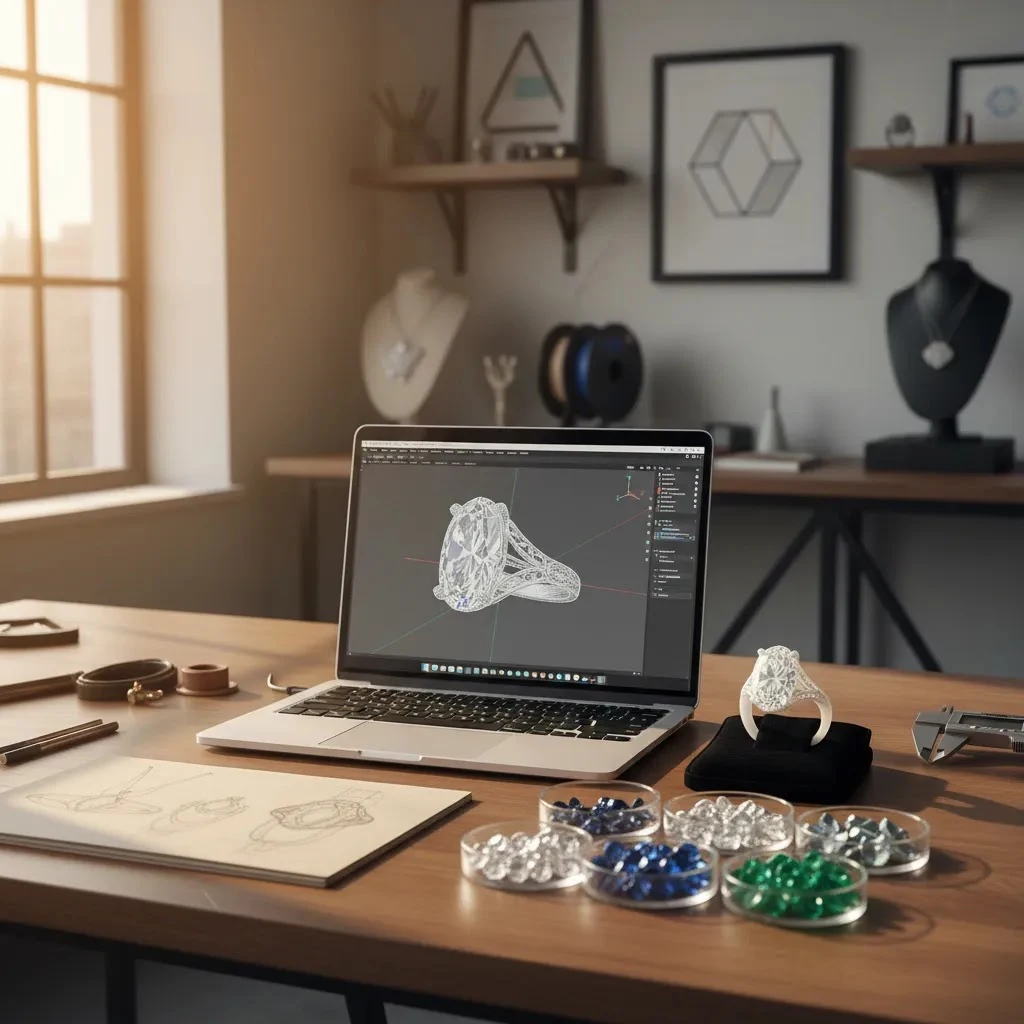
What 3D Jewelry Design Classes Actually Help With
For a jewelry business, 3d jewelry design classes are not only about becoming a CAD specialist. In many cases, the bigger value is operational clarity. A founder who understands digital modeling may communicate custom dimensions, visual balance, and design intent more effectively. A product development manager may review files with fewer misunderstandings. A small brand may reduce avoidable revision rounds because internal stakeholders know what to ask before sampling begins.
Training can also help your team connect design decisions to commercial outcomes. That includes evaluating whether a concept is practical for a production run, whether a shape might create manufacturing complications, and whether a collection concept is consistent enough for wholesale presentation. These are business concerns, not just creative ones.
There is also a strategic reason to invest in design education. As digital workflows continue to affect how brands develop collections, approve prototypes, and collaborate with outside partners, a working knowledge of tools and process can support faster decision-making. Royi Sal Jewelry operates as a custom jewelry design and manufacturing partner for B2B clients, and that makes this topic especially relevant for brands that want stronger collaboration between design and production. You can explore broader Jewelry Design resources if your team is comparing education with outsourced development support.
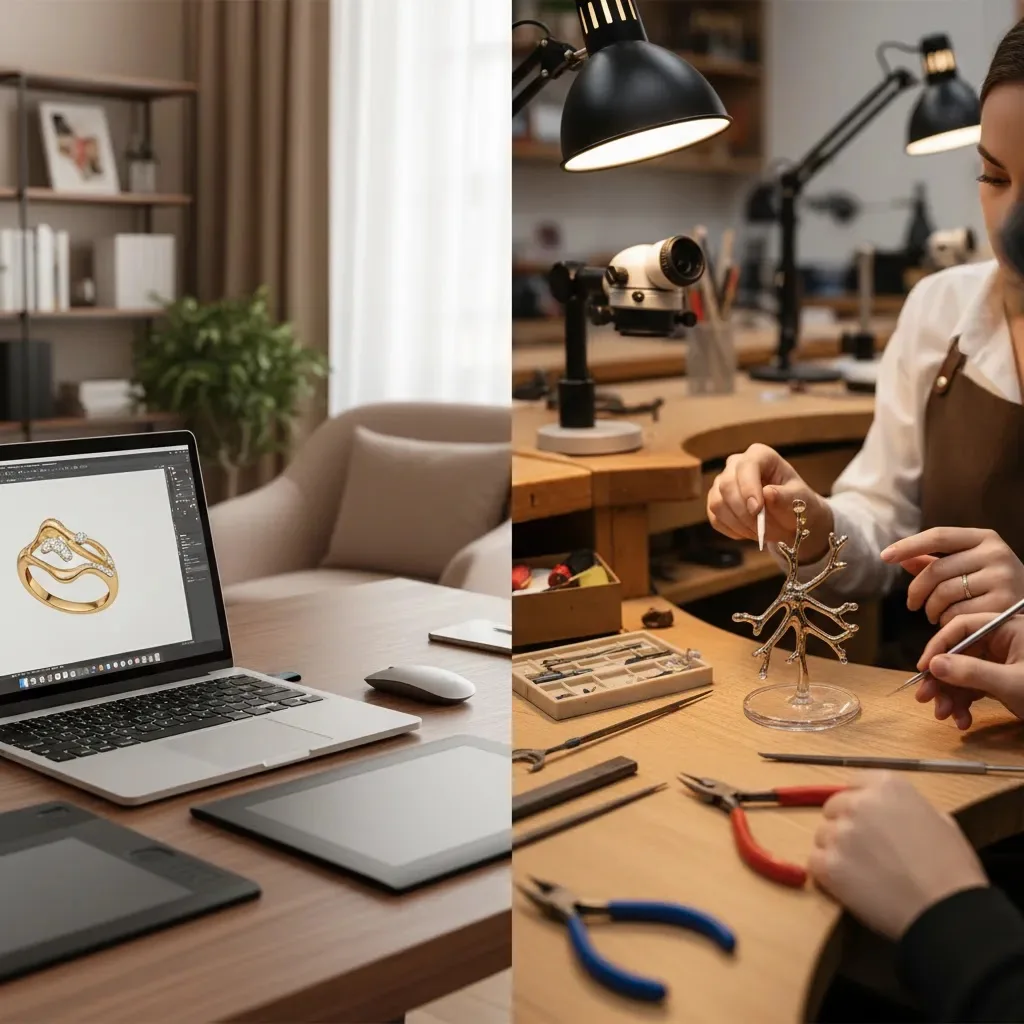
Online vs In-Person Training Options
Most jewelry cad classes fall into two broad categories: online learning and in-person instruction. Each can work, but the better choice depends on your business stage, internal resources, and how quickly you need the training to translate into usable output.
Online classes
Online 3d jewelry design training often suits founders, lean teams, and growing brands that need scheduling flexibility. Lessons may be easier to fit around sourcing, sales, and collection planning. For businesses that already work with remote vendors or overseas production partners, online learning can also feel more realistic because it mirrors a digital collaboration environment.
- Often easier to access across time zones
- May be better for self-paced review
- Usually useful for teams building baseline CAD literacy
- Can support ongoing skill development without travel disruption
The tradeoff is that self-paced learning may leave gaps. Without live critique, students sometimes learn tool functions without learning how to apply them to production-ready jewelry projects.
In-person classes
In-person 3d modeling classes jewelry teams choose are often better for direct feedback, software troubleshooting, and structured progression. If your company wants one staff member to become the internal point person for CAD coordination, hands-on training may offer faster confidence building.
- More immediate instructor feedback
- Potentially stronger accountability and class structure
- Easier to ask situational questions tied to real projects
- May improve software fluency more quickly for some learners
The limitations are practical. Travel, scheduling, and location can narrow your options. Classroom training also does not automatically solve the business side of design development. You still need to connect digital files to sampling, manufacturing feedback, and product line planning.
If your evaluation is software-specific, reviewing a separate guide on matrix 3d jewelry design software training may help you compare class content more precisely.
Production-Ready CAD Skills Many Classes Do Not Teach (But Brands Still Need)
Many jewelry design training programs teach you how to model shapes and use core tools, but they do not always teach how those choices affect sampling, quoting, and repeatable production. The reality is that a brand does not benefit from CAD skill in isolation. The benefit comes when CAD output reduces friction in development and helps a manufacturer interpret your intent with fewer questions.
From a production standpoint, a “nice looking model” is not the same as a model built for real-world constraints. Some classes touch on this, but many do not spend much time on how a model may need to account for steps like assembly planning, fit between components, and design details that need to survive finishing. Even if you are not doing the technical engineering in-house, understanding these considerations can help you evaluate course quality and set better expectations internally.
What many brand owners overlook is that handoff discipline is a skill. In B2B development, the way you package and communicate CAD changes often matters as much as the change itself. Courses rarely focus on basic operational habits like consistent file naming, version control, and documenting what changed between iterations. Yet these habits can reduce back-and-forth cycles because your manufacturer can review the latest version quickly, understand what you intended to revise, and quote or sample with less ambiguity.
Consider this as a simple “readiness check” for your team: can the learner produce files that are clear to review, not only for visuals but for decision-making? In practice, production-ready output typically means the model reflects intentional dimensions, shows a tolerance mindset even if exact tolerances vary by project, and avoids geometry issues that could create confusion downstream. Brands do not need to be technical specialists to recognize whether a course teaches this mindset. You can ask whether students are trained to create clean geometry, provide basic dimensional references, and present revisions in a way a manufacturing partner can act on.
If you plan to outsource final engineering or manufacturing support, these skills still matter. A knowledgeable internal reviewer can catch problems earlier, ask better questions, and make approvals faster. That is often the difference between CAD being a creative exercise and CAD being a practical tool for wholesale product development.
Key Features to Evaluate Before You Enroll
Not all jewelry design training serves the same business purpose. Before selecting a course, evaluate it against the realities of custom development and wholesale growth.
1. Production relevance
A visually impressive render is not the same as a file that supports a smoother path to sampling. Ask whether the class teaches students to think in terms of dimensions, tolerances, manufacturability, and revision workflow. For B2B brands, that context matters more than artistic effects alone.
2. Software alignment
Some classes are broad introductions. Others are tied to a specific platform or jewelry design app. If your team expects to review files created by freelancers or manufacturing partners, it helps when your course reflects the software environment most relevant to your workflow.
3. Instructor context
Training from a general 3d modeling background may not always address jewelry-specific design constraints. Jewelry businesses often benefit more from instruction that accounts for collection development, repeatability, and communication with manufacturers.
4. Feedback structure
Live critique, assignment review, and revision support can make a major difference. A course with no structured feedback may be sufficient for familiarization, but it may not be enough if you want a team member to contribute to commercial product development.
5. Business applicability
The best jewelry design training for a brand is training that reduces friction somewhere in the business. That could mean clearer internal approvals, fewer misunderstandings with external partners, or faster adaptation to trend direction. If your design planning is influenced by market demand, it may be useful to pair training research with content like jewelry trends watch 2025 key design elements year so learning stays grounded in collection planning, not just software exercises.
Software Options You Will See in 3D Jewelry Design Classes, and How to Choose for Your Workflow
Many 3d jewelry design classes are built around a specific CAD environment. That is not a problem, but it changes what “best” means for a brand. If your team expects to exchange CAD with freelancers, a manufacturer, or an external product development partner, your course choice should reflect the software and file types that will actually move through your workflow.
Some programs teach inside general CAD platforms that are widely used across design industries, and others teach in jewelry-focused environments designed around jewelry modeling workflows. Think of it this way: the right choice is often less about which software is most popular, and more about which software reduces translation errors and rework when you hand files to other stakeholders.
Now, when it comes to selecting a course for a business team, consider three practical criteria. First is compatibility with your partner network. If your manufacturer or freelancer team typically works in one environment, choosing a different environment may create extra conversion steps, more room for geometry issues, and slower revisions. Second is the learning curve for non-design staff. If the person taking the class is a founder or product manager rather than a dedicated CAD hire, a tool that is difficult to revise quickly can become a bottleneck. Third is revision efficiency. In real product development, you will make changes, sometimes many times. A workflow that makes edits predictable, trackable, and recoverable can be more valuable than advanced features that rarely get used.
Before enrolling, ask the course provider questions that are easy to overlook but matter later. Which software version will the class use, and is that version required to follow along? Are there plugins or add-ons that are assumed, and if so, are they part of the teaching or just mentioned? What file export formats will students be expected to deliver, and are lessons focused on production-oriented output or primarily on visual modeling and rendering? You do not need every detail upfront, but you do want to know whether the class is preparing you to communicate with a manufacturer, or only to create attractive visuals.
If your goal is smoother collaboration rather than in-house CAD production, the best outcome may be software literacy and file awareness, not mastery. A brand that understands what its partners need can approve designs faster and reduce misunderstandings during sampling, even if the final CAD work is completed by an experienced design and manufacturing partner.
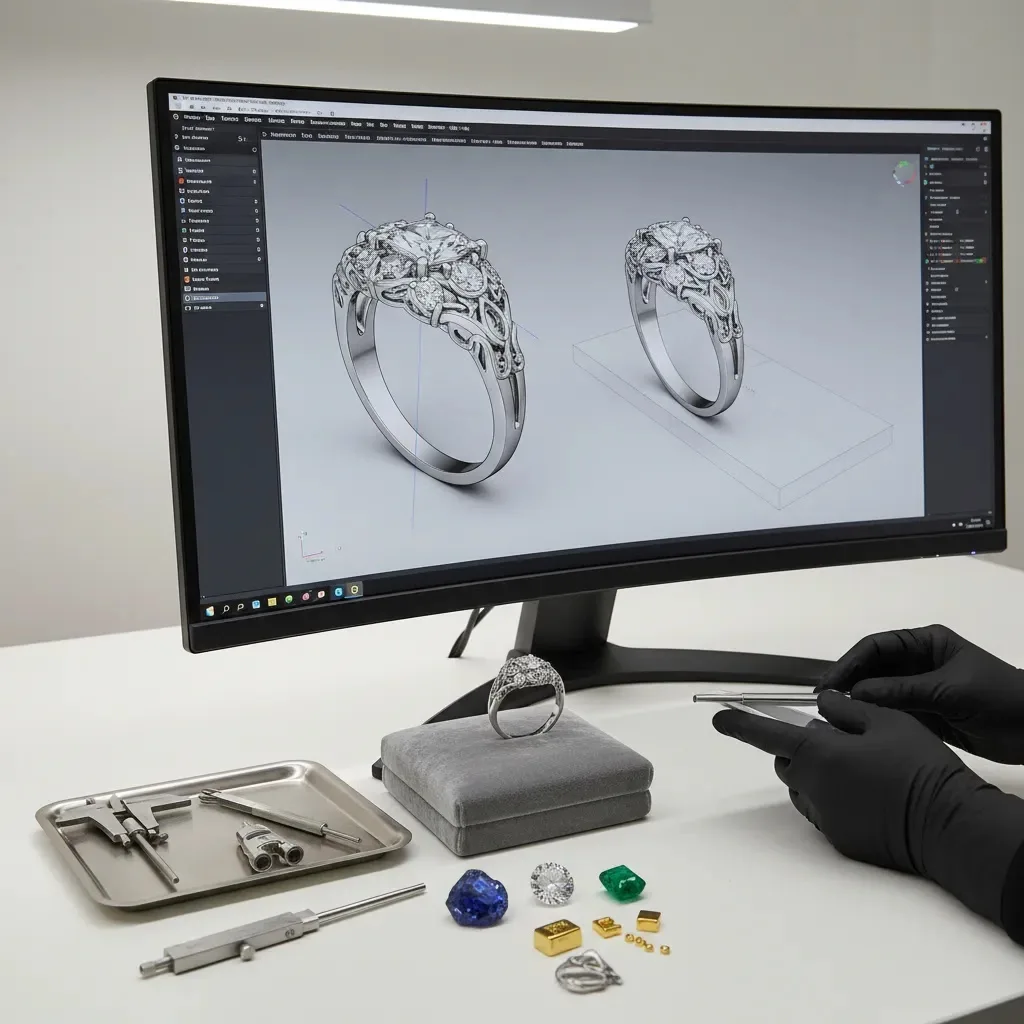
How Royi Sal Jewelry Fits the Picture
Royi Sal Jewelry is not presented here as a class provider. The company’s relevance is different and important for B2B readers. Royi Sal Jewelry focuses on custom jewelry design and manufacturing for wholesale and private label clients, with a collaborative service model led by founder Royi Gal, whose background combines design and manufacturing experience. That perspective matters because many brands do not need to become full in-house CAD studios. They need enough knowledge to manage the process well and the right partner to carry development forward.
For some businesses, training is best used to become a better client, not to replace outsourced expertise. A founder who understands digital design basics may submit a clearer brief, evaluate revisions more confidently, and communicate commercial priorities earlier. Then a manufacturing partner can help convert that direction into a realistic development path.
If that sounds closer to your situation, explore Royi Sal Jewelry’s approach to 3D Jewelry Design Services and custom collaboration. You can also review how broader technology jewelry design innovations shaping industry may affect the way your team balances training, design development, and production support.
How to Choose the Right Class for Your Business
Choosing between online and in-person jewelry cad design classes becomes easier when you define the job the training needs to do. Most B2B buyers make better decisions when they use a simple selection framework.
Define the internal role
Is the learner expected to become a working CAD designer, a brand founder who reviews files, or a merchandiser who coordinates with manufacturers? These are different needs. A future in-house designer may require structured practice and critique. A founder may only need enough fluency to reduce communication gaps during development.
Match the course to your production model
If your business relies on external custom manufacturing, choose training that improves manufacturer communication. If your company plans to keep design development mostly internal, choose training that goes deeper into workflow, file preparation, and iteration discipline.
Consider timeline pressure
Some businesses need useful knowledge quickly because they are preparing a launch, sampling phase, or line extension. In those cases, a practical online course may deliver faster short-term value. In-person options may still be worthwhile, but only if your schedule can support them without delaying larger business goals.
Review support after the course ends
A class may look strong on paper but leave you without ongoing guidance once projects become more complex. Access to replays, critique archives, or continued mentoring may be more useful than a longer syllabus alone.
Check whether training is solving the right problem
Sometimes a brand looks for jewelry design training when the bigger issue is process structure. If your team already knows how to describe the vision but struggles with execution consistency, the better investment may be a more collaborative design and manufacturing partner rather than deeper internal software training. Royi Sal Jewelry’s B2B model, including custom jewelry design, manufacturing support, global shipping, and order fulfillment, may be relevant when your business needs end-to-end project support rather than education alone.
A practical rule is this: if the class helps you make better design decisions and communicate more clearly, it may be worth the investment. If you need dependable product development output right away, outsourced support may offer stronger short-term business value.
Building an Internal CAD Capability: Roles, Hiring, and Training Path
Some competitor-style course descriptions focus on turning an individual into a CAD designer. That can be useful, but a brand decision is usually broader than that. You are not only choosing a class, you are choosing whether CAD becomes an internal capability, a managed outsourced function, or a hybrid. The right answer depends on how often you launch new designs, how complex your revisions tend to be, and how much control you need at each stage.
For many growing brands, the first step is defining the internal role you actually need. A CAD operator role is usually focused on executing models and revisions, often based on clear direction from a founder, designer, or manufacturer feedback. A CAD lead role tends to coordinate standards, manage file organization, and ensure outputs are consistent across a collection, especially when multiple people touch the work. Some businesses choose a product developer profile instead, someone who can review CAD critically, document changes, and translate design intent into clear next steps, even if the final CAD execution is outsourced.
What experienced buyers know is that training alone is rarely enough without a progression plan. A realistic path often starts with foundations, then moves quickly into project-based practice tied to your own product categories, not generic exercises. The second stage is building a feedback loop, either through instructor critique, internal review standards, or manufacturer input during real sampling cycles. The third stage is creating repeatable habits, including version control, a consistent way to request changes, and a system for documenting decisions so you can reproduce a style across multiple SKUs.
There is also a practical breakpoint where in-house CAD may or may not make sense. If your team expects frequent revisions, short iteration cycles, and ongoing collection extensions, internal capability can reduce turnaround on simple changes and speed up approvals. If your designs require specialized engineering, or your team needs dependable throughput while focusing on sales and brand growth, it may be more efficient to keep CAD development connected to a design and manufacturing partner. Royi Sal Jewelry often supports brands in that hybrid reality, where your team maintains creative control and decision-making clarity while an experienced partner helps carry design development through to manufacturable outputs.
If you are considering hiring, treat your course selection as a test of how the work will flow inside your company. The best sign is not that someone can produce a complex model in isolation. It is that they can produce consistent revisions, communicate changes clearly, and help your business move from concept to sampling with less friction.
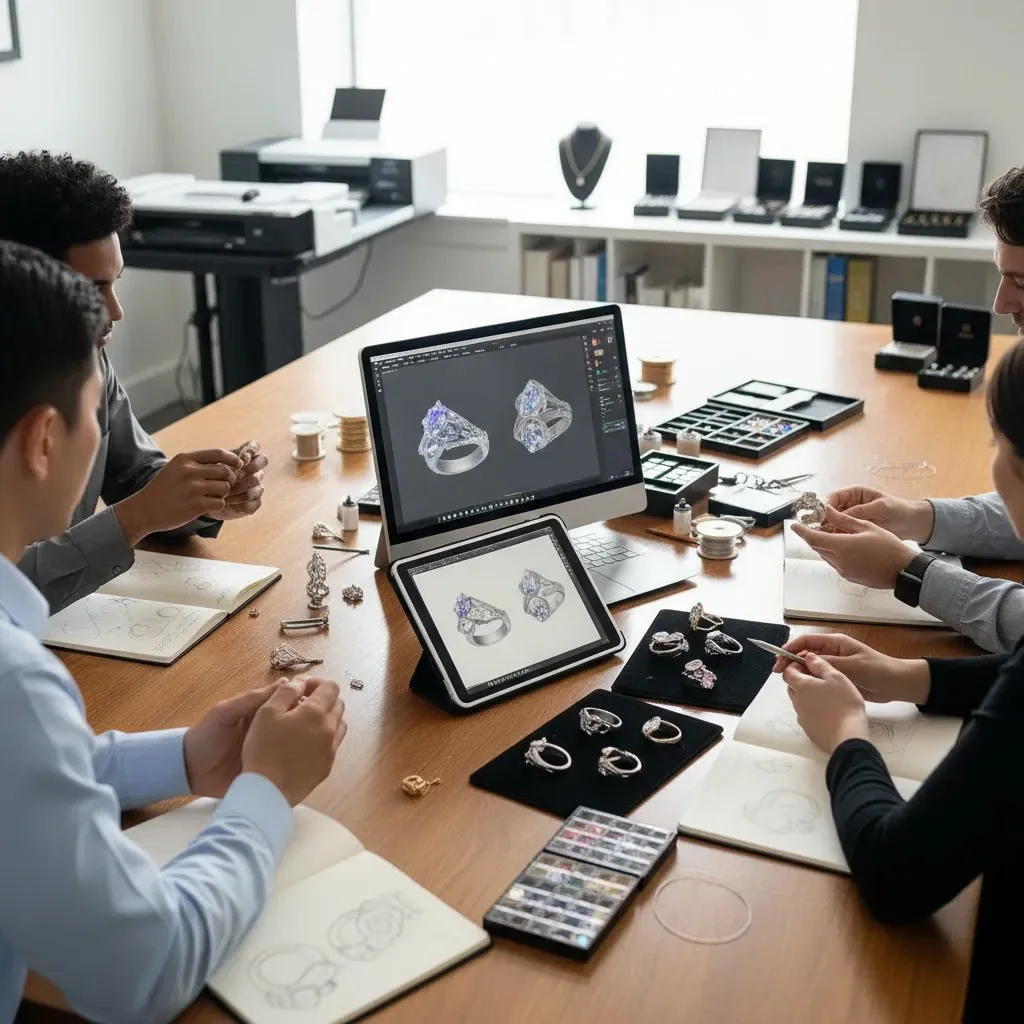
Strengths and Considerations
Strengths
- 3d jewelry design classes may improve communication between your brand and outside design or manufacturing partners, which can reduce confusion during revision stages.
- Online options often make training more accessible for founders and small teams balancing product development with sales, sourcing, and operations.
- In-person classes may accelerate confidence for learners who need direct software support and structured feedback.
- Jewelry-specific CAD education can help teams evaluate whether concepts are commercially practical before moving into sampling.
- Training may create stronger internal review standards, especially when brands want more control over collection planning and design approvals.
- A working knowledge of digital design can support better adaptation to trend shifts, software changes, and evolving product development workflows.
Considerations
- Training does not automatically make a team production-ready. Many courses teach software functions without fully covering manufacturing realities.
- Self-paced online classes can lead to uneven progress if the learner lacks accountability or real project feedback.
- In-person instruction may require more time, travel, and budget planning, which can be difficult for lean brands.
- Some businesses may overinvest in education when their immediate need is an experienced custom design and manufacturing partner.
Frequently Asked Questions
Are online 3d jewelry design classes good enough for a jewelry brand?
They may be, depending on your goal. If you need basic CAD literacy, stronger communication with a manufacturer, or a clearer understanding of digital workflows, online training can be very effective. If you want someone on your team to produce advanced jewelry CAD work independently, live critique and more structured instruction may be more important.
Who inside a jewelry business should take jewelry cad classes?
The best candidate is usually the person who manages product development decisions most closely. That could be a founder, designer, product manager, or operations lead. The right choice depends on who reviews concepts, communicates revisions, and coordinates with outside partners during sampling and production planning.
Do these classes help with custom jewelry design projects?
Yes, in many cases they can help by improving how you prepare briefs, review file changes, and communicate design intent. They may not replace professional development support, but they often make custom collaboration more efficient because your team can ask better questions and spot issues earlier.
Should I choose a general 3d modeling class or a jewelry-specific one?
For most B2B jewelry businesses, jewelry-specific training is usually more useful. General modeling skills can still help, but jewelry projects often involve category-specific design logic and production considerations. If your work will eventually connect to sampling or manufacturing, jewelry-focused instruction is often the better fit.
Can one class prepare my brand for full in-house CAD development?
Usually not on its own. One class may provide a strong foundation, but full in-house capability often requires repeated practice, project-based learning, and exposure to real revision cycles. Many brands begin with education, then decide whether to expand internal skills or continue with outsourced support.
How do I know if in-person training is worth the extra effort?
It is often worth considering when your learner needs accountability, fast troubleshooting, and direct feedback. It may also make sense if your business is committed to building a long-term internal design function. If your need is more immediate and practical, online training could be sufficient.
What is the biggest mistake brands make when choosing jewelry design training?
A common mistake is selecting a class based only on software popularity rather than business fit. The more useful question is whether the training supports your actual workflow. If it does not improve internal review, manufacturer communication, or collection planning, it may have limited commercial value.
How does training relate to working with a manufacturer?
Training can make you a more effective partner in the development process. It may help you prepare stronger briefs, evaluate revisions more confidently, and understand where a design could become more complex. That said, manufacturing outcomes still depend on collaboration, project scope, and the capabilities of the partner you choose.
Which course is best for jewellery designing?
The best course is the one that matches your workflow and business objective. If your goal is to support custom development and wholesale consistency, prioritize training that is jewelry-specific, includes structured feedback, and teaches production-oriented thinking, not only visual modeling. It also helps to choose a course that aligns with the CAD environment you expect to share with freelancers or manufacturers, since file compatibility and revision efficiency affect real development speed.
How to become a jewelry CAD designer?
For a business team member, the most reliable path is usually structured fundamentals, then repeated project-based practice on real jewelry categories, followed by critique from someone who understands manufacturing constraints. Over time, the learner should build the ability to revise efficiently, document changes clearly, and produce consistent outputs across multiple SKUs. Many brands start with a class to build baseline competence, then decide whether to develop an internal role further or keep CAD execution connected to a design and manufacturing partner for throughput and consistency.
Is SketchUp good for jewelry design?
It may be useful for concept modeling and early visual exploration, but whether it is a good fit depends on what your workflow requires. If your end goal is production-ready CAD handoff, you will want to confirm that the tool supports the type of geometry quality, dimensional control, and export formats your partners can use without extra conversion risk. Before committing to any software path, align it with how you plan to develop, revise, and manufacture designs as a business.
Key Takeaways
- The best 3d jewelry design classes for a brand are the ones that support real design-to-production decisions, not just software familiarity.
- Online options often suit founders and lean teams, while in-person formats may help when structured feedback is essential.
- Jewelry-specific instruction is usually more relevant than general 3d modeling if your goal is custom development or wholesale collection planning.
- Training may improve communication and revision quality, but it does not automatically replace outsourced professional support.
- For many growing brands, the strongest model is a mix of internal design knowledge and a collaborative manufacturing partner.
Conclusion
3d jewelry design classes can be a smart investment when they help your business make better design decisions, communicate more clearly, and reduce avoidable friction in development. The right choice depends on whether you need flexible online learning, structured in-person guidance, or a broader combination of training and outsourced support. For many jewelry brands, the practical goal is not to master every technical detail internally. It is to build enough knowledge to manage custom development with confidence. If you are evaluating how training fits into your next collection, explore Royi Sal Jewelry’s design resources, learn more about the company’s custom development approach, or contact the team through royisal.com to discuss how your concept, workflow, and production goals may align.