

3D Jewelry Design for Sale (2026 Review)
Overview
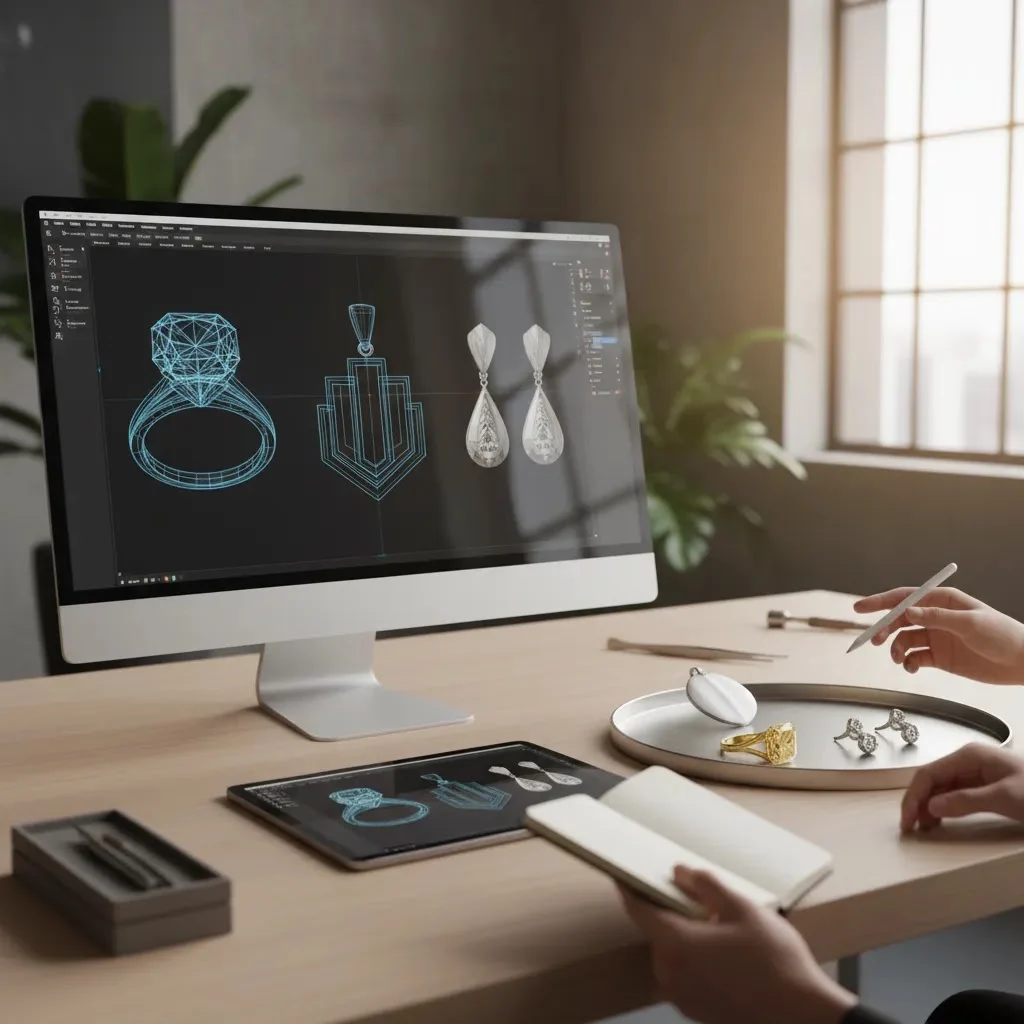
The phrase 3d jewelry design for sale often refers to pre-made digital models, editable templates, or production-ready CAD concepts offered for licensing or direct purchase. For a B2B jewelry business, that can sound efficient. Instead of starting from a blank concept, you may be able to begin with an existing file and move faster toward sampling or manufacturing. Still, not every design file is suitable for wholesale production, private label positioning, or long-term brand building.
Based on available Royi Sal Jewelry data, the company focuses on 3d jewelry design services, collaborative design consultation, custom jewelry development, jewelry manufacturing, and global shipping and fulfillment. There is no confirmed retail-style catalog of downloadable design files in the available product data. That is important. The business model is centered on partnership-based custom development rather than anonymous file sales.
For decision-makers, the practical takeaway is simple: pre-made 3D jewelry models may help if your priority is speed and your product concept is straightforward. If your priority is originality, private label control, and smoother production alignment, a custom development route is often more reliable. Readers considering 3d jewelry models for sale should evaluate the design file as part of a full manufacturing workflow, not as a standalone asset.
How Pre-Made 3D Jewelry Design Works
In practice, a pre-made 3D jewelry file usually enters the process at the concept stage. A business buyer identifies a model that appears close to the intended style, then reviews whether the file can be adapted for branding, sizing, visual identity, and manufacturing needs. That is where many projects become more technical than expected.
A workable B2B process often includes four checkpoints. First, define the commercial purpose of the design. Is it meant for a trend-driven capsule, a core collection, or a private label line that needs distinction? Second, assess whether the file supports revisions. Third, review whether the model aligns with a realistic production path. Fourth, confirm how the final design moves from digital approval into sampling and then into a production run.
Royi Sal Jewelry’s confirmed service profile suggests a collaborative path rather than a simple file transaction. The company’s custom jewelry design and manufacturing approach is built around consultation, bespoke development, and production support. For businesses that like the speed of ready-made concepts but need stronger technical oversight, a better fit may be bespoke 3d jewelry modeling services that adapt a concept to actual brand and manufacturing requirements.
This matters even more as digital workflows continue to change. Businesses tracking technology jewelry design innovations shaping industry trends already know that digital design tools can improve visualization and development speed, but file ownership and production suitability still need close review.
File Formats, Deliverables, and “Production-Ready” Requirements
Here’s the thing: “3d jewelry design for sale” can mean very different deliverables. Some sellers provide a lightweight mesh intended for viewing and marketing. Others provide an editable CAD model intended for manufacturing revisions. Before you invest in a file or plan a sample, get specific about what format you are receiving and what it can realistically support.
Business buyers commonly encounter several file types. STL is often used to represent a mesh for prototyping or printing workflows, but it may not include editable design history. OBJ and FBX are frequently used for visualization, rendering, or asset sharing across platforms, but they are not always ideal for precise dimension control. 3DM is often associated with CAD workflows where the model may remain more editable, depending on how it was built and exported. In practice, what matters is not the label of the format, it is whether the file supports your next step, whether that is revision, technical review, or sampling.
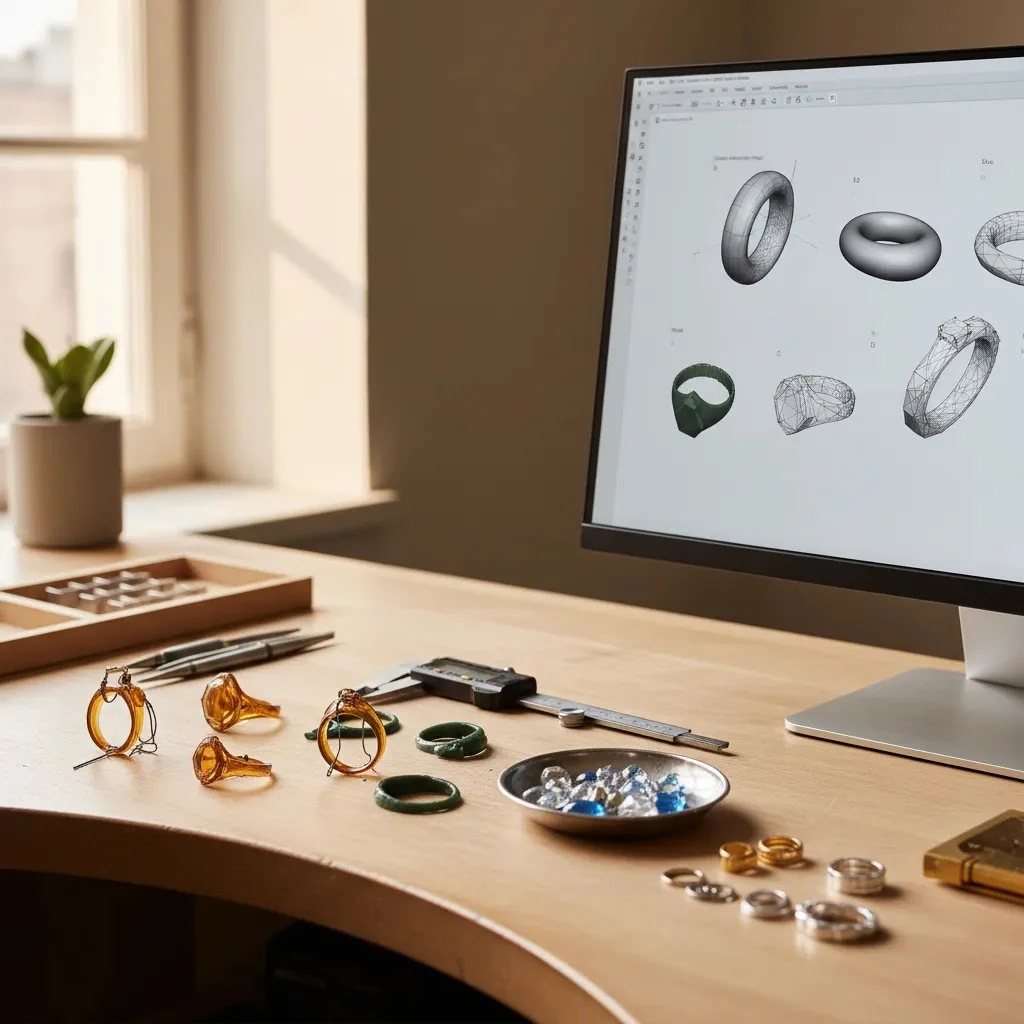
Now, when it comes to “production-ready,” business owners should treat it as a checklist, not a marketing claim. A file that is closer to production typically has clean geometry, correct scale and units, and consistent sizing logic that matches how the item is meant to be manufactured. Where meshes are involved, you may need watertight surfaces and consistent normals so the model behaves predictably in downstream tools. For CAD-based workflows, an editable source file, stable measurements, and clear feature intent can reduce back-and-forth when revisions are needed.
Before you spend money or start sampling, ask what is included in the handoff. Consider this: do you receive only an exported file, or do you also receive an editable source file, technical renders, and clear documentation of size and version? Confirm whether you have revision rights, whether the designer will support changes, and whether the file includes enough information to match your collection requirements across multiple SKUs. What experienced buyers know is that a clean deliverable package can reduce revision cycles later, especially when your goal is consistent wholesale production rather than a one-off concept.
What Clients Should Expect
If you approach 3D jewelry design as a business buyer, expect a gap between “ready to view” and “ready to manufacture.” A file that looks polished on screen may still need adjustments before it fits a broader collection strategy or production workflow. That is one reason many serious B2B buyers move from buying generic files toward a consultation-led model.
With Royi Sal Jewelry, the available company information points to direct collaboration with a team focused on custom jewelry design, manufacturing, and fulfillment for B2B clients. Led by Royi Gal, the company presents itself as both design-led and manufacturing-aware. That combination helps because design decisions do not happen in isolation. They affect sample development, revision cycles, production planning, and order fulfillment.
Clients should also expect some limits. Available tool data does not confirm fixed pricing, exact MOQ levels, downloadable file inventory, or guaranteed development timelines. For that reason, business owners should prepare for project-specific quoting and scope review. If your line is trend-sensitive, it also helps to compare your concepts against broader market direction, including resources such as jewelry trends watch 2025 key design elements year, before committing to a model or development path.
Ownership, Licensing, and Design Protection for Pre-Made 3D Models
What many brand owners overlook is that buying a file and buying rights are not always the same thing. A “purchase” can mean you own a copy of the digital file, but the underlying design may still be licensed under specific terms. From a private label standpoint, that difference matters because it affects exclusivity, your ability to modify the design, and whether you can use it across channels or markets.
Licensing terms vary, but business buyers often see a few common structures. Some files are offered for non-exclusive commercial use, meaning multiple brands could legally manufacture similar designs. Others may be presented as exclusive, limited, or restricted by region or sales channel. Revision permissions also vary. You might be allowed to modify the design for your collection, or you might be restricted to manufacturing it as-is. In practice, your wholesale plan should not rely on assumptions, it should rely on written permission that matches your intended use.
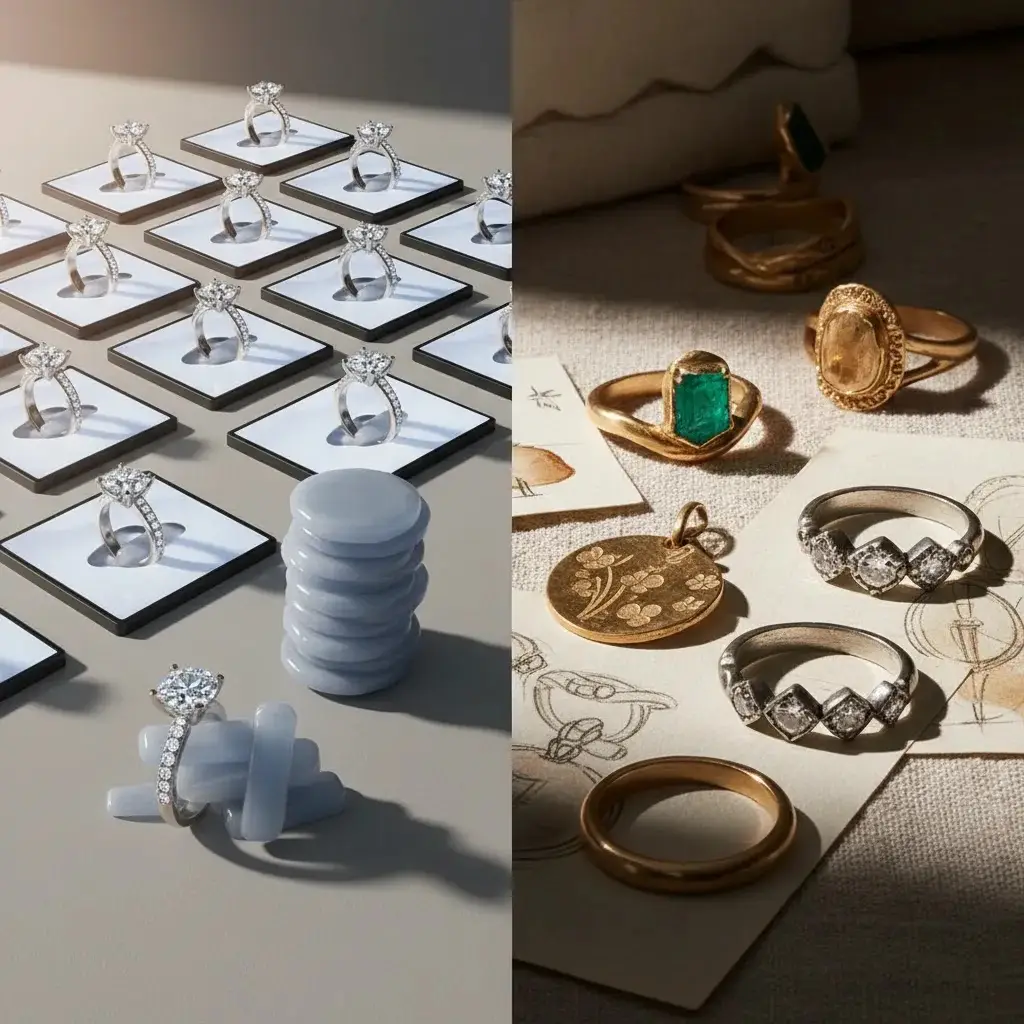
The reality is that overlap risk is real for private label brands if the same model is sold multiple times. One way businesses reduce that risk is by treating the purchased model as a starting point, then building documented customization into the final product. Customization could include proportion changes, structural adjustments, or design language updates that align with your brand system. It also helps to keep clear records of what was changed, when it was changed, and who approved it. That documentation is useful for internal control and for clarifying ownership boundaries with partners.
Before you use a purchased model commercially, confirm a few points in writing: who owns the intellectual property, what rights you receive, whether you can modify the file, and whether you can manufacture and sell the resulting product under your brand without additional permissions. Ask what proof of permission you receive, such as a license document, invoice language, or a signed agreement. If your business plans include design protection where applicable, confirm whether the license allows you to pursue it, and whether any restrictions could limit enforcement. A manufacturer-aware design partner can also help you spot licensing red flags early, before you commit to sampling.
Strengths and Considerations
Strengths
- Pre-made 3D jewelry files can shorten early concept development if a design is already close to your intended collection direction.
- A digital-first workflow may help business buyers review form, proportions, and collection fit before moving into physical development.
- Royi Sal Jewelry’s confirmed focus on custom design and manufacturing creates a more practical environment for evaluating whether a model can become a production-ready item.
- The company’s partnership-oriented approach is useful for private label and wholesale clients who need discussion, revision, and guidance rather than a one-time digital purchase.
- Leadership by Royi Gal, identified as both a jewelry designer and manufacturer, strengthens confidence that design choices can be reviewed with production realities in mind.
- Global shipping and fulfillment capability, as confirmed in the provided context, supports businesses that need an international manufacturing partner rather than only a design vendor.
- For brands building a consistent range, custom adaptation can help align multiple designs under a clearer design language than unrelated stock files usually provide.
Considerations
- Available tool data does not confirm that Royi Sal Jewelry sells an off-the-shelf library of downloadable 3D jewelry templates, so buyers should not assume a catalog-based file purchase model.
- Pre-made files can reduce originality, which may be a problem for brands that need distinctive private label positioning.
- Not every 3D model is immediately suitable for manufacturing, so revisions may still be needed before sample approval or production planning.
- Pricing, minimum order quantities, and timelines are not confirmed in the available product data and may vary significantly by project scope.
- Businesses that want full design ownership and collection consistency may find that custom development is a better long-term investment than buying generic templates.
Online 3D Visualization and Digital Showrooms: When They Help a B2B Buyer
For B2B teams, online 3D visualization can be useful, but only when it is treated as a communication tool rather than proof of manufacturability. If you are reviewing multiple styles, coordinating with stakeholders, or preparing for wholesale presentations, consistent digital previews can help you align internally before you spend time and money on sampling.
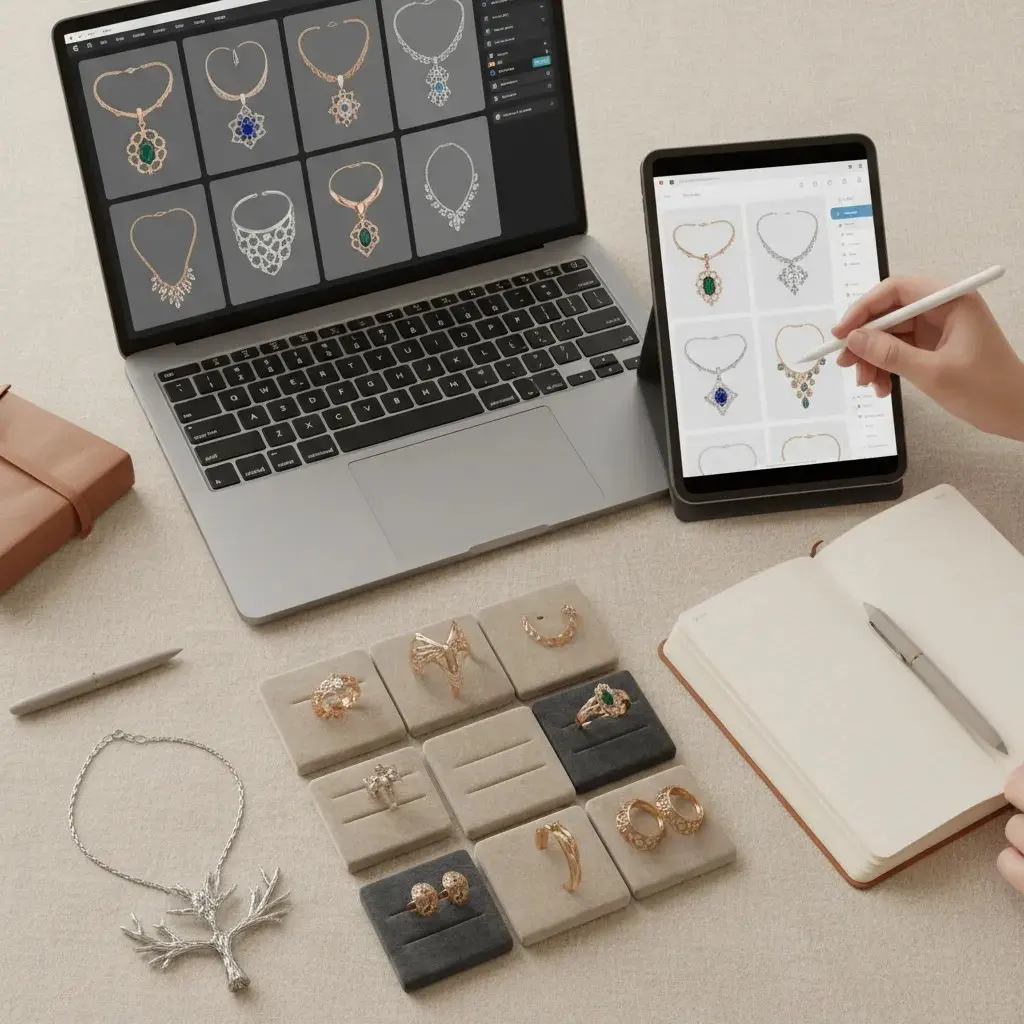
In practice, digital showrooms and interactive viewers can support internal line reviews, buyer presentations, and faster approvals. They can also help you create more consistent wholesale line sheet assets, especially when a collection is still being finalized. For a brand owner, the benefit is often speed of decision-making. You can review proportions, compare styles side by side, and standardize how a collection is presented across meetings.
Think of it this way: visualization solves alignment, not engineering. A strong render or interactive view may help you confirm design direction, but it does not replace technical review of tolerances, sizing logic, or how the design will behave in a real manufacturing workflow. If the goal is production, visualization should be paired with the practical steps that follow, including design review, revision planning, and sampling.
What makes visualization effective is consistency. Use controlled angles, standardized naming, and predictable render styles so your team is comparing like-for-like. Keep a clear feedback loop for revisions, so comments tie back to a specific version of the design file. That kind of process discipline can reduce confusion when multiple people are approving the same collection across different time zones or departments.
Who This Is For
This topic is most relevant for jewelry businesses evaluating the fastest route from concept to production. That includes boutique owners expanding into private label, established retailers testing new categories, fashion brands adding jewelry to a broader accessories program, and entrepreneurs preparing an initial line with manufacturing support. It is especially useful for buyers deciding between stock-style digital assets and a more controlled custom development process. If your business needs a manufacturer-aware partner, not just a file source, Royi Sal Jewelry’s combination of jewelry design and jewelry manufacturing services is the more relevant framework to evaluate.
How to Get Started
Start by clarifying whether you actually need to buy a pre-made model or whether you need a custom design partner. For most B2B projects, that means preparing a short design brief with collection goals, target market position, approximate order intent, reference imagery, and any required design direction. If you already have a 3D file, note what parts are fixed and what parts may need revision.
Next, contact Royi Sal Jewelry through royisal.com and outline your business requirements. Keep the inquiry practical. Explain whether you are launching a private label collection, testing a new wholesale line, or scaling an existing range. Ask whether the project is better suited to adaptation of an existing concept or a fully custom development path.
From there, expect a consultation-led discussion around feasibility, design development, and manufacturing fit. Because the company’s confirmed service scope includes collaborative design, custom development, manufacturing, and global fulfillment, the value is not only in the file or concept. It is in building a design process that supports actual business execution.
Frequently Asked Questions
Can I buy ready-made 3D jewelry files directly from Royi Sal Jewelry?
The available data does not confirm a public catalog of ready-made downloadable files. Royi Sal Jewelry is clearly positioned around custom jewelry design, collaborative development, manufacturing, and fulfillment. If you want to use an existing concept as a starting point, the best approach is to contact the team directly and confirm whether adaptation, custom modeling, or a different development path is available for your project.
What is the difference between a pre-made jewelry model and custom 3D development?
A pre-made model is usually an existing digital design intended for reuse or adaptation. Custom 3D development begins with your brand direction, collection needs, and production goals. For B2B clients, the difference matters because custom development often provides better control over originality, collection consistency, and manufacturing suitability, while pre-made files may offer speed but less strategic differentiation.
Is buying a 3D jewelry model enough to start manufacturing?
Not always. A digital model may still need technical review, revisions, and approval before it fits a sample and production workflow. Jewelry businesses should treat any file as one stage in a broader process that includes design validation, prototype development, and manufacturing planning. That is why working with a manufacturer-aware design partner can reduce avoidable issues later in the project.
Who benefits most from custom jewelry design instead of stock files?
Private label brands, retailers building exclusive collections, and growing businesses that want stronger brand identity usually benefit more from custom development. Stock files can be useful for testing ideas quickly, but they may not support long-term differentiation. A collaborative custom process is often more suitable when you need a design system that can grow with your business.
Does Royi Sal Jewelry support international B2B clients?
Yes, the provided company context confirms global reach and global shipping and fulfillment. That suggests the business is structured to work with international B2B clients rather than serving only a local market. Exact shipping terms, production scheduling, and order handling details should still be confirmed directly based on your project scope and destination requirements.
What should I prepare before contacting Royi Sal Jewelry?
Prepare a concise project brief. Include your business type, collection objective, design references, any existing 3D assets, your expected order stage, and what kind of support you need. It also helps to explain whether your goal is a first sample, a limited launch, or a larger production run. Clear inputs usually make early discussions more productive and realistic.
Are pricing and minimum order quantities available online?
The available tool data does not provide confirmed pricing or MOQ figures. That means businesses should expect project-based evaluation rather than fixed public pricing. Costs and minimums may depend on design complexity, production requirements, and the scope of the manufacturing relationship. The most reliable next step is to request current details directly from Royi Sal Jewelry.
What file format should I ask for when I buy 3D jewelry design files?
Ask based on what you need to do next. For visualization and approvals, a format commonly used for viewing and rendering may be sufficient. For production-oriented work, you typically want an editable CAD source file plus whatever export formats your workflow requires for prototyping or review. If you are working with a manufacturer-aware design partner, share your intended production path and request a deliverable package that supports revision, version tracking, and technical review rather than a single export.
Are free 3D jewelry models safe to use for a private label collection?
They can be risky for a private label business because “free” does not automatically mean cleared for commercial use or exclusive use. Some files are shared for personal projects, education, or limited licensing terms, and they may be widely reused by other brands. If you are considering a free model, confirm the license in writing, confirm whether commercial manufacturing is allowed, and plan for customization so your collection is not dependent on a design that other businesses may also produce.
What is the difference between a 3D jewelry model (mesh) and CAD that can be edited for production?
A mesh model is often a surface representation used for viewing, rendering, or certain prototyping workflows, and it may not carry editable feature history. Editable CAD is typically built for controlled dimensions and revisions, which can make it more practical for manufacturing-focused iterations. The key business question is whether your file supports predictable changes, accurate sizing, and a clear path into sampling and production planning.
How do I know if a 3D jewelry design file is licensed for commercial use?
Do not rely on assumptions or marketplace labels alone. Ask for the written license terms and confirm the scope: commercial manufacturing rights, whether modifications are allowed, whether resale is allowed, and whether usage is exclusive or non-exclusive. Keep proof of permission, such as the license document and purchase record, as part of your product file for the SKU. If your plan involves private label positioning, confirm that the terms match how and where you intend to sell.
Key Takeaways
- 3d jewelry design for sale can be useful for speed, but a file alone does not guarantee production readiness or brand fit.
- Royi Sal Jewelry is confirmed as a B2B custom jewelry design and manufacturing partner, not as a verified seller of off-the-shelf downloadable design files.
- Business buyers should evaluate pre-made models in the context of sampling, revisions, production planning, and private label positioning.
- Custom development is often the stronger option for brands that need originality, collection consistency, and manufacturer-aware design input.
- Pricing, timelines, and minimum order quantities are project-dependent and should be confirmed directly before moving forward.
Conclusion
For B2B jewelry businesses, the real decision behind 3d jewelry design for sale is whether speed matters more than control. Pre-made models can help in limited cases, especially when a concept is close to what you need. Still, businesses focused on private label growth, wholesale consistency, and long-term brand value usually need more than a file purchase. They need technical review, design collaboration, and a manufacturing path that supports scale. Royi Sal Jewelry is best understood through that broader lens. Led by Royi Gal, the company combines custom jewelry design and manufacturing expertise with a collaborative service model for business clients. If you are evaluating whether to buy a model, adapt an existing concept, or build a custom collection, visit royisal.com and contact the team to discuss your project requirements.



Responses (0)