

Is 925 Sterling Silver Good? Complete Guide
What 925 Silver Means
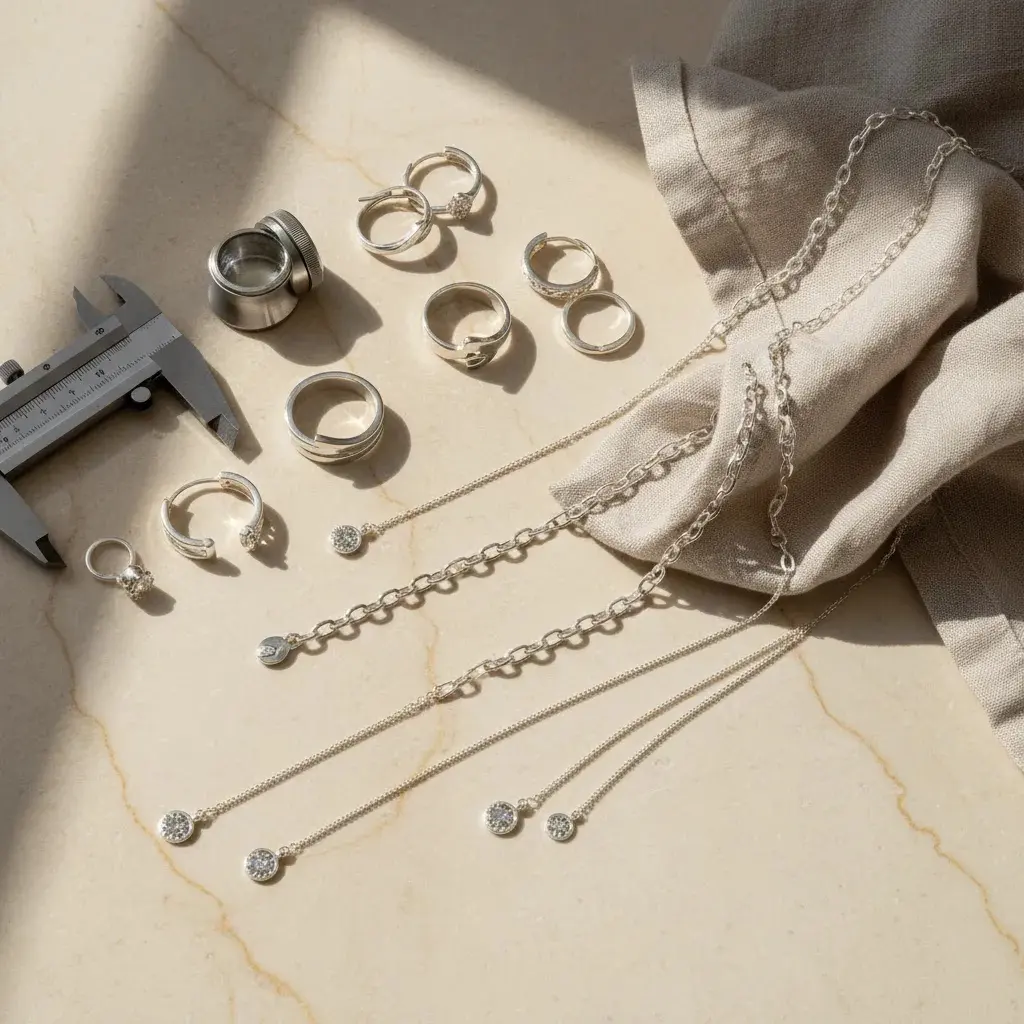
To answer the question is 925 sterling silver good, you first need to understand what the marking refers to. In industry terms, 925 silver generally indicates a sterling silver standard used in jewelry manufacturing. For brand owners, that number matters because it signals a recognized material category that buyers, manufacturers, and sourcing teams already understand.
That said, the stamp alone should never be your entire quality check. The reality is, a material label tells you part of the story, not all of it. Product quality also depends on workmanship, consistency across a production run, finishing accuracy, and proper handling before shipment.
If your team is still sorting through terminology, these resources on is 925 sterling silver real and is sterling silver real can help clarify the language often used in product descriptions and sourcing conversations.
In practice, this means a jewelry brand should treat 925 sterling silver as a material category with good commercial potential, while still validating the actual production quality behind it. A well-made sterling silver item and a poorly finished sterling silver item may carry the same metal reference, but they will perform very differently in the market.
What the 925 Stamp, Hallmarks, and Markings Do (and Do Not) Confirm
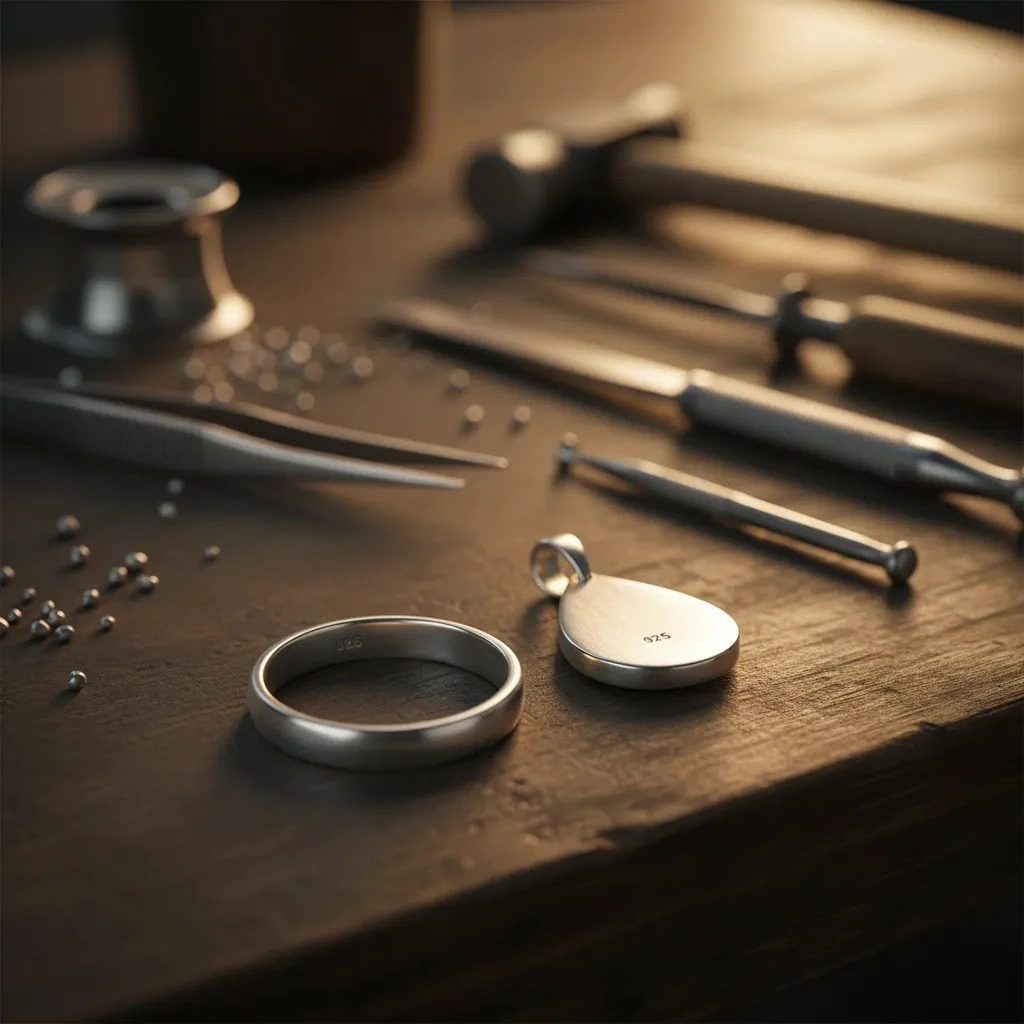
Many brands ask for “925” specifically because it is commonly used as a fineness mark in the jewelry supply chain. In simple numeric terms, it is typically understood as 92.5% silver by weight, with the remaining portion made up of other metals. Depending on supplier practices and the market you sell into, you may also see other sterling-related markings or formats used to communicate a similar standard.
What experienced buyers know is that a mark on a finished piece is not the same thing as proof that your full process is controlled. Stamping can be a useful checkpoint, but it does not confirm how consistently a factory follows the approved specification, how stable the finishing is across units, or whether the full batch matches the sample you signed off on.
From a production standpoint, treat stamping and hallmarks as one part of a broader authenticity and quality workflow. That workflow usually includes clear written specifications, controlled sampling, documented approvals, and checks that verify batch consistency. For private label collections, this matters because your brand name carries the risk if a production run varies from what your team promised in product descriptions, even if the pieces technically include a “925” mark.
Think of it this way, a clean stamp may help your customer trust the material category, but process proof protects your business. If you want fewer surprises after launch, build your quality control around repeatable standards rather than relying on markings alone.
Why Jewelry Brands Use It
Many emerging and established brands consider 925 sterling silver because it offers a recognizable position between low-cost fashion materials and higher-ticket fine jewelry categories. That makes it useful if your line needs to feel elevated without pushing your collection into a narrower pricing tier.
Consider this, material selection is rarely just about appearance. It also affects how easy your collection is to merchandise, how clearly your sales team can explain product value, and how confidently customers perceive the line. When a product description includes sterling silver, that often supports a stronger quality story than generic metal language.
From a business standpoint, 925 sterling silver may work well for brands that want:
- Recognizable material value in product messaging
- Better perceived quality than lower-tier fashion jewelry categories
- A material that suits both classic and trend-driven designs
- A product line that can sit comfortably in boutique, designer, or private label assortments
For B2B buyers, the real advantage is flexibility. You can often build a line around repeatable shapes, signature styles, or brand staples without making every item feel overly mass-market. That balance matters if you are trying to scale carefully and still protect your brand identity.
At Royi Sal Jewelry, the value of a material is typically viewed through a production lens as much as a design lens. As a B2B custom jewelry design and manufacturing partner, the company works with brands that need collaborative guidance on how a collection will look, wear, and perform through development and production.
Sterling Silver vs Pure Silver, What “Better” Means in Production
A common comparison in sourcing discussions is sterling silver versus pure silver. Here’s the thing, “better” depends on what you are trying to manufacture, how the piece is constructed, and what kind of wear you expect in the real world. Many brands hear “pure” and assume it automatically means higher quality, but purity and performance are not the same measurement in production.
In many cases, alloying exists for practical reasons tied to manufacturability and durability. Very soft metals can be more prone to bending, surface deformation, and shape changes during wear, packaging, or transit. For a jewelry business, that can translate into customer complaints, resizing issues, higher damage rates, or more returns, especially when you scale and more units are exposed to everyday use.
Consider this, if your collection includes designs with thin profiles, extended shapes, or functional components such as posts, closures, or finer connections, a material that is too soft may create avoidable risk. That does not mean you cannot design delicate pieces, it means your material choice and engineering have to match the use case, and your sampling should validate that the design holds up under realistic handling.
In practice, the decision lens for brands is straightforward. Choose what supports consistent repeat production and stable customer experience. If your concept depends on very crisp details, dependable structure, or repeatable units across batches, your development process should test for that before you commit to a full run. A good manufacturing partner will help you connect the design intent to the production reality, instead of treating “pure” as a shortcut answer.
Quality, Durability, and Wear
Is 925 silver good quality for long-term use?
In many cases, yes, 925 sterling silver quality is strong enough for serious jewelry collections, provided the design and manufacturing standards are well managed. What many jewelry brands overlook is that durability is never just about the raw material category. It also depends on thickness, construction, clasp quality, stone setting accuracy if applicable, and finishing consistency.
A slim, highly delicate design may need more careful engineering than a compact style with simpler geometry. Think of it this way, a material can be broadly reliable while still being vulnerable in a poorly executed design. That is why sampling and pre-production review matter so much.
Is sterling silver good for everyday product categories?
Often, yes. Sterling silver is widely considered suitable for collections intended for regular wear, but it is not immune to wear-related changes. Surface marks, oxidation, and maintenance needs should be expected over time. None of that automatically means the product is low quality. It means the material behaves like a real jewelry metal that requires proper care, storage, and realistic customer education.
For business owners, this matters because return policies and product care communication should match the actual behavior of the material. Oversimplified promises can create avoidable customer dissatisfaction later.
Is 925 sterling silver good for earrings?
It may be a strong option for earring lines, especially when your brand wants a balance of perceived value and broad market appeal. Now, when it comes to earrings specifically, the practical concerns are comfort, finish quality, post construction, and consistency across units. If the engineering is weak, even a good material category will not save the product experience.
That is why smart brands evaluate earrings as a complete production outcome, not just a metal choice. Sample reviews should include wear checks, closure performance, and finish inspection across multiple units, not just a single showroom-perfect sample.
Tarnish and Maintenance Realities
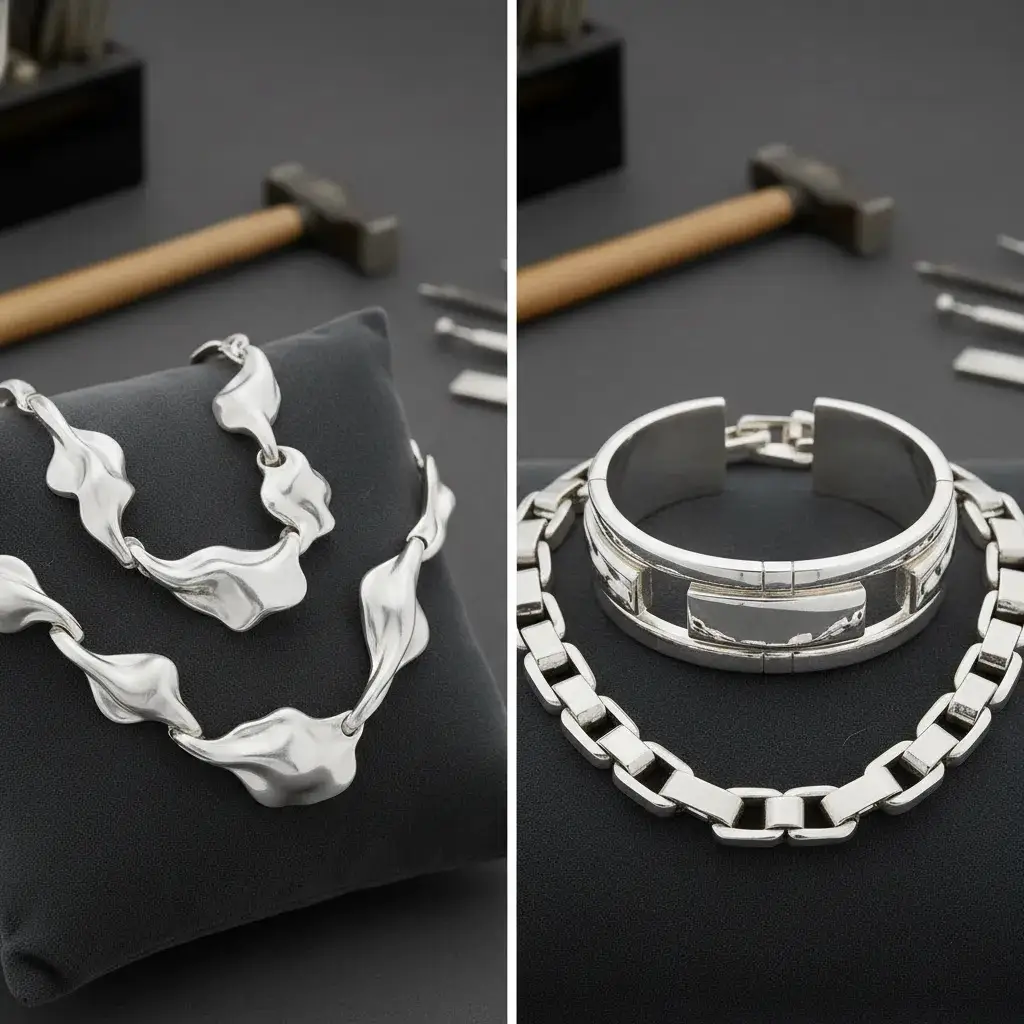
One of the most common sourcing questions is, does 925 sterling silver tarnish? In practical terms, it can. That is not necessarily a defect or a sign that 925 sterling silver is good or bad. Tarnish is part of how silver-based jewelry may react over time depending on storage conditions, environmental exposure, packaging, and handling.
The reality is, many B2B issues linked to tarnish begin before the product ever reaches the end customer. Inventory may sit too long in poor storage conditions. Packaging choices may not protect the pieces well. Staff may handle stock without a clear care process. A manufacturer may produce a strong item, but post-production handling can still create avoidable problems.
For that reason, brands should treat tarnish prevention as an operational issue, not just a material issue. This article on protecting sterling silver inventory essential tarnish prevention cleaning tips for manufacturers is useful if you want to think about silver maintenance from a stock management perspective.
In practice, this means your product care instructions, warehouse procedures, and packaging standards should all be aligned. If they are not, you may end up blaming the wrong part of the supply chain.
“Does 925 Turn Green,” “Waterproof,” and Shower Wear, How Brands Should Message It
Search behavior around sterling silver often includes questions like “does 925 turn green” and “is it waterproof.” For a jewelry business, these are not just consumer curiosities. They show up as customer service tickets, negative reviews, and returns when expectations are not set correctly.
First, it helps to separate concepts. Tarnish is typically a surface reaction that can show up as darkening or dullness over time, and it is often manageable with proper care. “Turning green” is a different type of complaint that customers may use to describe discoloration on the skin or residue transfer. Outcomes can vary based on environment, wear habits, personal skin chemistry, and how the piece is finished and maintained. The same product can perform differently across different customers, which is exactly why brand messaging needs to stay realistic.
Now, when it comes to water exposure, “waterproof” is usually not a helpful promise for sterling silver in a commercial context. Occasional contact with water may happen in real life, but frequent shower wear, swimming, or exposure to soaps and personal care products can increase the chance of tarnish, dulling, or buildup. From a brand standpoint, the safest approach is to position sterling silver as a real jewelry metal that benefits from routine care, and to be clear that minimizing exposure to moisture and chemicals can help maintain appearance.
What many brand owners overlook is how much this impacts perceived value. Clear care instructions do not make a product feel less premium, they often prevent avoidable disappointment. If your product pages, packaging inserts, or retail staff training explain normal material behavior, recommended storage, and reasonable wear guidance, you reduce friction without undermining the material story you are building.
Where It Fits in a Product Line
925 silver value depends on how well it matches your business model. If you run a boutique with a quality-focused assortment, sterling silver may support a more polished brand story than lower-tier alternatives. If you are launching a private label collection, it may give your line a credible material foundation without forcing you into a much more restricted market position.
Still, not every brand should use it in the same way. A trend-led business built around fast assortment changes may assess silver differently than a brand developing core styles meant to remain in the line for years. Your margin expectations, target customer profile, and post-sale care strategy all influence whether sterling silver is the right fit.
Here are a few situations where it often makes strategic sense:
- You want a material with established recognition in the jewelry market
- You need a bridge between fashion-driven and more premium product tiers
- You plan to build a collection with repeatable signature styles
- You want product descriptions that communicate material value clearly
What many jewelry brands overlook is that a material should support the collection architecture, not just individual pieces. If your assortment includes entry styles, hero products, and long-term repeat sellers, silver can sometimes help bring consistency to the line. Related sourcing and production planning topics often sit within broader Jewelry Manufacturing decisions, especially when you are scaling beyond one-off development.
How to Evaluate Suppliers and Specifications
If you are asking is 925 silver good quality, you are really asking two questions at once. First, is the material category commercially sound? Second, can your supplier produce it consistently and honestly? The second question is where many businesses run into trouble.
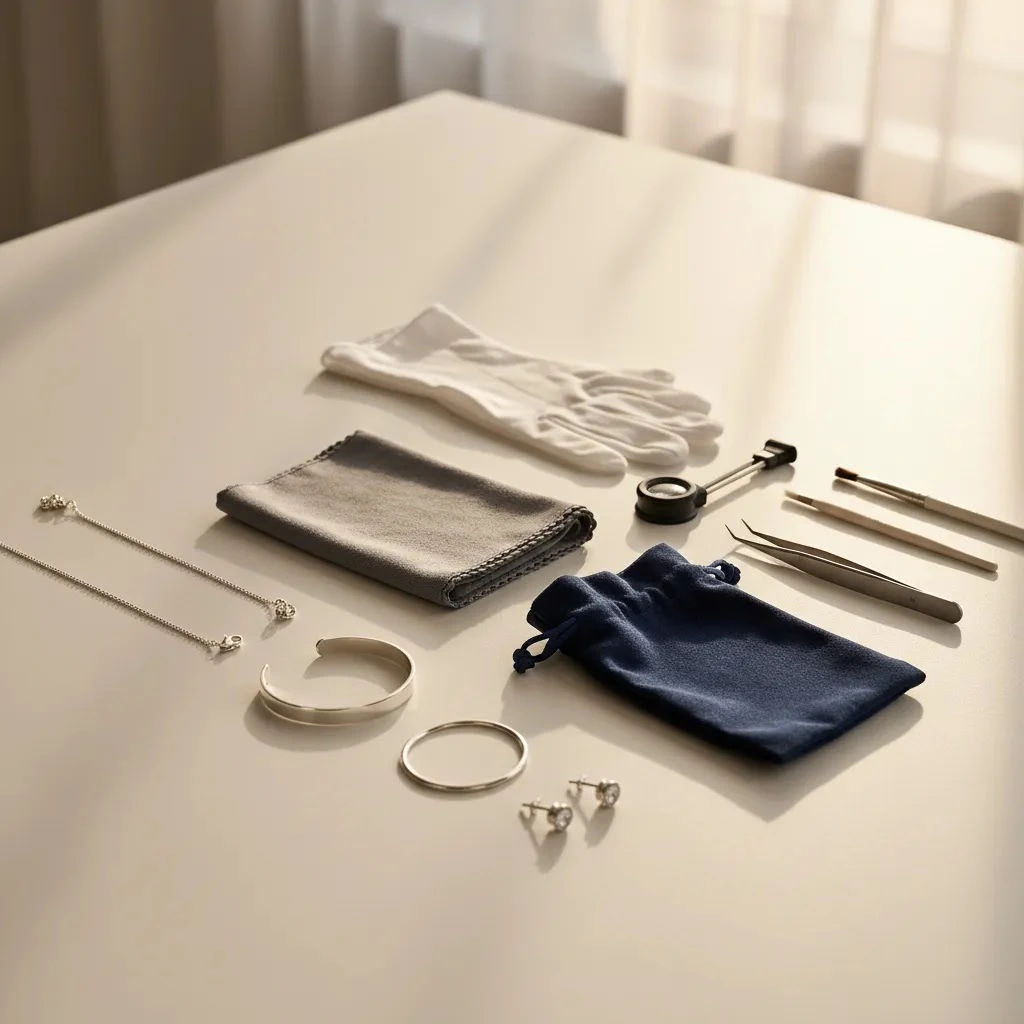
From a production standpoint, supplier evaluation should include more than a basic material claim. You should review how the manufacturer communicates specifications, manages sampling, handles revisions, and documents approvals. A supplier that cannot explain its process clearly may create risk later, even if the first sample looks acceptable.
Use this checklist during sourcing conversations:
- Ask for clear documentation around product specifications
- Review sample quality across more than one unit if possible
- Confirm finishing expectations in writing
- Clarify quality control procedures before full production
- Discuss packaging, storage, and shipping conditions for silver inventory
- Define how changes and approvals will be handled between sample and production
If your business needs stronger due diligence around authenticity and supplier communication, review how ensure jewelry business offers authentic 925 sterling silver. It is especially relevant for brands that want to reduce sourcing risk before launch.
Royi Sal Jewelry approaches custom development as a collaborative partnership, which is often what growing brands need when they are trying to turn material decisions into workable production plans. That kind of support can be helpful if your collection requires design input, manufacturing coordination, and international fulfillment rather than a simple catalog reorder.
If you are organizing early-stage research, the broader 925 Sterling Silver category can help you map related questions before moving deeper into collection development.
Frequently Asked Questions
Is 925 sterling silver good for a private label jewelry brand?
It often can be, especially if your brand needs a material that supports both perceived quality and broad market acceptance. For private label businesses, the bigger issue is not just whether 925 sterling silver is good, but whether the manufacturer can produce it consistently across samples and production runs. You should evaluate finish consistency, construction details, packaging conditions, and post-production handling. A strong material category helps, but operational discipline is what protects your brand reputation once the collection reaches market.
What is 925 silver in practical business terms?
For a jewelry business, 925 silver is best understood as a recognized sterling silver standard used in commercial jewelry production. In practical terms, it gives your team a more credible material reference than vague metal descriptions. That can support merchandising, pricing logic, and customer communication. Still, material designation alone does not guarantee strong product outcomes. You need reliable sampling, specification control, and quality checks to make sure what is approved in development is what arrives in your final production batch.
Is 925 silver good quality compared with lower-cost fashion jewelry categories?
In many cases, yes. Brands often view sterling silver as a step up in perceived value and product credibility. That can make it easier to position a collection in boutiques, designer assortments, or premium-accessible ranges. But quality should always be evaluated as a finished product outcome, not just a material label. If construction is weak or finishing is inconsistent, the final item may still underperform. Smart brand owners compare total product execution, not just the material named on a tech sheet.
Does 925 sterling silver tarnish during storage or shipping?
It may tarnish under certain storage and handling conditions. That does not automatically indicate poor quality. Silver inventory can be affected by air exposure, packaging choices, environmental conditions, and the length of time stock remains unsold. For jewelry businesses, tarnish should be treated as part of inventory planning and care management. You may need better storage workflows, clearer care instructions, and more disciplined warehouse handling. These operational details often matter just as much as the original manufacturing quality.
Is 925 sterling silver good for earrings in a commercial collection?
It may be a strong choice for earrings, particularly if your collection relies on products that need recognizable value and broad appeal. The key concerns are manufacturing precision and comfort-related construction. Brands should review post quality, closure performance, overall balance, and finishing consistency during sampling. Earrings can look excellent in presentation but still create issues if the engineering is not stable. In a B2B context, testing multiple units is more useful than relying on one polished development sample.
How should a jewelry brand validate 925 sterling silver quality from a supplier?
Start with documentation, then move to process control. Ask how specifications are recorded, how sample approvals are handled, and what checks happen before shipment. Review more than one sample where possible and confirm exact finish expectations in writing. You should also ask about storage and packing methods for silver inventory, since poor handling may create avoidable issues before goods ever even arrive. A supplier that communicates clearly and consistently is often a safer choice than one that only focuses on the first sample.
Can 925 sterling silver support long-term collection planning?
Yes, it often can, especially for brands building signature styles or repeat sellers. A recognized material category may help create continuity across your assortment, making it easier to develop staples and hero products within the same quality tier. Still, long-term success depends on repeatable manufacturing standards. If your supplier cannot maintain finish consistency or construction quality over time, the material itself will not solve that problem. Long-term planning requires stable production, clear specifications, and strong approval systems.
Is sterling silver a good choice for brands concerned about returns and aftercare?
It can be, but only if your brand communicates realistically. Sterling silver may require maintenance, and some wear-related change over time should be expected. If your product pages or sales team imply that the jewelry will remain unchanged under all conditions, you may create unnecessary returns or complaints. Good aftercare planning includes care instructions, storage guidance, and internal staff training. The brands that handle silver well usually prepare customers and teams for normal material behavior instead of overselling simplicity.
What many jewelry businesses get wrong when sourcing sterling silver?
The most common mistake is treating the material claim as the entire quality decision. Businesses sometimes focus on whether a supplier says “925” without checking how the piece is engineered, finished, packed, and shipped. Another mistake is skipping operational planning for tarnish prevention and inventory handling. A jewelry line can start with a good material choice and still struggle because of weak communication or poor post-production management. The better approach is to view silver sourcing as a full system, not a single specification line.
Where can a brand get help evaluating if sterling silver fits its collection?
If you are still in the planning stage, it helps to speak with a manufacturing partner that understands both design intent and production realities. Royi Sal Jewelry, led by founder Royi Gal, works with B2B clients on custom jewelry design and manufacturing, which can be useful when your questions go beyond material theory and into sample development, collection planning, and production coordination. You can visit royisal.com to explore how a collaborative manufacturing process may support your next collection.
Will 925 sterling silver tarnish?
It may tarnish over time, and that is a normal behavior for many silver-based jewelry products. For brands, the goal is not to pretend tarnish never happens. The goal is to manage it through finishing quality, packaging and storage discipline, and clear aftercare guidance. If you sell sterling silver, aligning your product messaging and customer education with real material behavior can reduce avoidable complaints and protect your perceived quality.
Is 925 sterling silver fake silver?
In commercial jewelry language, 925 is commonly used to indicate a sterling silver standard, not “fake” silver. Still, a business should not treat the label as a substitute for supplier control. Markings, product specs, sampling approvals, and batch consistency checks work together. If you are sourcing at scale or building private label inventory, the safest approach is to validate the supplier process instead of relying on the stamp alone.
Is 925 sterling silver cheap jewelry?
Not necessarily. Pricing and perceived value are driven by design, construction, finishing, brand positioning, and how consistently the product is produced, not only the metal category stated in a description. Many brands use sterling silver to support a premium-accessible tier, but the market outcome depends on execution. A well-made sterling silver piece with strong finishing and consistent production can justify a very different brand position than a rushed product that happens to use the same material category.
Is it okay to shower with 925 sterling silver?
For a jewelry business, it is better to avoid absolute promises. Some customers will shower in their jewelry, but frequent exposure to water, soaps, and personal care products can increase the chance of tarnish or surface dulling over time. If you sell sterling silver, clear care guidance often helps, for example recommending that customers remove jewelry before showering or swimming, and store it properly between wears. Setting realistic expectations can reduce returns without weakening your material story.
Key Takeaways
- 925 sterling silver is often a strong material choice for jewelry brands, but finished product quality depends on design, construction, and process control.
- Tarnish risk does not automatically mean poor quality, it often reflects storage, packaging, and inventory handling conditions.
- For B2B buyers, supplier communication and sampling discipline matter as much as the material category itself.
- Sterling silver may support a stronger value story for private label and boutique collections than vague or generic metal descriptions.
- The best sourcing decisions connect material choice to brand position, operational capacity, and long-term collection planning.
Conclusion
So, is 925 sterling silver good? For many jewelry businesses, yes, it can be a very practical and commercially sound choice. It offers recognizable material value, broad design flexibility, and a stronger quality story than lower-tier alternatives. But successful use of sterling silver depends on more than the metal reference itself. Your results are shaped by sampling standards, construction quality, inventory handling, and the clarity of your supplier relationship.
If you are evaluating materials for a new collection, start by defining how silver would support your brand positioning, product architecture, and aftercare strategy. Then review whether your manufacturing partner can document, sample, and produce consistently. If you want to discuss how custom development works in a professional B2B setting, reach out to Royi Sal Jewelry or visit royisal.com to explore the design and manufacturing process in more detail.