
Specification clarity matters most: confirm the exact material designation, component construction, finish expectation, and documentation before approving a production run.
Fit and assembly affect reorder risk: thread type, wearable dimensions, closures, and interchangeable parts should be consistent across each SKU.
Sampling protects your margin: evaluate physical samples against written approval standards before committing to wholesale quantities.
This guide explains how boutique owners, private label founders, and wholesale buyers can assess body jewelry suppliers with more discipline, including where pricing, product claims, and production planning may create avoidable risk.
What Surgical Steel Body Jewelry Wholesale Involves
Surgical steel body jewelry wholesale is a sourcing category for businesses supplying piercing and body-modification assortments. Suppliers can use the term “surgical steel” differently across catalogs, so do not let it replace a written product specification. If a supplier offers 316L surgical steel body jewelry, ask them to identify exactly how that designation applies to the complete item, including the wearable portion, decorative components, posts, closures, and any separate ends.
That distinction matters because a body jewelry SKU is an assembly, not merely a product photograph. A curved barbell, labret-style item, ring, or other piercing component may include separate parts that must fit and function together reliably. Your receiving team, merchandising team, and wholesale customers need a clear basis for checking whether the delivered inventory matches the approved sample.
For a broader view of sourcing within this category, review wholesale stainless steel jewelry as part of your material and assortment planning. The body jewelry segment requires an added layer of attention because wearability, component compatibility, and product claims can affect how a business positions the range.
The goal is not to find a supplier who promises every style at the lowest possible quote. It is to select a production approach that gives your business a repeatable approval process, commercially usable product information, and a clearer path to reorders.
Who Should Buy Wholesale Surgical Steel Body Jewelry
This category may suit piercing studios that sell approved retail inventory, boutique retailers building an urban accessories assortment, online brands developing private label body jewelry, and distributors serving specialist retailers. It can also fit established jewelry businesses that want a distinct category with product specifications separated from their conventional jewelry assortment.
It is most appropriate for buyers able to define their audience, required product formats, packaging expectations, and quality approval process before ordering. A brand that knows whether it needs a small focused assortment or a broader multi-SKU range can usually brief a manufacturer more effectively.
It may not suit a first-time buyer who lacks someone qualified to assess dimensions, assembly, and product claims. It is also a poor fit for buyers who assume every item suits medical use simply because a catalog uses “surgical” terminology. Have appropriate specialists review product classification, intended use, regulations, and customer-facing claims for the markets where you sell.
Body Jewelry Wholesale: Key Factors to Evaluate Before Ordering
1. Material designation and claim discipline
Ask for the material designation in writing and clarify which parts of the SKU it covers. “316L surgical steel body jewelry” may be a relevant sourcing specification, but it should not automatically become a medical, implant, or safety claim in your marketing. Your approved product copy should match the evidence your supplier can provide and the rules that apply in your target markets.
Look for a supplier willing to discuss product specifications directly. Avoid relying on broad labels, vague assurances, or copied catalog descriptions that do not distinguish between the wearable component and decorative hardware.
2. Threading, closures, and component compatibility
Threading and closure design determine whether parts fit as expected during fulfillment, merchandising, and use. Ask whether the item uses internal threading, external threading, or another closure method. Then use the same terminology consistently in the line sheet, sample approval, packaging, and purchase order.
For interchangeable designs, specify which ends match which posts and whether you can mix components across the collection. Avoid assuming that visually similar pieces are interchangeable. A small compatibility error can create picking mistakes, damaged inventory, and customer service costs after launch.
3. Dimensions for receiving checks
Body jewelry requires more than a general size description. Your specifications should identify measurable details relevant to the style, such as wearable length, bar thickness, internal diameter, ball or end size, decorative element dimensions, and tolerance expectations where applicable. Use the terminology your team will apply during inspection.
Look for drawings, product specification sheets, or clearly marked approved samples. Avoid approving a product solely from a lifestyle image or a digital rendering without confirming the actual dimensions that will govern production.
4. Surface finish and visual consistency
Finish consistency can shape whether an assortment looks cohesive on a display tray or in product photography. Define the expected surface appearance, polish level, color appearance where relevant, and acceptable variation. Ask how the supplier will reference the approved standard during a production run.
Look for sample comparison procedures that use physical approval references. Avoid descriptions such as “high quality finish” without a shared visual definition. Terms like that are subjective and difficult to inspect objectively when goods arrive.
5. Sampling and approval controls
A sample is your operational checkpoint, not a formality. Before approving it, inspect construction, component fit, visual finish, dimensions, logo or branding details if applicable, packaging, and labeling. Record revisions in writing so the supplier does not have to interpret feedback from fragmented messages.
Look for a process that accommodates a structured design brief and formal sign-off. Avoid placing a large opening order while key decisions remain unresolved. Sampling may add time, but it can be less expensive than receiving inventory that does not match your commercial expectations.
6. Assortment architecture and reorder planning
Do not evaluate each design in isolation. Identify core reorder items, experimental trend pieces, and components your team may share across multiple SKUs. A focused assortment can be easier to photograph, train staff on, replenish, and merchandise than an oversized initial launch.
Current aesthetics still matter, particularly for brands selling in fashion-led channels. Use jewelry trends to watch and key design elements as a starting point for direction, then filter those ideas through your target customer, approval standards, and planned reorder cycle. Avoid building the range only around short-term visual trends if you have not planned for slower-moving inventory.
7. Supplier communication and production accountability
Clear communication is especially important when working with an overseas manufacturer or developing a private label range. Ask who receives design feedback, who confirms final specifications, how changes are recorded, and what happens if a requested revision affects the quote or production schedule.
Look for a partner that treats product development as a collaborative process. The working relationship between designers and manufacturers can determine whether a concept remains commercially feasible through development. Royi Sal Jewelry, led by designer and manufacturer Royi Gal, approaches custom projects through that collaborative lens. Learn how jewelry designers and OEM manufacturers collaborate to create unique collections before finalizing your brief.
Body Jewelry Wholesale Documentation and Change Control
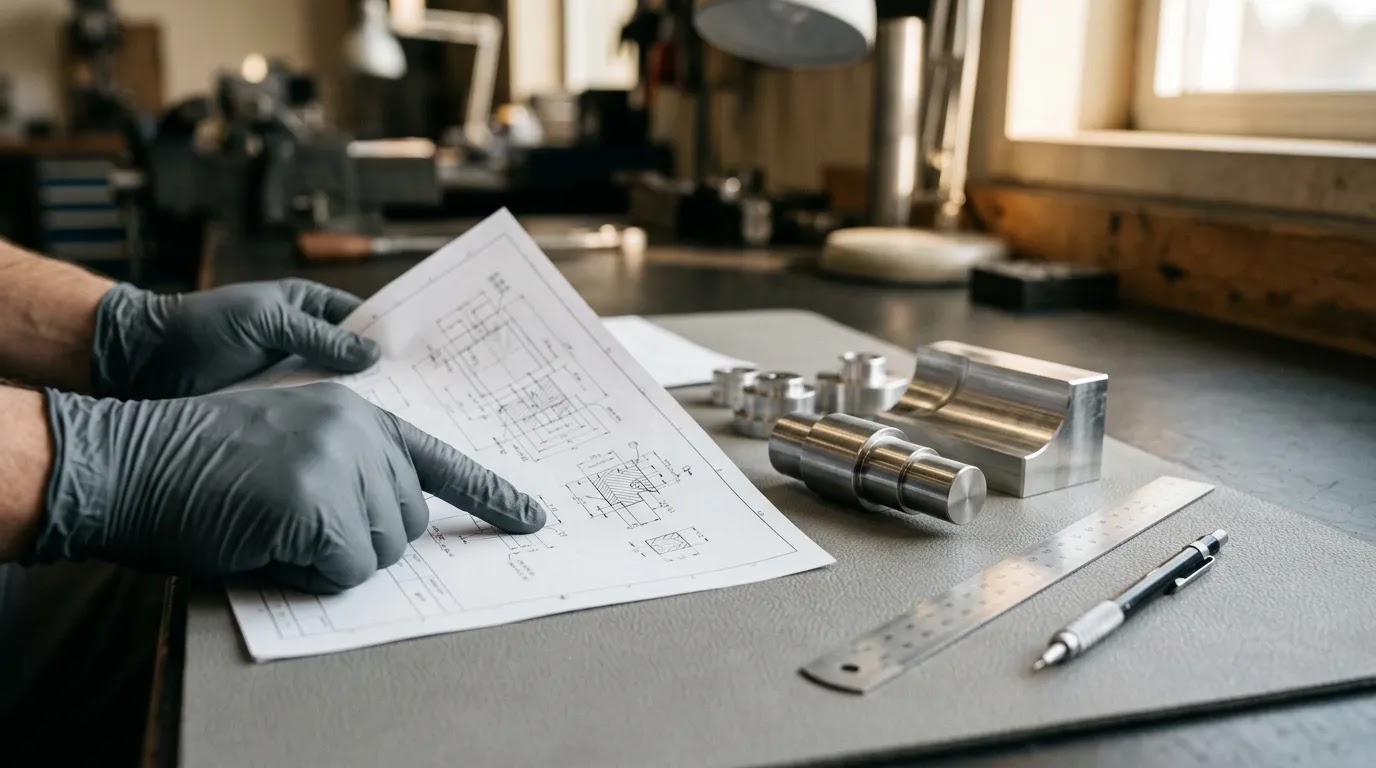
Maintain one approved SKU specification file for every sellable style. This file can include approved product photographs, dimensions, component details, threading or closure information, packaging requirements, labeling instructions, and a revision history. It should identify the final approved sample and give your purchasing, warehouse, and merchandising teams one shared reference point.
Ask suppliers how they identify production batches, approved samples, and product revisions during repeat orders. A clear version reference can reduce confusion if a design is updated, a packaging format changes, or several purchase orders are active at the same time. Your purchase order should reference the relevant SKU file version rather than relying on informal descriptions or earlier message threads.
Require written notice before a supplier changes a component, finish process, closure, packaging format, or other approved product detail. Availability or production constraints may require some changes, but do not treat them as interchangeable without your review. A documented approval process gives your business an opportunity to assess whether a proposed change affects compatibility, presentation, product copy, or reorder continuity.
Body Jewelry Wholesale Price Ranges and What You Get
There is no responsible universal dollar range for wholesale surgical steel body jewelry. Quotes may change substantially based on SKU complexity, component count, finish requirements, branding, packaging, order volume, sampling needs, inspection expectations, and shipping arrangements. A lower per-unit quote can also exclude development work, custom components, or other requirements that matter to your actual launch plan.
| Pricing approach | What the article identifies | Buyer consideration |
|---|---|---|
| Budget tier | Existing styles, limited modification options, and simpler purchasing decisions | Confirm specifications, component consistency, packaging, and restock availability |
| Mid-range tier | A selected set of styles with defined variations, stronger sample review, coordinated presentation, or limited private label customization | Clarify which features are custom and which remain catalog-based |
| Premium tier | More development work, detailed specifications, sample approvals, brand-specific presentation, and closer coordination | Assess whether final specifications support repeat production, merchandising, and market position |
Budget tier: stock-oriented wholesale sourcing
This tier commonly centers on existing styles, limited modification options, and simpler purchasing decisions. It may work for a buyer testing a category or filling a short-term assortment gap. Confirm the available specifications, component consistency, packaging, and restock availability before treating stock-oriented items as a long-term core line.
Mid-range tier: curated assortment with controlled changes
A mid-range approach may include a selected set of styles with defined variations, stronger sample review, coordinated presentation, or limited private label customization. This can suit brands that need differentiation without developing every component from the ground up. The key question is which features are truly custom and which remain catalog-based.
Premium tier: custom development and private label control
This tier generally involves more development work, detailed specifications, sample approvals, brand-specific presentation, and closer coordination before production. It may fit businesses building a proprietary collection or serving a specialized wholesale channel. The commercial value depends on how well the final specifications support repeat production, merchandising, and your intended market position.
Request a quote format that separates the elements influencing cost. That approach helps you compare supplier proposals on scope rather than treating a single number as the entire decision.
Planning Body Jewelry Wholesale Stock Availability and Reorders
Catalog-based styles may be available for repeat ordering, but availability can still depend on current stock, component supply, and the supplier’s active range. Custom designs usually require additional production planning because approved components, packaging, and specifications must be confirmed before a new run begins. Treat each core SKU as a continuing supply decision rather than assuming every style will remain available indefinitely.
Before making a design central to your assortment, ask about current stock status, component availability, reorder requirements, discontinued designs, and expected production planning. This is especially relevant for opening assortments that include starter packs, bulk quantities, coordinated displays, or packaging formats. A style that is easy to purchase once may not be equally simple to replenish under the same specifications.
Smaller test quantities can help a retailer, piercing studio, or private label brand evaluate which formats deserve deeper inventory positions. As sales and receiving data develop, stronger-performing designs may justify more deliberate reorder planning. Keep experimental styles separate from core replenishment SKUs so inventory decisions reflect actual demand, available capital, and the supplier’s ability to maintain the approved product configuration.
Body Jewelry Wholesale Business Advantages and Constraints
Potential advantages
- A focused body jewelry assortment can help a retailer or private label brand serve a distinct piercing and body-modification category.
- Written component specifications may make receiving inspections and reorder conversations more manageable.
- Sampling gives buyers an opportunity to assess fit, finish, dimensions, and assembly before full production quantities are released.
- A supplier relationship built around a clear brief can support a more consistent private label presentation than ad hoc catalog purchasing.
- Shared components across selected SKUs may simplify assortment planning, provided compatibility is documented and approved.
Constraints to plan for
- “Surgical steel” terminology may not be sufficient evidence for customer-facing safety or medical claims, especially across different markets.
- More complex styles can require more sample feedback, detailed drawings, and tighter production controls than standard jewelry items.
- Custom development may involve minimum order quantity discussions that do not suit a business seeking only a few units per style.
- Small differences in threading, dimensions, or finish can create meaningful problems in a body jewelry assortment.
- International fulfillment, customs requirements, and delivery planning may affect launch timing depending on the project and destination.
Body Jewelry Wholesale Receiving Inspection Checks
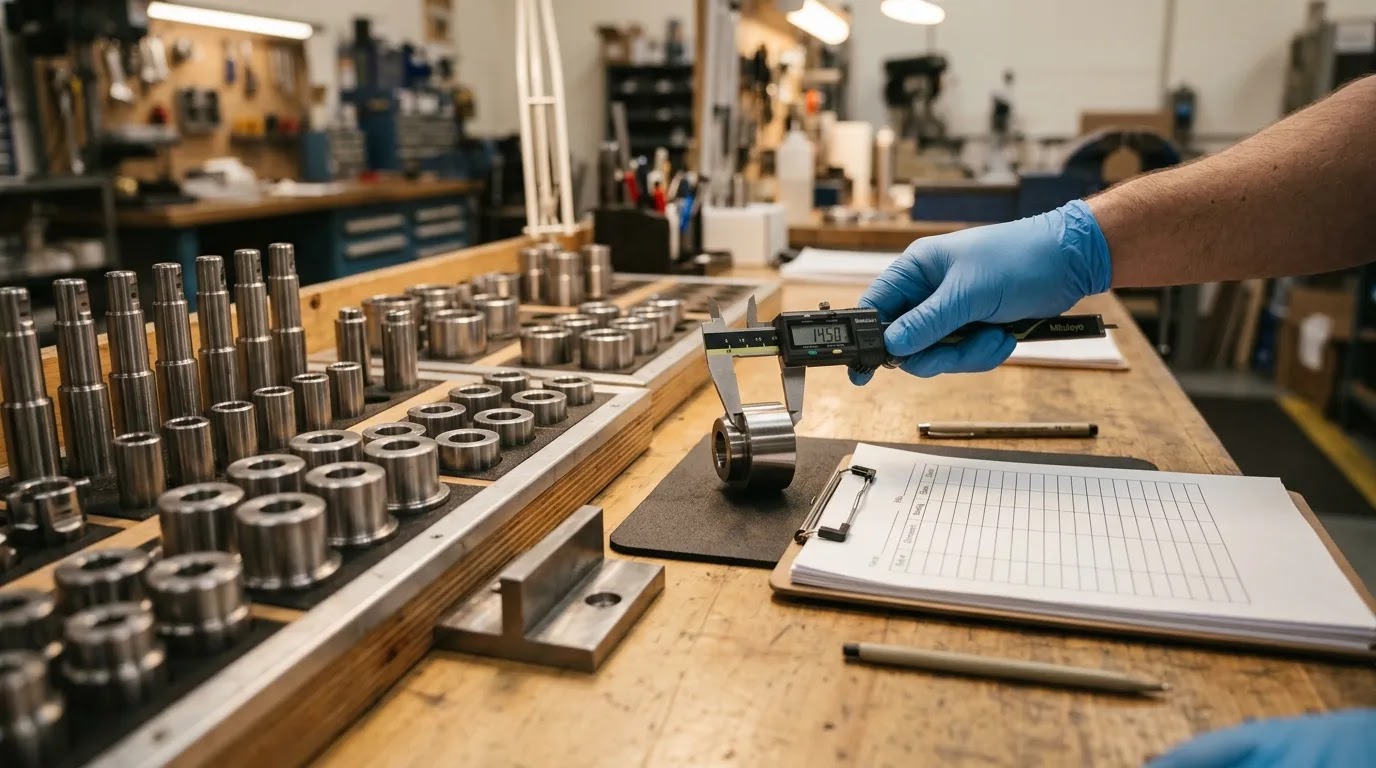
Before allocating delivered inventory to stores, wholesale customers, or fulfillment channels, inspect a defined portion of the order against the approved sample and SKU specification sheet. The inspection portion should be meaningful for the size and complexity of the delivery, with closer attention given to new designs, revised SKUs, and styles that use multiple compatible components.
Check assortment counts, compatible posts and ends, packaging accuracy, labels, visible finish consistency, and closure function. Your team should also confirm that each product is associated with the correct SKU and that the goods match the approved dimensions and presentation requirements. For retail displays or starter assortments, verify that the contents match the agreed assortment plan before materials are distributed across locations.
Document discrepancies before inventory is mixed into existing stock. Photographs, SKU references, batch information, quantity counts, and written descriptions create a clearer record for supplier communication and internal decision-making. Hold affected items separately while the team reviews the issue. This can help prevent fulfillment errors and preserve your ability to trace the concern to a specific delivery.
Common Body Jewelry Wholesale Buying Mistakes
- Using “surgical” as a marketing shortcut. Keep product wording aligned with documented specifications and applicable regulations rather than implying medical suitability.
- Approving images instead of samples. Photography cannot reliably confirm threading, closure function, dimensions, or component fit.
- Skipping a SKU-level specification sheet. Each sellable style needs a clear record of what was approved, not just a general product category label.
- Ordering too many untested designs. A smaller initial assortment may reveal which formats deserve a larger reorder commitment.
- Leaving packaging and labeling until after production. These details can affect receiving, retail presentation, and fulfillment workflows.
- Comparing quotes without comparing scope. Review sample requirements, customization, inspection expectations, and logistics assumptions alongside the unit figure.
Frequently Asked Questions

What should a wholesale buyer ask about 316L surgical steel body jewelry?
Ask which components the 316L designation covers, how the supplier records that specification, and whether the sample and production documentation use the same language. You should also confirm dimensions, closure method, threading, finish expectation, packaging, and inspection criteria. Avoid converting the material designation into health or medical marketing language unless your business has appropriate evidence and regulatory guidance for the markets where it sells.
Is surgical steel a good material for body jewelry?
Surgical steel may be a relevant material designation for a body jewelry assortment, but a wholesale buyer should assess the complete SKU rather than relying on the term alone. Confirm which components the designation covers, whether the supplier can document it, and how the finished product is assembled. Your business should also ensure that product claims and intended use are reviewed against the requirements that apply in your sales markets.
Where do professional piercers typically source body jewelry?
Professional piercers may source through specialist wholesale suppliers and manufacturers that can provide clear product specifications, consistent component information, and samples for evaluation. A studio or retailer should assess supplier communication, traceability, packaging, compatible components, reorder planning, and the documentation available for its intended product claims. The appropriate source depends on the business model, product range, and applicable market requirements.
Is buying wholesale body jewelry profitable for a retailer or private label brand?
Profitability depends on the business’s product selection, buying terms, pricing strategy, inventory turnover, fulfillment costs, returns, and the demand within its target channel. Wholesale buying can give a retailer or private label brand more control over assortment planning, but it also creates responsibility for sample approval, receiving checks, stock management, and customer-facing product information. Test quantities and documented reorder decisions can help a business evaluate the category before making deeper inventory commitments.
Can I buy wholesale body jewelry with no minimum order quantity?
Some stock-oriented suppliers may offer flexible quantities on selected catalog items, while custom development and private label projects commonly involve order requirement discussions. Minimum order quantities can vary by design complexity, component availability, packaging, customization scope, and production planning. Ask the supplier to explain the requirements for each SKU and distinguish between available stock styles and products that require a dedicated production run.
Can a private label brand begin with a small body jewelry assortment?
Yes, a focused launch can be commercially sensible if each SKU has a clear role. Start with designs that fit your target channel and can be evaluated carefully through samples. Your available options may depend on the supplier’s development process, order requirements, customization scope, and component availability. A clear initial assortment can also make feedback and future reorder decisions more useful than a broad, untested range.
How do I evaluate body jewelry quality before wholesale production?
Use a physical sample and a written approval checklist. Inspect visual finish, dimensions, closures, thread engagement where applicable, component alignment, and packaging. Document acceptable variation and capture any revisions in one approved specification file. A supplier should know which version is approved before production starts. This process does not eliminate all production variation, but it gives both parties a practical reference for communication and inspection.
Should I source stock designs or develop custom body jewelry?
Stock designs may be suitable for category testing, faster assortment building, or businesses with limited development resources. Custom development may be more appropriate if brand distinction, controlled presentation, or proprietary styling is central to your strategy. The better option depends on your budget structure, desired order volume, launch schedule, and ability to manage sampling. Ask suppliers to clarify what can be changed and what requires a new development process.
Why do threading details matter in wholesale body jewelry?
Threading affects assembly, interchangeable components, receiving checks, and the consistency of the customer experience. If a collection includes multiple posts, ends, or closures, unclear threading specifications can create fulfillment errors and incompatible inventory. Record the thread type and compatibility rules for every relevant SKU. Train your purchasing and warehouse teams to use the same terminology that appears in the supplier’s approved documentation.
What is the role of a manufacturer in a custom body jewelry project?
A manufacturer may help translate a design brief into production-ready specifications, coordinate sampling, confirm feasible construction details, and organize a production run once the design is approved. Royi Sal Jewelry works with B2B clients on custom jewelry design and manufacturing through a collaborative model. Brands should still provide clear product objectives, review samples carefully, and confirm all commercial details before committing to production.
Key Takeaways
- Buy body jewelry against written SKU specifications, not broad category descriptions or product images alone.
- Confirm material designation, component coverage, threading, dimensions, finishes, and packaging before sample approval.
- Use sampling to identify product and communication issues before they become wholesale inventory problems.
- Compare supplier quotes by development scope, customization, approval controls, and fulfillment assumptions, not only unit cost.
- Keep customer-facing claims proportionate to the documentation and regulatory guidance available to your business.
Body Jewelry Wholesale Buying Checklist
Before you buy, confirm:
- The exact material designation and the components it applies to.
- SKU-level dimensions, closure method, threading details, and compatibility rules.
- A physical sample that has been inspected and approved against written standards.
- Finish, packaging, labeling, and branding requirements for the final production run.
- Which features are stock-based and which require custom development.
- Minimum order quantity, sampling requirements, production planning, and fulfillment details directly with the supplier.
- That your product claims have been reviewed for the sales markets you intend to serve.
Conclusion
The best surgical steel body jewelry wholesale decision is rarely based on a catalog label or a low initial quote. It is based on whether the supplier can work from clear specifications, provide samples that can be meaningfully approved, and communicate openly as your requirements develop. For brands that need help translating a collection concept into a production-ready brief, Royi Sal Jewelry offers collaborative custom jewelry design and manufacturing support for B2B clients. Royi Gal’s experience as both a designer and manufacturer brings a practical perspective to development conversations. Visit royisal.com to discuss your body jewelry concept, private label requirements, or wholesale manufacturing inquiry with the team.