
Quality Standards In The World For The Jewelry Industry

What Quality Standards Mean in Jewelry
In B2B jewelry, quality standards are the benchmarks a business uses to judge whether a supplier or manufacturer can produce work that is consistent, commercially reliable, and aligned with the brand’s market position. A high quality jewelry line is not defined by appearance alone. It is also shaped by production accuracy, finishing consistency, defect prevention, packaging readiness, and the supplier’s ability to repeat the same standard over time.
Many businesses use the term quality jewelry loosely. In practice, good quality jewelry is usually judged through a combination of design execution, manufacturing precision, inspection routines, and communication discipline. A sample that looks strong in a first review may still become a problem if the supplier lacks repeatable production controls.
This is especially relevant for brands comparing sourcing regions, factory models, and business structures. A company exploring fine jewelry brands for market benchmarking may focus on style and positioning first, but long-term performance usually comes back to how well quality expectations are defined and managed. The same principle applies whether you are buying from stock, creating a private label line, or working through custom development with a manufacturing partner.
What “Industry Standards” Usually Refers To
A key distinction: when suppliers say their work meets “industry standards,” they could be referring to two different ideas. One is your internal brand standard, meaning the specific, documented expectations you set for design, finish, function, packaging readiness, and acceptable variation. The other is external benchmarks, meaning the conventions that exist in the trade and the wider market, including how quality is commonly described, verified, and communicated between parties.
From a production standpoint, external benchmarks often come from a mix of trade organizations, assay or hallmarking authorities where applicable, laboratory grading practices for stones, and broader quality management conventions used in manufacturing. These reference bodies can influence how terms are used, how documentation is formatted, and what kinds of verification may be expected in certain channels. For a B2B buyer, that matters because it shapes what “normal” looks like in the supplier’s workflow, and what your wholesale accounts or end customers may later ask you to substantiate.
Worth noting: external benchmarks can be useful for aligning expectations, but they do not replace factory process control. A lab report or a generic “industry standard” claim does not automatically tell you whether your supplier can repeat your approved sample across a full run, or whether the same result will hold on the next reorder. Repeatability is a manufacturing discipline issue, not a marketing phrase.
In practice, when a supplier claims “industry standard” quality, your best move is to bring it back to measurable, project-specific proof. Ask what the claim is based on, what documentation they can provide for your order when relevant, and how they ensure the same standard is repeated across batches. If testing reports, third-party verification, or specific compliance documentation applies to your product category and sales channel, clarify who provides it, at what stage, and how it ties back to your approved specs and sampling signoff.
The Main Areas That Define Jewelry Quality
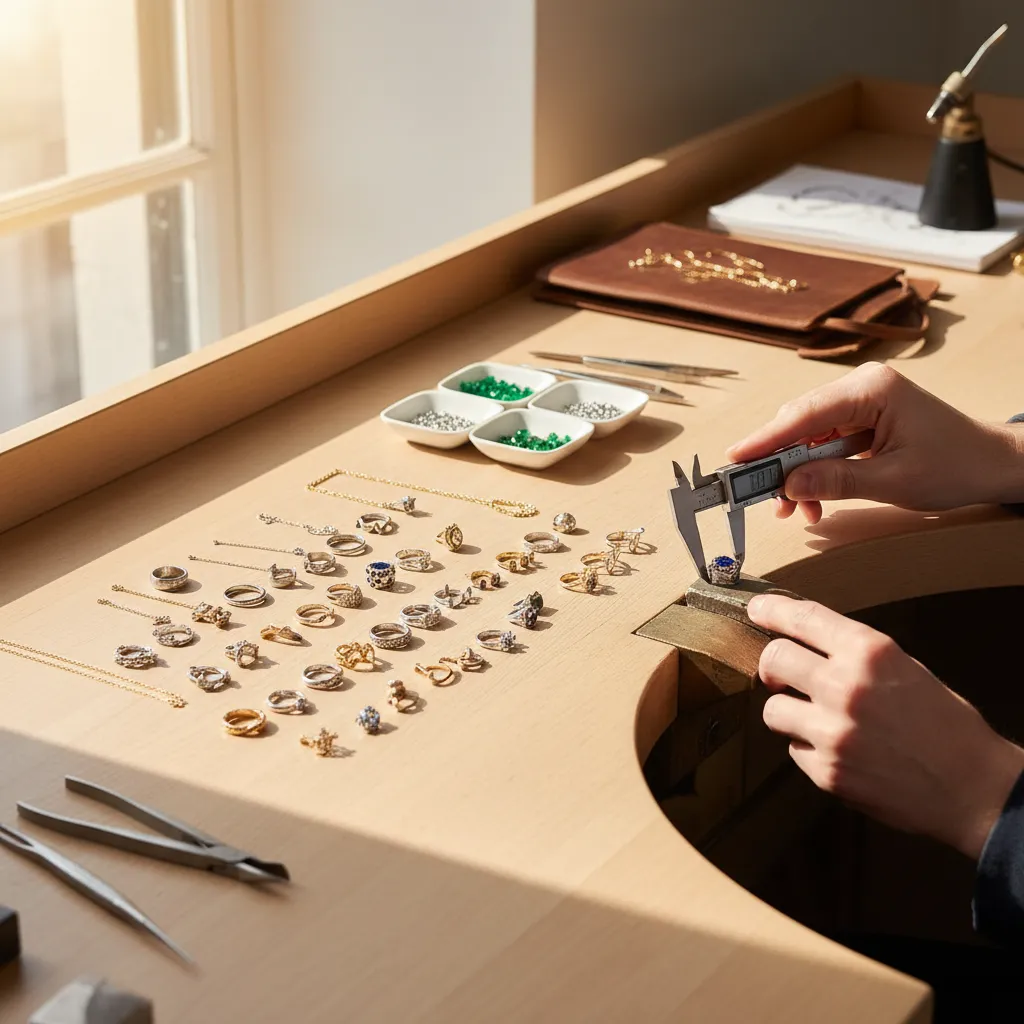
Quality standards in the world for the jewelry industry are rarely limited to one checklist. Most serious B2B buyers evaluate several layers at once.
1. Design accuracy
The finished piece should reflect the approved brief, sample, or development file as closely as reasonably possible. This includes proportions, symmetry, visual balance, closure function, and collection consistency. If a manufacturer also supports custom design and collaborative consultation, that may improve alignment early in development because fewer assumptions are left unresolved before production begins.
2. Manufacturing consistency
A supplier may produce one strong sample and still struggle at production scale. Reliable quality jewelry requires consistency across multiple units, reorder batches, and timeline pressure. This is why experienced buyers look at process discipline, not just first impressions.
3. Surface finishing and final presentation
Visible finishing quality matters because it directly affects sell-through, return risk, and brand perception. Surface issues, rough edges, inconsistent color appearance, or closure problems can quickly undermine a collection that looked strong in concept. If your product mix includes categories where finish quality is critical, reviewing related production topics such as gold plated jewelry manufacturing may help clarify how process choices influence final presentation.
4. Inspection and defect handling
Strong quality standards require actual control points. That usually includes sample review, pre-production confirmation, in-process checks, final inspection, and a clear approach to handling deviations. Businesses comparing partners often benefit from reviewing how jewelry quality control works in practical factory terms rather than treating it as a vague promise.
5. Communication quality
Many jewelry quality issues begin as briefing problems. If revisions are not documented, approvals are unclear, or the supplier responds inconsistently, quality may suffer even if craftsmanship is strong. Communication is part of quality management because it affects how design intent becomes production reality.
Quality Control (QC) in Jewelry: How It Works Across Production Stages
Quality control in jewelry is the set of checks used to confirm that what is being produced matches what was approved. For a wholesale or private label buyer, QC is not one inspection at the end. It is a sequence of checkpoints that help catch problems early, keep production aligned to the approved sample, and reduce surprises at delivery.
Most functional QC systems follow a familiar pattern across manufacturing, even if each supplier uses different terminology. It typically starts with pre-production confirmation, where the supplier and brand align on the approved version, key dimensions, finish targets, and any known risk areas. It continues with in-process checks, where the factory verifies repeatability while work is underway, not after everything is finished. It ends with final inspection, where pieces are reviewed against agreed criteria before packing and shipment. The last part that many brand owners miss is nonconformity handling, meaning what happens when something falls outside the agreed standard. Do items get reworked, replaced, separated, or documented for decision-making? The answer affects your timeline, your costs, and your ability to manage customer expectations.
Regarding QA versus QC, the difference is operational. QC is the act of checking product outputs. QA, or quality assurance, is the system that makes those outputs more predictable. QA includes how specs are documented, how revisions are controlled, how approvals are recorded, and how production teams are trained to follow the same standard repeatedly. If you are planning reorders or scaling a collection, QA is often what protects you from the slow drift that happens when small changes go untracked across batches.
To make quality measurable, you need documentation, not just opinions. In many B2B projects, that includes a clear approval record for samples, a revision log when changes are made, and inspection criteria that define what is acceptable for your brand and channel. Some buyers also define acceptable defect thresholds at a high level so decisions are faster if issues appear. The goal is not to overcomplicate the project. It is to make sure that “good quality jewelry” means the same thing to you and to the manufacturer, in writing, before volume production begins.
Why Quality Standards Matter for B2B Buyers
For a retailer, boutique, or growing brand, quality standards are a margin protection issue as much as a product issue. Weak standards may lead to returns, remake requests, delayed launches, inconsistent reorders, and customer service pressure. Those costs often exceed whatever was saved by choosing a lower-cost or less structured supplier.
Quality also affects brand positioning. A business trying to present jewelry of quality needs more than attractive product photography. It needs dependable production outcomes that support trust across wholesale accounts, direct sales channels, and repeat business. This is especially relevant for newer brands still learning where to get good quality jewelry for their line without overcommitting to the wrong partner.
Sourcing geography can also shape expectations. Buyers weighing overseas options often look closely at communication, manufacturing discipline, and repeatability. For example, businesses researching thailand jewelry quality are often trying to understand how regional sourcing reputation translates into actual production standards, sample reliability, and business risk.
The same applies when comparing domestic and international suppliers. A company evaluating a jewelry manufacturer usa option against an overseas partner should compare process transparency, responsiveness, quality checks, and scalability, not just location alone.
How to Evaluate a Manufacturer or Supplier
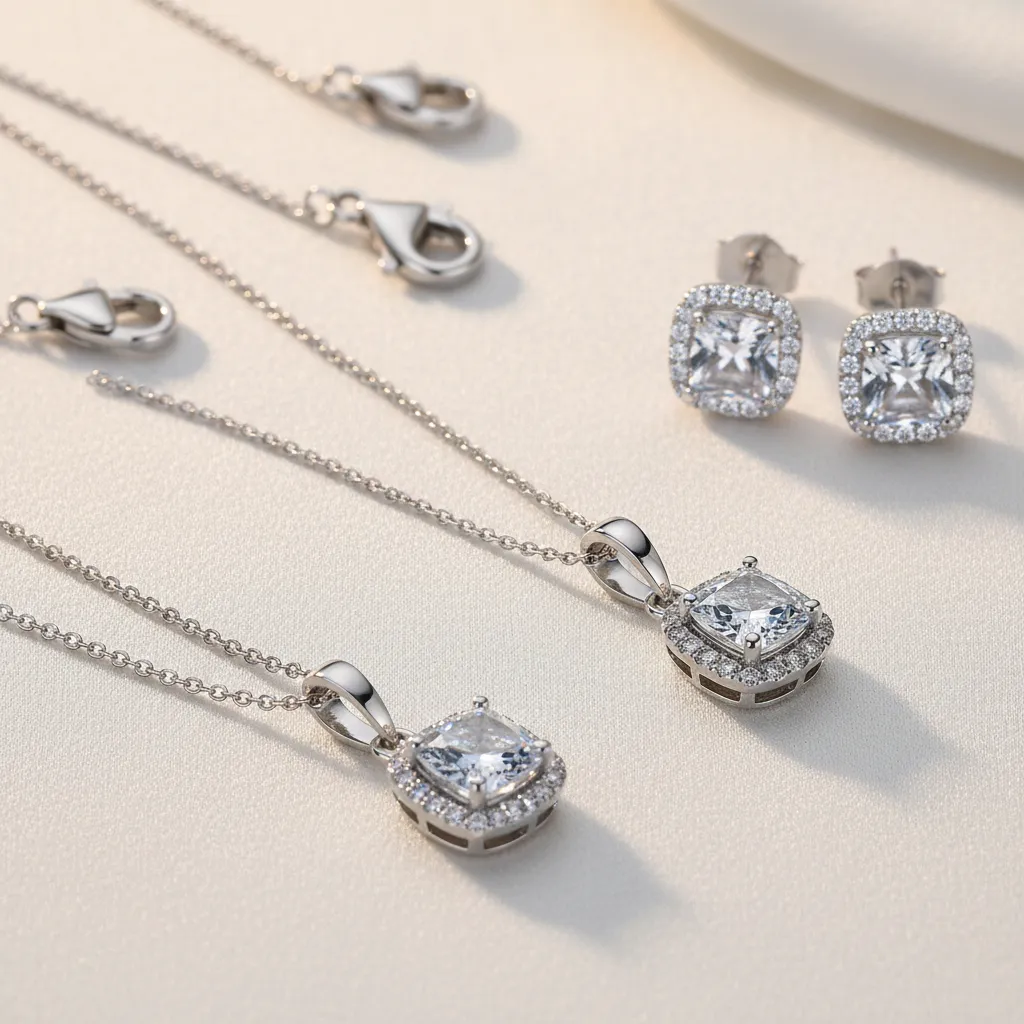
If you are trying to assess quality jewelry brands, private label partners, or custom manufacturers, use a criteria-based approach instead of relying on claims alone.
Review sample discipline
Ask how the business handles concept review, sample approvals, revisions, and production signoff. A structured sampling stage often reduces later disputes and could improve consistency once manufacturing begins.
Check repeatability, not only appearance
One attractive prototype does not confirm a reliable production system. Ask how the supplier manages repeat orders, design updates, and consistency across batches. Good quality jewelry for B2B requires repeatable standards, not just occasional strong outputs.
Assess communication workflow
Look at response quality, not just response speed. Are briefs acknowledged clearly? Are revisions documented? Are expectations realistic? Trustworthy suppliers usually communicate constraints early instead of overpromising.
Look for alignment between design and production
Businesses that offer custom jewelry design and manufacturing under one collaborative model may reduce handoff errors. Royi Sal Jewelry positions its work around custom jewelry design and development, collaborative design consultation, wholesale and private label manufacturing, and global shipping and fulfillment. For brands that need a partner rather than a simple order processor, that integrated model may be useful during product development.
Evaluate scaling readiness
A supplier that works for a first capsule launch may not always fit a larger reorder cycle. Review how the company handles ongoing production planning, fulfillment expectations, and international business communication. If you are researching broader sourcing and growth topics, Royi Sal Jewelry’s Jewelry Business resources and Jewelry Manufacturing content can help frame the decision more strategically.
Common Sourcing Mistakes That Break Quality Standards
A pattern that experienced buyers recognize is that quality problems are not always caused by poor craftsmanship. A skilled manufacturer can still deliver inconsistent outcomes if the project is managed with vague inputs, shifting targets, or unclear approvals. Most disputes that show up as “quality issues” are really process issues that started earlier.
One common mistake is an unclear brief. If dimensions, finish expectations, functional requirements, or packaging readiness are implied rather than documented, the supplier has to make assumptions. Those assumptions may look fine in one prototype, then shift in bulk production or across a reorder because different teams interpret the intent differently.
Another predictable failure point is skipping controlled sampling rounds. Brands sometimes approve a first version because it looks close enough, or they rush to production to meet a launch date. That can work, but it can also lock in problems that only show up when multiple units are produced, packed, and handled at scale. Sampling is where you reduce ambiguity, confirm repeatable methods, and create a reference point everyone can follow.
Changing specs midstream without re-approval is another way quality standards break down. If you update details during production conversations but do not reset the approval record, you can end up with two different “approved” versions, one in email and one in the factory’s working file. That is how inconsistent batches happen, and it is also how rework costs appear unexpectedly.
Judging a partner based on one prototype is also risky. A single sample can be the result of extra attention, a different workflow, or a one-off interpretation. The better approach is to evaluate whether the manufacturer has a repeatable system: documented specs, revision control, defined checkpoints, and a clear process for addressing deviations. If you want a simple prevention method that does not slow your project unnecessarily, focus on process first: provide a clear brief, run sampling with documented changes, approve a final production version in writing, and treat that approved version as the standard for inspection and reorders.
A Practical B2B Manufacturing Perspective
Royi Sal Jewelry is positioned as a professional custom jewelry design and manufacturing company serving wholesale and private label clients. The business is led by Royi Gal, whose background combines jewelry design and manufacturing. That dual perspective matters because quality standards are often shaped long before final inspection. Design decisions, technical development, revision management, and production communication all affect the final result.
The company’s stated model centers on collaboration, craftsmanship, and global B2B support. For a brand owner, that may be valuable if your main concern is not only finding quality jewelry, but building a manufacturing relationship that can support development, production, and fulfillment with a more consultative approach.
Businesses at the evaluation stage may want to explore how Royi Sal Jewelry approaches custom design and manufacturing before moving into a project conversation. The company is best understood as a resource for brands that need an experienced partner to translate ideas into production-ready jewelry while managing the realities of sampling, revisions, and scalable wholesale supply.
Strengths and Considerations
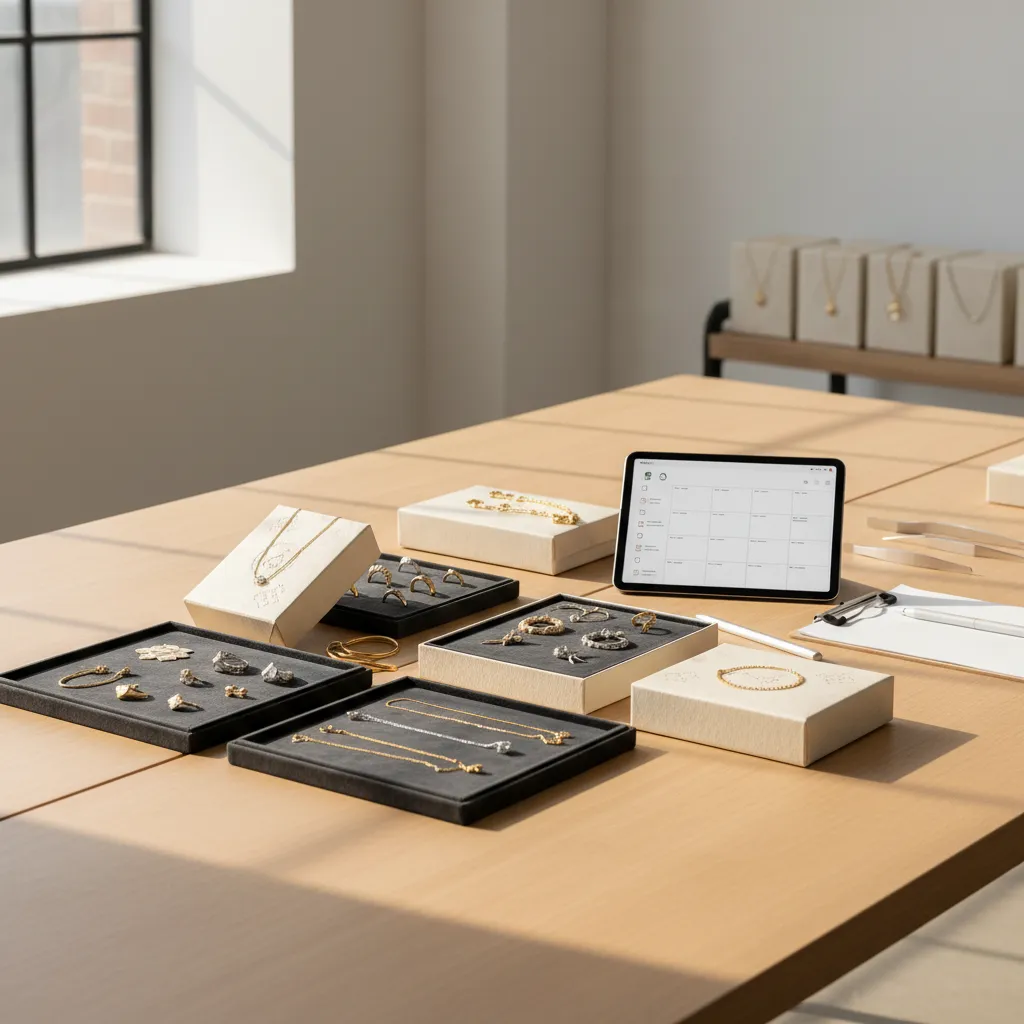
Strengths
- Clear quality standards can help reduce costly misunderstandings between brand owners and manufacturing partners.
- A process-based quality review usually gives better sourcing outcomes than judging suppliers by appearance alone.
- Integrated design and manufacturing support may improve alignment between concept, sample, and final production.
- Strong communication practices often support better consistency across revisions, approvals, and reorders.
- Quality control checkpoints can help identify issues earlier, before they affect a full production run.
- Businesses that evaluate standards carefully are often better positioned to scale without damaging brand trust.
Considerations
- Quality standards are not universal. What counts as acceptable may vary by price point, brand positioning, and project complexity.
- Custom development usually requires time for sampling, feedback, and revision rounds before production quality is fully established.
- A supplier may communicate quality well in sales conversations but still need verification through samples and documented approvals.
- Overseas manufacturing can work well, but it may require more disciplined communication and review procedures.
Frequently Asked Questions
What does “quality standards” usually mean in the jewelry industry?
It usually refers to the methods used to evaluate whether jewelry is made consistently and according to agreed expectations. For B2B buyers, that often includes design accuracy, surface finishing, construction reliability, inspection routines, and the supplier’s ability to repeat the same result across production runs and reorders.
How can a brand tell if a supplier offers good quality jewelry?
A strong evaluation usually includes sample review, communication testing, documented revisions, and questions about quality control procedures. You are not only checking if one sample looks good. You are checking whether the supplier can maintain that level across volume, timelines, and future collections.
Are high quality jewelry standards the same in every market?
No. Standards often vary by brand positioning, target customer, product type, and channel strategy. A boutique private label collection and a larger wholesale program may have different tolerances, packaging needs, and production expectations. The useful approach is to define your business standard clearly before requesting samples or quotes.
Why is communication part of jewelry quality?
Many quality issues begin before production starts. If your brief is incomplete, changes are not recorded, or approvals are unclear, the final result may drift from your expectations. Good communication helps protect quality because it keeps the design intent, revision history, and production requirements aligned.
Does a strong sample guarantee strong bulk production?
No. A sample is helpful, but it does not guarantee full production consistency. Bulk manufacturing may introduce challenges related to repeatability, scheduling, and process control. That is why experienced buyers review production systems, inspection steps, and batch consistency rather than relying on a prototype alone.
How do private label brands usually manage jewelry quality?
They usually set quality expectations early, review samples carefully, document revisions, confirm production approvals, and maintain regular communication with the manufacturer. Many also create internal standards for acceptable finish, function, packaging readiness, and reorder consistency so the supplier has a clearer operating target.
Is overseas sourcing always riskier for quality?
Not always, but it may require more structured oversight. The main issue is usually not geography by itself. It is whether the supplier has clear processes, reliable communication, and documented quality checks. Brands that manage overseas sourcing well often invest more effort in briefing, sampling, and approval discipline.
What should a business ask before choosing a jewelry manufacturer?
Ask about the design development process, sample revisions, production approvals, quality control checkpoints, communication workflow, and fulfillment capabilities. You should also ask how the manufacturer handles issues, reorders, and project complexity. Those answers often reveal more than broad claims about quality or experience.
Why does founder expertise matter in a manufacturing partnership?
Leadership with both design and manufacturing experience may improve decision-making across development and production. A founder who understands both sides can often identify where quality problems begin, whether in concept, technical planning, revisions, or execution. That perspective can be valuable in custom and private label work.
What is QC in jewelry?
QC, or quality control, is the set of inspection checkpoints used to confirm that jewelry produced in sampling and bulk matches what was approved. In B2B terms, QC is how you reduce variation and prevent avoidable defects by checking work at key stages, not only at the end.
What are industry standards and benchmarks for quality?
They are the external reference points that influence how quality is described and verified in the trade, such as common documentation practices, testing expectations in certain channels, and broader manufacturing quality conventions. For most brands, these benchmarks are most useful as a reference for setting clear internal specs, not as a substitute for a supplier’s ability to repeat your approved standard.
Why is quality control important in the jewelry industry?
Because jewelry is typically produced in batches that must match an approved sample, and small inconsistencies can create real commercial problems in fulfillment and reorders. QC helps catch issues earlier, reduces disputes over what was approved, and supports more consistent outcomes as you scale.
What country has the best quality jewelry?
There is no single answer because quality depends on the individual manufacturer, the product category, and the process used to manage sampling, approvals, and production controls. A more reliable way to evaluate quality is to review a supplier’s repeatability, documentation discipline, QC checkpoints, and communication practices, then confirm everything through samples and clearly recorded approvals.
Key Takeaways
- Quality standards in jewelry should be evaluated as a system, not a visual impression.
- Reliable B2B quality usually depends on design clarity, production consistency, inspection discipline, and communication.
- Sampling is essential, but it should be paired with questions about repeatability and process control.
- Overseas and domestic sourcing options should be compared using operational criteria, not location alone.
- A collaborative manufacturing partner may help reduce quality risk during custom development and scale-up.
Conclusion
For jewelry businesses, quality standards are not just technical checkpoints. They are part of how you protect margins, support brand credibility, and build a product line that can be reordered with confidence. The strongest sourcing decisions usually come from looking beyond surface appearance and reviewing how a supplier manages design development, communication, production consistency, and quality control. Royi Sal Jewelry offers a collaborative custom design and manufacturing model shaped by Royi Gal’s experience as both a designer and manufacturer. If you are evaluating manufacturing options for a private label or wholesale jewelry project, visit royisal.com to learn more about the process or contact the team to discuss your business requirements.