Crafting crown jewels guide bespoke jewelry design manufacturing brands through the process of turning a distinctive, high-value jewelry concept into a production-ready collection. The process relies on clear creative direction, technical development, approval, and managed manufacturing. For jewelry brands, this work reaches beyond ceremonial pieces. It creates signature designs that express a brand identity while remaining practical to sample, produce, review, and reorder.
A crown-jewel approach asks a brand to identify the few designs that deserve the greatest development attention. These may become hero products, wholesale collection anchors, or recognizable private label styles. The objective is not visual complexity for its own sake. It is to create a clear design language that a manufacturing partner can understand and reproduce consistently.
What Crafting Crown Jewels Means for Brands
In a B2B setting, a crown jewel is a strategically important design rather than simply an expensive-looking item. It may be the visual center of a launch, the design that defines a new private label, or a recognizable style that supports repeat wholesale ordering. Bespoke jewelry design shapes that concept around the brand’s intended customer, collection position, technical requirements, and production plan.
The term is useful because it shifts attention away from building a large number of loosely connected products. A smaller group of thoroughly developed designs can give jewelry brands a clearer story, more consistent visual direction, and a more disciplined manufacturing conversation.
Brands that need broader support during early development can review custom jewelry design services before defining the scope of a collection.
Crafting Crown Jewels: Anatomy of a Brief
A bespoke project starts with a brief that translates ambition into decisions a design and manufacturing team can act on. Reference images can be useful, but they should not replace written direction. The stronger the brief, the easier it is to identify where interpretation is acceptable and where the brand requires exact control.
Brand role and collection purpose
Describe why the design exists. Will it introduce a new brand, become a recurring signature style, support a seasonal wholesale range, or test a new direction? This context helps determine how much distinctiveness, revision time, and development attention the project may require.
Design hierarchy
Identify the visual elements that must remain central. This may include silhouette, proportion, motif, surface treatment, movement, or the relationship between components. A manufacturer cannot prioritize every detail equally unless the brand explains which features carry the design identity.
Commercial boundaries
State the anticipated order plan, target launch window, sales channel, and whether the brand expects a one-time project or a repeatable production style. Discuss exact pricing and minimum order quantities directly because project scope and design complexity determine them.
Crafting Crown Jewels for Manufacturing
The development route for a signature jewelry design commonly moves through several connected decisions. The sequence may vary, but skipping clarity at an early stage often creates more revision work later.
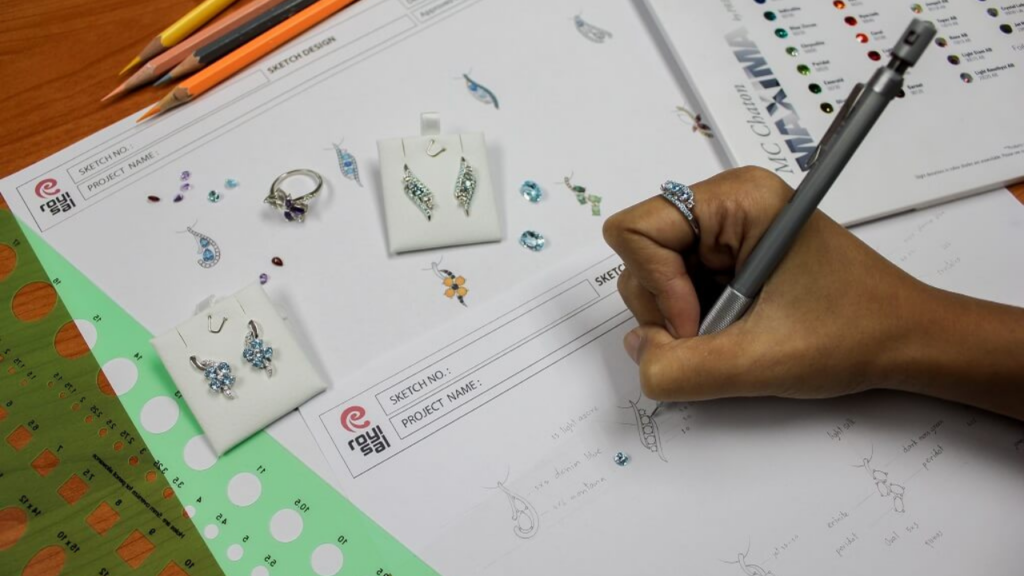
1. Translate the idea into a usable project brief
Bring together sketches, reference images, brand guidelines, intended collection positioning, and any dimensions or functional expectations already known. References should communicate direction. They should not create uncertainty about which parts are essential to the final design.
2. Develop the design for review
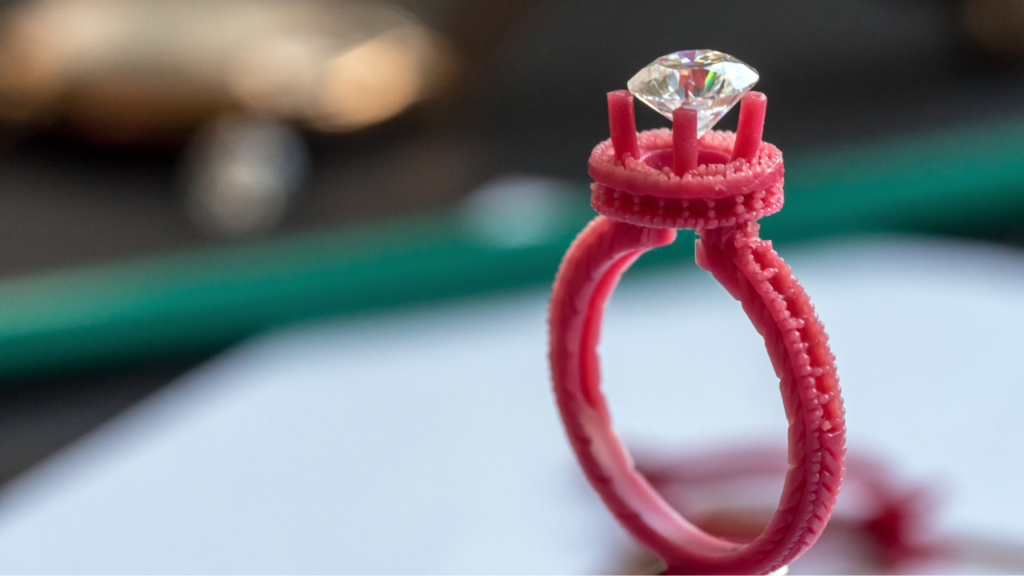
Founders often need more than a flat sketch to sign off on a piece with confidence. This is where digital design proves its worth. By working through a 3D jewelry design process, brands can study proportion, form, and individual components with greater precision. That gives them a clearer basis for approving design intent before moving forward.
3. Review the production implications
A strong review considers appearance, repeatability, assembly needs, finishing expectations, and future orders. Confirm technical choices with the manufacturer instead of assuming them from visual references alone.
4. Approve development before a larger order
Base approval on a clearly identified version of the design and a shared understanding of what will move into production. This is particularly important for brands whose signature designs are expected to support wholesale fulfillment or repeat production.
Design software can support communication, but software alone does not decide whether a concept fits a brand or production plan. Brands evaluating files and visualization workflows may find the overview of 3d jewelry design software helpful. They can also explore CAD technology for faster jewelry prototyping before discussing deliverables with a manufacturing partner.
Sampling, Revision Control, and Production Approval

Digital design review, prototype review, and final production approval are related but distinct stages. A digital review helps confirm the intended form, proportion, and component relationships before physical development. A prototype or sample review lets the brand assess how the approved concept translates into an actual piece. Final production approval confirms the specific version, notes, and reference standard that the manufacturer should follow for a broader run.
Record each approval in a way that supports future communication. Brands can maintain a version record that identifies the approved design file, sample date, measurements, visual priorities, revision requests, and production notes. If a detail changes during development, document what changed, why it changed, and whether the new version replaces an earlier instruction. This creates a more reliable reference for repeat orders and for team members who were not involved in the original review.
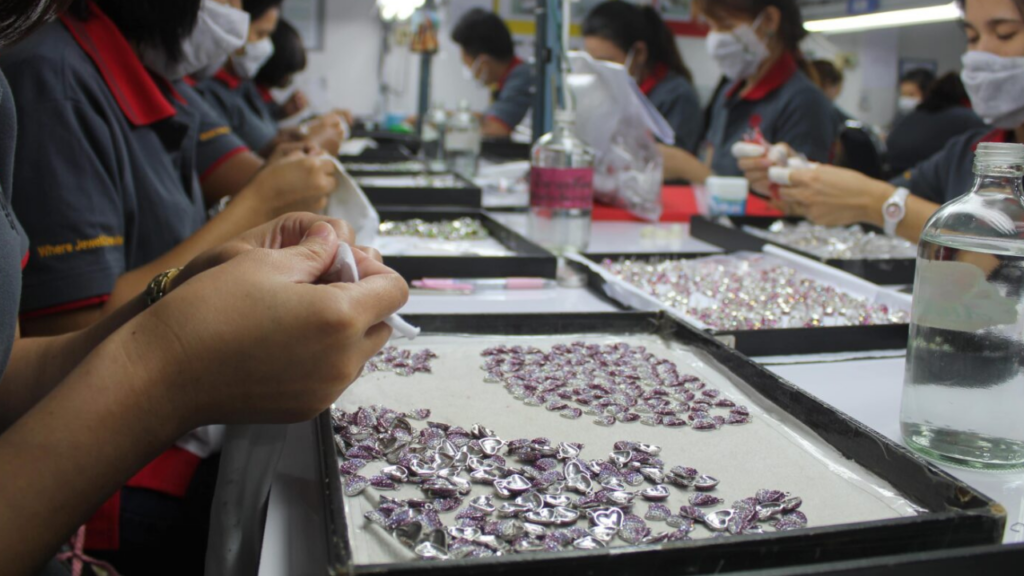
Before approving production, ask how the team will check consistency across the run, which assembly details require attention, and how it will communicate finishing expectations. Also clarify whether the manufacturer will retain the approved sample as a production reference. It is useful to establish who can approve a change if an issue arises during manufacturing. Clear decisions at this stage may reduce uncertainty between a sample that looks right and a production run that must meet the same agreed direction.
Why Crafting Crown Jewels Matters Commercially
High-end jewelry brands and growing private label businesses often need a recognizable core before expanding their assortment. A crown-jewel design can establish visual continuity across sales materials, wholesale presentations, and future collection development. It can also provide a practical reference point for judging whether later designs belong to the same brand world.
This does not mean every brand needs a large or elaborate first collection. A focused hero design may be more commercially useful than numerous styles that lack a shared point of view. The most effective project plan aligns the creative goal with realistic design development, approvals, and order planning.
For brands exploring designs associated with a specific gemstone category, custom moissanite jewelry is a separate development topic that should be discussed in relation to the intended collection and manufacturing requirements.
Bespoke Development vs. Assortment Buying
Bespoke development and ready-made assortment buying serve different business purposes. Neither approach is automatically right for every jewelry business.
- Bespoke development prioritizes brand distinction, design control, and a collection created around specific requirements.
- Assortment buying may suit businesses that need to build an initial range around existing product options rather than original design development.
- Private label manufacturing can involve different degrees of customization, depending on the project and the manufacturer’s process.
- Wholesale planning requires attention to repeatability, order requirements, fulfillment expectations, and how a collection will be presented to trade buyers.
The practical choice depends on the brand’s stage, available creative direction, sales strategy, and willingness to participate in a structured approval process. A bespoke route is most valuable when the brand wants a design that carries meaning beyond a short-term addition to an assortment.
| Development route | Starting point | Primary focus |
|---|---|---|
| Bespoke development | Specific brand requirements | Brand distinction and design control |
| OEM-style project | A design supplied or directed by the client | Manufacturing a client-directed design |
| ODM-style project | Manufacturer-led design options | Selecting, adapting, or developing options further |
| Ready-made assortment buying | Existing product options | Product selection and lower design-development involvement |
OEM, ODM, and Bespoke Development for Jewelry Brands

Brands may encounter several development routes while sourcing jewelry. A bespoke project develops around the brand’s own concept and requirements, with the brand participating closely in design direction and approval. An OEM-style project generally begins with a design supplied or directed by the client for manufacturing. An ODM-style project may begin with manufacturer-led design options that the brand can select, adapt, or develop further. Ready-made assortment buying starts with existing product options and usually requires the least design development involvement.
These routes differ in the level of design control, development participation, and exclusivity expectations a brand may have. A bespoke or OEM-style project commonly requires clearer design files, written priorities, approval records, and discussion of ownership expectations. An ODM-style project may require the brand to clarify which elements it can adapt and what degree of distinction is realistic. Assortment buying may place more emphasis on product selection, ordering requirements, and how the existing options fit the intended collection.
Founders should assess their available design resources, launch strategy, and longer-term collection goals before choosing a route. A brand with a defined identity and detailed concept may need greater involvement in bespoke development. A business testing a category or building an early range may prefer a manufacturer-led option or ready-made assortment. The right choice matches the level of control the brand needs with the documentation and development work it can support.
Where Brands Encounter Crafting Crown Jewels
Crafting crown-jewel designs commonly appears at several points in a jewelry business lifecycle. New founders may use it to define the first recognizable collection. Established boutiques may use it to develop an exclusive line that differentiates their business. Fashion brands may use it to translate an existing visual identity into jewelry that fits their wider product offering.
It can also matter when a brand is preparing for wholesale. Trade buyers often need to understand what makes a collection coherent, not merely what each individual item looks like. A well-developed signature design can make the broader assortment easier to merchandise and communicate.
Choosing a Manufacturing Partner for Bespoke Work
Evaluate a manufacturer on communication quality as well as design capability. Ask how the team receives project briefs, manages design development, supports revisions, and handles the move from approved concept to production planning. Clear answers are more useful than broad promises.
At the helm of Royi Sal Jewelry is Royi Gal, a designer and manufacturer whose work spans the full lifecycle of a piece. Businesses partner with the company for custom design, production, hands-on consultation, and wholesale or private label development. Fulfillment and shipping services reach clients worldwide. This collaborative approach is built for companies seeking a partner willing to engage closely on both the artistic vision and the manufacturing execution behind a custom jewelry project.
Before contacting any manufacturer, prepare a concise brand overview, design references, intended sales channel, expected order needs, and the decisions your team has already made. This gives the consultation a useful starting point and makes it easier to identify project questions early.
Protecting Design Intent During Manufacturer Evaluation

Manufacturer evaluation should include evidence of relevant past work and a clear explanation of the development communication process. Ask how the team reviews a brief, how often it shares updates, how it records revision requests, and who can approve changes once a project advances. A manufacturer may have strong technical capability, but the project also depends on whether the approval process gives the brand enough visibility over important decisions.
Before sharing detailed concepts, discuss design confidentiality, ownership expectations, file handling, and the documentation the team will retain during development. Brands considering intellectual property questions can also review the USPTO patent basics. The purpose is not to create unnecessary barriers to collaboration. It is to establish a shared understanding of how the team will use design information, who receives it, and which approved version serves as the reference for manufacturing.
Assess capacity, communication routines, revision procedures, and repeat-order documentation together. A manufacturer’s ability to make a sample is only one part of the decision. Brands also need to understand how the team carries information from design review to production, escalates questions, and uses the approved project record to support later orders. This is especially relevant for signature styles that may remain in a collection beyond the first launch.
Frequently Asked Questions
Does a bespoke jewelry project require finished sketches?
No. Finished sketches can help, but a business can begin with reference images, a concept statement, existing brand materials, and a description of the intended collection. The key is to distinguish inspiration from non-negotiable design requirements. A consultation can help organize early ideas into a clearer brief for design development and manufacturing review.
What should a brand prepare before requesting a consultation?
Prepare a summary of your business, the collection’s intended role, visual references, expected sales channel, and any planned launch considerations. It is also useful to state whether the project is intended for private label, wholesale, or a limited initial range. Share expected order needs honestly, while recognizing that minimum quantities may depend on the design and project scope.
Can a signature design be used in future production runs?
That is usually a planning question to discuss before production begins. A brand should explain whether the design is intended as a continuing collection style, a limited launch, or a wholesale item that may require reordering. Repeat production expectations can affect how a project is documented, reviewed, and prepared during development.
How does 3D design support bespoke jewelry development?
3D design can give a brand and manufacturer a more precise way to review proportion, structure, and component relationships before a project advances. It can reduce ambiguity in a brief, but it does not replace careful approval. Brands should still confirm which design details, revision decisions, and production expectations are included in the agreed development process.
Are global shipping and fulfillment part of the discussion?
Clients sourcing jewelry from abroad benefit from considering shipping and fulfillment alongside the manufacturing process itself. Royi Sal Jewelry lists these capabilities among its offerings. Because specifics vary by project, details such as documentation requirements, delivery timelines, and destination-based regulations warrant direct confirmation before work begins. International clients are encouraged to raise these matters at the outset. This allows production and logistics to be planned in tandem rather than addressed only once manufacturing is complete.
How do brands avoid overcomplicating a hero design?
Start by identifying the one or two elements that make the design recognizable, then judge every additional detail against that purpose. A hero piece needs a strong point of view, but it also needs a clear route through development and production. A manufacturer can provide valuable input once the brand has explained what must be preserved in the concept.
Key Takeaways
- Crafting crown jewels is a strategic design-development approach for brands creating signature jewelry styles.
- A detailed brief gives a manufacturer clearer direction on design priorities, business purpose, and approval needs.
- Bespoke development requires both creative decisions and production planning, not visual references alone.
- Hero designs can strengthen collection identity for private label, wholesale, and brand-building initiatives.
- Direct discussion of project scope, development steps, production expectations, and fulfillment helps reduce avoidable uncertainty.
Conclusion
For jewelry brands, crafting a crown-jewel design is an exercise in focus. The strongest outcomes begin with a clear idea of what the design must communicate, how it supports the collection, and what the business needs it to accomplish after launch. Bespoke jewelry development is not simply a request for an original style. It is a collaborative process that connects brand identity, technical review, approval, and manufacturing preparation.
When a company is ready to translate research into a concrete project, Royi Sal Jewelry offers direct access through royisal.com, where the team welcomes details on collection objectives, private label needs, and wholesale specifications. This initial exchange sets the stage for a collaborative design and manufacturing partnership tailored to each client’s vision.
Because every project carries its own scope and specifications, production schedules, cost structures, and order minimums will differ from one client to the next and may be updated over time. We encourage you to reach out to Royi Sal Jewelry through https://royisal.com/ so our team can provide accurate, up-to-date information tailored to your particular needs. Before finalizing an order, please also verify details related to design development, manufacturing feasibility, international shipping, and fulfillment logistics directly with our team. For U.S. jewelry marketing claims, consult the FTC Jewelry Guides.
Share this post