Is Sterling Silver Real? Purity Facts (2026 Guide)
What Sterling Silver Actually Means
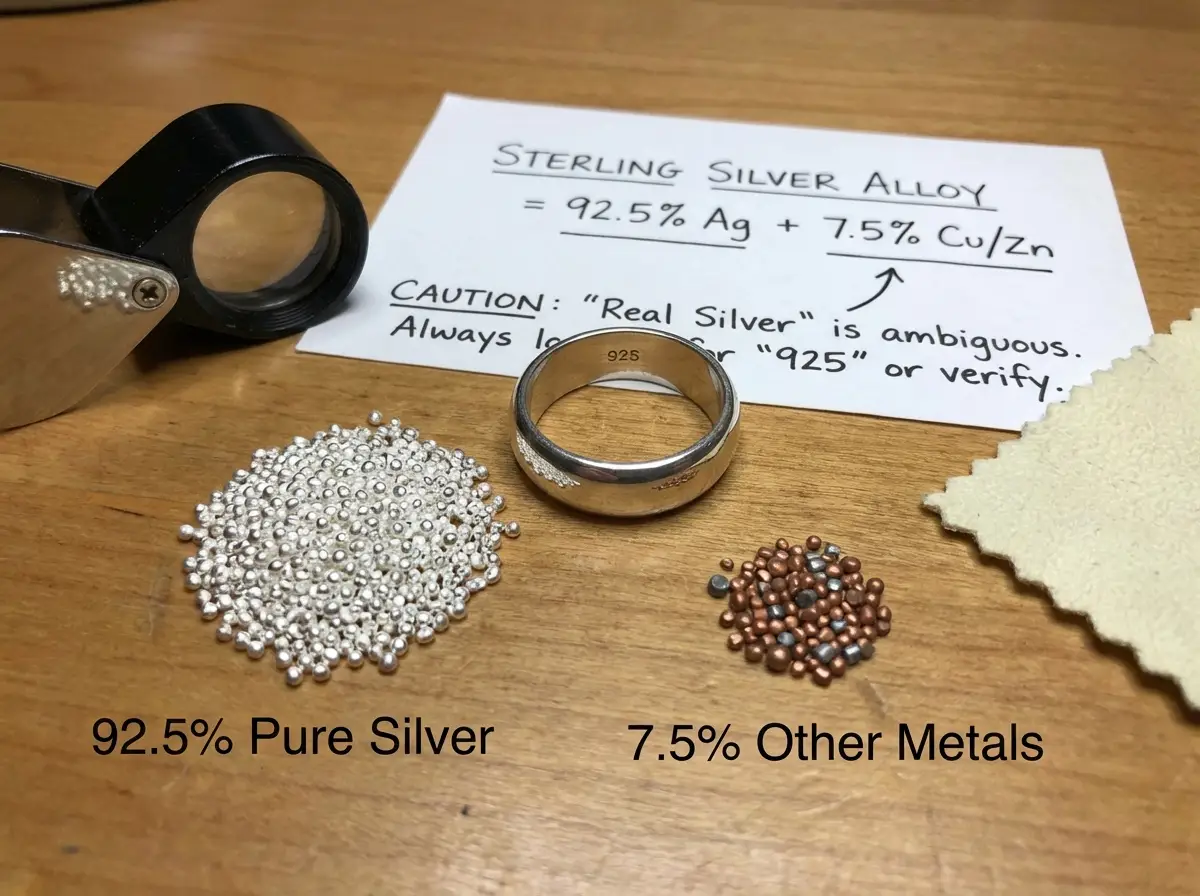
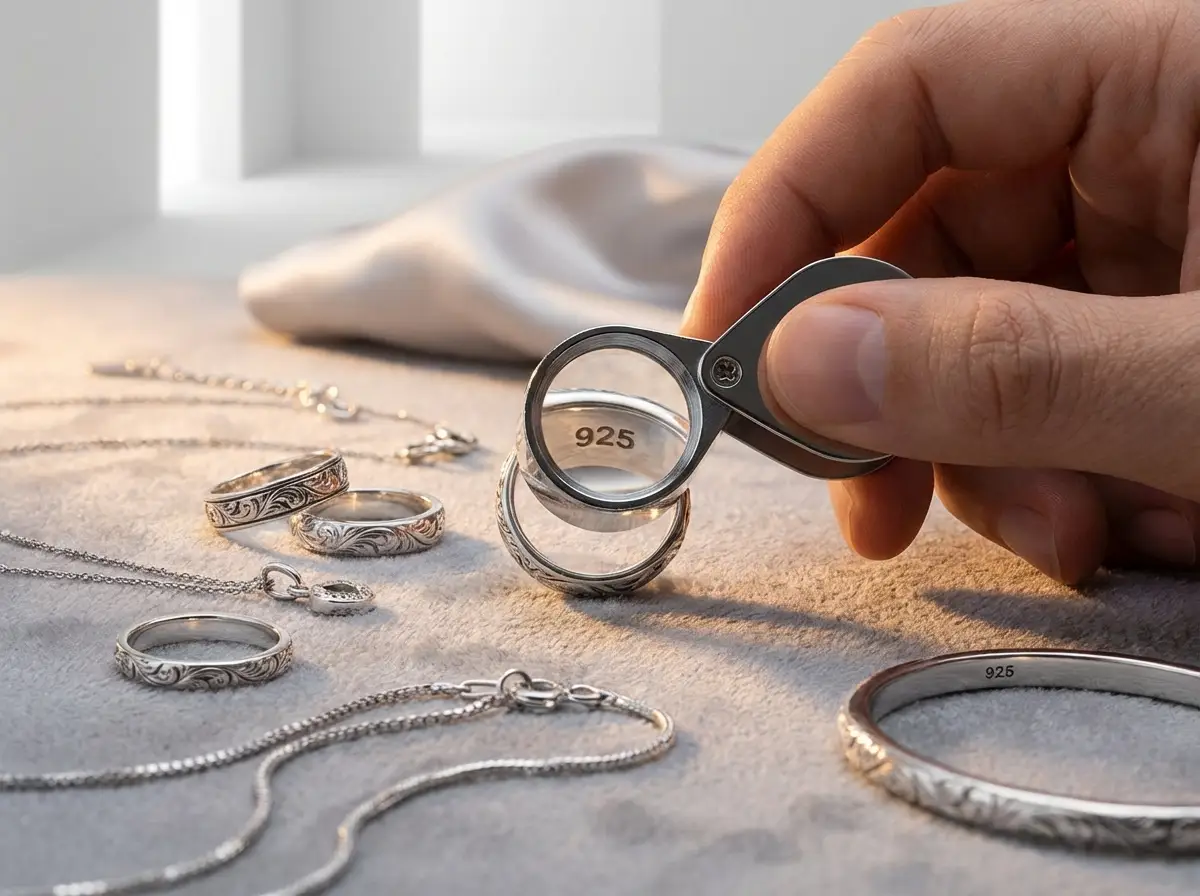
Sterling silver is real silver, but it is not the same as pure silver. In trade terms, sterling silver generally refers to an alloy that contains 92.5% silver and 7.5% other metals. That is why you will often see a 925 mark associated with sterling silver jewelry. For a jewelry business, this distinction matters because customers, product teams, and sourcing partners may use the phrase “real silver” loosely. In practice, “real silver” could mean a piece contains genuine silver content, but the exact type, purity level, and construction still need to be verified.
If you are comparing is 925 sterling silver real questions against supplier claims, the answer is usually yes in the sense that 925 is the standard hallmark commonly used to indicate sterling silver. That said, the stamp alone may not be enough for quality control. A responsible sourcing process should also look at consistency across samples, workmanship, and documentation where available.
For B2B buyers, the practical issue is less about the dictionary definition and more about accurate specification. If a manufacturer says a piece is sterling silver, your team may want clarity on how that statement is represented in product records, sample approvals, and production communication. Small wording mistakes at the sourcing stage can create larger downstream problems in labeling, merchandising, and customer service.
Pure Silver vs. Sterling Silver
Pure silver is often described as fine silver. It contains a higher silver content than sterling, but in many jewelry applications it may be less practical because it is generally softer. Sterling silver, by contrast, is formulated to balance real silver content with greater usability in jewelry production. That is one reason it has remained a common standard in the industry.
From a brand management perspective, the pure silver vs sterling question is not only technical. It affects positioning, care guidance, and customer expectations. A buyer may hear “pure” and assume “better,” but for jewelry manufacturing that is not always the most useful framework. The better question is whether the metal specification fits the intended product type, wear profile, and price architecture of the collection.
If your team is assessing whether sterling is the right fit, our article on is 925 sterling silver good may help clarify how buyers often evaluate durability, quality perception, and commercial suitability. In many cases, sterling silver is used because it offers a recognized silver standard that can work well across a broad range of jewelry programs, provided quality control is handled carefully.
This is also where confusion around sterling silver real or fake often starts. A sterling silver item can be real silver without being pure silver. A plated item can look similar while containing a different base structure. A weak supplier explanation can blur those categories, so your sourcing team should always ask for exact terminology rather than relying on shorthand claims.
What “925” Means in Practice (Hallmarks, Stamps, and Documentation)
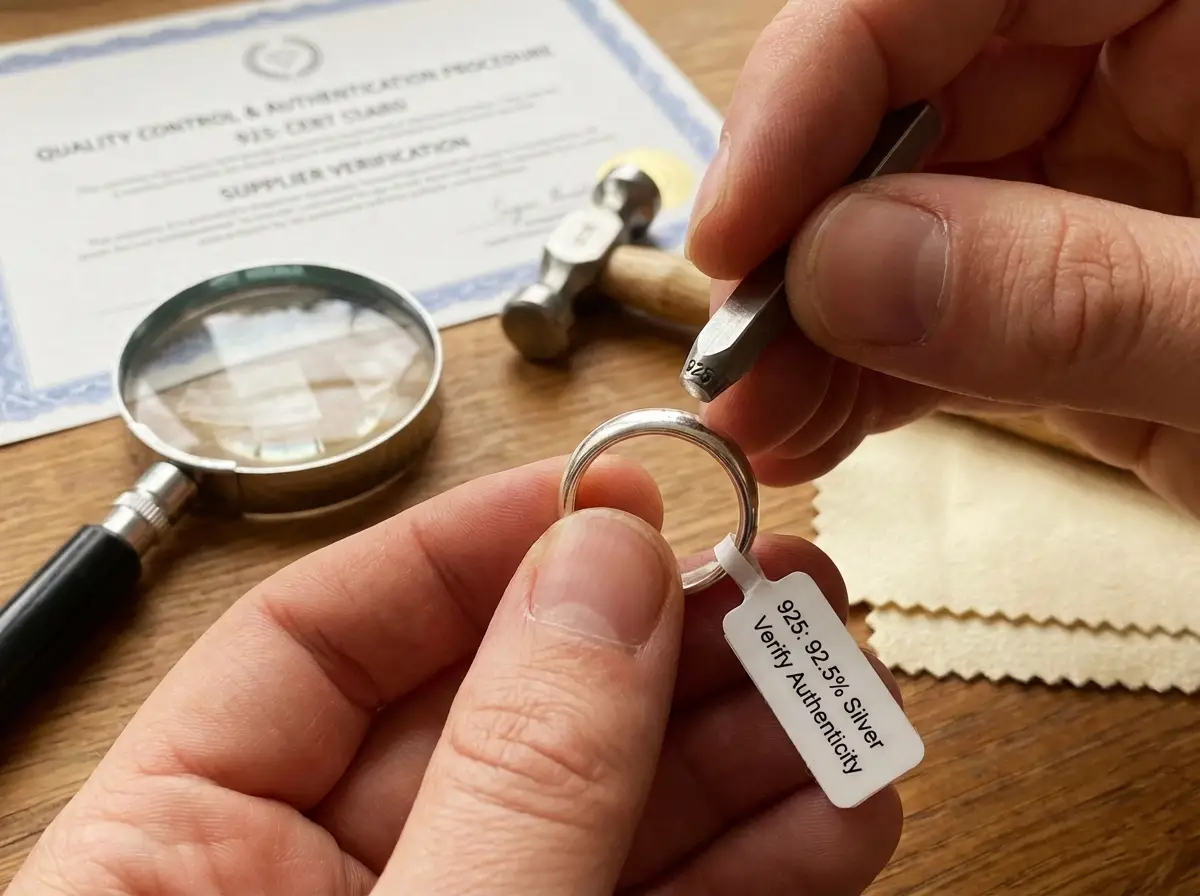
If you manage product content or supplier communication, “925” is one of the most operationally important numbers you will see in silver jewelry. In normal trade usage, 925 is intended to communicate that the item is sterling silver, meaning it is represented as 92.5% silver content. That is why 925 appears on many pieces, it is a shorthand purity notation used in manufacturing and merchandising.
Here’s the thing: a stamp is useful, but stamps are not a complete verification system for a B2B program. In practice, brands can run into issues like stamp placement changing from style to style, stamps being hard to locate on small items, or inconsistent marking across a production lot. The bigger risk is when the stamp says one thing and the paperwork says another, or when internal teams describe the product as “silver” without specifying sterling in the line item.
What many brand owners overlook is that you can reduce this risk with basic documentation discipline. When a supplier claims sterling silver, request that the same language appears consistently across the product spec, the sample tag, the proforma or invoice line item, and any packing list descriptions. If the supplier uses item codes, make sure the metal specification is tied to the code in a way that carries through reorders, not just in a chat message during sampling.
If your business uses testing as part of its risk management, you can also ask what supporting test documentation may be available for your specific run or for the material standard used. Not every program includes formal test reports, and requirements vary by brand and market, but the key is alignment. Your sampling approvals, purchase documentation, and internal product records should all communicate the same claim, so your team is not trying to reconcile mixed messages after the inventory has already arrived.
Why Sterling Silver Is Typically Used Instead of Pure Silver (From a Production Standpoint)
Sterling silver exists for a reason, and the reason is not just tradition. From a production standpoint, pure silver can be too soft for many common jewelry constructions. That softness can show up as form instability over time, difficulty holding crisp details, or higher sensitivity to deformation in parts that rely on tension, thin profiles, or precise fit.
Think of it this way: your design intent has to survive real handling, not only the photo shoot. Many brands choose sterling because it is typically more workable for maintaining shape and tolerance across repeat production. That matters when you are building an assortment that needs consistency across multiple sizes, multiple reorders, and multiple sales channels.
Now, when it comes to assortment decisions, some product types and design approaches can push you toward sterling rather than fine silver. Items with engineered components, tighter assemblies, or structures that need to keep their geometry can become harder to support in pure silver. The point is not that fine silver cannot be used, it is that your supplier needs to confirm what is realistic for your specific construction, thickness, and finishing plan.
From a development workflow perspective, this is best handled early, during the first brief and sampling rounds. If your brand is planning a silver-based collection, align the metal specification with the design goals before you finalize CAD, approve samples, or build product copy. That reduces late-stage changes and helps your manufacturer focus sampling effort on the variables that actually affect performance, finish consistency, and repeatability.
How to Evaluate Silver Authenticity
If you want to know how to tell if sterling silver is real, start with a structured review process. In B2B sourcing, authenticity should not depend on appearance alone. Surface shine, color tone, or weight may offer clues, but they do not replace proper verification steps.
Here are the checks that may be most useful for jewelry businesses:
- Hallmark review: A 925 stamp is commonly associated with sterling silver, though a mark by itself may not prove authenticity in every case.
- Supplier consistency: Compare statements across product sheets, invoices, sample notes, and merchandising descriptions. Inconsistent language can signal risk.
- Sample inspection: Review finish quality, construction, and uniformity across multiple pieces, not just one hero sample.
- Testing protocol: Depending on your business model, independent metal testing or in-house verification procedures may be appropriate before a larger production run.
- Care behavior: If a supplier claims sterling silver never tarnishes, that may be a red flag. Authentic sterling silver can tarnish over time under normal conditions.
The tarnish point is especially important. Many first-time buyers ask, does real sterling silver tarnish? Yes, it can. Tarnish does not automatically mean the silver is fake. In fact, understanding expected care behavior is part of responsible merchandising and inventory management. If your business needs operational guidance, this article on protecting sterling silver inventory essential tarnish prevention cleaning tips for manufacturers can support storage and handling decisions.
Common Buyer Questions: Skin Reactions, Water Exposure, and Color Changes
Even if your sourcing team is focused on purity and documentation, your sales floor and customer service team will get a different set of questions. Customers often ask about skin reactions, wearing silver in water, and whether “real silver” can change color. The reality is that these questions influence returns, reviews, and brand trust, so they deserve a clear internal policy.
From a brand standpoint, avoid overpromising. A responsible approach is to build consistent care guidance and clear product descriptions that explain what is normal behavior for sterling silver and what variables can affect wear. Water exposure, storage conditions, personal care products, sweat, and environmental factors can all affect how silver looks over time. That does not automatically indicate a quality failure, but it does mean your brand should communicate usage and care expectations in a way your team can stand behind.
Color changes are a common point of confusion. Some customers will describe tarnish as “turning black,” or they may assume any discoloration means the piece is not real. Others will ask whether silver “turns green,” which can sometimes be associated with reactions between skin chemistry and certain metal components in an alloy, or contact with external products. Your team does not need to diagnose individual cases, but it helps to have a script that separates authenticity questions from care and wear questions, and that offers practical next steps like cleaning guidance and proper storage.
In practice, the best way to reduce friction is operational consistency. Make sure the same messaging appears across ecommerce product pages, packaging inserts, and training notes for sales associates. Tie that messaging back to your QC process by documenting acceptable finish variance, creating a consistent inspection checklist at goods-receiving, and keeping your product specifications aligned with the claims you make publicly. That way, if a customer asks “is sterling silver waterproof?” or “can I wear it every day?” your team can respond in a controlled, accurate way that fits your brand standards.
Why This Matters for Jewelry Brands
For a retail business or private label program, silver authenticity affects more than technical compliance. It influences how your products are marketed, how your sales team speaks about them, and how customer complaints are managed. If a piece is described vaguely as “silver,” that could create confusion unless the exact construction is documented internally.
Clear silver specifications may help your business in several ways:
- They support more accurate product descriptions and assortment planning.
- They reduce the risk of mismatched expectations between sourcing, marketing, and sales teams.
- They make supplier conversations more precise during sampling and reorder stages.
- They may improve trust with end customers because your brand language is more consistent and defensible.
For growing brands, authenticity is often tied to process discipline. The issue is not only whether sterling silver is real jewelry. It is whether your business has a repeatable way to confirm metal claims before products reach market. If you are refining that process, our resource on how ensure jewelry business offers authentic 925 sterling silver may help you build a more reliable internal review standard.
Royi Sal Jewelry as a Manufacturing Resource
Royi Sal Jewelry operates as a B2B custom jewelry design and manufacturing partner for brands, boutiques, and private label businesses. The company is led by Royi Gal, whose background as both a jewelry designer and manufacturer supports a practical, end-to-end view of product development. That combination matters when your business needs more than a transactional supplier. It may help to work with a partner that understands how design intent, production realities, and quality expectations need to align.
The company’s service model centers on custom jewelry design and development, collaborative design consultation, jewelry manufacturing for wholesale and private label clients, and global shipping and fulfillment support. For businesses evaluating silver-based collections or broader category development, that collaborative structure may be useful during specification, sampling, and production planning. You can explore the brand’s jewelry manufacturing approach or review the broader 925 sterling silver category for more context. If you are preparing a new collection, Royi Sal Jewelry may be a helpful resource for discussing your design brief, manufacturing goals, and product development process.
How to Evaluate Silver Jewelry Suppliers
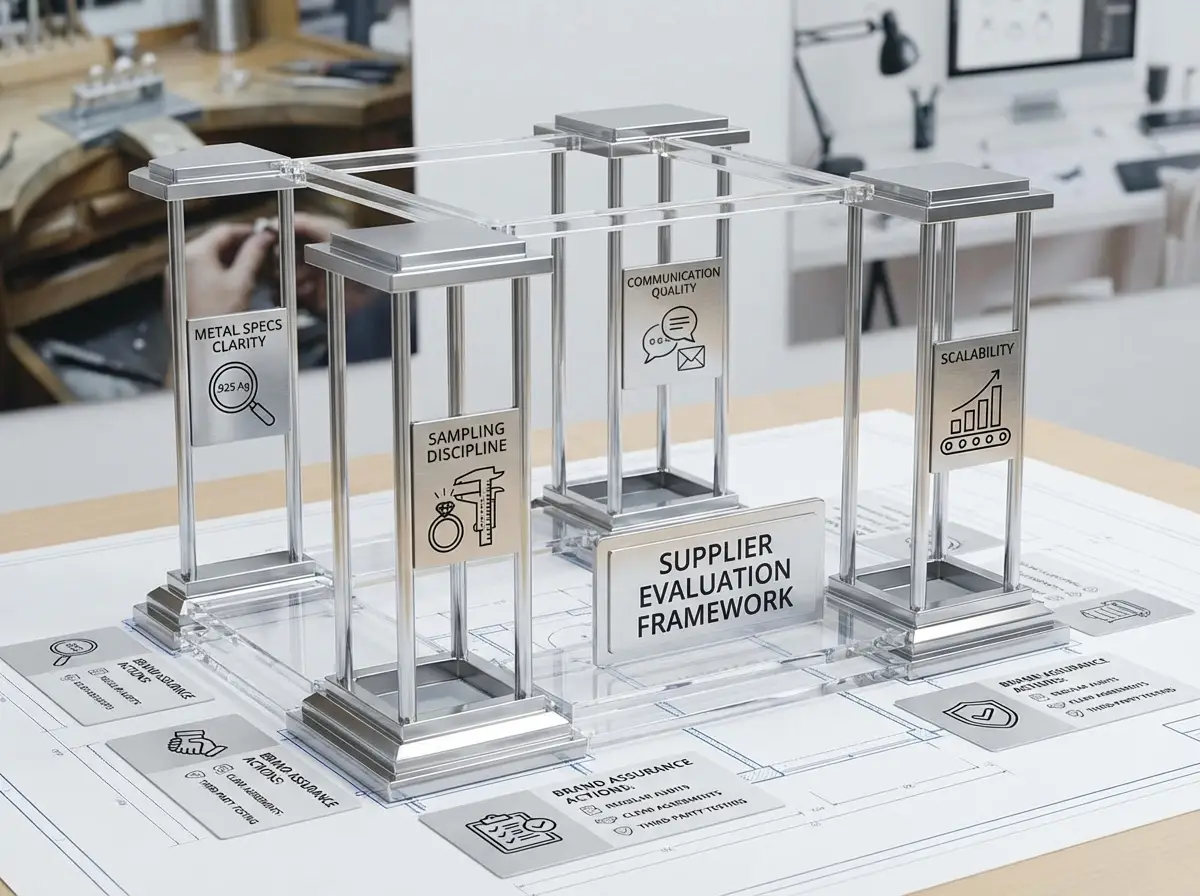
If your business is sourcing sterling silver jewelry, it helps to evaluate suppliers with a repeatable framework. Silver authenticity is one part of the decision, but supplier quality often depends on how well the entire manufacturing process is managed.
1. Clarity of metal specification
Your supplier should be able to describe what sterling silver means in practical production terms. Vague answers can create issues later. Ask how silver content is represented in samples, product records, and order documentation.
2. Sampling discipline
A strong sampling process may reveal whether the supplier can maintain consistency. One sample that looks good is not enough. Brands often need to check repeatability, finishing consistency, and communication accuracy before moving into a production run.
3. Communication quality
Many sourcing problems begin with unclear language. This is especially true when teams are discussing purity, plating, finishes, and product claims. A reliable manufacturing partner should be able to explain details in plain business language and respond clearly to specification questions.
4. Quality control mindset
Silver authenticity should sit inside a broader quality-control process. Look for evidence that the supplier takes consistency seriously, from design consultation through manufacturing and fulfillment. This is often more valuable than isolated claims made during sales conversations.
5. Scalability and partnership fit
If your goal is long-term growth, think beyond the first order. The right supplier relationship should support future iterations, not just a one-time transaction. Royi Sal Jewelry’s B2B model is built around collaboration, custom development, and wholesale production, which may suit brands looking for a longer-term partner rather than an order-taker.
Strengths and Considerations
Strengths
- Sterling silver is real silver in the recognized trade sense, which makes it easier for brands to communicate a clear material standard.
- The 925 designation provides a commonly understood reference point for product development, merchandising, and sourcing conversations.
- Sterling silver is generally more practical for many jewelry applications than pure silver, which may be softer depending on use case.
- Authenticity questions can usually be managed more effectively when brands use a structured supplier review process instead of relying on marketing language alone.
- Understanding expected tarnish behavior may help reduce false assumptions about product quality and improve after-sales communication.
Considerations
- A 925 stamp alone may not fully verify authenticity, so brands may need additional checks depending on risk tolerance and order size.
- Supplier terminology can be inconsistent, especially when teams use “real silver” as a broad phrase without defining purity or construction.
- Authentic sterling silver can tarnish, which means inventory storage, care guidance, and presentation standards may need more attention.
- Custom manufacturing decisions often involve sampling rounds and specification review, so material verification should be built into the process early.
Frequently Asked Questions
Is sterling silver considered real silver in B2B sourcing?
Yes. In normal trade use, sterling silver is considered real silver because it contains genuine silver content. The distinction is that it is an alloy rather than pure silver. For B2B buyers, the more useful question is whether the supplier is describing the product precisely and documenting the specification consistently across samples and production records.
Is 925 sterling silver real?
Generally, yes. A 925 mark is commonly used to indicate sterling silver, which is typically understood as 92.5% silver. Still, brands should avoid treating a stamp as the only proof point. Depending on the supplier relationship and order scale, you may want additional verification through sampling review or independent testing.
What is the difference between pure silver and sterling silver?
Pure silver contains a higher silver content, while sterling silver is an alloy commonly used in jewelry production. For brands, the choice is often about commercial suitability rather than simple purity hierarchy. Product type, wear expectations, construction needs, and supplier consistency all affect which specification makes the most sense.
Does real sterling silver tarnish?
Yes, it can. Tarnish is a normal behavior associated with sterling silver over time and under certain storage or environmental conditions. For that reason, tarnish alone does not mean a piece is fake. Jewelry businesses should include storage, handling, and care guidance in their operating standards if sterling silver is part of the assortment.
How can a jewelry business tell if sterling silver is real?
A practical approach usually includes checking for a 925 hallmark, reviewing supplier documentation, inspecting sample consistency, and using testing protocols where appropriate. Businesses should also watch for unrealistic claims, such as statements that sterling silver never tarnishes. Authenticity is best confirmed through process, not a single visual cue.
Is sterling silver real jewelry or just a lower-grade option?
Sterling silver is real jewelry material, not a fake substitute. It is widely recognized in the trade and often selected for practical jewelry production reasons. That said, not all sterling silver products are equal. Construction quality, finishing standards, and supplier reliability still make a major difference in the final commercial result.
Why do jewelry brands need precise silver terminology?
Precise terminology helps reduce confusion across sourcing, merchandising, marketing, and customer service. If a product is labeled broadly as silver without clarifying whether it is sterling, plated, or something else, your team may create avoidable risk. Accurate language supports better assortment planning and more defensible product claims.
Should a brand rely on supplier claims alone for silver authenticity?
Usually not. Trust is important, but verification is part of responsible sourcing. Many brands use a combination of sample approval, documentation review, and testing procedures depending on the complexity of the program. A clear process may help prevent disputes later, especially when scaling a private label or wholesale collection.
How does silver authenticity affect private label manufacturing?
It affects product descriptions, quality standards, and customer-facing claims. In private label programs, your brand carries the responsibility for accuracy, so supplier terminology should be reviewed carefully before launch. The earlier authenticity standards are addressed during development, the easier it may be to maintain consistency across future production runs.
Is sterling silver good quality?
It can be, and it is widely used across the jewelry trade as a recognized silver standard. For a brand, “good quality” depends on the full build, including design tolerances, construction, finishing consistency, and the supplier’s quality control. Sterling silver content is one part of the story, not the whole story.
Is sterling silver a 100% silver?
No. Sterling silver is generally understood as an alloy that contains 92.5% silver and 7.5% other metals. Pure silver, often described as fine silver, has a higher silver content. For B2B sourcing, what matters is that your product documentation and customer-facing language reflect the correct specification.
Does 925 sterling silver turn green?
In many cases, sterling silver is more associated with tarnish than a green color shift. That said, some customers may report green marks or discoloration, which can be influenced by variables like skin chemistry, contact with personal care products, or reaction with non-silver components in the item’s overall construction. From a brand standpoint, it is best handled through clear care guidance, accurate product descriptions, and a consistent QC and returns review process.
Is sterling silver waterproof?
Sterling silver is a metal alloy, but “waterproof” is not a practical promise for jewelry in general. Water exposure, humidity, and chemicals commonly found in pools, hot tubs, or cleaning products may affect appearance over time and can increase the likelihood of tarnish or finish issues. Many brands treat this as a care guidance topic, setting realistic expectations instead of making absolute wear claims.
Key Takeaways
- Sterling silver is real silver, but it is an alloy rather than pure silver.
- The 925 designation is commonly used to indicate sterling silver, though brands may still want additional verification steps.
- Authentic sterling silver can tarnish, so tarnish alone does not mean the product is fake.
- For jewelry businesses, silver authenticity should be managed through supplier communication, sampling, and quality-control procedures.
- A collaborative manufacturing partner may help align design intent, material language, and production execution more effectively.
Conclusion
If your team has been asking whether sterling silver is real, the answer is yes, but the more important business question is how clearly that claim is defined and verified. Sterling silver is a recognized real silver standard in jewelry, distinct from pure silver and from products that only appear silver-toned. For brands, boutiques, and private label businesses, that distinction can shape sourcing accuracy, product communication, and long-term customer trust. Royi Sal Jewelry brings a collaborative B2B approach to custom jewelry design and manufacturing, guided by founder Royi Gal’s experience as both a designer and manufacturer. If you are planning a collection or reviewing a silver-based product brief, visit royisal.com to learn more about the process or contact the team to discuss your project requirements.