

3D Jewelry Design Online for Brands (2026 Guide)
What 3D Jewelry Design Online Means for B2B Brands
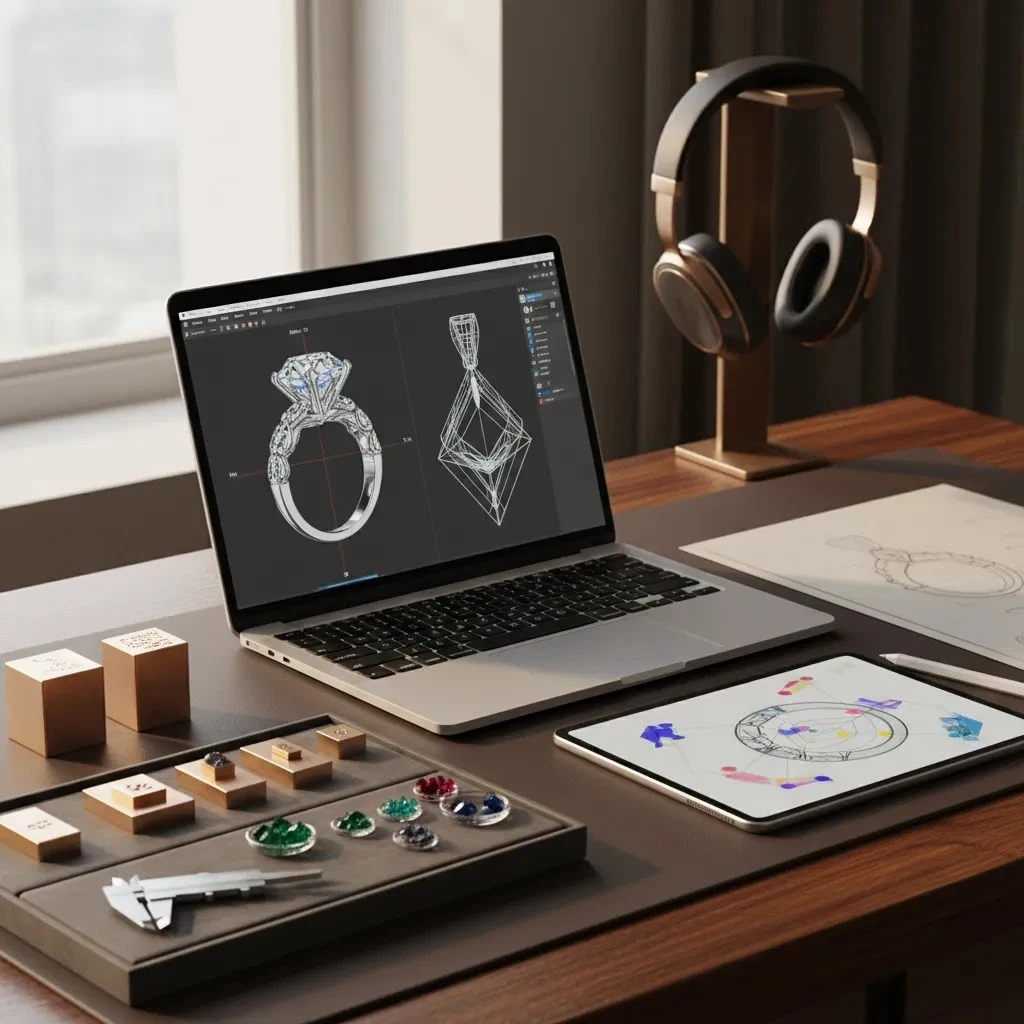
For a B2B jewelry business, 3d jewelry design online usually refers to a remote product development process where sketches, references, revisions, and approvals are handled digitally before physical sampling begins. In practice, this may include online jewelry CAD reviews, design markups, file-based feedback, and meetings that align your brand team with a design and manufacturing partner.
The business value is straightforward. Remote jewelry design could shorten decision cycles, give more structure to approvals, and help your team keep records of what was requested at each stage. For founders and buyers working with an overseas partner, this may also create a more controlled handoff from concept to sample.
Still, online design is not the same as instant design. A strong process usually requires clear briefs, realistic revision rounds, and close attention to manufacturability. A visually appealing render does not automatically guarantee a smooth production run. That is why online design should be reviewed in connection with broader Jewelry Manufacturing requirements, not as a standalone creative exercise.
Many growing brands also compare structured remote development with lighter tools such as a 3d jewelry design online free option. Those tools may be useful for rough ideation, but they often do not replace a manufacturer-led development workflow when precision, production readiness, and repeatability matter.
Key Features of a Strong Remote Design Process
A good remote jewelry design workflow is less about software branding and more about how information moves from your team to the manufacturer. The strongest setups tend to share a few practical features.
Structured design briefing
Your manufacturer should be able to work from a brief that includes target customer positioning, intended collection direction, visual references, dimensions if available, and any business constraints tied to wholesale pricing strategy, launch windows, or assortment planning. Without this, remote collaboration may produce attractive visuals that do not support your commercial goals.
Digital review checkpoints
Online collaboration works best when there are defined approval points. These may include concept validation, initial model review, revision feedback, and sample signoff. Clear checkpoints can reduce circular feedback and help both sides understand when a design is ready to move forward.
Production-aware design input
The strongest online jewelry CAD process is tied to manufacturing knowledge. Royi Sal Jewelry operates as a custom jewelry design and manufacturing company, which is important because remote design decisions often need to reflect downstream production realities. A design partner with manufacturing involvement may spot issues earlier than a design-only provider.
Collaborative communication
Remote design depends on responsiveness and clarity. If your team is working across time zones, written feedback, annotated images, and organized version control become essential. This is where many projects either gain momentum or lose it. A collaborative partner should help guide discussion, not simply wait for instructions.
Alignment with market direction
Online design should also support your business strategy. If you are developing a trend-led line, it may help to review broader market movement alongside your design brief. Articles such as jewelry trends watch 2025 key design elements year and technology jewelry design innovations shaping industry can help brand teams frame design discussions with more commercial context.
Common File Types, Deliverables, and What “Production-Ready” Really Means
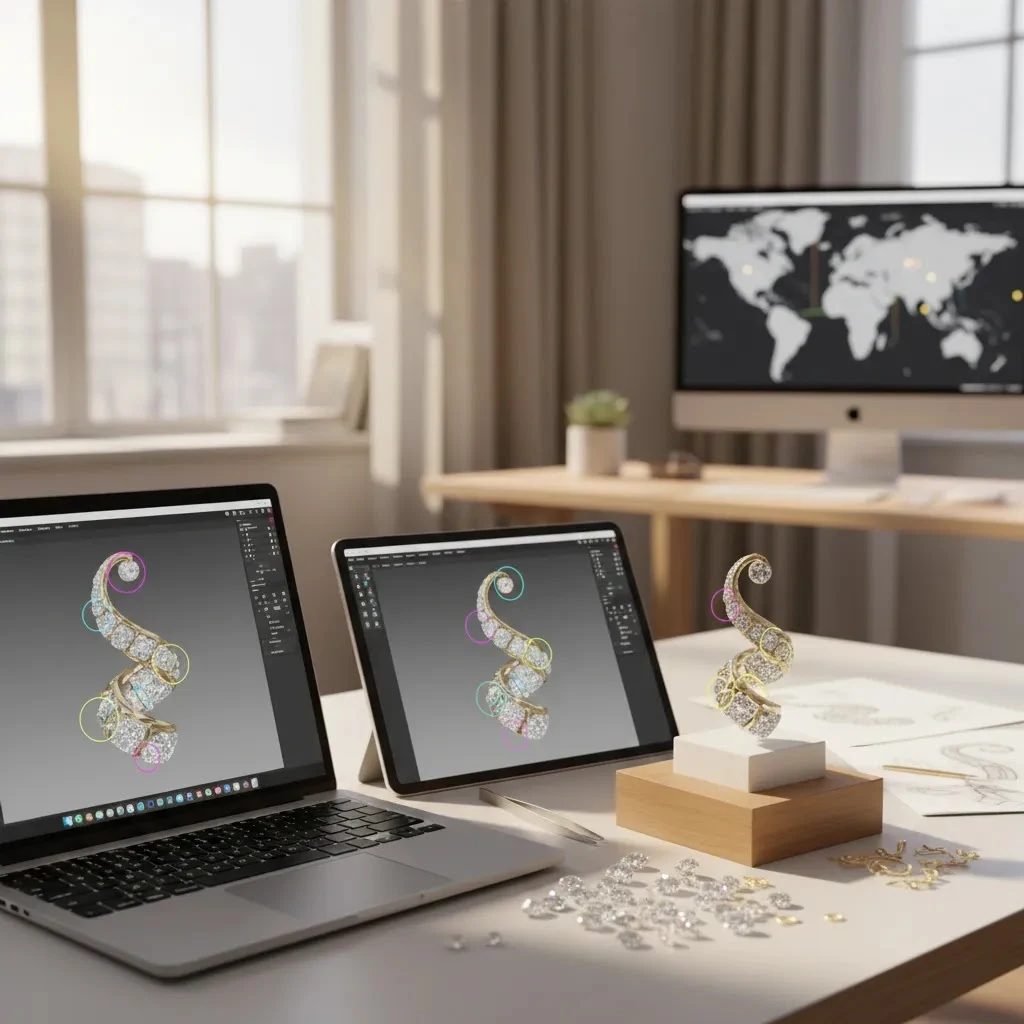
What many brand owners overlook is that online design is not a single file. It is a trail of deliverables that support review, approvals, and the manufacturing handoff. If you want fewer misunderstandings, it helps to align early on what you will receive at each stage, and what each deliverable is actually used for.
In many B2B workflows, you may see a mix of outputs such as 3D model files, rendered images used for stakeholder review, and dimension notes or callouts that confirm key measurements. Some teams also request a simple version history so there is a clear record of what changed and why. Think of it this way, some deliverables are built for decision-making, while others are built for execution.
Now, when it comes to “production-ready,” this is a manufacturing definition, not a rendering quality level. A clean-looking render can still hide practical issues that matter in sampling, such as unclear thickness intent, missing critical dimensions, or features that may be difficult to execute consistently. Before your team approves a file to move into sampling, confirm what the manufacturer considers final for development, and what details still need to be locked.
From a production standpoint, approval should also include practical confirmation on your side. That may mean verifying that the latest version is the one being reviewed, that key dimensions are documented, and that any open questions are resolved in writing before the project moves forward. The reality is that “almost final” files are where avoidable sampling delays often start.
Version control is the operational detail that keeps remote projects stable. Ask your partner how files are named, how revisions are tracked, and how final approvals are confirmed. Simple habits like consistent naming conventions, written signoff, and a single source of truth for the latest files can prevent teams from reviewing outdated versions, especially when multiple stakeholders are providing feedback.
Who This Approach Is For
3d jewelry design online is often a practical fit for business buyers who need organized development without being in the same location as their manufacturing partner. This may include boutique owners expanding into private label, fashion brands adding jewelry to an existing assortment, and entrepreneurs preparing a first structured collection.
It can also suit established brands that want tighter approval documentation across design, sourcing, and production teams. If your business needs multiple stakeholders to review a concept before sampling, remote collaboration may create a more accountable process.
It may be less effective for businesses that do not yet have a clear direction. If the brief is vague, if internal approvals are slow, or if design intent changes constantly, even strong online systems can become inefficient. In many cases, the technology is not the limiting factor. The discipline of the process is.
How Royi Sal Jewelry Fits This Workflow
Royi Sal Jewelry approaches custom development as a B2B collaboration rather than a retail transaction. The company focuses on custom jewelry design and manufacturing for wholesale and private label clients, with a service model built around consultation, development, production, and global fulfillment support. That positioning matters for brands evaluating remote design because digital collaboration tends to work best when the same partner understands both design intent and manufacturing execution.
The business is led by Royi Gal, whose background combines jewelry design and manufacturing. That dual perspective can be useful in remote workflows where design decisions need to be evaluated not only for appearance, but also for practicality and consistency during production. For brands that want a more involved development path, Royi Sal Jewelry may be a useful resource to explore through its Jewelry Design content and service pages.
If your team is already beyond early ideation and needs a more defined project discussion, it may also be worth reviewing bespoke 3d jewelry modeling services as a next-step topic. That can help clarify what a more production-oriented engagement may involve before you move into sampling or a larger manufacturing plan.
How to Evaluate Your Options
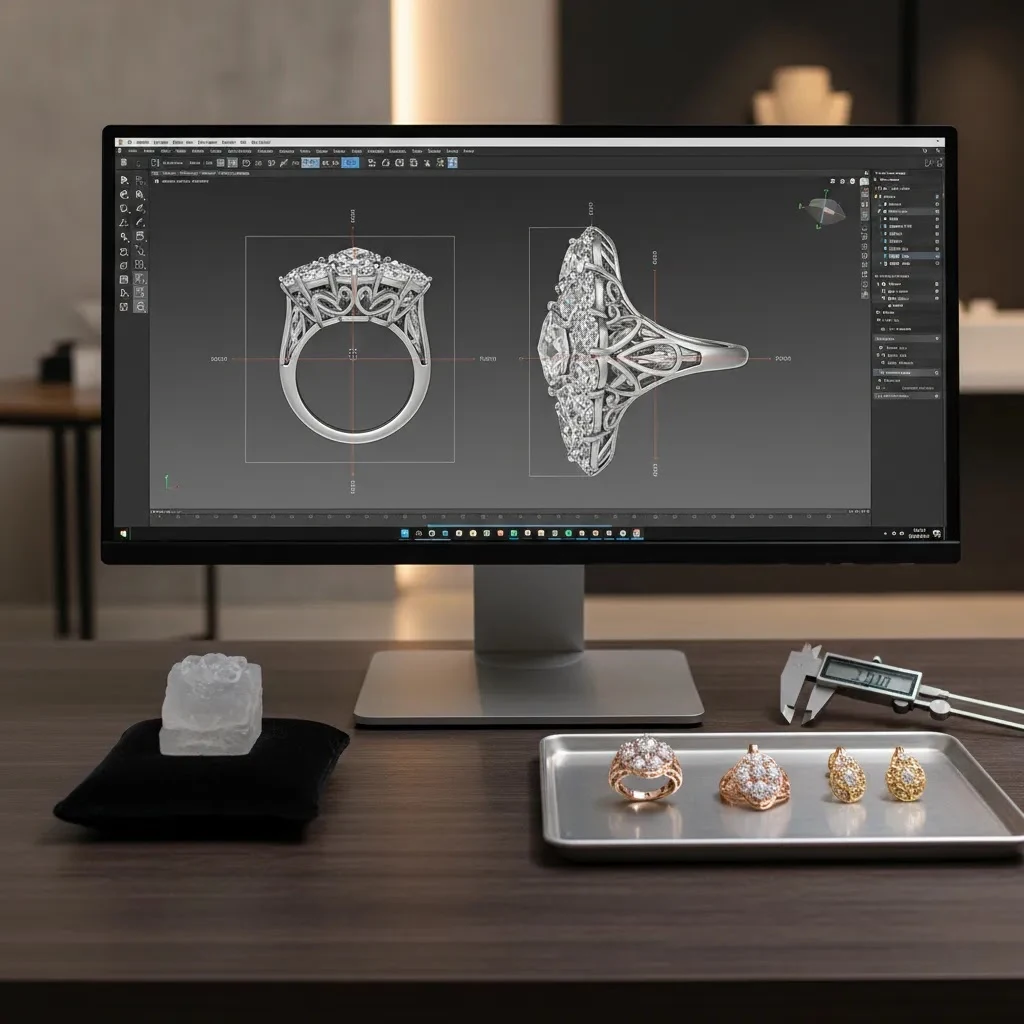
If you are assessing 3d jewelry design online providers or manufacturing partners, focus less on marketing language and more on process reliability. A remote design partner should help reduce execution risk, not just produce polished visuals.
1. Design capability linked to production reality
Ask whether the provider only creates models or also works within a broader manufacturing workflow. For B2B brands, this distinction is important. A design can look convincing on screen while still creating problems later if the production implications were not considered early.
2. Communication quality and revision control
Remote collaboration depends on how feedback is handled. Look for a process that tracks revisions clearly, confirms approvals in writing, and keeps files organized. If communication is inconsistent during the design phase, it may signal larger problems once your project reaches sampling or production.
3. Business fit for your order stage
Some providers may be suitable for concept testing, while others are better equipped for brands planning full collections or repeat wholesale orders. Consider whether the partner can support your next stage after design approval. If not, you may end up re-briefing another supplier and losing time.
4. Transparency around timelines and complexity
Reliable partners usually acknowledge that custom development takes coordination. Be cautious of any process framed as immediate or frictionless. Depending on your scope, you may need several rounds of refinement before a design is sample-ready, especially if multiple stakeholders are involved.
5. Scalability and global coordination
If you plan to grow, the right online design workflow should connect smoothly to manufacturing, shipping, and repeat ordering. Royi Sal Jewelry presents itself as a global partner serving jewelry businesses, boutiques, and brands, which may be relevant if your business needs a longer-term relationship rather than one-off design support.
3D Visualization for Remote Approvals: Renders, Interactive Viewing, and Security
Remote approvals often stall when stakeholders cannot see the same thing at the same time. The right visualization approach can reduce back-and-forth, especially if your internal team includes both creative and commercial decision-makers who evaluate designs differently.
Many online jewelry CAD workflows rely on static renders because they are easy to share and easy to annotate. That can work well for early concept alignment and for confirming the overall direction. In other cases, an interactive viewing option may help, because it allows reviewers to rotate the model and inspect details without requesting new angles every time. In practice, interactive viewing tends to be most useful during internal approvals, when multiple people need confidence before you greenlight sampling.
Consider this, visualization can help validate proportions, styling intent, and general construction logic, but it cannot fully validate what a physical sample will reveal. Screen-based reviews are limited by display scale, lighting assumptions, and the fact that tactile feedback is missing. Use visualization to make better decisions earlier, then treat sampling as the checkpoint where your team confirms what cannot be proven digitally.
Security is part of the workflow, not a side issue. When you share design files remotely, set expectations on who has access, what is shared at each stage, and whether sensitive source files are distributed broadly or kept within a controlled group. Some brands choose to share only review images early on, then release more detailed files later in the process once terms, approvals, and responsibilities are clear.
What experienced buyers know is that security and clarity work together. Controlled sharing reduces risk, while clean approval records reduce disputes. If your partner can support both, remote collaboration becomes easier to manage across teams, time zones, and development stages.
Strengths and Considerations
Strengths
- Remote collaboration may make it easier for brand owners, buyers, and manufacturers to review concepts without being in the same location.
- Digital approvals can create a clearer record of design intent, revision history, and signoff checkpoints.
- Online jewelry CAD workflows often help surface proportion or styling issues earlier than a sample-only process.
- A manufacturer-led design workflow may improve alignment between concept development and eventual production needs.
- For wholesale and private label businesses, structured online development can support more organized collection planning across teams.
Considerations
- Remote design still depends heavily on the quality of the original brief. Vague direction may lead to extra revisions and delays.
- Digital visuals do not fully replace physical sampling, especially when a brand needs final confirmation before production.
- Time zone gaps and slow approvals can weaken the benefits of online collaboration if communication is not managed carefully.
- Some low-cost or free design tools may be useful for idea exploration, but they may not provide the production context required for B2B manufacturing decisions.
Can You Make 3D Printed Jewelry From Online Designs? Where It Fits in Sampling
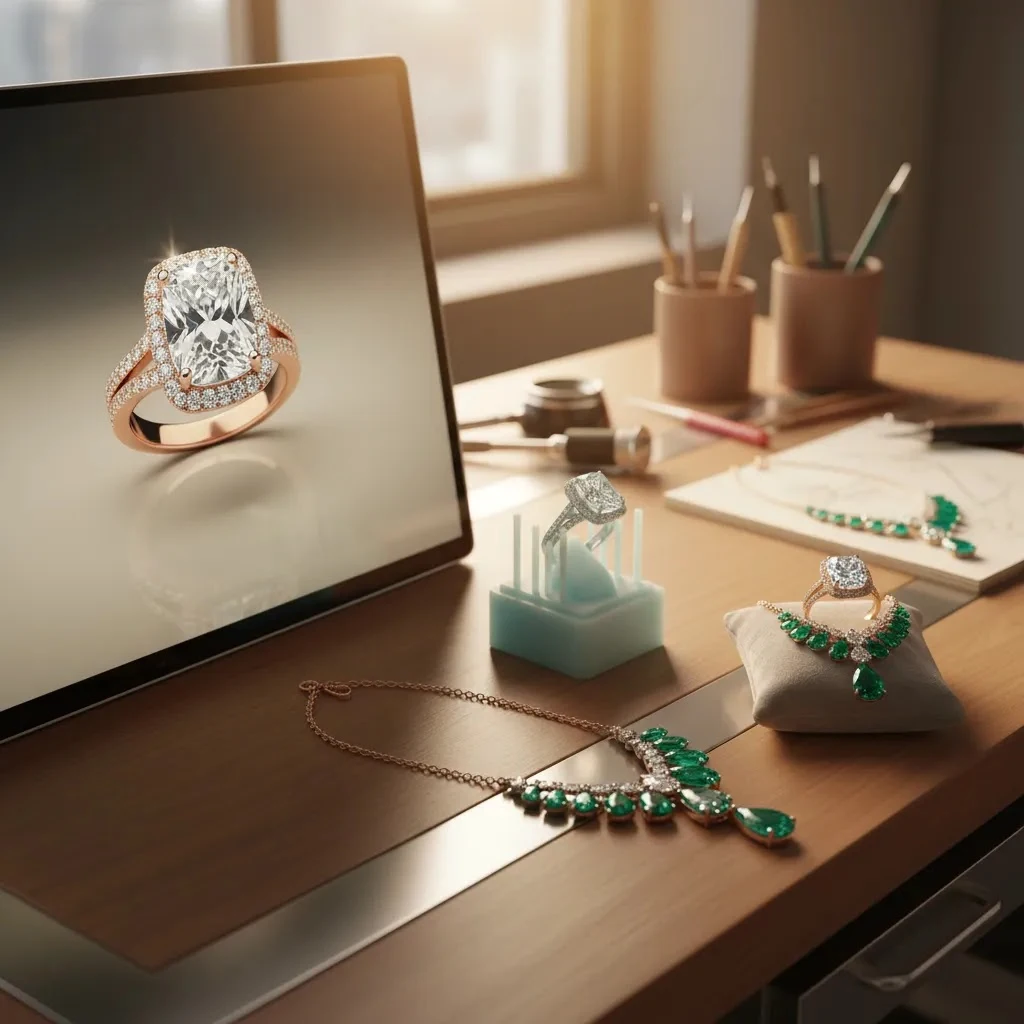
Yes, 3D printing may be part of a jewelry development pipeline, but it helps to frame it correctly. For most B2B projects, 3D printing is best viewed as a prototyping tool that can support decision-making before or during sampling, not as a guarantee that a design is ready for final production.
In early development, a 3D printed prototype may help your team validate the overall form, proportions, and wearability assumptions. This can be useful when stakeholders need something tangible before approving the budget and time required for a full sampling process. It can also support faster iteration if the goal is to confirm the direction before refining details.
Here’s the thing, prototyping without manufacturing context can still create false confidence. A printed model may not reflect the same tolerances, assembly realities, or finishing outcomes that you will see in a production-intent sample. That is why it is important to confirm what the prototype is meant to prove, and what it is not meant to prove.
If you are considering 3D printing as part of your online design workflow, align on a few practical questions with your partner. What is the purpose of the prototype, concept review or technical validation? What are the review criteria your team will use to approve or reject it? What changes will trigger another prototype versus moving forward to a sample? Clear answers help you avoid getting stuck in an expensive loop of “almost there” iterations.
Frequently Asked Questions
Is 3d jewelry design online suitable for first-time jewelry brand founders?
Yes, it may be suitable, especially if you need a structured way to move from concept to sample while working remotely. The key is choosing a partner that can guide the process clearly. First-time founders often benefit most when the design workflow includes consultation, revision checkpoints, and practical manufacturing input rather than design files alone.
Can online jewelry CAD replace physical samples?
Usually not entirely. Digital models can help your team review shape, scale, and general design direction before sampling, which may reduce avoidable changes later. Still, many B2B jewelry projects require physical samples for final confirmation before a production run, particularly when consistency and brand standards are important.
What should a jewelry brand include in a remote design brief?
A useful brief may include visual references, collection goals, target customer positioning, intended sales channel, and any requirements tied to launch timing or wholesale planning. It also helps to define who has final approval on your side. Clear briefs tend to reduce revision loops and make remote collaboration more efficient.
Are free online jewelry design tools enough for a private label business?
They may be helpful for early concept exploration, but in many cases they are not enough for a private label brand preparing for manufacturing. B2B projects usually need more precision, version control, and production awareness than casual design tools provide. That is why many brands eventually move from informal tools to a manufacturer-led process.
How many revision rounds should a brand expect?
That can vary by project scope, complexity, and how clear the original brief is. Simple concepts may move quickly, while custom collections with multiple stakeholders often require more rounds. A reliable partner should define review stages early so your team understands how feedback will be handled before sampling begins.
What is the biggest risk in remote jewelry design?
The biggest risk is often misalignment between what the brand intends and what the manufacturer understands. This may happen when briefs are incomplete, approvals are informal, or design files are reviewed without production context. Clear communication and documented checkpoints usually do more to reduce risk than software alone.
Why does manufacturing knowledge matter during the design stage?
Because the goal is not only to create a strong visual concept, but also to move toward a piece that can be developed consistently in production. A designer-manufacturer perspective may help identify issues earlier, which can reduce wasted time during later stages. This is especially relevant for brands planning repeat wholesale orders.
Is remote collaboration realistic for overseas manufacturing relationships?
Yes, in many cases it is the standard way projects are managed. The important issue is whether the partner has a disciplined communication process and can keep design, sampling, and production aligned. For overseas work, written confirmations, organized files, and defined review points become even more important.
How should a brand compare remote design providers?
Start with design capability, communication quality, production understanding, and whether the provider can support your business after the design phase. It also helps to assess how they handle revisions and approvals. A provider that fits your long-term manufacturing path may offer more value than one focused only on files or renders.
What is the free 3D jewelry design software?
There are free or low-cost 3D tools that can support early ideation, especially for visual exploration and basic modeling practice. For a brand, the more practical question is whether the output supports a manufacturer-led workflow with clear dimensions, revision control, and a reliable path to sampling. Free tools may be useful for internal concept work, but they often require an experienced partner to translate ideas into a production-aware development file.
What is the website to design your own jewelry?
Some online platforms offer simple browser-based configurators or templates for designing a piece visually. For B2B brands, these tools can help communicate direction, but they typically do not replace a structured remote jewelry design process where a manufacturer can confirm requirements, manage revisions, and prepare a design for sampling. If you use a website tool for concepts, treat it as a starting point for your brief rather than a final development step.
Can you make 3D printed jewelry?
In many cases, a 3D printed piece can be created from an online design file as part of prototyping or development. The key is aligning expectations. A printed prototype may help validate form and proportions, but it may not confirm how the final sample will look or perform in a production setting. Discuss with your partner what the 3D print is intended to evaluate, and what decisions it will support before you move forward.
Can I design jewelry in Canva?
Canva can be useful for brand-side communication, such as mood boards, reference collages, packaging direction, and simple concept visuals that support a design brief. It is not a CAD tool, so it typically will not produce the technical files a manufacturer needs for development. For remote workflows, Canva-style assets can still be valuable, because clearer references often lead to faster alignment in the early design stage.
Key Takeaways
- 3d jewelry design online can help brands manage remote development more efficiently, but only if the workflow is structured.
- The best B2B setup links digital design review to real manufacturing knowledge and clear revision control.
- Free tools may support ideation, but they often do not replace a production-aware custom design process.
- Strong remote collaboration depends on detailed briefing, timely feedback, and realistic expectations around sampling.
- Royi Sal Jewelry is a relevant resource for brands that need a collaborative custom design and manufacturing partner.
Conclusion
3d jewelry design online can be a practical way to develop collections, align stakeholders, and prepare designs for sampling without relying on in-person meetings. For jewelry brands, boutiques, and private label businesses, the real advantage is not just convenience. It is the ability to create a more controlled development process before production commitments are made. Still, remote design works best when your partner combines clear communication with real manufacturing understanding. Royi Sal Jewelry offers a collaborative B2B model built around custom jewelry design, manufacturing support, and global service. If you are evaluating remote development for an upcoming collection, explore the process at royisal.com and contact the team to discuss your design brief and business requirements.