Future bling 3d printing jewelry helps brands turn a creative direction into a clearer production decision through 3D models, renderings, and print-based prototypes. It supports review of proportion, surface detail, collection cohesion, and repeatability before planning a production run. It does not promise that every concept can be printed exactly as imagined.
For a jewelry business, the value is in creating a more visible bridge between a creative direction and a production-ready decision. A founder may use this approach to test proportion, surface detail, collection cohesion, and repeatability before planning a production run. Brands that need broader context can start with 3d jewelry design, then assess where printing, modeling, and rendering fit within their own product-development process.
Key Takeaways
-
Future bling 3d printing jewelry is a digital-first development approach, not one universal production method.
-
The development chain can include five stages: concept direction, 3D modeling, rendering and review, a print-based step, and production review.
-
Models, renders, and physical prototypes can help brands make clearer decisions before planning a production run.
-
Named file versions and documented approvals help keep design, sampling, and production teams aligned.
Future Bling 3D Printing Jewelry for Businesses
“Future bling” works best as a product-development mindset, not a formal manufacturing category. It describes jewelry concepts that begin with digital creation, visual experimentation, and production planning. The goal is not simply to make jewelry that looks futuristic. Instead, digital tools help brands make deliberate design choices before they commit funds, time, and inventory planning to a collection.
In practice, future bling 3d printing jewelry can involve a 3D model and rendered views for internal review. It can also include a physical prototype or print-based stage to assess the design. A brand could explore sculptural forms, repeated motifs, modular collections, or detailed surfaces that a hand sketch alone would struggle to communicate. The commercial question is whether the chosen process supports a clear, manufacturable product brief.
For private label founders, this differs from treating a digital image as a finished design. A compelling render can help sell an idea internally, but manufacturing still requires agreement on dimensions, durability considerations, finishing expectations, approval steps, and the intended production method.
Future Bling 3D Jewelry Development Chain
1. Concept Direction
The work begins with a design intention: a collection theme, target customer profile, visual references, product categories, and the business purpose of the line. A manufacturer or designer cannot reliably infer all of this from one image. Your brief should clarify which features are essential, which details are flexible, and which design elements must remain consistent across the collection.
2. 3D Modeling
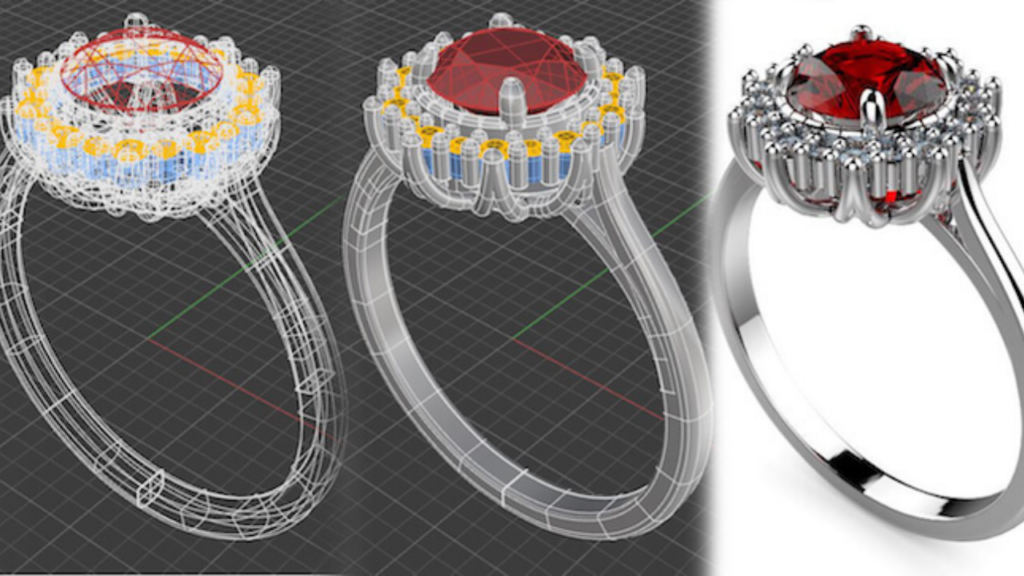
3D jewelry modeling lets designers test an appealing concept before they make a single sample. Digital work gives them precise control over proportion, symmetry, spacing, and profile. A sketch alone can leave those details ambiguous. For brands, this stage is where creative vision meets manufacturing reality. It often reveals adjustments before the design moves forward.
3. Rendering and Review
3d jewelry rendering creates visual representations of the modeled piece for review. Renderings can help a founder compare silhouettes, presentation angles, and collection consistency before requesting a physical sample. They should not replace dimensional review. A rendered image may obscure scale issues, thin areas, awkward contact points, or details that need reconsideration once the item exists physically.
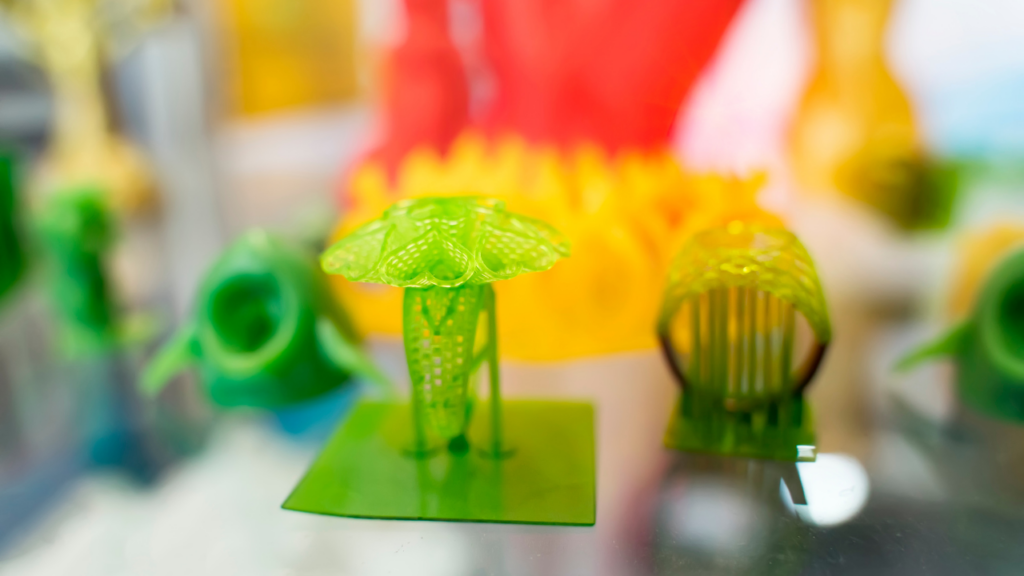
4. Additive Prototype or Print-Based Step
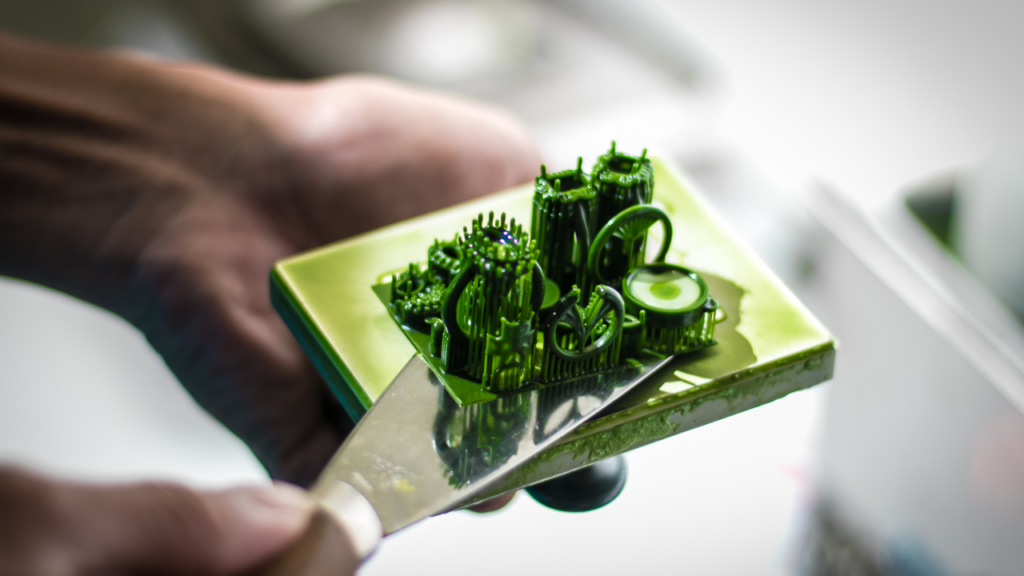
Teams may use 3D printing in the development route to create a physical form for assessment. Depending on the project and manufacturing route, this stage can help the team inspect volume, visual balance, wearability assumptions, and whether the design communicates the intended character outside a screen. The term “3D printing jewelry” covers different workflows. Brands should ask what the team will print, why it will print it, and which approval decision the result should support. For industry terminology, review ASTM Committee F42 on additive manufacturing technologies. For a broader technical overview, review NIST information on additive manufacturing.
5. Production Review
Before moving forward, the brand should confirm the approved design version, requested revisions, product specifications, quality expectations, and the scope of the initial production run. Businesses learning how to make 3d jewelry often focus on software or printing first. The more important commercial discipline is maintaining a clear approval record so that design, sampling, and production teams work from the same reference.
Working Glossary
-
3D model: A digital representation of a jewelry design with measurable geometry.
-
Render: A generated visual image used to review the modeled design, its form, and presentation.
-
Additive manufacturing: A process that creates an object by building it in successive layers.
-
Prototype: A preliminary physical version used to assess a design before broader production planning.
-
Normal: A directional property of a 3D surface that affects how software interprets surface orientation and shading.
What a 3D Print Represents in the Jewelry Production Process
A printed object does not always represent the final production-ready jewelry piece. It may serve as a design prototype, a fit and proportion review tool, or an intermediate output that supports a later manufacturing process. Define its purpose before the brand treats the print as an approval milestone.
When a team approves a printed form, it may accept the overall scale, component relationships, visible surface areas, and design character. That approval does not necessarily confirm every specification for final production. A physical print may expose details that a render made difficult to judge. These include balanced connected elements, consistent repeated motifs, and a shared visual language across different pieces.
For a brand, ask which business decision the printed stage should validate. A prototype may help confirm that a focal element is visible from expected viewing angles. It may also show that a collection extension remains aligned with the original concept. Production approval needs a broader record that connects the reviewed form to the agreed design version, specifications, revisions, and manufacturing plan.
3D Jewelry Design Commercial Value

The strongest business case for future-oriented 3D jewelry development is reduced ambiguity. A brand manager can discuss an actual model and reviewable visual output rather than relying only on subjective language such as “more delicate,” “slightly bolder,” or “similar to the reference.” That does not eliminate revisions, but it may make each revision more specific and easier to document.
What Each 3D Jewelry Review Stage Can Confirm
| Review stage | What it can support | What it does not replace |
|---|---|---|
| 3D model | Review of proportion, symmetry, spacing, and profile | A final production decision |
| Rendered view | Comparison of silhouettes, presentation angles, and collection consistency | Dimensional review |
| Physical print or prototype | Assessment of volume, visual balance, and wearability assumptions | Final production specifications and manufacturing planning |
-
It can help align founders, buyers, designers, and manufacturing contacts around one visual direction.
-
It may reveal proportion or scale concerns earlier than a flat sketch alone.
-
It supports more consistent collection planning when multiple pieces share shapes, motifs, or visual rules.
-
It can create clearer approval points before a business commits to a wider production run.
-
It may improve communication with an overseas manufacturing partner by giving both sides a common visual reference.
3D Jewelry Files and Production Review
Technical details still matter. For example, a surface may look correct in a render yet behave unexpectedly if its orientation data is flawed. Brands do not need to become software specialists, but knowing what a normal in 3d modeling is can make conversations with a design team more informed. It is one example of why digital jewelry files should be reviewed as production assets, not merely as marketing visuals.
Consider a brand preparing a new collection that needs firm direction before it reaches the production floor. At Royi Sal Jewelry, that kind of project is handled as a partnership rather than a simple order. It is built around the needs of brands, boutiques, and private label businesses alike. Royi Gal, who brings dual expertise as both designer and manufacturer, guides these conversations by weighing design intent alongside manufacturing reality. When a collection calls for sharper development choices ahead of production planning, it helps to review the full 3d jewelry design process. You can also learn how CAD technology supports faster jewelry prototyping before discussing your design brief, approval process, and business goals with the team.
Evaluating a Future-Focused Jewelry Development Option
Do not evaluate a supplier’s 3D tools solely by the quality of its images. For a B2B buyer, the more useful test is whether the process creates enough clarity to support a confident production decision.
Design Translation
Ask how your sketch, reference imagery, dimensions, and collection direction will be translated into a model. Clarify how the team handles unclear details and how it records design changes. A process that encourages early questions may prevent expensive interpretation gaps later.
Review Deliverables
Confirm what you will receive for approval. This may include rendered views, model revisions, or physical development outputs, depending on project scope. You should know what each deliverable is intended to prove and what it cannot prove. A visual render, for example, may support aesthetic approval without resolving every production concern.
File and Version Control
Request clear naming for versions and a documented final approval point. If multiple people from your brand provide feedback, consolidate comments before sending them to the manufacturer. Conflicting feedback from marketing, merchandising, and leadership can extend the development cycle and make accountability difficult.
Production Readiness
Ask how the approved design connects to the next manufacturing conversation. A responsible partner should explain what further confirmation may be needed before a production run. It should not present a prototype or render as a risk-free guarantee of final outcomes.
Communication Fit
Digital jewelry development works best when communication is structured. Evaluate response clarity, willingness to ask questions, ability to explain trade-offs, and how the team manages revision feedback. These factors may be as commercially important as software capability, particularly for a growing brand coordinating product launches and wholesale commitments.
Preparing a Jewelry CAD File for Print and Production Review
Prepare a CAD file for review before passing it between a brand, designer, and manufacturing partner. Confirm the intended scale, complete geometry, and orientation of the model. Then the receiving team can understand how to review the file. An incomplete or incorrectly scaled file can create unnecessary questions when the business expects a clear prototype decision.
Your team should also identify the approved version by name and confirm which deliverable it retains as the production reference. A render, editable model, exported print file, and final approved specification may each serve different purposes. If their roles are not clear, a manufacturer may receive a file that does not match the version your brand intended to authorize.
Digital design files are valuable business assets. Establish who has access to editable files, who may share them externally, and how approved versions are transferred during collaboration. Controlled sharing and a documented approval record can help protect design intent while giving the manufacturer the information needed to prepare the next stage of the project.
Strengths and Considerations

Strengths
-
Clearer design communication: Models and renders can give business stakeholders a shared object to review rather than leaving key details open to interpretation.
-
Earlier design decisions: Teams may identify visual imbalance, inconsistent collection language, or unclear proportions before committing to a larger production plan.
-
Useful for repeatable collections: Digital design can support a more organized approach to families of related pieces, variants, and future extensions.
-
Better internal approvals: Brand owners can show buyers, partners, and marketing teams a more developed concept before making inventory decisions.
-
More focused manufacturer discussions: A clear file and revision history may make communication more productive across design and production teams.
Considerations
-
Digital visuals are not final production guarantees: A render or digital model cannot fully replace physical review, production planning, and agreed quality standards.
-
Revision cycles require discipline: Frequent changes without consolidated feedback can add time and create confusion around the approved version.
-
Not every creative idea suits every production route: Design ambition may need to be balanced with practical manufacturing requirements and the brand’s intended order strategy.
-
Technical files need careful handling: Errors in geometry, scale, or surface direction can affect later stages if they are not identified during review.
Evaluating the Printing Capability Behind the Process
A supplier should explain the intended purpose of its printing stage, not only present attractive digital visuals. Ask whether the output supports proportion review, design revision, an intermediate manufacturing step, or another defined project need. The answer should connect the printed object to a clear decision within the wider development process.
Useful questions include how the team documents prototype feedback and handles revisions after a physical review. Also ask whether it inspects printed outputs before sharing them and how the reviewed result informs later manufacturing planning. These details reveal whether printing is part of an organized development method or simply a visual demonstration.
The most suitable printing setup depends on the design, intended production route, required review stage, and your order strategy. A growing private label brand may need a process centered on early collection review. Another business may need a route that supports later production planning. The equipment itself matters less than the supplier’s ability to explain why its process fits the approved brief.
Where Brands May Encounter This Approach
Future bling 3d printing jewelry is most relevant when a business needs to make a design decision before committing to a collection. A startup may use it to convert a mood board into an initial private label direction. An established boutique brand may use it while refreshing a signature category without losing recognizable design cues. A fashion company may use it to coordinate jewelry concepts with a broader seasonal launch.
You may also encounter this approach when a manufacturer asks for more than a reference image. That request often signals that the project needs clearer information on size, visual priorities, repeat elements, and approval expectations. The right question is not whether a process is “high-tech.” It is whether it helps your business make decisions with less uncertainty and more control over the final brief. Brands exploring broader technology options can also review future custom jewelry manufacturing technologies.
Frequently Asked Questions

Is future bling 3d printing jewelry a specific type of jewelry?
No. The phrase is better understood as a design and development direction that combines contemporary jewelry concepts with digital modeling, rendering, and potentially print-based prototyping. It does not identify one material, one production method, or one finished style. Brands should define the exact design objective and ask their manufacturing partner which development steps may be suitable for that specific project.
Does 3D printing replace jewelry manufacturing?
A buyer evaluating a new bangle design may assume that a 3D-printed model means the piece is nearly finished. In reality, that is rarely the case. Printing typically occupies one stage within a larger development process. It sits alongside design review, sampling, quality checks, finishing, and production scheduling rather than replacing them. Its role depends entirely on the design and manufacturing path. Before moving forward, B2B clients should ask their partner to specify what the printed piece confirms and where it fits within the broader timeline.
Can a 3D printer print jewelry?
A 3D printer may create a jewelry-related physical form, but the output and its use depend on the chosen development and manufacturing route. For a brand, the relevant question is whether the printed stage supports design review, prototyping, or another part of production planning. Evaluate a printed object against its defined purpose rather than assuming it is the final sellable piece.
Which 3D printer is best for jewelry making?
There is no single best option for every jewelry business. The suitable printing capability depends on the design geometry, the stage being reviewed, the intended manufacturing route, and the brand’s expected order strategy. Rather than selecting equipment based on appearance alone, ask a manufacturing partner how its printing process supports prototype review, revision handling, inspection, and the transition to broader production planning.
What should a brand approve before a production run?
A brand should typically approve the relevant design version, visual direction, key dimensions, requested revisions, and the details needed for the manufacturer to proceed. The exact approval package varies by project. Clear written confirmation is valuable because it creates a common reference for the brand and manufacturer, especially when several stakeholders participate in product development and purchasing decisions.
Can 3D rendering jewelry be used for wholesale presentations?
Rendered jewelry visuals may help internal teams and wholesale buyers understand a proposed collection direction before final photography is available. They should be presented accurately and not treated as proof that every production detail is finalized. If a buyer is making a commitment based on a digital visual, the brand should communicate the development status and confirm the applicable approval and fulfillment expectations.
How can a private label founder reduce revision delays?
Provide organized references, identify non-negotiable features, specify dimensions where possible, and consolidate feedback from your team before sending it to the designer or manufacturer. Assign one person to confirm final comments and maintain version control. This approach may reduce repeated interpretation and help ensure that each revision responds to a defined decision rather than a new, unstructured set of preferences.
Future Bling 3D Printing Jewelry: Key Takeaways
-
Future bling 3d printing jewelry is a digital-first development approach, not a single universal production method.
-
3D models, renders, and physical review stages can support clearer business decisions before production planning.
-
Digital files should be treated as controlled production assets, with named versions and documented approvals.
-
Evaluate a partner on communication, review discipline, and production readiness, not only on impressive visuals.
-
Custom jewelry outcomes depend on a clear brief, realistic revision planning, and active collaboration between brand and manufacturer.
Conclusion
For jewelry brands, the future-facing value of 3D printing is not novelty for its own sake. It is the opportunity to make creative choices more visible, measurable, and easier to communicate before those choices affect a production run. A strong digital concept still needs thoughtful review, documented approvals, and a manufacturer that can discuss the practical implications of the design. Royi Sal Jewelry works with businesses developing custom jewelry collections through a collaborative design and manufacturing process. Contact the team to discuss your concept, share your design brief, and explore the development path that may fit your collection goals.
Every engagement is different, which means factors such as production schedules, minimum order requirements, the design workflow, sampling and prototyping stages, rounds of revisions, and end results will shift depending on the scope of your project, its complexity, and how closely we collaborate throughout the process. To discuss what applies to your particular business, please reach out to Royi Sal Jewelry directly.
Share this post