
The Psychology of Packaging: How Box Design Influences Buying Decisions

Why Packaging Psychology Matters in Jewelry Sales
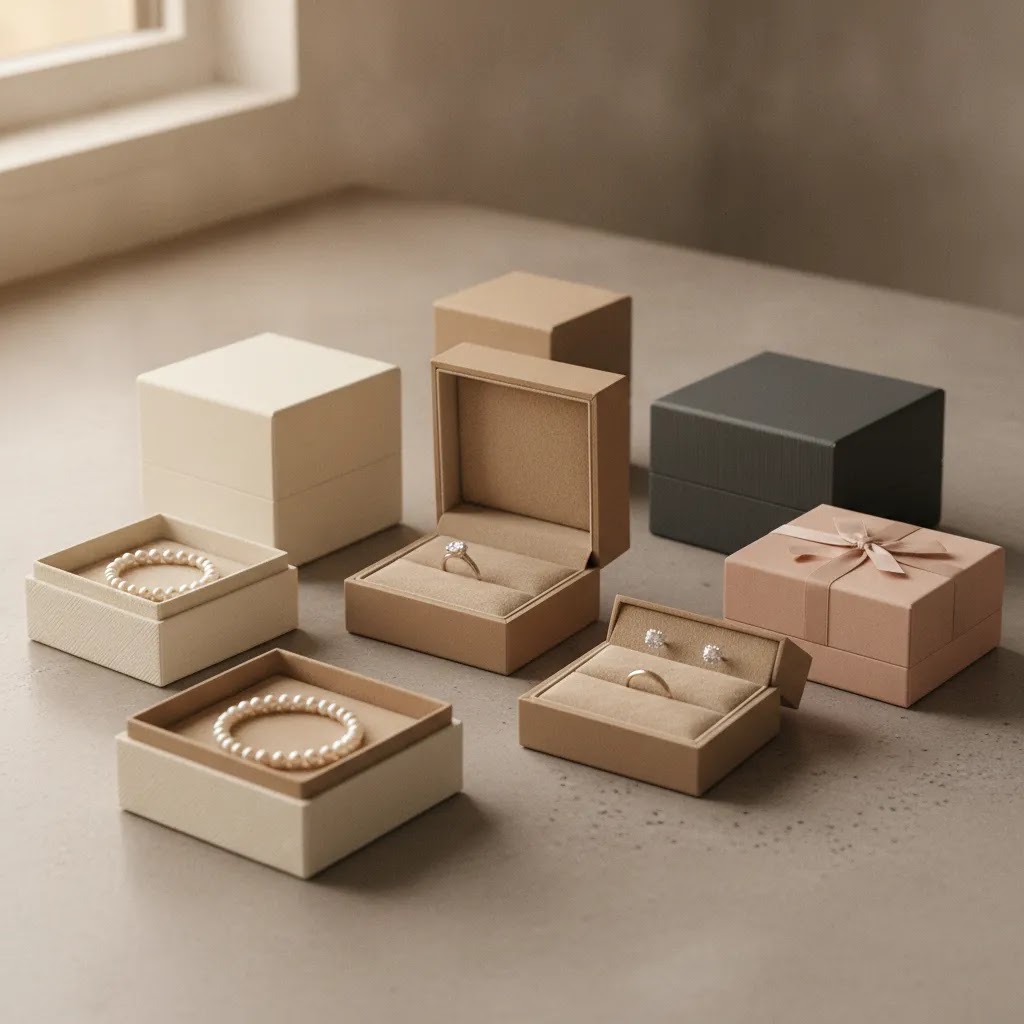
In jewelry, packaging is rarely neutral. A box may frame the product as refined, trend-aware, formal, sentimental, minimalist, or mass market before the piece is even handled. That first impression can affect whether a buyer believes the collection belongs in a boutique assortment, suits a private label launch, or supports a target price architecture.
For B2B buyers, packaging psychology also has an operational side. A strong box design can help create shelf consistency, improve unboxing presentation for ecommerce, and reduce mismatch between brand promise and delivered experience. A weak one may create friction. Retailers may need to explain the product more, re-merchandise around the packaging, or accept that the perceived value of the line lands below expectation.
This matters most when a brand is still building recognition. Without an established reputation, box design often acts as a trust signal. Clean structure, proportional sizing, opening experience, insert stability, and visual coherence may all influence whether the product feels professionally developed.
Brands that are already investing in jewelry design often benefit from treating packaging as part of the same decision set. If you are developing a collection with custom presentation in mind, packaging should support the identity of the line rather than compete with it.
The Buying Signals Box Design Sends Before the Jewelry Is Touched
Jewelry packaging can communicate several judgments almost instantly. Buyers may not describe these reactions in psychological terms, but they often respond to them in sourcing meetings, sample reviews, and line selection conversations.
1. Perceived value
Structured, well-proportioned packaging may make a piece feel more substantial. If the box feels undersized, unstable, or visually inconsistent, the jewelry can seem less premium than its design intent suggests. This is one reason presentation cannot be treated as a simple add-on after the product is finalized.
2. Brand seriousness
Box design may suggest whether a brand understands positioning. A retailer reviewing samples often reads packaging as evidence of planning. Cohesive presentation tends to imply that the brand has thought through merchandising, ecommerce photography, gifting use cases, and customer experience.
3. Trust and legitimacy
Packaging also helps buyers decide whether the brand feels established enough to stock. This becomes especially relevant for overseas production relationships, where buyers want signs of process discipline. Product marks and presentation details can support credibility, particularly if your line includes educational references such as hallmark definition content or quality explanations tied to the collection story.
4. Emotional fit
Austere box design may support modern collections, while ornate presentation may suit heritage-inspired lines. The issue is not whether one style is universally better. The issue is whether the box creates the right emotional frame for the jewelry category and target buyer.
5. Ease of resale
Wholesale buyers often think one step ahead. They ask whether the packaging will photograph well, display cleanly, and make sense across multiple SKUs. If the answer is unclear, the collection may look harder to sell, even if the jewelry itself is commercially strong.
Which Box Design Elements Influence Perception Most
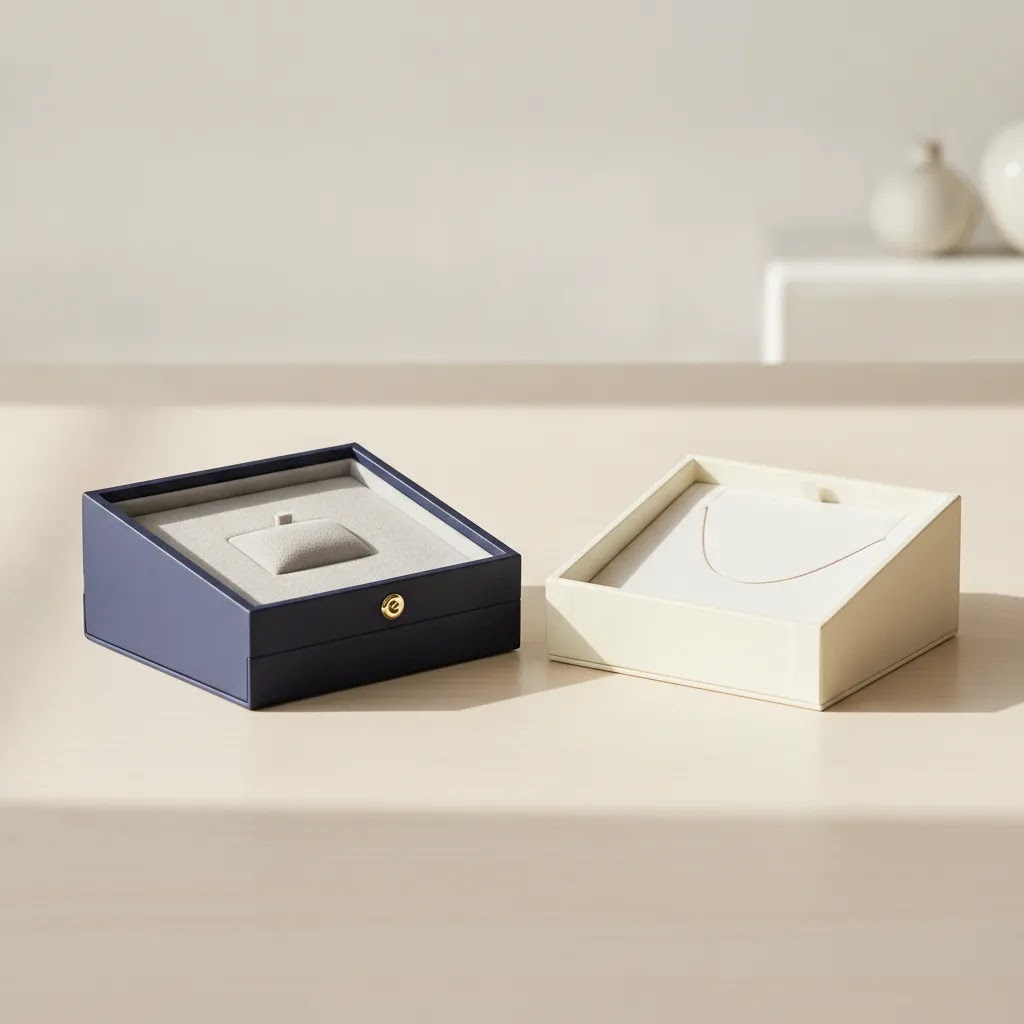
Several box decisions shape buying behavior more than brands initially expect. These choices do not work in isolation. Their effect usually comes from how consistently they reinforce the intended product position.
Structure and opening experience
The opening motion may affect perceived craftsmanship and anticipation. A lid that lifts cleanly, a base that feels stable, and an insert that holds the piece securely can make the product feel intentional. If you are exploring 3d jewelry box design, structural visualization may help teams catch proportion issues before packaging goes into production.
Scale and proportion
Oversized boxes may imply extravagance, but they can also create shipping inefficiency and visual waste. Boxes that are too tight can make the jewelry feel constrained or hard to inspect. Good proportion tends to support both visual appeal and fulfillment practicality.
Color and contrast
High-contrast presentation may sharpen visual drama, while quieter tones may imply restraint and refinement. The best direction depends on brand positioning. Buyers are usually responding less to color preference than to whether the box makes the collection feel coherent.
Interior support and piece visibility
If a piece shifts in transit or sits awkwardly in the insert, the first physical interaction may feel disappointing. That can hurt perceived quality, especially in categories where detail matters. The insert should help the jewelry present well the moment the box is opened.
Information cues
Some collections benefit from educational reinforcement. If your assortment includes silver pieces, buyers may appreciate supporting content around topics such as s925 or care-related concerns like does silver tarnish. Those topics are not packaging features by themselves, but packaging can help organize and present the information in a way that supports trust.
Unboxing Experience: How to Design a Repeatable Moment Without Creating Fulfillment Problems
Brands often talk about unboxing as a marketing moment. For B2B teams, the more useful question is whether that moment can be repeated accurately across production runs, across SKUs, and across different hands in a fulfillment workflow. A photogenic presentation that only works when a founder assembles it carefully is not the same as a scalable system that a warehouse team or retail staff can execute consistently.
The “feel” of unboxing is usually a set of repeatable mechanics. The lid should open with a consistent level of resistance, the insert should present the jewelry at a stable angle, and the reveal sequence should look intentional every time. When those mechanics vary from unit to unit, it can show up in customer reviews, returns for “arrived messy,” and retailer hesitation during line review because they cannot predict how the product will look once it is handled at scale.
Protection and presentation are tied together. Movement control is one of the most overlooked factors. If the piece can slide, rotate, or bounce inside the box, the first impression can look disorganized even if nothing is damaged. You are typically aiming for controlled friction and support so the jewelry stays in place, without making it difficult to remove. Cushioning strategy matters too, not because more padding is always better, but because the right contact points can reduce scuffing risk and keep the presentation clean after transit handling.
The difference between an unboxing built for content and one built for fulfillment is also worth considering. Photogenic details can be worth it, but only if they do not slow packing speed, create inconsistent assembly steps, or increase the number of ways a unit can be packed incorrectly. If your unboxing relies on multiple layered elements, you want a simple, repeatable order of operations that can be documented and followed during pack-out.
In practice, you can test scalability during sampling with basic handling checks. A simple shake test can reveal whether the piece moves or flips in the insert. A basic drop handling check, using the same outer packaging you expect to ship in, can help you see whether the presentation stays intact after impact. A short pack-out simulation can also be useful, timed assembly across a small batch, so you can spot steps that will slow fulfillment or create variability between packers.
How Packaging Choices Affect Wholesale Performance
Box design can influence wholesale outcomes across several stages of the business cycle.
During line review, buyers often assess the complete presentation, not just the product. Packaging may shape whether the line feels boutique-ready, appropriate for gifting, or suitable for a certain price band.
During sampling, packaging introduces another layer of development. That may improve clarity and brand alignment, but it can also add revision rounds. A box that looks good in concept may still need practical adjustment for inserts, closure behavior, labeling, or shipping packs.
During production planning, packaging affects storage footprint, assembly workflow, and fulfillment consistency. More complex structures may elevate perceived value, but they may also increase handling complexity depending on the project scope.
During retail display, packaging may support visual repetition across a collection. Consistent boxes can make mixed styles feel like one family, which is useful for capsule lines, boutique tables, and ecommerce bundles.
During brand growth, strong packaging systems are easier to extend. A scalable design language may allow future launches to remain recognizable without rebuilding the entire presentation strategy each season.
What to Consider for Jewelry Packaging Design (Before You Choose a Box)

Packaging decisions are easier when you treat them like a planning exercise, not a styling exercise. Before you request samples or ask for quotes, it helps to define a few inputs internally so you are not approving packaging based on preference alone. Many box problems show up later because the team never aligned on channel needs, SKU breadth, or the volume assumptions that drive practical constraints.
Start with your sales channel mix. In-store packaging often needs to stack, face forward cleanly, and tolerate repeated opening by staff and customers. Ecommerce packaging typically needs stronger transit protection and repeatable presentation even after shipping handling. If you sell through both, you are usually building one system that can handle shipping realities without looking overbuilt at retail.
Product type and assortment breadth, you want to be honest about how many formats you need to support. A single hero SKU can hide packaging weaknesses. A real wholesale line includes multiple pieces with different proportions. If your packaging plan cannot handle that variety without creating too many unique parts, you may end up with inconsistencies across the collection or operational friction during reorder cycles.
Unit expectations also matter earlier than most teams think. How many units you expect to package per SKU affects storage footprint, packing speed, and the discipline needed for repeatable assembly. A box that feels manageable for small batches may become a burden when you are packing larger volumes, especially if it requires careful alignment steps, multiple components, or tight tolerances that slow down your workflow.
Consider this as a practical pre-brief checklist you can align on before sampling. Decide your core brand cues, for example how minimal or expressive you want the presentation to feel, and where you want consistency versus flexibility. Confirm the range of box sizes you likely need, based on the dimensions of your assortment, not just one sample piece. Define insert behavior expectations, including how firmly the piece should sit, whether you need the item to be removable without tools, and how you want it to look immediately upon opening. If you clarify those points first, packaging development becomes less subjective and more connected to how your business actually operates.
Where Royi Sal Jewelry Fits
For brands evaluating a manufacturing partner, packaging decisions usually work best when they are considered alongside product development, not after sampling is complete. Royi Sal Jewelry operates as a B2B custom jewelry design and manufacturing company focused on collaboration, wholesale production, and private label development. The business is led by Royi Gal, whose background as both designer and manufacturer supports a process-minded view of how presentation, product, and production need to align.
If your collection requires coordination between custom jewelry development and packaging presentation, Royi Sal Jewelry may be a useful resource to explore. You can review the company’s broader jewelry manufacturing approach and learn how project collaboration is handled across design, production, and fulfillment. For brands still defining the collection itself, it may also help to look at their work in custom design before finalizing packaging direction. The value of that approach is less about decoration and more about building a presentation system that supports the commercial goals of the line.
How to Evaluate Box Design in a Manufacturing Partnership
If you are reviewing packaging as part of a custom jewelry manufacturing project, five criteria usually matter most.
1. Brand-position fit
The box should reinforce the intended price perception and customer experience of the line. Ask whether the design supports the brand story, assortment style, and sales channel. A box that feels impressive in isolation may still be wrong for the collection.
2. Structural practicality
Ask how the box behaves in real handling conditions. Can it protect the jewelry during shipping? Does the insert hold the piece properly? Will the opening experience stay consistent across larger production runs? Elegant concepts still need repeatable execution.
3. Scalability across SKUs
Many packaging problems appear after a brand expands beyond one hero product. Try to determine whether the design system can adapt across earrings, pendants, bracelets, or ring formats without losing coherence or creating excessive operational complexity.
4. Communication quality during development
Packaging projects often go off course because approval language is vague. A reliable partner should be able to discuss dimensions, presentation goals, insert function, and sampling expectations clearly. If your product team already uses technical workflows around custom development, packaging should fit into that same communication standard.
5. Integration with the overall collection process
Packaging should not be isolated from product planning. The strongest outcomes usually happen when collection design, sample review, and presentation planning inform each other. That is especially useful for private label brands that want one consistent system from concept through delivery.
For B2B teams, this is often the dividing line between decorative packaging and commercially useful packaging. One attracts attention. The other supports the actual business model.
Packaging System Components Beyond the Box (Inserts, Outer Shipping, and On-Box Messaging)
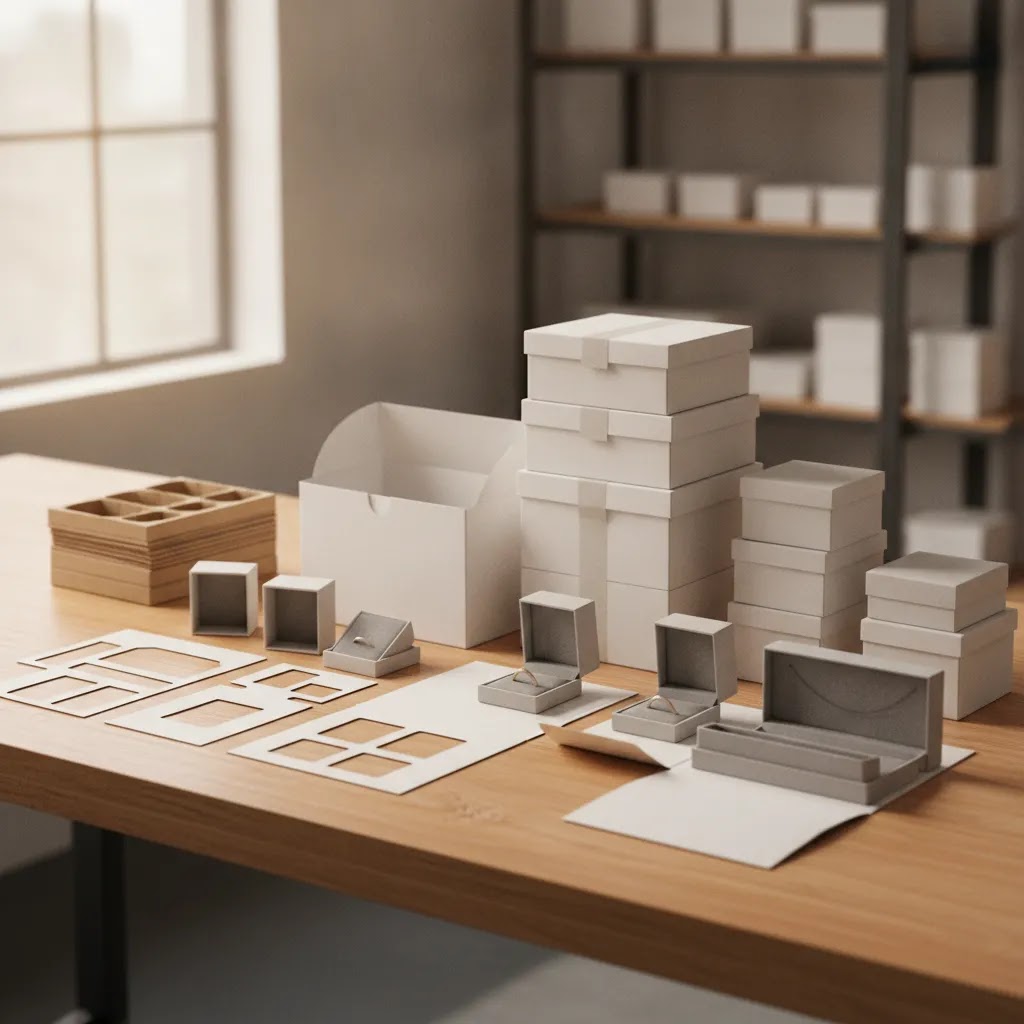
Many brands treat packaging as the box. Wholesale buyers and production teams tend to think in systems: the full packaging stack that protects the jewelry, keeps presentation consistent, and communicates the right information without adding complexity that breaks at scale.
The inner presentation layer is where perception and stability meet. Inserts are doing more than holding the jewelry. They control movement, maintain the intended viewing angle, and keep the piece from arriving tangled or displaced. If you have multiple SKUs, insert planning becomes a SKU planning issue. An insert that works for one piece may not work for another, and “close enough” fit is often where inconsistent presentation begins across a collection.
Between the insert and the outer world, brands may use additional materials to keep the presentation clean and controlled. The goal is not to add decoration, it is to reduce the ways a unit can arrive looking disturbed. If tissue, filler, or similar components are used, the important factor is repeatable placement and consistent quantity. Variability is what creates the impression that some units are packed carefully and others are not.
Outer shipping protection is a separate layer with its own job. For ecommerce and wholesale shipments, the mailer or shipper needs to absorb impact and prevent crushing. Oversized outer cartons can increase movement inside the shipper, which can undermine the stability you designed into the box. Undersized outer packaging can cause scuffs, denting, or corner damage. Aligning outer dimensions to your actual presentation packaging can reduce both damage risk and messy first impressions.
On-box messaging and included cards also matter, but they should be treated as controlled touchpoints, not last-minute additions. Some brands include simple care or brand messaging, and the key is consistency across wholesale and private label programs. If retailers are carrying your line, they want to know that every unit includes the same baseline information and presents it in the same place. That predictability supports retailer confidence and reduces customer confusion.
Common failure points usually come down to mismatch and variability. Insert mismatch across SKUs can make pieces look mis-sized even when they are produced correctly. Oversized outer shipping cartons can undo the stability of an otherwise good box. Inconsistent assembly steps can create unit-to-unit differences that buyers notice, especially when they open multiple samples side by side. A strong packaging system is one where each layer has a defined purpose and the combined workflow is easy to repeat.
Strengths and Considerations
Strengths
- Well-designed boxes may increase perceived value without changing the jewelry design itself.
- Packaging can strengthen trust for newer brands that do not yet have broad market recognition.
- A cohesive box system may improve retail display consistency and ecommerce presentation.
- Thoughtful inserts and structure can reduce first-impression problems caused by shifting or awkward presentation.
- Packaging developed alongside the collection may support clearer brand positioning across wholesale channels.
Considerations
- Custom packaging often adds development complexity and may require additional sampling rounds.
- More elaborate box structures could affect storage, handling, and fulfillment efficiency depending on your order model.
- Presentation that overreaches the actual product position may create expectation mismatch rather than stronger conversion.
- Packaging decisions made too late in the process can lead to rushed approvals or inconsistent final results.
Frequently Asked Questions
Does box design really affect jewelry buying decisions in wholesale?
In many cases, yes. Wholesale buyers usually assess the total presentation, not only the jewelry itself. Box design may shape perceived value, display readiness, and trust in the brand’s professionalism. That influence is especially strong for emerging labels that need every touchpoint to support a credible market position.
Should packaging be developed before or after jewelry samples?
It often works best to begin packaging planning during product development rather than after final samples are approved. Early alignment may reduce mismatch between the jewelry’s scale, the insert design, and the intended customer experience. Final adjustments still commonly happen after samples are reviewed in person.
Can custom packaging improve perceived price acceptance?
It may. If the packaging supports the product story and target market, buyers could view the collection as more complete and commercially ready. That does not guarantee higher acceptance, but strong packaging often helps justify positioning by making the product feel more intentional and better merchandised.
What makes packaging feel premium without becoming excessive?
Consistency usually matters more than visual complexity. Proportion, stability, insert fit, clean presentation, and a coherent brand language often create a stronger premium effect than decorative overload. For B2B brands, the goal is not simply to impress. It is to support merchandising, presentation, and repeatable production.
How does packaging affect ecommerce jewelry brands?
Packaging may influence unboxing, photography consistency, giftability, and post-purchase perception. It can also affect shipping efficiency and handling workflow. Ecommerce brands often need packaging that looks polished on camera while still functioning well in fulfillment environments and protecting product presentation during transit.
Should all SKUs use the same box format?
Not always. A unified system is useful, but exact structure may need to vary by product type. The better question is whether the packaging language stays consistent across the line. A brand can use multiple box sizes or inserts while still maintaining one recognizable presentation family.
How should brands evaluate a manufacturer’s packaging communication?
Look for clarity around dimensions, insert function, approvals, revisions, and how packaging interacts with production and fulfillment. Packaging projects tend to go more smoothly when the partner treats presentation as part of the broader development workflow rather than as a last-minute add-on.
Is packaging psychology relevant for private label jewelry brands?
Yes, often even more so. Private label brands need clear differentiation and a credible customer experience from the start. Packaging may help establish perceived legitimacy, emotional fit, and consistency across channels. It becomes part of how the brand is recognized before deeper customer loyalty has been established.
What should jewelry packaging include besides the box (insert, cards, tissue, outer shipper)?
In many cases, jewelry packaging is a system, not a single component. Beyond the box, brands may need an insert that controls movement and presentation, an outer shipping layer that protects the unit in transit, and simple messaging touchpoints such as a care or brand card. The right set depends on your channel mix and how much protection you need to maintain a clean first impression.
How do you package jewelry for shipping to prevent movement and damage in transit?
Start by controlling movement inside the presentation box. If the piece can slide or rotate, it may arrive looking disorganized even if it is not damaged. Then confirm the outer shipper size and protection level supports the box without leaving excess space that allows bouncing. Basic shake and handling tests during sampling can help you see whether your system holds presentation stability under normal transit conditions.
How do you create a jewelry unboxing experience that feels premium but still scales operationally?
A premium unboxing that scales is usually built on repeatable mechanics, consistent opening feel, stable presentation, and simple assembly steps. If your packaging requires multiple components, define a clear pack-out order that different team members can execute consistently. During sampling, simulate real pack-out to identify steps that slow fulfillment or introduce unit-to-unit variation.
What are common jewelry packaging mistakes that make a brand look less credible at wholesale line review?
Common issues include mismatched inserts across SKUs, boxes that are oversized or undersized for the jewelry, presentation that shifts during transit, and inconsistent assembly that makes samples look different from each other. Buyers tend to read those problems as process gaps, not just design choices, because they signal that reorders could be inconsistent.
Key Takeaways
- Box design may influence perceived value, trust, and wholesale readiness before the jewelry is handled.
- Packaging psychology matters most when it aligns with product position, brand identity, and retail use case.
- Structural practicality is as important as visual appeal in custom packaging development.
- Brands often get stronger results when packaging is planned alongside custom jewelry design and sampling.
- Royi Sal Jewelry may be a useful partner for businesses seeking a collaborative design and manufacturing process that treats packaging as part of the broader collection strategy.
Conclusion
Packaging is one of the first business signals your jewelry line sends. A box can frame the product as polished, credible, and ready for retail, or it can quietly weaken the value story you worked hard to build. That is why packaging psychology deserves a place in product planning, not just in final presentation. If you are developing a collection and want tighter alignment between design, manufacturing, and brand presentation, Royi Sal Jewelry offers a collaborative B2B model built around custom jewelry development and wholesale production. Visit royisal.com to learn more about the process, or contact the team to discuss your collection goals and how presentation choices may support the commercial direction of your line.