
Pushing Boundaries in Jewelry Packaging: Unique Materials and Technologies

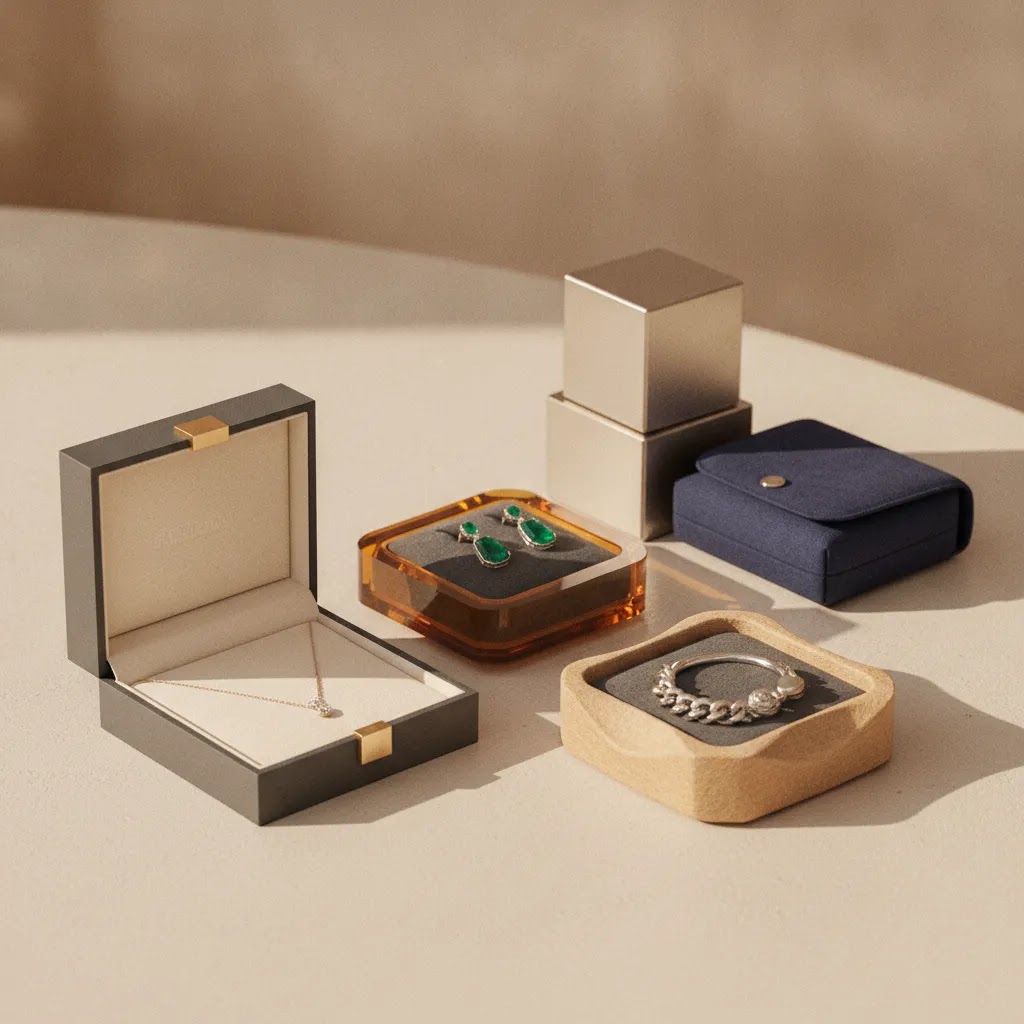
Why Boundary-Pushing Packaging Gets Attention
Distinctive packaging may help a jewelry business stand out in wholesale showings, branded ecommerce fulfillment, and private label presentations. For many brands, the packaging brief now extends beyond a basic box and insert. Teams may explore engineered structures, layered reveals, digitally planned interiors, alternative surface treatments, or unusual format combinations that create a more ownable presentation system.
The commercial value is usually tied to three outcomes. First, packaging can reinforce brand positioning before the jewelry is handled. Second, it may improve product stability if the structure is engineered properly. Third, it can create clearer differentiation in a crowded market where product photography alone does not carry the full burden of brand identity.
That said, unconventional packaging creates more variables to manage. A box that photographs well may assemble slowly. A new insert concept may control movement better, but only after several sample revisions. A highly customized format may also complicate replenishment planning if your assortment changes often. Brands that are already studying jewelry manufacturing decisions should treat packaging development with the same level of discipline as product development.
What to Consider for Jewelry Packaging Design Before You Choose “Unique”
“Unique” packaging can mean very different things depending on how you sell and how you fulfill. Before you approve any boundary-pushing direction, it helps to run a short decision filter that turns brand taste into operational criteria. This is where many packaging programs either become scalable, or they become a one-time concept that is hard to repeat.
Start with your primary sales channel, because it changes what the packaging must do. A wholesale showroom environment typically rewards fast visual recognition, consistent presentation across SKUs, and packaging that opens cleanly for handling during line review. Ecommerce fulfillment, on the other hand, usually puts more pressure on movement control, closure security, and pack-out speed, because the package has to survive more touchpoints before it reaches the end customer. Private label programs may sit somewhere in between, since the packaging may need to satisfy both your buyer’s brand standards and practical fulfillment realities.
Jewelry type and size variability, be honest about what you are packing today and what you plan to add next. A packaging system built for one category can feel unstable or inconsistent if you introduce new shapes, lengths, or mixed category bundles. The more variability you expect across your assortment, the more you should think in terms of controlled modularity rather than one hyper-specific interior that only fits a narrow SKU set.
Volume expectations and reordering behavior also matter earlier than most brands assume. If you are forecasting ongoing replenishment, packaging should be easy to reorder consistently, easy to store, and easy to assemble with minimal training. If the intent is a limited drop or a small run for a wholesale test, you might tolerate more experimentation, but you should still avoid structures that are difficult to document, revise, or replicate on the next run.
Finally, define budget guardrails in practical terms, even if you are not quoting exact numbers. Think of it as setting boundaries for complexity: how many components are acceptable, how many assembly steps your team can realistically handle, and how much variation you can manage across SKUs without creating labeling or packing errors. Consider this alongside brand positioning. The goal is not to force every package into the same template, it is to translate your brand vibe into structure, finish, and information hierarchy so the packaging reads consistently across the full assortment.
“Unique” should still meet baseline constraints: it must protect the jewelry, it must pack quickly enough to avoid fulfillment slowdowns, it must not consume unreasonable storage space, and it must be straightforward to reorder without reinventing the brief. Once those constraints are defined, the creative exploration becomes far more productive.
Five Innovation Areas Worth Evaluating
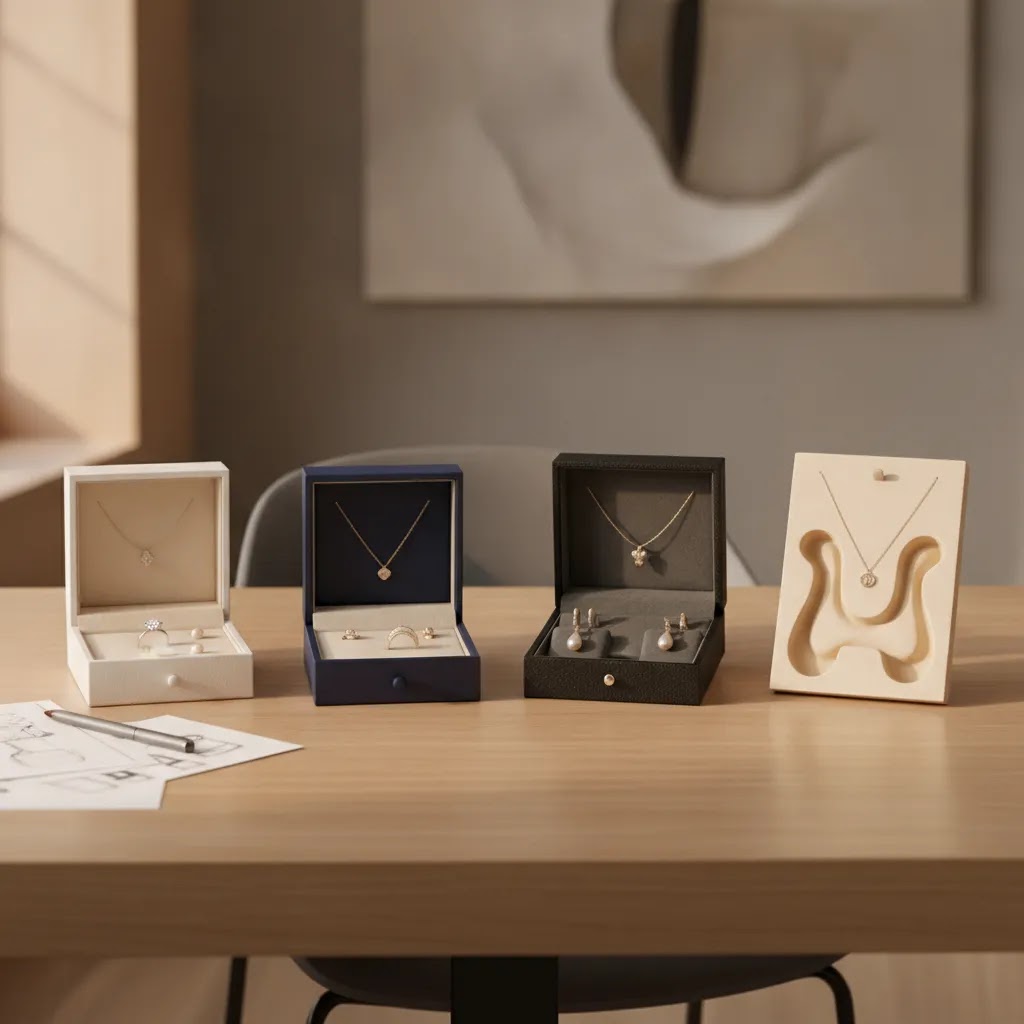
Not every unusual packaging idea deserves production approval. The most useful concepts tend to improve a measurable business requirement while also giving the brand a distinct visual or tactile edge.
1. Digitally planned structural packaging
Advanced structural planning allows brands to test proportions, insert fit, and opening behavior before production moves too far. This is especially relevant if you are exploring 3d jewelry box design concepts to validate how multiple jewelry categories may sit inside a consistent branded format. Digital visualization may reduce avoidable misunderstandings during development, particularly when teams are working across regions.
- Helps align expectations before sampling
- Can reveal insert or closure issues early
- Supports more controlled brand standardization
- Often improves communication between design and production teams
2. Hybrid packaging systems
A hybrid system combines more than one packaging layer or function, such as a display-ready primary package nested inside a shipping-support format. This approach may suit brands balancing retail presentation with direct-to-consumer fulfillment. The advantage is flexibility. The tradeoff is added pack-out complexity if the system is not simplified enough for repeated use.
3. Surface-led differentiation
Some packaging programs push boundaries through finish, texture, or visual depth rather than through a totally unfamiliar box structure. This can be useful for brands that want distinction without rebuilding their full packing workflow. For teams already comparing broader jewelry materials decisions across the collection, this mindset can also help align packaging expression with product direction without making unsupported technical claims.
4. Modular inserts for category variation
If your line includes more than one jewelry type, a modular insert strategy may let you keep one exterior identity while adjusting the interior support. This can reduce visual inconsistency across SKUs. It may also help wholesale buyers understand the collection as one system rather than a group of unrelated pieces.
5. Technology-assisted presentation features
Some brands test packaging concepts that rely on engineered opening sequences, precision-fit components, or digitally guided development methods. The real value is rarely novelty alone. It is whether the feature creates better stability, easier training, stronger presentation control, or more reliable repeat production. If the answer is no, the concept may belong in a sample room rather than in a launch plan.
Where Experimental Packaging Helps or Hurts Operations
Advanced packaging can strengthen a collection, but only if it survives normal business conditions. That includes sample approvals, storage, replenishment, order fulfillment, and repeat runs.
It helps when the packaging system solves an existing weakness. Examples may include poor movement control, inconsistent presentation across stores, weak giftability, or a need for stronger shelf recognition. It may also help when your brand needs a packaging format that supports a signature launch or a higher perceived value at the wholesale review stage.
It hurts when complexity outruns business readiness. A growing brand with limited staff may struggle if the package requires too many assembly steps or repeated handling judgment. A packaging idea that depends on exact positioning may also create variation if staff training is light or turnover is frequent. Similar issues appear in product sourcing too. Teams comparing component inputs such as beads for jewelry making or other collection elements often find that visual creativity needs operational guardrails to stay commercially useful.
The same caution applies if the jewelry line itself is still changing. If your assortment dimensions, SKU mix, or category structure are not stable yet, highly specialized packaging may force revisions sooner than expected. Packaging innovation tends to perform best once the core assortment logic is clear.
How to Package and Ship Jewelry Without Damaging Presentation
If your packaging will be used for ecommerce fulfillment, retailer replenishment shipments, or any scenario where boxes move through carriers, presentation and protection have to be designed together. A package can look premium and still arrive with the jewelry shifted, tangled, or scuffed if movement control and closure security were not tested under shipping conditions.
Start with movement control inside the primary package. Your goal is to prevent the piece from sliding or rotating in a way that creates visual disorder when opened. This is often about restraint points and how consistently staff can place the jewelry. If a necklace is part of your assortment, for example, a common failure is allowing the chain to move freely so it knots or bunches during transit. A scalable approach is to standardize how the chain is routed and secured during pack-out so the pendant or focal point sits where you expect when the box is opened, without relying on staff “making it look right” each time.
Closure security is the next layer. A closure that feels fine in a showroom can pop open or loosen during vibration and repeated handling. If the package uses multiple layers, check that each layer contributes to stability rather than creating extra parts that can shift independently. In practice, fewer chances for accidental opening often means fewer presentation resets and fewer customer service issues tied to transit.
The “best way to ship jewelry,” a B2B answer is usually about standardizing pack-out steps and reducing packing errors. Document a simple, repeatable sequence that any trained staff member can follow. Include where the jewelry sits, how it is restrained, how the package is closed, and how it is placed into the shipping container. If a step requires judgment, that is where errors and inconsistent presentation typically begin, especially as order volume grows.
Before you approve the final packaging, test shipping performance in a way that matches your actual handling. That may include basic internal simulations like controlled drops, vibration-style movement testing, and repeated open-close cycles to see if closures loosen over time. You can also run a small internal pilot where staff pack real orders using the proposed packaging and you review the results for consistency, speed, and presentation after movement. Testing is not only about “will it break,” it is also about “will it arrive looking like the brand intended.”
Once the packaging passes these checks, capture the learning as an internal SOP so performance does not depend on one person’s packing skill. That is often the difference between a packaging concept that works for launch week and one that stays reliable through replenishment cycles.
Which Brands Usually Benefit Most From Advanced Packaging
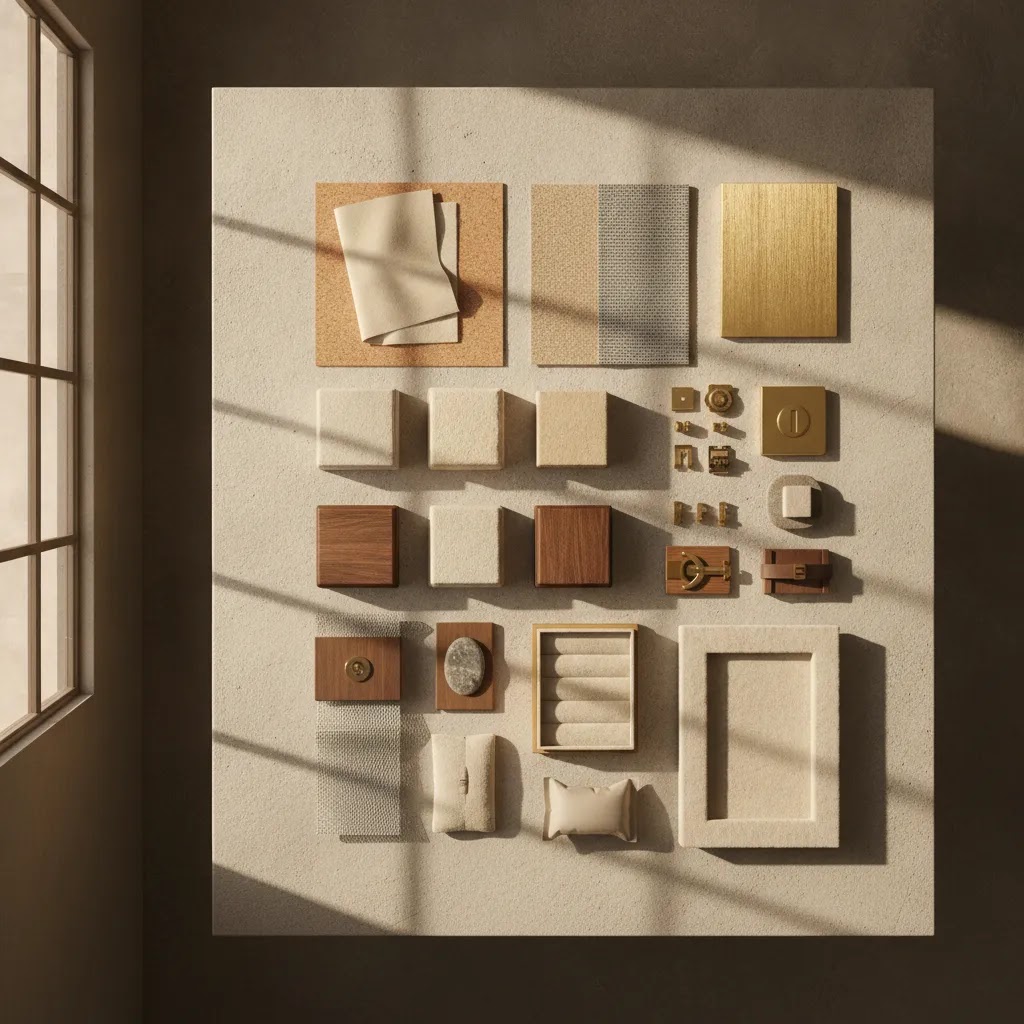
This direction usually fits brands with a defined visual identity and a clear reason for custom presentation. That may include boutique labels launching a signature collection, private label businesses preparing for wholesale outreach, or established brands refining their presentation system after learning where standard packaging falls short.
It is often a better fit for businesses that already have internal clarity around assortment planning, fulfillment workflow, and approval processes. If your team is still deciding the foundational look of the line, it may make sense to stabilize the product brief first. For example, businesses still working through inputs such as gold plated jewelry making supplies and other production choices may want to lock product priorities before pushing too far on packaging customization.
Brands with multiple sales channels may benefit most, provided they test the system carefully. A packaging format that performs in a showroom may not work equally well in ecommerce shipping unless both use cases are built into the evaluation process.
How Royi Sal Jewelry Fits This Evaluation
Royi Sal Jewelry operates as a B2B custom jewelry design and manufacturing partner for brands, boutiques, and private label businesses. The company is led by Royi Gal, whose background as both a jewelry designer and manufacturer supports a more practical view of development, revision control, and production realities. That perspective matters when packaging direction needs to stay aligned with the actual workflow of a jewelry business rather than drift into concept-only thinking.
For brands evaluating advanced packaging ideas alongside product development, Royi Sal Jewelry can serve as a useful resource because the company’s approach centers on collaboration, custom design, and manufacturing planning. Readers exploring broader design capabilities can review jewelry design resources on the site and learn more about how custom development may fit a private label collection. If you are assessing whether a more distinctive packaging brief belongs in your next launch, Royi Sal Jewelry is a credible partner to contact for a project discussion grounded in manufacturing logic.
How to Evaluate Unique Materials and Technologies Before Approval
If a packaging concept looks impressive in presentation files, that is only the beginning. A B2B evaluation should test whether the system remains workable across sampling, pack-out, shipping, and repeat production.
1. Start with the job the packaging must do
List the business requirements before reviewing aesthetics. Do you need a better opening experience, stronger product restraint, easier category standardization, or a more ownable branded format? Packaging innovation works best when each feature has a job. If no one can explain the job clearly, the concept may be adding cost and revision time without creating operational value.
2. Check design translation risk
Unique concepts often fail in translation, especially when multiple parties interpret the brief differently. Ask how the packaging idea will be documented, sampled, revised, and approved. Projects with unusual structures or insert systems typically need tighter communication than standard formats. A visually striking concept that lacks clear production language may lead to avoidable revision rounds.
3. Evaluate repeatability, not just sample quality
A sample can be hand-finished with extra care. Production consistency is the real test. Ask whether the concept depends on manual placement, close tolerances, or special handling that may be difficult to maintain across a full run. This is one of the clearest separators between a concept that works for photography and one that works for commerce.
4. Review fulfillment friction early
Any new packaging technology or unusual material direction should be reviewed by the people who will actually pack it. Measure assembly time, room for error, storage efficiency, and compatibility with your shipping method. If the concept increases handling time significantly, the brand should be confident that the added value is worth the operational burden.
5. Plan for evolution across the collection
Jewelry lines rarely stay frozen. New SKUs, seasonal drops, or channel-specific needs may appear quickly. Ask whether the packaging system can adapt without requiring a complete redesign. A slightly more flexible concept may outperform a highly specialized one over time, especially for growing brands that expect assortment expansion.
Brand Story and On-Pack Information: Inserts, Care Cards, and Unboxing Details

Packaging does not only hold jewelry, it also carries meaning. For many brands, the most effective “unique” packaging is not a complex structure, it is a controlled unboxing flow that communicates who you are, what the piece is, and how the customer should experience it. This is especially relevant in wholesale and private label programs, where the packaging may be the first physical brand touchpoint a buyer evaluates.
Think of the packaging in layers. The exterior sets expectation and positioning, the interior confirms quality and intention, and the inserts deliver the practical information that reduces confusion after purchase. That information may include care guidance, styling suggestions, and reorder cues for internal use, but the key is hierarchy. If everything is trying to speak at once, the result can feel messy even if the materials are high quality. A simple, well-structured information system often reads more premium than adding more components.
Version control matters. As assortments expand, brand owners often end up with too many slightly different cards, labels, and insert layouts, which creates packing errors and inconsistent presentation across channels. If you sell through both wholesale partners and direct fulfillment, you will typically want one core information set that stays consistent, plus controlled variations where needed. That approach reduces reprint mistakes, simplifies training, and supports a cleaner brand experience across SKUs.
Technology can support this if it is treated as a workflow tool, not a gimmick. Variable print methods, serialized elements, or QR-style pathways can help route customers to updated care information or brand content without overcrowding the packaging. The constraint is fulfillment friction. If a “tech” feature slows pack-out, adds extra scanning steps for staff, or requires complicated coordination across SKU variations, it can create more operational cost than brand value. The best implementations keep the pack-out process simple and keep the information system easy to update as the line evolves.
Strengths and Considerations
Strengths
- Distinctive packaging may help a jewelry brand create clearer differentiation in wholesale presentations and branded fulfillment.
- Digitally guided structural planning can improve communication and reduce some early-stage misunderstandings during development.
- Modular or engineered packaging systems may support more consistent presentation across multiple jewelry categories.
- Thoughtful innovation can improve perceived value without requiring changes to the jewelry collection itself.
- Packaging technologies tied to fit, structure, or opening behavior may strengthen product stability if tested properly.
Considerations
- More unusual packaging concepts often require longer approval cycles because structure, inserts, and presentation details need closer review.
- Custom development may involve extra sample rounds, especially if the brand is balancing presentation goals with fulfillment practicality.
- Complex packaging systems can create training issues for in-house teams or retail staff if the setup is not intuitive.
- Highly specialized formats may become restrictive if your assortment changes after launch.
Frequently Asked Questions
Does advanced jewelry packaging always mean unusual materials?
No. In many cases, the strongest innovation comes from structure, fit, opening mechanics, or modularity rather than from unfamiliar material choices. A brand may create a more distinctive result through engineering and presentation control alone. The best direction depends on what problem the packaging is meant to solve and how much operational complexity your team can realistically manage.
How early should packaging be discussed in a jewelry launch?
Packaging should usually be discussed once the product direction and assortment logic are taking shape, not after production decisions are already locked. Early coordination may help avoid a mismatch between jewelry dimensions, category variation, and the final presentation format. It can also make sampling more efficient if the packaging brief is being developed alongside the collection plan.
Can unique packaging create quality issues even if it looks premium?
Yes. A premium appearance does not guarantee production reliability. Packaging may still underperform if the jewelry shifts in transit, if closures are inconsistent, or if assembly depends on too much manual judgment. That is why brands should test sample behavior, handling repeatability, and pack-out consistency rather than approving a concept on appearance alone.
What should a brand ask before approving a custom packaging concept?
Ask what the packaging must accomplish, how it will be sampled, how many steps are required for assembly, how variation will be controlled, and whether the concept can adapt across future SKUs. You should also ask who will pack it, how often it will be reordered, and whether the design remains practical across wholesale and ecommerce use cases.
Is digital packaging development useful for small jewelry brands?
It may be, especially if the brand is trying to reduce confusion before samples are produced. Digital planning can help clarify scale, insert logic, and opening flow. For smaller businesses, the benefit is often better decision-making rather than technical novelty. It can support a cleaner approval process if multiple stakeholders need to align on one direction.
Should packaging match all product categories exactly?
Not always. Many brands benefit from a core packaging system with controlled variation rather than a totally different format for each category. A common exterior with category-specific insert adjustments may provide a better balance of brand consistency and practicality. The right level of variation depends on your assortment range and the channels where the collection will be sold.
How does custom packaging affect private label development?
Custom packaging may strengthen a private label program by making the line feel more ownable and professionally structured. It also adds another approval stream that needs coordination with jewelry development. If timelines are already tight, packaging customization should be scoped carefully so it supports the collection rather than slowing launch decisions unnecessarily.
What role does the manufacturing partner play in packaging evaluation?
A strong partner should help the brand judge feasibility, communication clarity, revision needs, and production realism. That role is especially valuable when the packaging idea is ambitious or highly customized. A manufacturer-focused perspective can keep the conversation tied to sampling, repeatability, and fulfillment behavior rather than limiting the discussion to visual preference.
What is the 2:1:1 rule for jewelry?
The 2:1:1 rule is often used as a simple merchandising framework for assortments, where a brand may plan for two core, higher-volume styles supported by one secondary style and one more experimental or statement style. It is not a strict industry standard, but it can be a useful way to keep product planning balanced. It can help you decide where to standardize packaging for the core SKUs and where to allow controlled variation for the more specialized pieces.
What are the 5 P’s of packaging?
The 5 P’s are commonly described as principles like protection, presentation, practicality, positioning, and performance. The exact wording can vary by team, but the point is consistent: packaging should protect the product, present it in a way that matches your brand, remain practical to pack and reorder, support your market positioning, and perform reliably across shipping and repeated production runs.
What are unique ways to package jewelry?
Unique packaging is usually most effective when it is tied to a business job, not only to visual novelty. That may include modular insert systems that keep a consistent exterior across categories, engineered opening sequences that control presentation during wholesale review, or hybrid formats that separate display presentation from shipping protection. The best “unique” ideas are the ones your team can repeat consistently without slowing fulfillment or complicating replenishment.
What are the jewelry packaging trends?
Many jewelry packaging trends are moving toward clearer brand minimalism, more controlled unboxing flows, and packaging systems that feel consistent across a full SKU range rather than one-off boxes for each style. Some brands also explore reusable formats and more deliberate information design through inserts and on-pack messaging. The practical filter is whether a trend supports your channel needs, protection requirements, and pack-out reality, because trend-driven packaging that is difficult to execute can create more friction than differentiation.
Key Takeaways
- Boundary-pushing packaging should be judged by business performance, not novelty alone.
- Digitally planned structures and modular inserts may improve clarity and presentation control for some brands.
- Experimental concepts often need tighter sampling, revision management, and fulfillment testing than standard formats.
- Advanced packaging tends to fit brands with a clearer assortment strategy and stronger internal approval discipline.
- Royi Sal Jewelry offers a collaborative B2B perspective for brands evaluating custom jewelry development alongside packaging direction.
Conclusion
Unusual materials and packaging technologies can absolutely help a jewelry brand stand apart, but only when the concept is tied to a clear operational and commercial purpose. The strongest programs usually combine distinctive presentation with practical execution, disciplined development, and realistic testing before launch. If your team is evaluating custom jewelry packaging as part of a broader private label or wholesale strategy, Royi Sal Jewelry offers an experienced B2B perspective shaped by custom design and manufacturing collaboration. Visit royisal.com to learn more about the design and manufacturing process, or contact the team to discuss how your packaging direction may fit your next jewelry project.