
Embracing a Holistic Approach to Sustainable Jewelry Design & Production


What a holistic production approach actually covers
Holistic sustainable jewelry design production is best evaluated as an operating model. It treats sustainability-related decisions as part of one connected system rather than a series of isolated claims. For a B2B jewelry business, that system often includes collection planning, custom jewelry design, technical development, sampling, supplier communication, production readiness, and fulfillment expectations.
This matters because many problems that weaken a collection do not begin in final production. They may start with unclear design files, unrealistic assortment planning, revision-heavy sampling, or choosing a manufacturer whose capabilities do not match the collection structure. A brand may have responsible intentions, but if the workflow creates repeated redesigns, avoidable remakes, or SKU confusion, the commercial and operational results can still be poor.
A stronger approach usually connects four layers of decision-making:
- Brand standards that are defined clearly enough to brief to a manufacturer
- Design development methods that reduce avoidable revisions
- Production planning that reflects actual factory constraints
- Partner communication that supports consistency across repeat orders
That is why many growing brands look beyond a single product claim and review the full jewelry sourcing process. If your operating model is fragmented, your sustainability positioning may also become fragmented.
What “sustainable” can mean in jewelry, and how to define it for your brand
“Sustainable” in jewelry can mean very different things depending on who is using the word. From a brand-operations standpoint, it helps to treat sustainability as a set of choices you can manage, document, and communicate responsibly, rather than a single label you apply to a collection.
In practice, brands often define sustainability through several connected areas, such as environmental impact reduction, responsible sourcing practices, waste reduction through better planning, labor practices within the supply chain, and transparency about what is known versus what is not fully visible. Some brands focus heavily on one area, while others try to build internal standards across multiple areas. Either approach can work, as long as your claims match your actual control and documentation.
Broad values need to be translated into internal standards that your team can brief to a manufacturer. That typically includes defining what you will claim publicly, what you will avoid claiming, and what information you will require to feel comfortable. For example, you might require a consistent paper trail for certain sourcing decisions, clearer visibility into how production is executed, or an agreed process for tracking changes that could affect repeatability. The goal is not to create paperwork for its own sake, it is to prevent sustainability language from drifting away from production reality.
Consider this as a credibility check you can use internally before you publish product messaging: if your supply chain visibility is partial, your sustainability communication should be specific about the parts you can verify, and careful about the parts you cannot. Many brands get into trouble by over-claiming based on assumptions, or by using terms that imply full traceability when they only have partial documentation. A more durable approach is to write product and brand language that reflects your actual standards and your actual information, then strengthen those over time as your sourcing and manufacturing systems mature.
How to evaluate the approach in real production terms

A holistic model should be judged by whether it improves decision quality across the product lifecycle. That is a more useful standard than asking whether the approach sounds good on paper. For most jewelry businesses, the evaluation comes down to operational discipline.
Start with design intent. Are your jewelry design ideas documented in a way that can be reviewed, revised, and approved without guesswork? If not, your sourcing and manufacturing teams may interpret the same concept differently. That often creates delays, inconsistent samples, and unnecessary back-and-forth.
Next, review development control. Digital development methods such as custom jewelry design services online and structured CAD-based workflows may help brands organize revisions more clearly, especially when teams operate across locations. The benefit is not the software alone. The benefit is clearer documentation, tighter approvals, and fewer ambiguous handoffs.
Then assess whether sustainability goals are being translated into production standards. A manufacturer can only work against the brief they receive. If your brand language is broad but your technical package is vague, the project may drift during sampling or scale-up. A holistic approach usually works best when commercial, design, and sourcing stakeholders all agree on what success looks like before production is approved.
Finally, look at repeatability. If the same collection needs reorders, extensions, or line updates, can the process support that without rebuilding the project from scratch? In many B2B settings, that is one of the clearest signs that the model is working.
How design and development affect sustainability outcomes
Holistic production is not only about what gets sourced. It is also about how the collection is developed. Design-stage choices can influence revision frequency, prototype waste, communication accuracy, and long-term production stability.
For example, a brand with strong creative direction but weak technical translation may face repeated sample corrections. That can slow the path to approval and complicate planning. A more structured route often includes concept clarification, digital modeling, internal review, sample evaluation, and only then production authorization. Articles on jewelry prototyping are useful here because prototypes are not just aesthetic checks. They are checkpoints for manufacturability, tolerance issues, and production communication.
Holistic thinking also asks whether the collection architecture itself is manageable. A line with too many low-volume variations may create complexity that the business cannot support efficiently. That does not mean reducing creativity. It means structuring your assortment so design ambition, supplier capability, and reorder logic can work together.
Brands exploring sustainable jewelry brands ethical sourcing often discover that credibility depends as much on process control as on sourcing language. A collection that is hard to repeat, hard to approve, and hard to scale can undermine its own strategic goals.
Digital development may support this process as well. Categories such as 3d jewelry design services reflect the growing importance of visual accuracy and technical alignment during pre-production. Used well, they may reduce confusion between brand vision and manufacturing interpretation.
Production methods that affect sustainability outcomes (without the hype)
The method you use to get from design to finished piece can influence waste, rework, and repeatability. Most brands do not need to become manufacturing specialists, but you do need enough process awareness to make better briefs, ask better questions, and reduce revision cycles that can create avoidable inefficiency.
CAD-based development is often where controllability starts. A clear digital model may help your team and your manufacturer align on scale, proportions, and construction details before sampling begins. The value for sustainability outcomes is typically indirect, fewer misinterpretations may mean fewer physical iterations, and cleaner documentation can support more consistent reorders. The risk is that a CAD file can also create false confidence if it is not tied to real production constraints, because the piece still needs to be produced, finished, and inspected against the agreed reference.
Then there is the build method itself. Some pieces may be cast, others may be fabricated, and many collections involve a mix depending on design geometry, complexity, and the manufacturer’s strengths. Your choice of construction often affects how many adjustments are needed in sampling, how consistent details look across a production run, and how easily the item can be repeated later. Designs that rely on ultra-fine details, very tight fits, or complex assemblies can increase the likelihood of revisions if they are not engineered carefully at the development stage.
Finishing is another area where expectations need to be explicit. Surface quality, edge softness, symmetry, and overall appearance can vary if finishing standards are not defined clearly. In many cases, avoidable rework happens because the brand and the manufacturer did not align on what is acceptable at sample stage, then those standards change late in development. The same applies to sizing and adjustments. If you plan to offer multiple sizes, or if you expect post-production resizing or repair handling, it is worth mapping how that will be managed, because repeat handling can affect consistency and operational load.
Managing these stages in a more disciplined way, your questions to a manufacturer can stay practical. Ask how revisions are tracked and documented, what checkpoints exist for sample sign-off before production begins, and how tolerance expectations are handled across batches. If your goal is long-term stability, also ask what production references are retained for reorders, such as final approved files, sample references, and any internal notes that affect consistency. This is often where a holistic model becomes real, because process control reduces the need for repeated corrections.
Who this model fits best
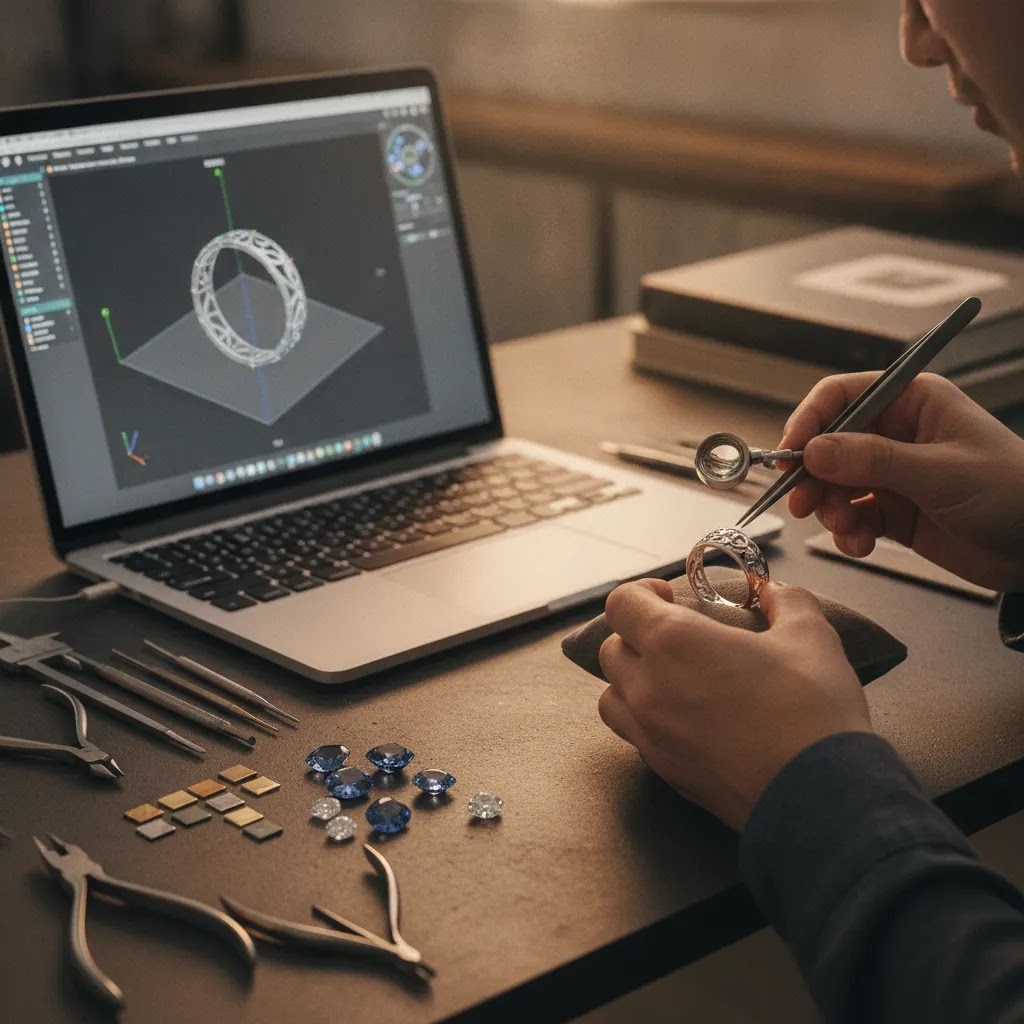
This approach usually fits brands that want sustainability to shape actual business operations rather than sit only in marketing copy. It may be a strong fit if you are building a private label line, refining an existing wholesale collection, or preparing to work with an overseas manufacturing partner where precision in briefing matters.
It is especially relevant for businesses that:
- Need a repeatable custom development process
- Expect future reorders or collection extensions
- Want clearer alignment between design, sourcing, and production teams
- Need to reduce friction caused by unclear approvals or inconsistent samples
It may be less suitable for businesses that are still experimenting informally, have not defined collection standards, or are not ready to invest time in structured development. A holistic model can be effective, but it usually requires better planning discipline than a simple one-off buying approach.
Royi Sal Jewelry as a collaborative resource
Royi Sal Jewelry operates as a B2B custom jewelry design and manufacturing partner for brands, boutiques, and entrepreneurs developing their own collections. The company’s positioning is built around collaboration, craftsmanship, and end-to-end support across design and production. Founder Royi Gal’s background as both a designer and manufacturer is relevant here because a holistic production model works best when creative decisions and factory realities are considered together, not separately.
If you are evaluating how to connect concept development with manufacturing planning, Royi Sal Jewelry may be a useful resource to explore. The company’s focus on custom development, collaborative consultation, wholesale manufacturing, and global fulfillment aligns well with brands that need a structured partner rather than a simple order taker. You can also review their broader jewelry manufacturing focus to understand how development and production may connect in a more coordinated workflow.
How to choose a manufacturing partner for this model
If you want to apply a holistic sustainable approach successfully, partner selection matters as much as concept quality. A manufacturer does not need to mirror every internal brand discussion, but they do need to support disciplined development and clear communication.
1. Design capability and translation quality
Your manufacturer should be able to work from early concepts through production-ready interpretation. That includes clarifying briefs, identifying design risks, and helping shape a practical development path. If the team cannot translate ideas into workable specifications, sustainability goals may get lost in execution.
2. Process transparency
Ask how the development flow works from consultation to sample review to production. A transparent process often makes it easier to manage expectations, track revisions, and avoid confusion. This is particularly important for brands managing projects remotely.
3. Communication reliability
For overseas or global projects, communication quality is often one of the main indicators of project health. You need timely responses, clear revision handling, and realistic guidance when a design choice may create avoidable difficulty. A partner who flags issues early may save substantial time later.
4. Scalability and reorder logic
Many founders focus on launch, but long-term viability depends on whether the manufacturer can support repeat production with consistent standards. If documentation, approvals, and production references are not organized well, reorders may become harder than they should be.
5. Operational fit with your business stage
Some brands need close development support. Others already have technical files and mainly need reliable execution. The right partner fit depends on your internal capacity, not just on vendor presentation. A collaborative manufacturer may be especially helpful if your team is still building its production systems.
Packaging, shipping, and fulfillment as part of “holistic” sustainability
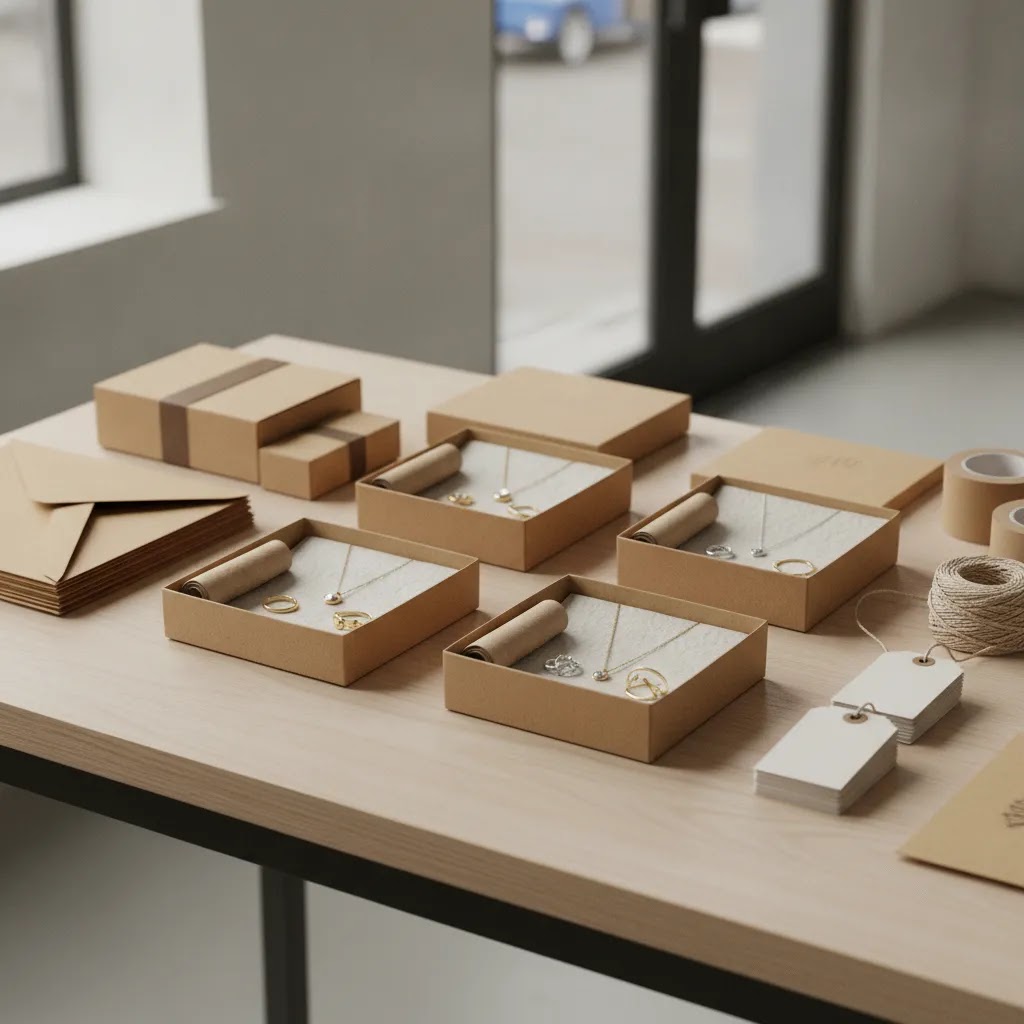
A holistic approach does not end when production is approved. Packaging, shipping, and fulfillment can also influence your sustainability positioning because they shape waste, repeat handling, and how consistently your brand communicates its standards across channels. For B2B brands, this matters even more because your products may move through multiple hands, including your own warehouse, a retailer’s back room, or a third-party fulfillment workflow.
If your product messaging is careful and specific, but your packaging and inserts introduce vague or unverified claims, your overall credibility can weaken. The same issue can happen operationally if packaging requirements are not defined clearly enough for production. You may get inconsistencies across batches, labeling mismatches, or avoidable repacking work, all of which can add friction and waste.
In practice, it helps to build a fulfillment-ready specification, even if it is simple. That may include packaging format requirements, labeling details, barcode or SKU logic, and any batch consistency needs that affect how your team receives and ships inventory. It also means being realistic about what can be controlled in a B2B manufacturing relationship. Some packaging elements may be handled by the manufacturer, others may be handled after goods arrive, depending on your operating model and the partner’s scope.
Sustainability positioning needs to stay consistent across product pages, inserts, and wholesale line sheets. If you can document certain practices, you can communicate those confidently. If you cannot document them, it is safer to describe your intent and your standards in clear language without implying full visibility. Align these decisions early with your manufacturing and fulfillment plan so your packaging choices support the same disciplined approach you are applying to design and production.
Strengths and Considerations
Strengths
- A holistic model may create stronger alignment between sourcing goals, custom jewelry design decisions, and production planning.
- It often helps reduce fragmented decision-making, which can improve consistency across samples, production runs, and reorders.
- It encourages clearer briefs and approval systems, which may lower the risk of miscommunication with manufacturing partners.
- It supports longer-term brand credibility because operational choices and product claims are more likely to match.
- It may improve scalability for sustainable jewelry brands that expect line extensions or wholesale growth over time.
Considerations
- This approach usually requires more upfront planning, documentation, and cross-team coordination than a simple sourcing project.
- Sampling and revision stages may still take time, especially for custom collections with evolving specifications.
- If your brand standards are not clearly defined, a holistic strategy can become vague and hard to execute in production.
- Some businesses may underestimate how much internal decision discipline is needed to maintain consistency across SKUs.
Frequently Asked Questions
What does “holistic” mean in sustainable jewelry production?
It generally means evaluating the entire path from design concept to production and fulfillment, rather than isolating one sourcing or marketing claim. For jewelry brands, that may include briefing quality, prototype control, supplier communication, collection planning, and repeat-order consistency. The goal is operational alignment, not just a better product description.
Is a holistic approach only relevant for large jewelry brands?
No. Smaller brands may benefit significantly because process mistakes can be more expensive for a lean team. A structured approach can help early-stage businesses avoid unclear approvals, unsuitable manufacturing partners, and collection designs that are hard to scale. The level of formality may differ by business size, but the logic still applies.
Does this approach guarantee a more sustainable outcome?
No. It may improve decision quality and reduce avoidable inefficiencies, but outcomes still depend on your standards, your manufacturer’s fit, and how well the project is managed. A holistic process is a framework for better control, not a guarantee. Clear goals and disciplined collaboration still matter throughout development and production.
Why is prototyping so important in this model?
Prototyping helps test whether the design can move from concept to production with fewer surprises. It may reveal communication gaps, construction issues, or approval problems before a full run begins. For B2B brands, that can be commercially significant because correcting issues at the prototype stage is often easier than correcting them mid-production.
Can digital design tools support a sustainable production strategy?
They often can, especially if they improve accuracy during development. Digital design tools and 3D workflows may help brands review forms, details, and revisions more clearly before production starts. Their value comes from reducing ambiguity and supporting better documentation, not from replacing the need for sound production planning.
How does this affect MOQ and lead time planning?
A holistic approach may help you prepare for MOQ and lead time discussions more realistically, but it does not eliminate those constraints. Manufacturers still need workable production conditions, and custom projects often move through sampling before full runs. Better planning can improve readiness, though exact minimums and timelines vary by project scope.
What should be in a design brief for this kind of project?
A useful brief usually defines the collection concept, intended assortment, target business goals, visual references, revision priorities, and any sourcing-related requirements your brand considers essential. The brief should also make approval authority clear. In many cases, stronger briefs lead to fewer interpretation issues during development and production review.
How can I tell if a manufacturer supports this approach?
Look for evidence of collaborative consultation, process clarity, realistic communication, and the ability to connect design development with manufacturing execution. A strong partner will often ask practical questions, flag potential issues early, and explain how sampling and production decisions are handled. That behavior usually matters more than broad claims.
Where should a brand start if its sustainability process is still immature?
Start by defining what your business can genuinely manage and communicate clearly. Then map those standards into your design and sourcing workflow. Brands often benefit from simplifying the collection, documenting approvals better, and choosing a manufacturing partner who can support structured development rather than rushing straight into production.
How do sustainable practices influence jewelry design?
They often influence design through process and repeatability requirements. If you want fewer avoidable revisions and more stable reorders, design decisions typically need clearer technical translation, better documentation, and realistic construction planning. In many cases, sustainability influence shows up in the operating discipline around sampling, approvals, and batch consistency, not only in high-level sourcing language.
What is sustainable development in jewellery?
In a B2B context, it often means building a product development system that can support responsible standards over time. That includes defining what your brand can verify, translating those standards into briefs and checkpoints, and choosing partners who can execute consistently. The focus is on long-term control, transparency, and repeatable production practices rather than one-time claims.
How to make jewelry more sustainable?
Many brands start by reducing avoidable waste and rework through clearer briefs, tighter sampling control, and better revision tracking. You can also build internal documentation standards, align sustainability language with what you can support operationally, and set packaging and fulfillment expectations early so you avoid repacking or relabeling later. The improvements that matter most depend on your current workflow and how much visibility you have across sourcing and production.
What is the most eco-friendly jewelry?
There is rarely one universal answer, because “eco-friendly” depends on how a piece is sourced, produced, finished, packaged, and shipped, and on what can be verified. For brands, a more reliable approach is to define specific criteria your business can document and maintain, then communicate those criteria clearly without over-claiming. That is usually more credible than trying to label one category as the most eco-friendly without full supply chain visibility.
Key Takeaways
- Holistic sustainable jewelry production is best treated as an operating model, not a brand phrase.
- Design briefs, prototyping, communication systems, and production planning all affect sustainability outcomes.
- Collection credibility often depends on repeatability, not only on launch-stage messaging.
- Manufacturing partner fit matters because poor translation between design and production can weaken the entire model.
- Royi Sal Jewelry may be a useful option for brands that need collaborative custom development and manufacturing guidance.
Conclusion
A holistic approach to sustainable jewelry design production asks harder questions than a surface-level sourcing checklist. It pushes your brand to connect design choices, development controls, supplier communication, and production planning into one workable system. That can require more discipline at the start, but it may also create a collection that is easier to approve, repeat, and grow. If your business is moving from ideas into structured custom development, Royi Sal Jewelry offers a collaborative B2B model shaped around custom design, manufacturing support, and global project coordination. Visit royisal.com to learn more about the process, or contact the team to discuss how your collection brief could move into development with clearer manufacturing alignment.