
What “ethical commitments” Should Mean in a B2B Manufacturing Review
Royi Sal Jewelry is a professional custom jewelry design and manufacturing company serving wholesale, private label, and custom development clients. Its service scope includes custom jewelry design and development, jewelry manufacturing, collaborative design consultation, and global shipping and order fulfillment. That combination matters because ethical manufacturing in B2B jewelry is usually less about slogans and more about how a manufacturer handles decisions across the full production chain.
Based on the available company information, Royi Sal Jewelry positions itself around collaboration, craftsmanship, professionalism, and international capability. Those are useful signals, but ethical evaluation still requires a buyer to ask concrete questions. A manufacturer’s ethical commitments are typically reflected in how clearly it discusses sourcing, how honestly it explains production limits, whether it welcomes scrutiny during development, and whether it can help a brand document decisions internally.
If you need broader context before evaluating any supplier, it helps to review the foundations of ethical sourcing jewelry and clarify what is ethical jewelry in operational terms. For B2B buyers, the central point is straightforward: ethical manufacturing should be treated as a process standard, not just a marketing label.
How Royi Sal’s Process Supports Ethical Decision-Making
Royi Sal Jewelry’s model appears strongest where ethical work depends on direct communication and hands-on project management. The company emphasizes collaborative design consultation rather than a simple order-taking approach. That can be valuable for brands that need to define acceptable sourcing boundaries, align product specs with brand claims, and avoid gaps between concept and production.
A typical B2B ethical review would start at the design brief stage. Clients should outline the collection concept, intended market position, any sourcing expectations, and any claim language they plan to use publicly. During development, a collaborative manufacturer can help identify areas where a design may require additional sourcing review, approval checkpoints, or revisions before production runs begin.
Because Royi Sal Jewelry also supports manufacturing and fulfillment, business clients may keep more of the conversation inside one working relationship rather than splitting design, production, and shipping across several providers. That may reduce communication loss, which matters if your ethical requirements need to remain consistent from concept through delivery.
Readers who are still defining why these standards matter may want to review why ethical sourcing is important in jewelry. Businesses comparing internal sourcing policies can also explore the broader Jewelry Sourcing section for related topics.
What B2B Buyers Should Verify: Documentation, Traceability, and Claim Support

Ethical sourcing and ethical manufacturing claims become risky when they are not supported by project-specific records. Even well-intentioned brands can overstate what they know if they treat a supplier relationship as proof on its own. The safer approach is to build a verification habit: request what can be documented, confirm what can be confirmed, and keep your public messaging aligned with the evidence available for that exact run.
In practice, a useful verification checklist is less about chasing a single document and more about clarifying what information exists in the workflow. You can ask what level of supply chain visibility is available for your project, what documentation can be provided upon request where applicable, and what the manufacturer cannot reasonably verify. A credible partner should be able to explain limitations clearly, because transparency includes saying “we do not have that,” not just providing confident statements.
Consider this when you pressure-test ethical marketing claims before you publish them: if you cannot tie a claim to a specific approval, record, or documented statement for that project, you may need to soften your language. For example, brands often get into trouble by using absolute wording that implies total traceability, guaranteed origin, or verified ethical standards across the entire supply chain. If your documentation only supports partial visibility or batch-level confirmation, your claim language should reflect that reality rather than imply more than you can prove.
“Traceability” can also mean different things at different stages. At the design brief stage, it may simply mean defining sourcing boundaries and documenting what evidence you need before approval. At sampling, it may mean aligning the sample approval to the same sourcing assumptions your production will follow, and keeping written confirmation of what changed and what stayed consistent. At production, traceability may become a record-keeping discipline: linking approved specs, approved samples, and any supplier-provided documentation to the final purchase order so your internal files match what you actually sold.
Why Buyers May View the Model as Credible
One of the stronger trust signals in Royi Sal Jewelry’s profile is leadership by Royi Gal, whose background combines jewelry design and manufacturing. For B2B clients, that dual role can matter because ethical concerns often sit between creative intent and production reality. A purely sales-led supplier may struggle to bridge that gap. A founder with design and manufacturing experience is better positioned to discuss feasibility, revisions, production implications, and the trade-offs that affect claim accuracy.
The company also presents itself as a collaborative partner for jewelry businesses, boutiques, and brands, with a global reach. That does not automatically prove any specific sourcing standard, certification, or material traceability program, and careful buyers should not assume those details. What it does suggest is a service structure where dialogue is expected, and that is often essential for responsible manufacturing oversight.
Credibility in ethical manufacturing comes from openness under questioning. A serious B2B client should assess how directly the manufacturer addresses sourcing requests, spec clarifications, production constraints, and documentation needs before approving a production run.
Where the Approach Helps Business Clients Most
Royi Sal Jewelry’s ethical value, based on the available service information, is less about prepackaged claims and more about the mechanics of partnership. That may be especially useful in four areas.
First, it can support brand alignment. If your business is building an ethical position, your manufacturer needs to understand the claims you can support and the claims you should avoid. A consultation-led model gives space to define those boundaries before production starts.
Second, it can reduce misalignment between design intent and manufacturability. Ethical positioning often breaks down when a brand promises one thing while production realities point elsewhere. A manufacturer involved in both design development and production can help identify friction points earlier.
Third, it may improve consistency across repeat orders. For wholesale and private label businesses, ethical commitments are not only about a launch collection. They also need to hold up when a line scales. A structured manufacturing relationship may make that easier to manage over time.
Fourth, it supports a more disciplined vetting process for buyers learning how to buy ethical jewelry for a business context. That process should include questions about development workflow, production controls, fulfillment handling, and communication responsibilities, not just product appearance.
Businesses that are shaping their broader positioning may also find it useful to study how sustainable jewelry brands define and communicate sourcing standards. For manufacturing-specific context, Royi Sal Jewelry’s Jewelry Manufacturing content area is a logical next step.
Quality Assurance as an Ethical Commitment: Inspections, Approvals, and Consistency Controls
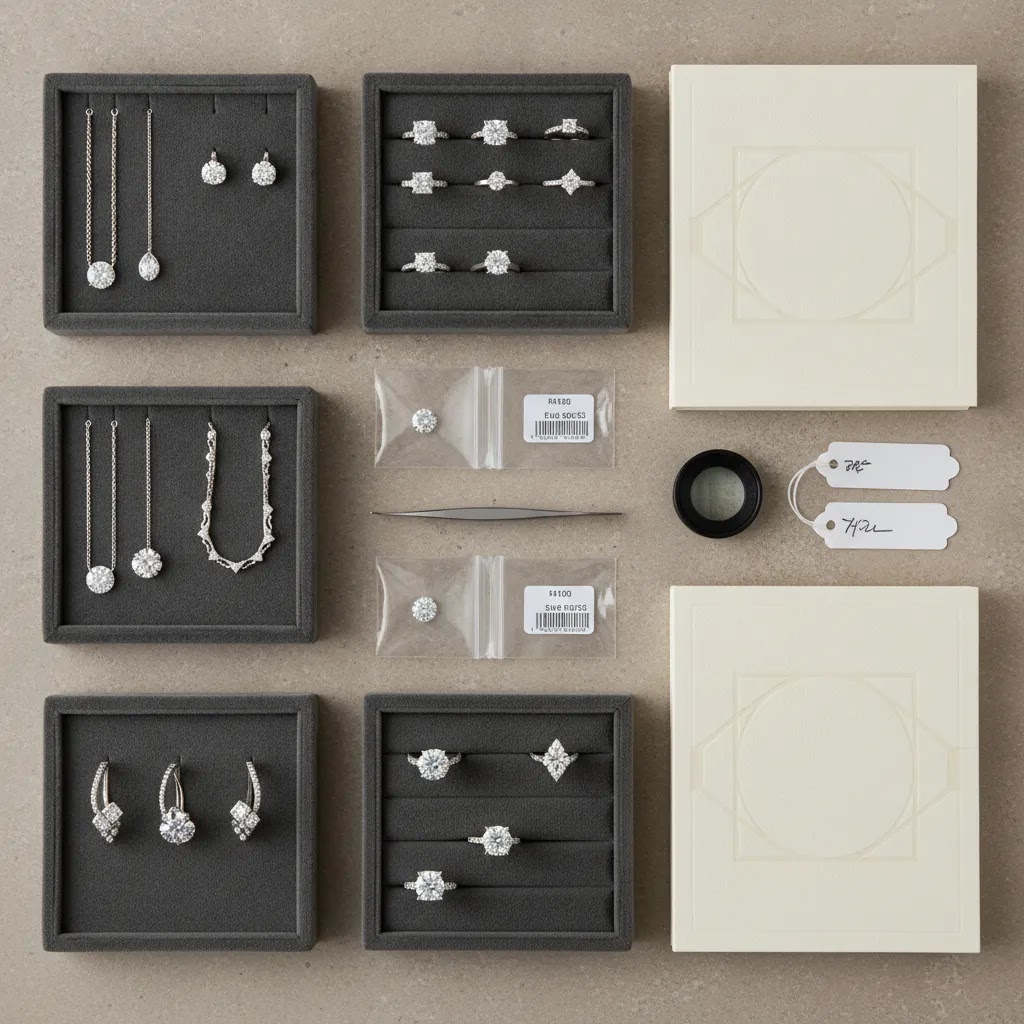
Quality assurance is often part of ethical performance, even though it is not always discussed that way. Defects, inconsistent finishes, or unstable repeatability can lead to waste, remakes, and rushed decisions that increase operational risk across the supply chain. For a B2B buyer, a disciplined QA workflow supports ethical decision-making because it reduces avoidable rework and helps ensure you deliver what you approved, not a moving target that changes from run to run.
There are a few QC touchpoints you should expect to discuss in any custom project. Pre-production signoff is the first: the point where specs, measurements, visual references, and any sourcing expectations are confirmed before manufacturing begins. Sample approval is the next: defining what makes the sample acceptable, what tolerances matter, and what changes require a revised approval. After that, in-process checks help catch issues early rather than discovering them at the end. Finally, final inspection expectations should be clarified so both sides understand what “ready to ship” means in practical terms.
Quality decisions become subjective when acceptance criteria are not documented. If one person approves based on photos and another approves based on measurements, you can end up with inconsistent outcomes even with the same design. A shared acceptance criteria mindset means you and your manufacturer align on what will be reviewed, how it will be reviewed, and what constitutes a pass or a fail for that specific SKU. That alignment protects your brand because it keeps product consistency tied to approvals, not to memory or informal preferences.
Strengths and Considerations
Strengths
- End-to-end service model covering custom design, manufacturing, and fulfillment, which can help keep ethical requirements aligned across stages.
- Founder-led expertise from Royi Gal as both designer and manufacturer, useful for resolving questions where sourcing, design, and production intersect.
- Collaborative consultation approach, which suits brands that need active discussion rather than a basic order processing relationship.
- Clear B2B focus on wholesale, private label, boutiques, and brand development, making the service relevant to commercial buyers rather than retail shoppers.
- Global operating capability, which may help brands that need an international manufacturing partner with shipping support.
Considerations
- Specific certifications, audited standards, and material traceability programs are not confirmed in the available information, so buyers should verify any requirement directly.
- Pricing, minimum order quantities, and production timelines are not listed here and may vary based on project scope, design complexity, and order size.
- Brands with highly specific ethical policies may need a more detailed pre-production review process to ensure internal compliance requirements are fully addressed.
- Ethical manufacturing claims should never be assumed from brand positioning alone. Business clients should request direct clarification before using any ethics-related claim in their own marketing.
Who This Is For
This approach is best suited to jewelry retailers, boutique owners, private label founders, and growing brands that want a collaborative manufacturing relationship and need room to ask serious sourcing questions before production approval. It is especially relevant for businesses developing a brand story around responsible sourcing, process clarity, or consistent manufacturing oversight. It may be less suitable for buyers seeking anonymous, low-touch order placement with no consultation, or for businesses that require pre-verified standards beyond what a direct discussion can establish.
How to Get Started
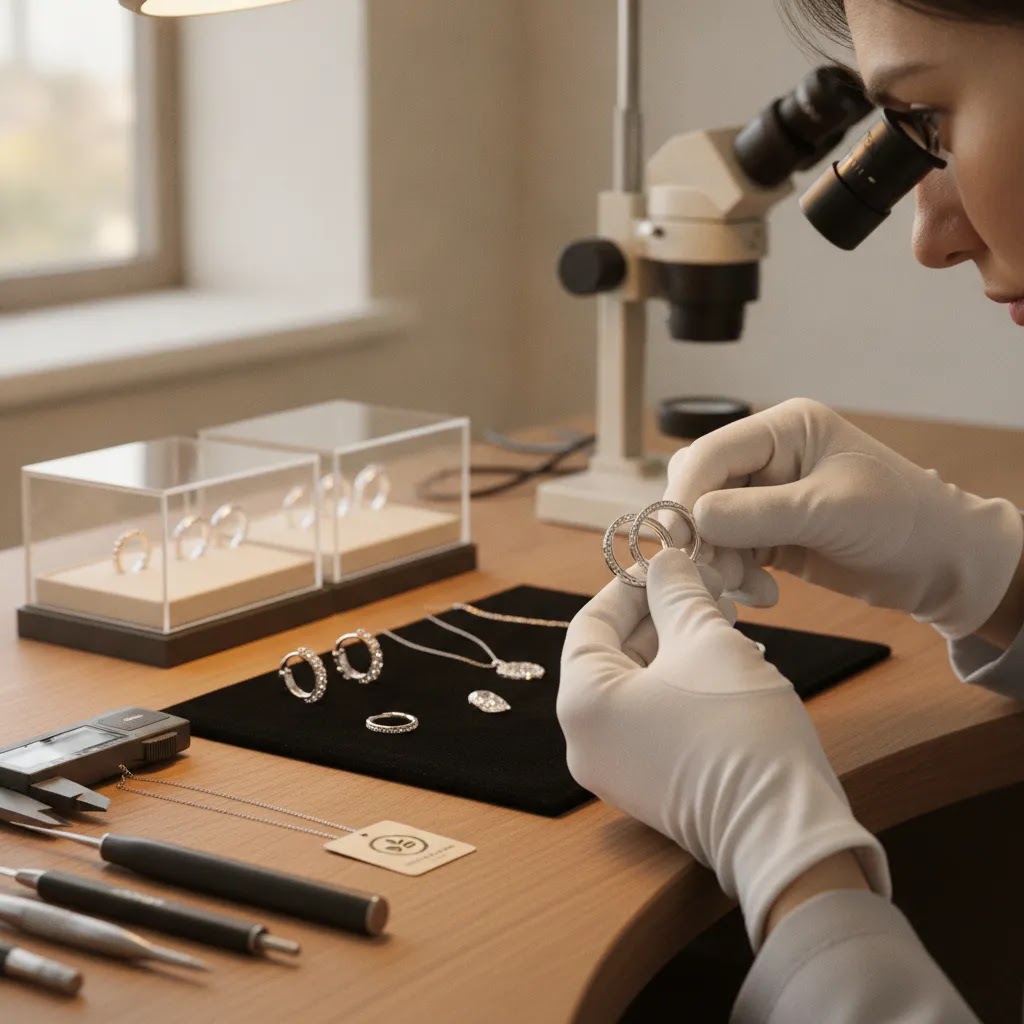
Start with a concise project brief. Include your collection concept, target market, expected product range, and any ethical standards or sourcing restrictions that matter to your brand. If your business already uses internal language around ethical jewelry, responsible sourcing, or supplier expectations, share that early.
Next, contact Royi Sal Jewelry through royisal.com and frame the inquiry as a manufacturing discussion, not just a product request. Ask how custom development is handled, what information is needed for review, and how sourcing-related questions are addressed during consultation and production planning.
Then, use the initial conversation to test process transparency. Ask what approvals happen before manufacturing begins, how revisions are managed, and what information can be confirmed before a production run is authorized. The quality of those answers is often more useful than broad ethical language.
Finally, document agreed standards on your side before moving into sampling or production. That helps protect both your brand messaging and your operational decision-making.
Frequently Asked Questions
Does Royi Sal Jewelry claim verified ethical certifications?
The available company information does not confirm specific certifications, audits, or formal ethical sourcing accreditations. B2B clients should ask directly about any required documentation, sourcing standards, or supplier policies before moving into development or production. That is especially relevant if your business plans to make public ethics-related claims.
How can a manufacturer support ethical jewelry goals if details vary by project?
A manufacturer can support those goals by discussing sourcing expectations early, reviewing production feasibility honestly, and keeping communication clear through design development and approvals. Since projects differ, responsible buyers should treat each collection as a separate review process and confirm standards before authorizing production.
Is this service more suitable for private label brands or wholesale buyers?
It appears suitable for both, provided the business needs custom design and manufacturing support rather than simple retail purchasing. Private label brands may benefit from the collaborative development model, while wholesale buyers may value the ability to discuss production requirements, repeatability, and fulfillment as part of one B2B relationship.
What should a buyer prepare before asking about ethical manufacturing?
Prepare a brief that defines your collection goals, expected order scope, any sourcing boundaries, and the exact language your brand wants to use publicly. If you have internal compliance rules or retailer requirements, include those at the start. That helps prevent confusion later in development and production planning.
Can Royi Sal Jewelry help international clients?
Yes, the company presents itself as a global partner with international reach and shipping support. Even so, logistics, documentation needs, and production planning can vary by destination and project structure. International buyers should confirm communication workflows, shipping expectations, and approval procedures during the inquiry stage.
How should a business evaluate whether ethical commitments are real?
Evaluate the manufacturer’s willingness to answer detailed questions, explain process stages, discuss constraints, and clarify what can and cannot be confirmed. Strong ethical manufacturing relationships usually show up in disciplined communication, careful approvals, and realistic production conversations rather than broad claims alone.
Does ethical positioning affect custom jewelry development?
Yes, it can affect briefing, sourcing review, approval timelines, and the level of documentation a brand may need. Businesses that position themselves around ethical jewelry often need tighter internal controls over product claims, which means the manufacturer relationship should support careful review before production begins.
What are the ethical considerations in manufacturing?
Ethical considerations in manufacturing typically include how labor and working conditions are managed, how sourcing and supplier relationships are governed, how risks are identified and addressed, and how honestly a business communicates what it can document. For jewelry brands, it also includes the discipline to keep product claims aligned with what is actually confirmed for a specific project, not what you hope is true across the industry.
What 2-3 things are most important for a business to follow ethically?
First, accuracy in claims, meaning you only publish ethics statements you can support with records for that collection or production run. Second, due diligence in supplier evaluation, meaning you ask direct questions and document the answers rather than relying on assumptions. Third, consistency in approvals and quality controls, so your brand standards are applied the same way in sampling and production.
What statement regarding ethical climates is true?
A generally true statement is that ethical climates are shaped by what gets rewarded and documented, not just what gets stated. In a supplier relationship, that usually means clear expectations, written approvals, and a willingness on both sides to discuss limitations and correct issues early, rather than relying on broad values language.
Key Takeaways
- Royi Sal Jewelry’s ethical value is most visible through its collaborative process, not through unverified claim language.
- Founder-led design and manufacturing expertise may help B2B buyers address sourcing questions with more operational clarity.
- Business clients should verify any ethics-related requirement directly, especially if they need documentation, traceability, or formal standards.
- Custom development, manufacturing, and fulfillment under one partner may help brands keep standards consistent across project stages.
- Strong ethical decision-making starts with a clear brief, direct questions, and careful production approvals.
Conclusion
Royi Sal Jewelry may be a strong fit for B2B buyers who view ethical manufacturing as a managed process rather than a simple label. The company’s founder-led expertise, collaborative design consultation, and end-to-end custom manufacturing model create a workable foundation for brands that need transparency, discussion, and production oversight. The main caution is equally clear: buyers should confirm any specific ethical requirement directly and avoid assuming certifications, sourcing schemes, or traceability practices that have not been explicitly documented. If your business is preparing a responsible sourcing initiative, the next smart move is to contact Royi Sal Jewelry through royisal.com with a clear project brief and a defined list of sourcing questions. That approach gives you a practical basis for deciding whether the partnership matches your standards.
Share this post