What Precious Metal Plating Means for Jewelry Brands
In B2B jewelry production, precious metal plating usually refers to applying a thin outer finish over a base piece to achieve a desired appearance, collection theme, or price-positioning strategy. For a brand owner, the issue is not simply whether a piece looks polished at launch. The better question is whether the finish supports your commercial goals across sampling, photography, merchandising, fulfillment, and repeat orders.
That is why plating should be reviewed as part of your wider manufacturing plan. A finish that looks strong on a prototype may still need closer review for batch consistency, edge definition, color matching, and how it supports the design language of your line. This becomes even more relevant if you also sell adjacent categories such as wholesale gold jewelry or are building a broader plated assortment that needs a unified look across SKUs.
Royi Sal Jewelry operates as a B2B custom jewelry design and manufacturing partner, with services centered on custom jewelry design and development, collaborative design consultation, jewelry manufacturing for wholesale and private label clients, and global shipping and fulfillment. That matters here because plating decisions rarely stand alone. They are usually tied to custom design briefs, production expectations, and the need for clear communication between brand and manufacturer.
If you are evaluating outward beauty jewelry precious metal plating, a practical review should focus on appearance, durability expectations, repeatability, and how easily the manufacturer can execute your finish standards at scale.
Key Evaluation Factors for Plated Jewelry
For most jewelry businesses, plating should be judged through a commercial lens. A strong finish may help you create a premium-looking line, but it also needs to work within your development process. That means reviewing more than sample appearance.
First, assess finish consistency. Ask whether your prototype, sales samples, and production run are likely to match closely enough for your channel. Consistency matters for product photography, retail presentation, and wholesale reorders. Slight variation may happen in manufacturing, so it is smart to align expectations early.
Second, look at how the plating supports design details. Fine edges, raised forms, texture, and recessed areas may all read differently once a finish is applied. This is especially relevant for pieces with visible contours or decorative metal edging. If your brand also develops pieces in a custom gold jewelry style, you will want the finish language to feel commercially coherent across the collection.
Third, review the sampling process. In many cases, plated jewelry needs at least one physical review round before production approval. Brands often underestimate how important this step is. A plated sample helps confirm whether color tone, surface feel, and overall outward beauty align with your brief.
Fourth, plan around production communication. Clear briefs matter. Royi Sal Jewelry positions its process around collaboration, which is useful for brands that need active input during design development and manufacturing. Founder Royi Gal’s background as both a designer and manufacturer supports this kind of process-led discussion, especially when a brand needs help translating visual direction into manufacturable product standards.
Fifth, think about collection fit. Plating should make sense within the rest of your assortment. A finish may work well for fashion-led statement pieces, entry luxury concepts, or coordinated SKU families. It may be less suitable if your brand promise depends on a very specific long-term wear profile that has not yet been validated through testing and real customer use.
For brands with mixed-category lines, it also helps to review how plated pieces will sit beside other products, including ranges that resemble silver gemstone jewelry in visual merchandising terms. The finish has to support not only the piece itself, but also the coherence of your overall assortment.
Understanding Plating Methods: PVD vs Electroplating for B2B Buyers

An important distinction for buyers: when suppliers talk about “plating,” they may be referring to different processes that can behave differently in production. Two terms you will hear often are PVD and electroplating. They are not interchangeable, and for a brand, the difference is not academic. It can affect how you compare quotes, how you manage reorders, and what type of sample testing you need before you commit.
PVD is commonly discussed as a coating approach that may be used to achieve certain tones and surface effects through a controlled deposition process. Electroplating is commonly discussed as an electrical bath process where the finish is deposited onto the piece. From a production standpoint, each method can come with its own constraints and strengths, including how it handles detailed geometry, how it interacts with base preparation, and what “match” means across batches.
What experienced buyers know is that you should not compare finishes based only on a supplier’s photos or a general claim like “premium plating.” Instead, ask what the process actually is, then evaluate it against your channel requirements and your design features.
What changes operationally for your brand
Consistency control: Some processes may offer tighter repeatability when the same preparation and process parameters are followed, but real-world results still depend heavily on surface preparation, racking, batch size, and quality control. If you rely on frequent reorders, you want a manufacturer who can explain how they manage those controls, not just promise “the same color.”
Finish range: Different processes may offer different finish possibilities, including how bright, muted, or directional the surface reads under lighting. For wholesale, this matters because boutique lighting, product photography, and customer expectations can amplify small differences. If your collection sits beside other metal jewelry, your finish should be chosen for its merchandising behavior as much as its studio look.
Process constraints: Some designs are harder to finish consistently because of sharp edges, deep recesses, or mixed textures. Recessed details might show tone variance sooner, and sharp edges may be more sensitive to prep and handling. A strong manufacturer will flag those risks early, then suggest geometry tweaks or spec adjustments that keep the design intent but improve manufacturability.
What to request in writing for an apples-to-apples comparison
To compare suppliers fairly, you need the same information from each one. Ask for the process name, and ask how they define their spec approach. In some cases, a supplier may be willing to work to a target thickness range or a specific internal standard, but the key is to get the expectation documented and tied to the sample you approved.
Also ask what base prep steps are included before plating, because surface prep often drives the visible result. Then ask how color matching is managed across reorders. In practice, that usually means: what reference sample is used, whether they keep a control sample on file, how they handle batch variation, and how approvals are documented before a repeat run ships.
How to judge suitability by channel and design features
If you sell wholesale, you may need stronger batch-to-batch consistency because retailer reorders sit next to earlier inventory. If you sell primarily direct-to-consumer, you may be more focused on how the finish photographs and how you will handle customer care questions. Boutique channels often sit in the middle. They are sensitive to visible wear and quick visual judgment, especially at the point of sale.
On the design side, consider where the piece will touch surfaces and where customers will see change first. High-contact edges, sharp corners, and raised details can be more demanding than smoother, protected surfaces. In other words, your finish decision is also a design decision. The method you choose should match the geometry you are putting into production, and your manufacturer should be able to explain the tradeoffs in plain operational terms.
Strengths and Considerations
Strengths
- Precious metal plating may help a brand achieve a refined outward appearance while preserving flexibility in collection planning.
- It can support broader assortment building by allowing a consistent visual language across multiple product concepts.
- Plated finishes are often useful for private label brands that need attractive sample presentation before committing to larger production runs.
- They may allow design teams to test market response to a style direction before expanding into deeper or more permanent assortment strategies.
- Plating can work well within collaborative development workflows, especially when manufacturer and brand review samples together and refine specifications.
- For wholesale brands, plated designs may offer merchandising versatility across boutiques, online channels, and capsule collections.
Considerations
- Appearance alone is not enough. Brands still need to evaluate consistency, sample accuracy, and how the finish performs in real-world channel conditions.
- Custom manufacturing usually involves iteration, so plating approval may require more than one sample round depending on the design scope.
- Lead times and production planning could be affected by finish complexity, revision cycles, and quality review requirements.
- Plating expectations must be documented clearly in the design brief, or the final result may not align closely enough with your intended commercial standard.
Wear, Durability, and Expectations: Why Plating Wears Off and How to Reduce Returns
Plated jewelry is often judged by how it looks at launch, but returns and customer friction usually show up later, after real wear patterns appear. In practice, plating wear is not only about “quality.” It is also about contact, usage, and design geometry. For a brand, the goal is to set realistic standards, test them in sampling, then communicate them in a way that fits your channel.
Most visible wear tends to show up where friction and contact happen repeatedly. Rings, bracelet edges, clasp zones, and raised details can experience more surface interaction than protected interior surfaces. Contact with other objects during storage, transit, or daily use can also create early cosmetic changes. Even before the customer wears the piece, parts rubbing together in a bulk bag or during packing can create scratch patterns that customers read as a finish problem.
Design geometry matters more than many brand owners expect. Sharp edges can show contrast sooner than softly rounded edges. Deep recesses can highlight tone variation, especially if the finish does not deposit evenly into complex cavities. Mixed textures can amplify unevenness because matte and polished zones reflect light differently, making small variation appear larger in photos and under store lighting.
Set internal standards before you set customer expectations
From a business standpoint, you need your own definition of “acceptable wear,” based on your positioning and your channel. A fashion-forward, seasonal capsule may tolerate a different wear profile than a core assortment you plan to reorder for years. Once you define that internally, build a basic wear-test routine into your sampling stage. You are not trying to simulate years of use perfectly. You are trying to identify early red flags and decide whether the finish aligns with your product promise.
Your care language and warranty posture should match that decision. If your wholesale partners will field customer questions at the counter, you want consistent talking points and realistic care guidance. If you sell direct-to-consumer, your customer service team needs the same alignment. Plating can be a strong commercial tool, but only when your operational standards and your messaging match the finish you are putting into the market.
What to look for on samples that predicts early issues
During sample evaluation, look beyond the “hero angle.” Check high-contact edges and corners for thin-looking zones or early color shift. Review recessed details for uneven tone, patchiness, or a look that suggests inconsistent deposition. Examine whether the surface prep looks clean and uniform, because prep issues can show up later as visible variation, poor adhesion feel, or inconsistent reflectivity.
Also compare multiple samples if possible. Inconsistent batch-to-batch appearance is one of the fastest ways to create wholesale friction, especially when a retailer receives a reorder that does not match the first delivery closely enough. Catching that risk at the sampling stage gives you options: tighten the spec, adjust the design, or change the finish strategy before you scale.
Who This Approach Fits Best

This approach may suit boutique owners, fashion brands, and private label founders who want a polished collection look and need a manufacturer that can guide them through design development and production. It is often a good fit for businesses launching a curated range, testing a new aesthetic direction, or expanding a line with plated styles that complement existing products.
It may be less straightforward for brands that expect instant scale without sampling, or for teams that have not yet defined their quality benchmarks. Plated jewelry usually works best when the business has a clear target customer, realistic launch timeline, and enough internal structure to review samples carefully before mass production.
A Collaborative Manufacturing Resource
Royi Sal Jewelry is best understood as a B2B custom design and manufacturing partner for brands that need more than simple order taking. The company focuses on custom jewelry design and development, collaborative consultation, wholesale and private label manufacturing, and global fulfillment support. That kind of model can be especially useful if your plated collection still needs refinement at the brief stage.
Because Royi Gal brings experience as both a designer and manufacturer, discussions can stay grounded in the realities of execution rather than staying purely conceptual. For a growing brand, that may reduce some of the friction that often appears between initial sketches, sample approvals, and production expectations. If you are reviewing finish strategies alongside broader jewelry manufacturing planning, Royi Sal Jewelry offers a process-oriented option worth exploring. You can also review related capabilities within the broader Brass & Metals hub and use that research to build a more complete design brief before reaching out.
How to Evaluate Your Options
If you are choosing a manufacturer or refining a plating decision, a structured checklist can save time and reduce costly revisions. The strongest B2B decisions usually come from comparing suppliers and finish options across five areas.
1. Manufacturing quality and craftsmanship
Review sample cleanliness, edge definition, visual uniformity, and whether the finish supports the design intent. Ask yourself whether the piece looks commercially ready for your sales channel, not just acceptable under studio lighting. A manufacturer should be able to discuss likely variation ranges and where tolerances may matter most.
2. Design capability and custom service range
Plating decisions often intersect with form, scale, and collection positioning. A partner that offers custom jewelry design and development may be better equipped to guide you through revisions before production. This matters if your project includes multiple SKUs, coordinated finishes, or a private label range that must feel consistent.
3. Trust, reliability, and communication
Many jewelry businesses struggle not because the concept is weak, but because communication breaks down during development. You should look for a manufacturer that treats the project as a collaboration. Clear sampling feedback, documented approvals, and realistic discussions around limitations usually matter more than polished sales language.
4. Order flexibility and minimum planning
Even where no public MOQ is listed, you should still ask how production feasibility changes by design, quantity, and revision level. Some projects are straightforward. Others require more planning because of finish detail, consistency expectations, or assortment complexity. Good manufacturers will explain this rather than oversimplify it.
5. Lead times and fulfillment readiness
Global brands need more than a finished sample. They need a workable path from approved design to finished production and delivery. Royi Sal Jewelry also offers global shipping and fulfillment, which may be helpful for brands coordinating launches across markets. Timelines still vary by project scope, so any plated collection should be planned with review buffers and room for adjustments.
If your collection strategy includes multiple visual directions, compare plated pieces against adjacent concepts such as black metal jewelry styling, precious jewelry presentation, or mixed metal shop assortments. The key is not choosing the flashiest finish. It is choosing the finish your manufacturer can execute consistently enough for your business model.
Pre-Production Plating Spec Checklist (What to Document Before You Approve)
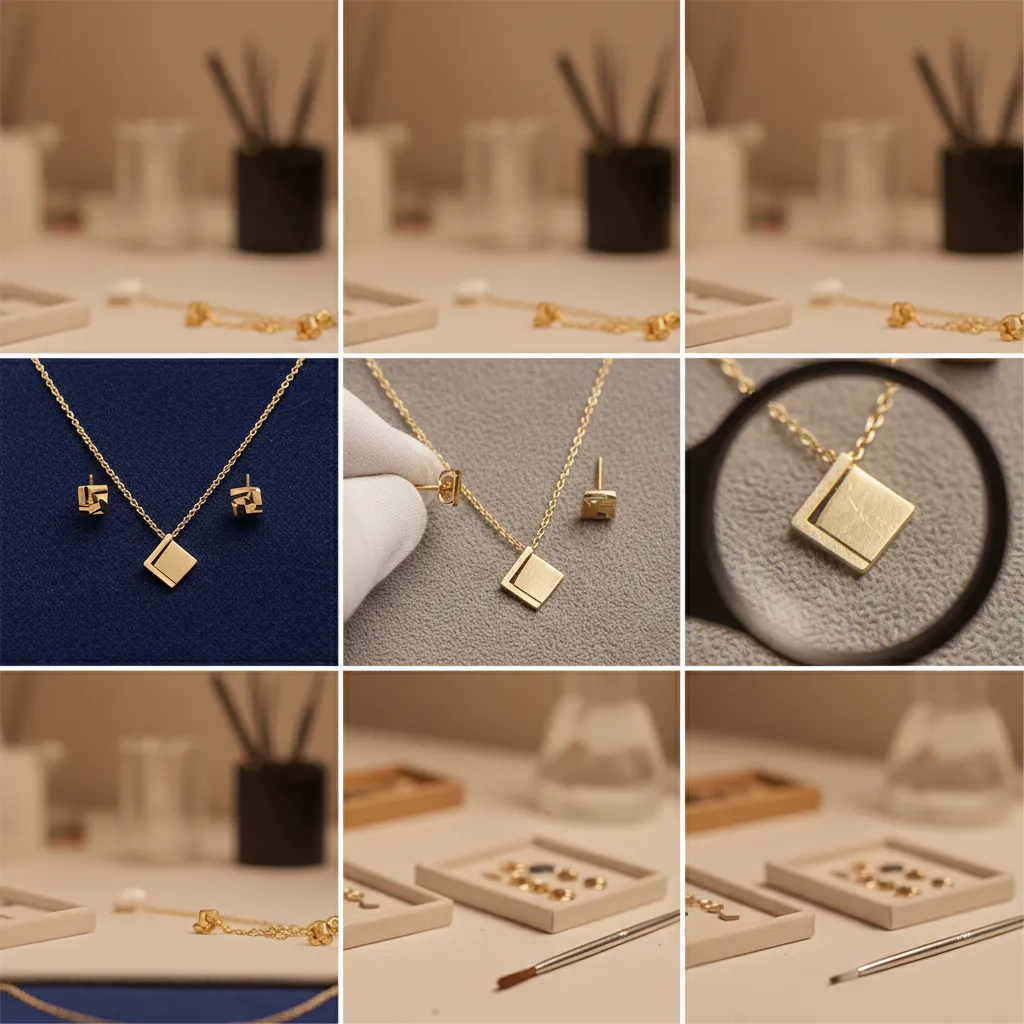
Many plating issues are not caused by a lack of effort. They come from vague approvals. If you want consistent outward beauty across SKUs and reorders, your job is to turn “this looks right” into a documented standard that the manufacturer can run against. Treat this as a risk-management step for private label and wholesale production, especially if multiple stakeholders will review the product later.
What to lock into the brief and approval record
Start with a clear finish description, then add a target color tone reference. In practice, that could be tied to a reference sample, a controlled photo set, or a physical control piece that both sides agree represents the approved look. Then define what variation is acceptable, because some degree of variation is common in manufacturing. The more you can specify what matters most, the more consistent your production results tend to be.
It also helps to name critical-to-match areas. For example, if a pendant face must match earrings exactly under retail lighting, call that out. If internal surfaces are less important, document that too. This keeps quality control focused on the areas that drive wholesale acceptance, product photography consistency, and customer perception.
Inspection checkpoints: sampling and production
Sampling approval should include a defined inspection routine. Check edges, recessed details, and any mixed-texture zones. Confirm that the finish reads consistently across the full SKU family, not only on a single hero sample. Before full production ships, align on what the final inspection is checking against. The goal is not to create a complex system. It is to prevent surprises when the finished goods arrive and you are already committed to a launch schedule.
Packaging and handling: protect the finish before it reaches your customer
A detail that brand owners frequently miss is that plated finishes can be impacted by handling long before the customer wears the piece. If parts rub together in transit, or if packing processes allow metal-on-metal contact, you may see cosmetic changes that look like plating problems but are really handling problems. Talk with your manufacturer about how pieces are separated, how components are protected, and how the packing workflow reduces surface contact during fulfillment.
Reorder planning: continuity across batches
If you plan to reorder, treat your first approved sample as a control reference. Keep it stored carefully, photograph it under consistent lighting, and document the approval sign-off. Then, when you reorder, ask the manufacturer to match to that reference rather than to a written description alone. This is one of the simplest ways to reduce drift across batches, especially when the product is sold side-by-side in wholesale environments where customers can compare items directly.
Frequently Asked Questions
What should a jewelry brand ask about precious metal plating before production?
You should ask about sample review, finish consistency, revision expectations, and how plating may affect fine design details. It also helps to ask how the manufacturer handles communication during approval stages. For private label and wholesale projects, those early discussions often shape whether the finished batch matches your commercial expectations closely enough.
Is plated jewelry suitable for a private label collection?
It may be, depending on your target customer, design direction, and quality standards. Many brands use plated pieces to build a cohesive assortment or test a category before expanding. The key is to align finish expectations with your manufacturer early and approve physical samples carefully before moving into a larger production run.
How many sample rounds are typical for plated jewelry?
That depends on the project scope. In many cases, at least one physical sample review is useful, and more complex designs may need additional refinement. Brands that want strict visual consistency across a collection should usually allow enough time for revision cycles rather than assuming the first sample will be final.
Does plating affect perceived quality in wholesale channels?
Yes, it often does. Retail buyers and boutique owners may judge quality quickly based on visual finish, uniformity, and overall presentation. A well-executed plated finish can strengthen first impressions, but inconsistent results may create concerns around reliability. That is why sample approval and manufacturing communication matter so much in B2B settings.
How does plating relate to other jewelry categories in a collection?
Plating should support the visual strategy of the full assortment. If your line includes multiple finish directions or adjacent categories, the pieces should still look intentional together. Brands often compare plated styles with categories such as gold-toned or silver-led ranges to make sure merchandising stays coherent across wholesale presentations.
Can a custom manufacturer help refine plating decisions?
Often, yes. A manufacturer with custom design and development capability may help you assess whether a finish suits the piece shape, design details, and intended sales channel. That kind of input is especially useful for founders who have a strong concept but need practical guidance before moving into production.
Why does communication matter so much in plated jewelry projects?
Because plating outcomes are closely tied to expectations. If a brand describes the finish loosely, the final result may not align with the original vision. Strong communication helps define sample standards, approval checkpoints, and any acceptable variation. That reduces friction later in the project and supports more predictable production planning.
Should newer jewelry brands use plated styles in their first collection?
They may, especially if plating supports the intended market position and product story. Newer brands should be careful not to rush the process, though. It is usually wiser to launch a focused assortment with clearly reviewed samples than to push too many SKUs into production without validating finish quality and collection consistency.
What makes Royi Sal Jewelry relevant for this type of project?
Royi Sal Jewelry works with B2B clients on custom jewelry design and development, collaborative consultation, wholesale and private label manufacturing, and global fulfillment. That combination may appeal to brands that want a partner involved across the process rather than a factory relationship limited to basic production execution.
What is the 2:1:1 rule for jewelry?
The term is used in different ways depending on who is teaching it, so you should ask the source to define it clearly. In many business discussions, it is referenced as a simple guideline for balancing a small assortment, for example a ratio for how many core pieces to carry versus trend pieces, and how many statement styles to include. For a plated collection, the practical takeaway is to keep your launch mix manageable so you can control finish consistency, approve samples carefully, and reduce complexity in your first production run.
Which metal is known as poor man’s gold?
This phrase is sometimes used informally to describe gold-toned base metals or gold-look finishes used to achieve a similar aesthetic at a different price positioning. For brands, the more useful question is not the nickname. It is whether your chosen base and finish strategy can be produced consistently, matched across reorders, and supported with realistic wear expectations for your channel.
Does gold electroplating wear off?
Electroplated finishes can show wear over time, especially at high-contact points like edges, corners, and surfaces that rub against skin, clothing, or other objects. How quickly visible change appears depends on many variables, including piece geometry, surface preparation, how the item is worn and stored, and how consistent production controls are. For B2B buyers, the right approach is to evaluate wear behavior during sampling, define an internal standard for acceptable change, and document the finish spec clearly before approving production.
How much does it cost to gold plate jewelry?
Costs vary widely based on your design, the manufacturer’s process, the finishing and preparation steps required, the quantity you are producing, and the level of consistency you need across SKUs and reorders. If you want apples-to-apples pricing, ask each manufacturer to specify the plating method, what is included in surface preparation, what their sampling and approval process looks like, and what standards they will work to for matching across production runs.
Key Takeaways
- Outward beauty jewelry precious metal plating should be evaluated as a business decision, not only an aesthetic choice.
- Sample review, finish consistency, and communication quality are central to successful plated jewelry production.
- Plating may support collection growth, but it usually requires realistic planning around revisions and approvals.
- Custom design capability matters because finish decisions often affect broader assortment strategy.
- Royi Sal Jewelry may be a useful resource for brands seeking a collaborative custom manufacturing partner.
Conclusion
Evaluating outward beauty jewelry precious metal plating means looking past surface appearance and focusing on execution. For jewelry brands, the real test is whether a finish supports your product positioning, sampling process, collection consistency, and ability to reorder with confidence. A plating strategy may work well if it is backed by clear briefing, realistic approvals, and a manufacturer that communicates honestly about complexity. Royi Sal Jewelry offers custom jewelry design and manufacturing support for wholesale and private label clients who need that kind of collaboration. If you are refining a plated jewelry concept or preparing a new collection, explore the process at royisal.com and reach out to discuss your design brief with the team.
Share this post