Is 925 Sterling Silver Real? (2026 Guide)
What 925 Sterling Silver Actually Means
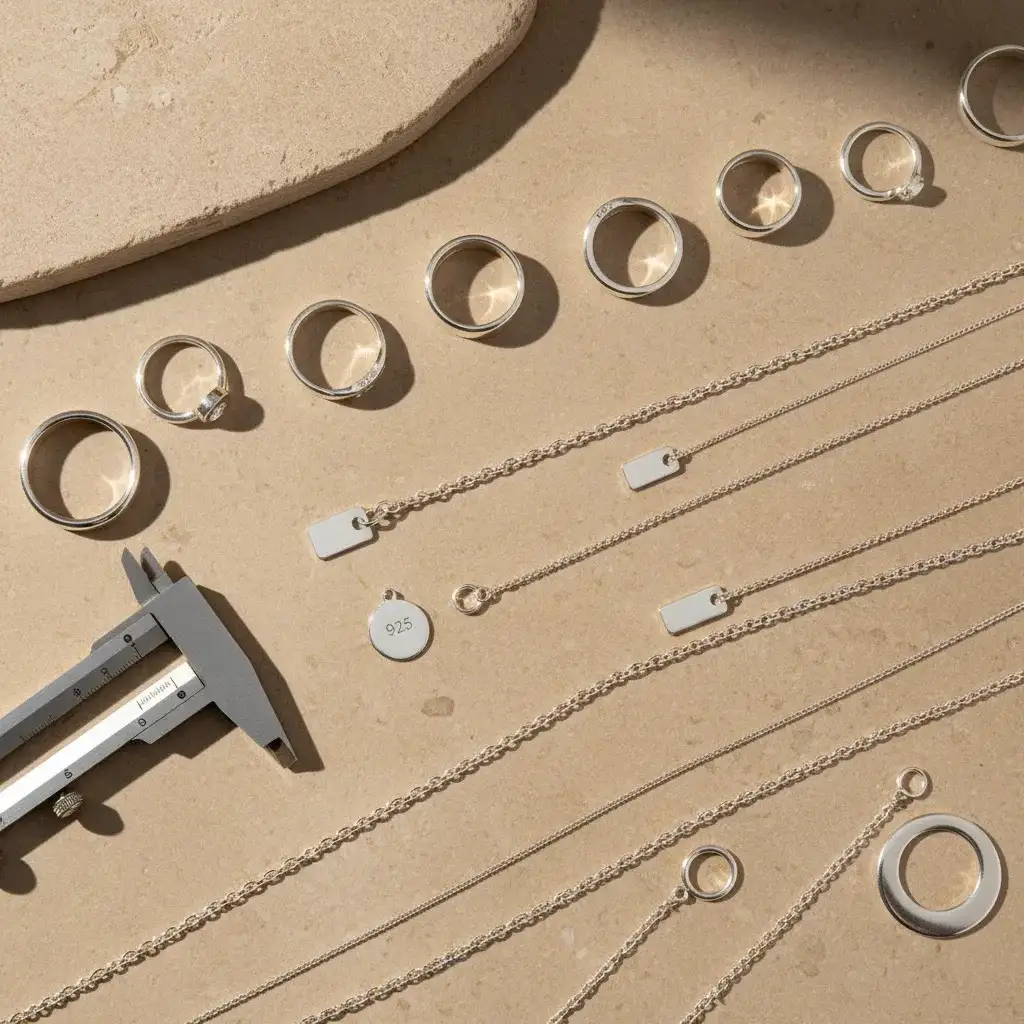
Yes, 925 sterling silver is real silver. In trade terms, the 925 mark generally indicates an alloy that contains 92.5 percent silver. That is why buyers often refer to it as authentic sterling silver. The remaining percentage is typically made up of other metals used to support wearability and production performance, though the exact composition should be confirmed with your supplier rather than assumed.
For a jewelry business, this distinction matters because “real silver” is not a useful purchasing standard by itself. A supplier could describe an item as silver-toned, silver-finished, or silver-colored without it being sterling silver. The 925 designation gives you a more specific benchmark for product descriptions, supplier communication, and internal quality review.
This is also why the question is not only “is 925 sterling silver real” but also “is the supplier using the term correctly and consistently.” A stamped mark alone may not tell the whole story. In many cases, you still need documentation, product sampling, and a clear manufacturing conversation to verify what you are ordering. If you are weighing performance as well as authenticity, this related article on is 925 sterling silver good can help frame the decision.
How to Identify Authentic Silver in a B2B Setting
For retailers and brand owners, authenticity checks should be built into sourcing workflow rather than handled informally after goods arrive. A real 925 sterling silver chain or a real 925 sterling silver ring should be evaluated through multiple checkpoints, not a single visual cue.
1. Review the product marking, but do not rely on it alone
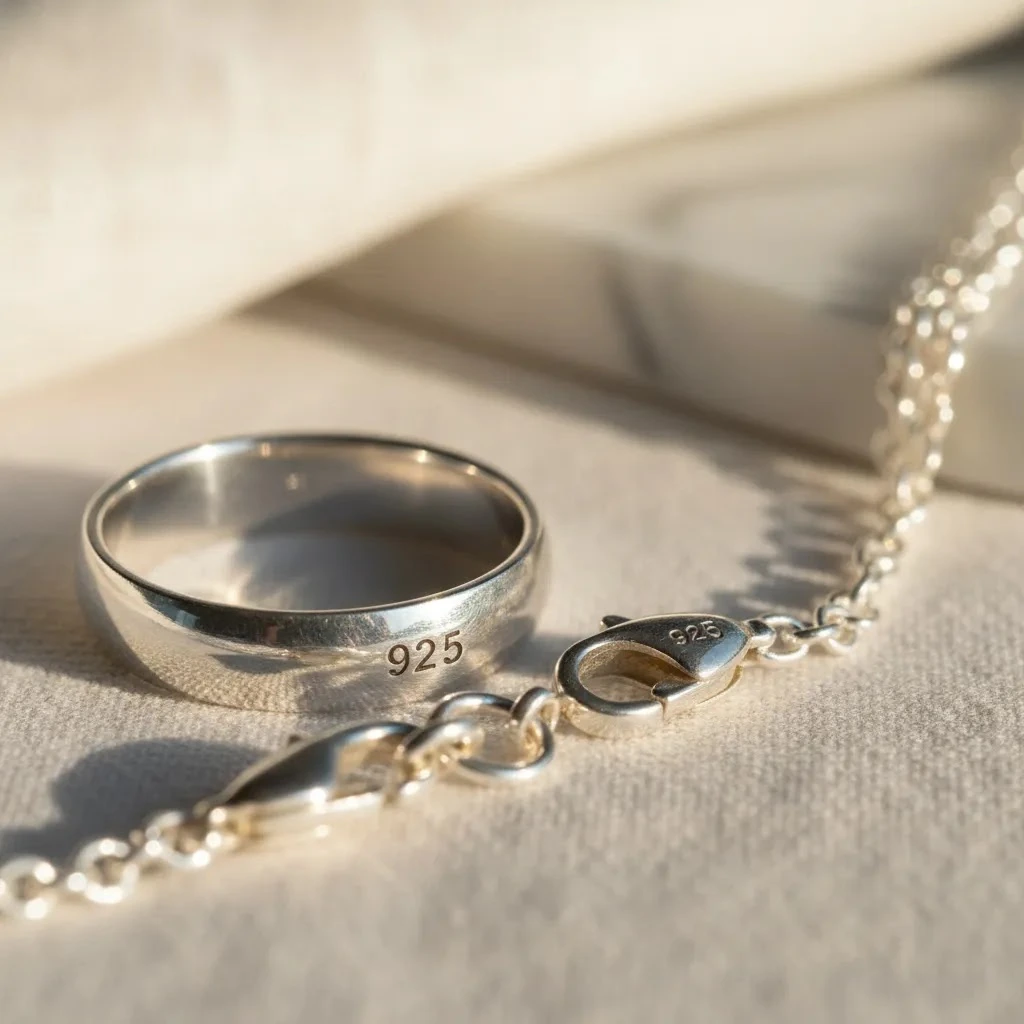
A 925 stamp can be a useful starting point, especially when reviewing samples or incoming stock. It may indicate that the piece is intended to be sold as sterling silver. Still, marks can be inconsistent, difficult to read on smaller items, or applied without enough supporting verification. For B2B orders, hallmarks should be treated as one data point, not final proof.
2. Ask the supplier to define the specification clearly
If a vendor says a product is authentic sterling silver, request the exact specification used in production documentation. This is especially important if you are developing a private label line and need consistency across multiple runs. Clear written specs reduce confusion between sterling silver, silver-plated items, and silver-color products.
3. Use sampling before a full production run
Sampling is one of the most practical ways to reduce risk. It allows your team to inspect marking consistency, finishing quality, product feel, and overall fit with your brand standards before scaling. In custom or wholesale manufacturing, many costly misunderstandings happen because buyers move too fast from concept to volume without enough sample review.
4. Compare supplier claims with product performance over time
Authenticity questions often surface after products reach inventory. If items behave differently than expected across batches, that may point to inconsistency in production, handling, or storage. Authenticity and inventory care are closely linked, which is why this article on protecting sterling silver inventory and essential tarnish prevention and cleaning tips for manufacturers is useful for operations planning.
5. Build verification into your supplier onboarding process
For a growing jewelry brand, the strongest approach is procedural. Your supplier review process should include material claims, sample approval, quality checks, and restock consistency standards. If you are trying to formalize that process, see how to ensure your jewelry business offers authentic 925 sterling silver for a broader business framework.
What “925” Looks Like in Real-World QC (Hallmarks, Tags, and Listing Accuracy)
From a production standpoint, the 925 discussion gets real when your team is inspecting physical goods and trying to keep product information consistent across operations. In wholesale and private label workflows, a small labeling mismatch can create customer-facing confusion fast, especially when multiple teams touch the same SKU.
Common marking variations you may see
In practice, buyers may encounter different marking conventions on items presented as sterling silver. The obvious one is “925,” but you may also see abbreviations such as “ster” or “sterling,” and sometimes you will see a 925 claim in documentation even when the piece itself is unmarked because of size constraints, design limitations, or the manufacturer’s marking policy. Here’s the thing, absence or inconsistency should trigger a spec check, not assumptions. A missing mark does not automatically mean a product is not sterling, and a visible mark does not automatically confirm the full specification.
Align wording across tags, invoices, and listings
What many brand owners overlook is that misclassification often happens internally. Your factory might describe a piece one way, your purchase order might shorten the language, your product tags might use a different term, and your e-commerce or POS description may add yet another variation. Over time, this can blur the line between “sterling,” “silver,” and “silver-plated” in your own system.
Consider this: even if your product is correct, inconsistent wording across documents can create returns and complaints because customers and retail partners do not read “silver” and “sterling silver” as interchangeable. For a brand, the operational goal is simple, choose one approved material description for each SKU based on your agreed specification, then make sure it matches across your supply chain documents and customer-facing copy.
A simple inbound QC workflow to reduce misclassification
You do not need a complicated lab setup to improve accuracy. You need a repeatable inbound process that connects what you approved at sampling to what arrived in the carton.
Start with an approved reference sample tied to a written spec, then do spot checks on each incoming batch. Confirm that documentation matches the purchase order language, confirm that the items match the approved sample in finishing and marking conventions, and record what you observed so the next restock has a benchmark. If something looks off, pause receiving and treat it as an exception workflow rather than trying to “sort it out later” after inventory is already live.
Strengths and Considerations
Strengths
- 925 sterling silver is widely recognized in the jewelry trade, which may make product communication clearer for wholesale buyers and retail partners.
- The 925 designation gives your team a more specific sourcing standard than vague “silver” descriptions, helping reduce misclassification in purchasing documents.
- Authentic sterling silver can support stronger customer trust when your brand presents material information accurately and consistently.
- Using a defined material standard may help with private label assortment planning, especially when you need consistency across repeat orders.
- It is easier to create internal QC checkpoints around a recognized specification than around broad visual descriptions alone.
Considerations
- A 925 stamp by itself may not be enough to verify authenticity. You may still need sample review, specification confirmation, and supplier accountability.
- Material claims can become inconsistent across factories or batches if production documentation is vague.
- Inventory handling matters. Even authentic sterling silver may require proper storage and operational care depending on your environment and turnover rate.
- For first-time founders, it is easy to confuse “real silver” with every silver-colored product in the market, which can lead to sourcing mistakes.
“Worth It” and “Worth Anything”: How Brands Should Think About Value Without Relying on Scrap Math
Buyers often ask whether 925 sterling silver is “worth anything.” In a consumer conversation, that question sometimes turns into scrap or melt value. For a brand, that is usually the wrong frame. Your commercial value is typically built through merchandising, pricing architecture, material honesty, and reorder stability, not what the item might be worth as raw material.
Think of it this way: a product can be correctly described as sterling silver and still be a poor fit for your assortment if it creates operational friction, inconsistent customer expectations, or high return reasons. The better question is whether a 925 program supports your brand’s positioning and the way you sell.
Deciding whether 925 fits your assortment goals
Now, when it comes to assortment planning, you are balancing a few realities at once. You need claims you can stand behind, a price structure that makes sense for your channel, and a product story that is consistent across your website, packaging, and retail training. 925 sterling silver may be a strong fit if you want a defined material standard that is widely recognized, but only if you can keep your claims clean and your sourcing consistent.
In practice, brands tend to run into trouble when they mix categories in language, for example, using “silver” as a catch-all across sterling items and silver-plated items. That can inflate customer expectations and make returns feel justified, even when the product is delivered exactly as made. Operational clarity protects brand value as much as the material choice itself.
What experienced buyers track over time
Once a 925 assortment is live, experienced buyers watch the data that reveals whether the program is stable. That includes return reasons, repeated customer questions about material, complaints that may be tied to storage or handling issues, and any signs of batch inconsistency across replenishment orders. If issues cluster around a specific style, vendor, or production period, you have something actionable. You can tighten specs, adjust QC, revise descriptions, or pause reorders until the root cause is understood.
Who This Information Is For
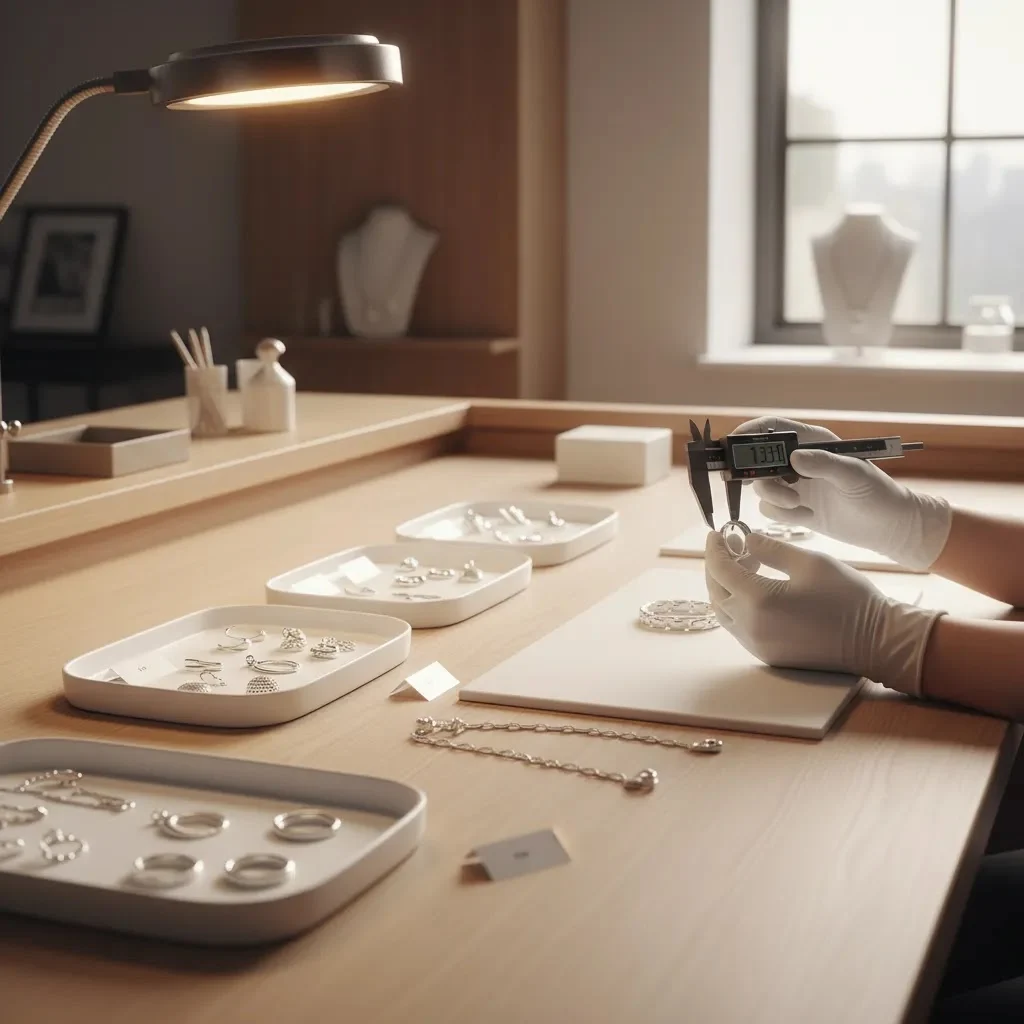
This topic is most useful for boutique owners, jewelry startups, fashion brands, and wholesale buyers who need to evaluate supplier claims before placing stock or custom orders. It is especially relevant if you are building a 925 sterling silver assortment, comparing manufacturers, or tightening your product specifications for private label production.
It is also helpful for teams that are experiencing inconsistent product descriptions across vendors. If your business is scaling, clear definitions around authentic sterling silver can improve training, merchandising accuracy, and quality control across departments.
How to Evaluate Supplier Claims Before You Buy
If you are trying to determine whether 925 sterling silver is real or fake in a sourcing context, use a structured review process. This is more reliable than informal judgment and easier to repeat as your supplier base grows.
Check specification clarity
Ask whether the supplier can define what they mean by 925 sterling silver in writing. Ambiguous wording during quoting often creates larger issues later in sampling or production.
Review communication quality
A strong manufacturing partner should be able to answer direct questions about product specs, revisions, and order requirements in a clear way. Slow or vague responses early in the process may signal larger execution problems later.
Request samples and compare batches
Do not judge a supplier only from photos or sales language. Sample evaluation may reveal differences in finishing consistency, marking quality, and overall execution that matter to your brand.
Assess process maturity
Reliable suppliers usually have a more organized path from consultation to design review, sample approval, production, and fulfillment. If process steps are unclear, product consistency may also be unclear.
Consider scalability
Even if an initial sample looks acceptable, ask whether the supplier can maintain standards as order volume changes. This matters for wholesale accounts, replenishment programs, and private label growth. For businesses comparing sourcing and production capabilities more broadly, Royi Sal Jewelry also provides information on jewelry manufacturing from a B2B perspective.
Can 925 Sterling Silver Be Fake? Where Misrepresentation Happens in Wholesale Supply Chains
Yes, a 925 claim can be misused in the market, and not all problems look like intentional fraud. The reality is that most risk shows up as miscommunication, poor documentation, or process drift across production runs. For a brand, the outcome is the same, you are left managing customer expectations and operational cost.
How “925” gets misused in real sourcing scenarios
In wholesale supply chains, a few patterns show up repeatedly. Items may be stamped inconsistently, lots may get mixed during packing, or the supplier may use “silver” language in a way that is not precise about whether the piece is solid sterling or plated. Another common issue is spec drift, where the approved sample is correct, but the definition is not controlled tightly enough for repeat orders, especially if multiple production teams are involved.
From a buyer’s perspective, these issues are hard to detect if you only review photos and invoices. That is why sampling and repeatability checks matter as much as the initial quote.
Supplier screening questions that surface risk early
You are not just asking “is it 925,” you are evaluating whether the supplier can run a repeatable program. Ask how the specification is defined internally, whether the same definition is used on purchase orders and production paperwork, and how they prevent mixing or substitution during packing. Ask what happens if you reorder the same SKU six months later, and whether the supplier can confirm that the same spec and process will be used.
Consider this: a supplier that can answer clearly in writing is often easier to manage over time than a supplier that relies on verbal assurances or vague catalog language.
What to do if a shipment raises concerns
If something looks wrong on arrival, treat it as an operational issue first, not a debate. Quarantine the shipment so it does not enter sellable inventory, then re-check against your approved sample and your written spec. Document what you are seeing with photos and SKU-level notes, and escalate through your vendor contact with a clear request for corrective action.
What experienced buyers know is that speed matters here. The faster you isolate and document a concern, the easier it usually is to resolve without it turning into a customer-facing problem. If the supplier is a long-term partner, this is also where process improvement happens, tightening documentation, improving marking consistency, or adjusting QC steps so the next delivery is cleaner.
Royi Sal Jewelry as a Manufacturing Resource
Royi Sal Jewelry operates as a B2B custom jewelry design and manufacturing partner for brands, boutiques, and entrepreneurs developing their own collections. The company is led by Royi Gal, whose background as both a jewelry designer and manufacturer supports a practical, end-to-end perspective on product development. That matters when you are trying to translate a design concept into a manufacturable product with clear specifications and reliable communication.
The company emphasizes collaboration, custom jewelry design and development, wholesale and private label manufacturing support, and global shipping and fulfillment. For buyers researching silver programs or custom product development, that kind of collaborative model may be useful because authenticity questions are often solved through better briefing, documentation, and sample review rather than marketing language alone.
If you are assessing sourcing standards, exploring a new product line, or need a partner who can support custom development, you can explore Royi Sal Jewelry’s 925 Sterling Silver resources and visit royisal.com to contact the team about your project. A direct consultation may help you clarify specifications, production expectations, and the best path from design brief to finished collection.
Frequently Asked Questions
Is 925 sterling silver real silver?
Yes. In standard jewelry usage, 925 sterling silver refers to an alloy that contains 92.5 percent silver. For B2B buyers, the more important issue is whether the supplier is using that label accurately and consistently across samples, production documents, and delivered goods.
Is sterling silver real, or is it just a marketing term?
Sterling silver is a real and recognized material classification in jewelry. Still, business buyers should avoid relying only on product titles or sales sheets. Verification should typically include written specifications, sample review, and clear supplier communication before approving production.
How can I tell if 925 sterling silver is real when sourcing wholesale?
Start with the 925 mark if present, but do not stop there. Review supplier specifications, request samples, compare batch consistency, and confirm that your vendor can explain the product clearly. A structured sourcing process is usually more dependable than visual inspection alone.
Is 925 sterling silver good quality?
It can be, but “good quality” depends on more than the material label. For brands, quality is usually the combination of a clear specification, consistent manufacturing execution, and repeatable QC across production runs. A 925 claim may support clearer merchandising, but you still need strong finishing standards and supplier consistency.
Can 925 sterling silver be fake?
Yes. In wholesale contexts, misrepresentation can show up as inconsistent stamping, mixed lots, unclear claims about plated versus solid construction, or spec drift between the approved sample and later batches. The best protection is written specification control, sample approval, and inbound spot checks that compare delivered goods to your approved reference.
Is 925 sterling silver worth anything?
For a jewelry business, value usually comes from retail positioning, pricing architecture, and material honesty rather than scrap math. A 925 program may be “worth it” if it supports your assortment strategy and your supplier can deliver consistent specs over time. Track return reasons and repeat-order consistency to validate that value operationally.
Does 925 sterling silver turn green?
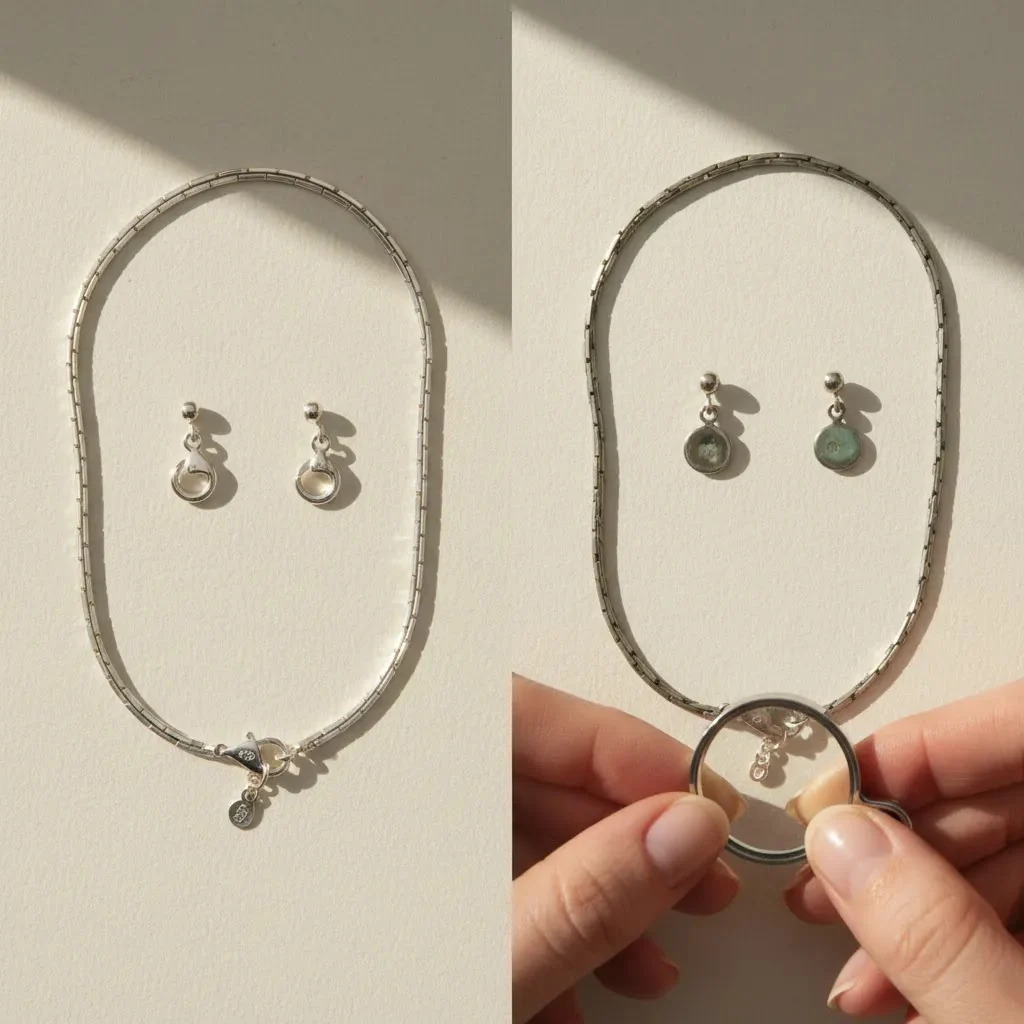
Discoloration can happen for different reasons, and “green” is not a reliable authenticity test on its own. Environmental exposure, handling, and storage conditions may contribute to unexpected color changes, and some reactions can also be influenced by components used in construction or finishing. If you see a pattern, treat it as a QC and documentation issue, compare against the approved sample, and review how the item is described and handled in your inventory workflow.
Is 925 sterling silver real or fake if it tarnishes?
Tarnish alone does not mean a product is fake. Storage conditions, environmental exposure, and handling practices may affect how silver inventory looks over time. That is why material verification and inventory care should be treated as related but separate operational issues.
Can a real 925 sterling silver ring still have quality problems?
Yes. Authentic material and strong manufacturing execution are not the same thing. A ring may meet a silver specification but still show issues in finish consistency, construction details, or quality control. Brands should evaluate material claims and production standards separately.
Should I trust a 925 stamp on its own?
Usually, no. A hallmark may be helpful, but it should not be your only verification method. In many B2B purchasing situations, sample approval, supplier transparency, and specification control provide a more reliable basis for decision-making than a stamped mark alone.
Why does authenticity matter so much for private label jewelry brands?
Because your brand, not the factory, carries the reputational risk. If product descriptions are inaccurate or inconsistent, you may face returns, customer complaints, and trust issues with retail partners. Clear authenticity standards help protect merchandising accuracy and long-term brand value.
What should I ask a manufacturer before ordering 925 sterling silver products?
Ask how they define the specification, how samples are handled, what quality checks are used, and how consistency is maintained across production runs. You should also understand communication process, revision handling, and fulfillment expectations before moving into larger orders.
Key Takeaways
- 925 sterling silver is real silver, but B2B buyers should still verify supplier claims through documentation and samples.
- A 925 stamp may help, though it should not replace specification control and quality review.
- Authenticity, product consistency, and inventory handling are connected in wholesale and private label operations.
- Clear supplier communication may reduce costly mistakes between quoting, sampling, and production.
- Working with a collaborative manufacturing partner can make material verification and product development more manageable.
Conclusion
If you have been asking whether 925 sterling silver is real, the answer is yes, but the better question for a jewelry business is how to verify it responsibly before it affects your assortment, brand claims, or customer trust. Authenticity should be treated as part of a broader sourcing system that includes clear specifications, sample approval, process visibility, and reliable communication. Royi Sal Jewelry approaches custom jewelry development as a collaborative manufacturing partnership, led by founder Royi Gal’s experience as both a designer and manufacturer. If you are planning a new collection or reviewing supplier options, visit royisal.com to learn more about the process or contact the team to discuss your custom jewelry brief.