Is Silver Magnetic? Testing Silver Authenticity Guide
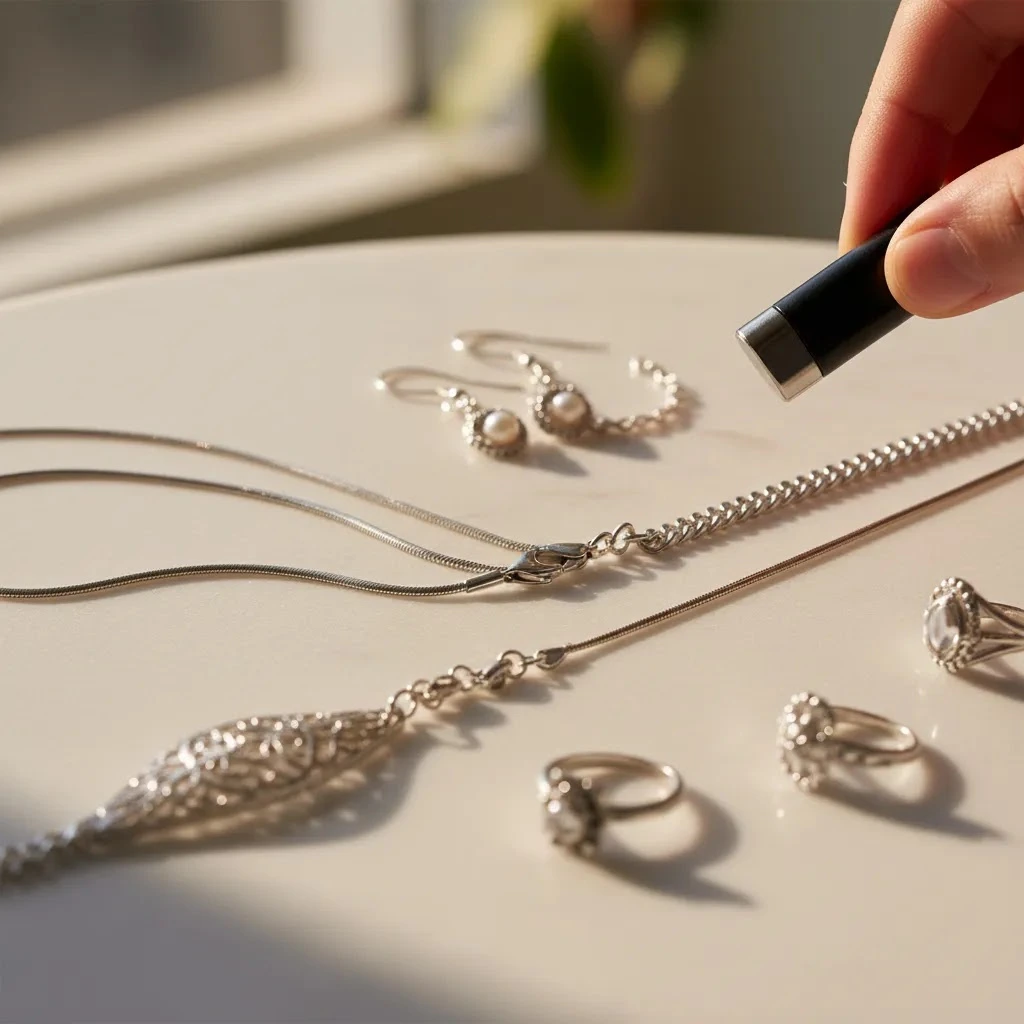
What Magnetism Means for Silver
Here’s the thing, pure silver is not considered a magnetic metal in normal business testing conditions. So if you are asking is silver magnetic, the short answer is no, not in the way iron or some steel alloys are. A strong magnet should not snap onto genuine silver with obvious attraction.
That said, the absence of magnetism does not automatically prove authenticity. Many non-silver metals are also non-magnetic or only weakly reactive. This is where many jewelry businesses get misled. They use a magnet, see little or no pull, and assume the piece is confirmed as real silver. From a production standpoint, that is too narrow.
Think of magnetism as a filter, not a final verdict. If a piece shows strong magnetic attraction, that can be a warning sign that the core metal or a major component may not be silver. If a piece does not react, you still need other checks before you approve a supplier, sign off on a sample, or accept a production batch.
What the Silver Magnet Test Can and Cannot Do
The silver magnet test is popular because it is fast, low cost, and easy to repeat across multiple samples. For a jewelry entrepreneur reviewing supplier submissions, that convenience matters. You may be handling chains, pendants, findings, and finished pieces from several sources at once.
What the test can do
It can help you identify obvious issues early. If a silver chain or other component strongly attracts a magnet, that may indicate a base metal content inconsistent with the supplier’s claim. This can be especially useful during incoming quality checks, sample comparison, or supplier screening.
What the test cannot do
It cannot confirm purity, grade, or full composition. It also cannot tell you whether a piece is solid silver, partially silver, silver plated, or assembled with mixed materials. In practice, this means a piece could pass a magnet test and still fail your authenticity standards.
Now, when it comes to wholesale buying, this distinction matters a lot. One inaccurate assumption can affect product labeling, margin planning, and customer trust. If you are comparing material claims more broadly, it helps to understand is 925 sterling silver real in the context of actual sourcing and manufacturing decisions.
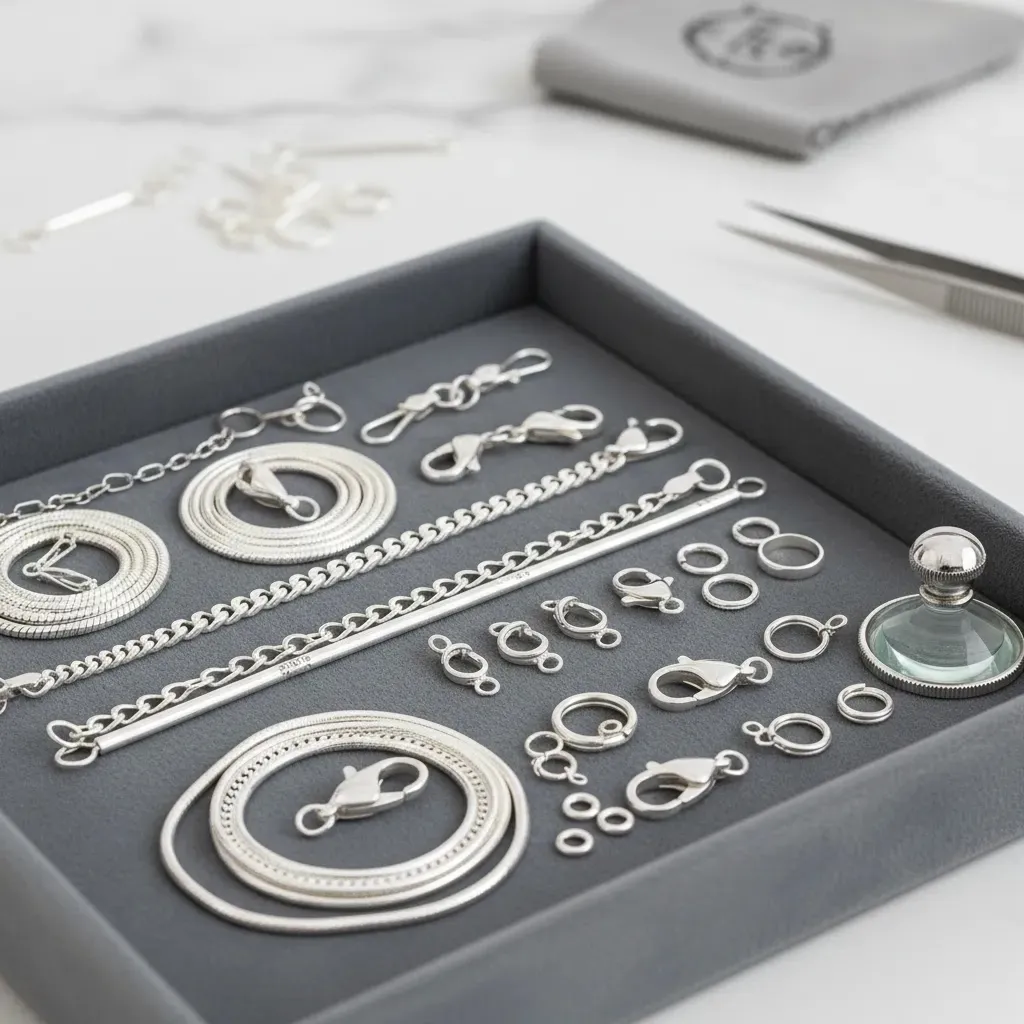
How to Do a Silver Magnet Test Correctly
For B2B teams, the magnet test is most useful when you treat it like a repeatable screening step, not a one-off trick. That means controlling a few variables so your staff can get consistent results across different SKUs, different suppliers, and different incoming batches.
Start with a magnet that produces a clear response on a known ferrous object, and do not assume any small promotional magnet is strong enough for quality control work. In practice, you want the test to show a noticeable difference between a strong attraction and no meaningful reaction. If your magnet barely reacts to anything, your screening process can create false confidence.
Test multiple points on the same SKU. The goal is not only to see whether a magnet sticks, it is to map where it sticks. Focus first on structural and functional points that may contain different components, for example, clasps, jump rings, end caps, pendant bails, or any mechanical element. If you only touch the magnet to one smooth surface, you may miss the exact area that should trigger follow-up questions with the supplier.
Some testers also use a motion-based check on flatter silver items, sometimes called a sliding magnet check. This typically involves placing the piece at a slight angle, then letting a magnet move along a flat section. On some metals, you may notice the magnet does not glide freely and can feel slowed during motion. Here’s the thing, even when that behavior appears, it is still not a standalone confirmation of authenticity for wholesale decisions. It can be a useful observation to record, but it does not replace documentation, sample approval controls, or third-party verification when needed.
Execution errors are common. Testing only a plated exterior can hide what is under the surface, and testing on curved, textured, or stone-set areas can make results harder to read because contact is inconsistent. From a production standpoint, you want to test where the magnet can contact cleanly, and you want your team to document exactly where that contact occurred so the finding can be reviewed later.
Is Sterling Silver Magnetic in Real Production?
Many readers ask two related questions: is sterling silver magnetic and is 925 silver magnetic. In general, sterling silver is also not magnetic in the strong, obvious sense you would expect from ferrous metals. So if a product is represented as 925 silver, a magnet should not strongly pull it.
The reality is that jewelry is rarely just one uninterrupted mass of metal. A necklace may include clasps, jump rings, pins, spring mechanisms, or other small functional parts. Some of those elements may behave differently under a magnet, especially if they are not made from the same material as the visible body of the piece.
Consider this scenario: a boutique owner receives silver chains from a new source. Most of the chain links do not react to the magnet, but the clasp area does. That does not automatically mean the whole chain is fraudulent, but it does mean the business should ask better questions. Which parts are being tested? Was the claim meant to apply to the entire assembly or only the primary metal content? Was the sample built the same way as the final run?
If you are weighing performance, value, and product positioning, a separate review of is 925 sterling silver good can help you frame that decision more accurately for your collection strategy.
Why 925 Silver Might Show Magnetic Pull, And What to Check First
What experienced buyers know is that a magnet reaction does not always mean the entire item is misrepresented. If your team is asking, why is my 925 silver magnetic, the first step is to identify the exact point of attraction, not the general area. Jewelry is assembled from components, and component-level decisions can explain most of the confusion that shows up in QC.
In real production, the parts most likely to create a magnet pull are functional elements such as clasps, internal spring mechanisms, pins, or other small structural pieces that may be sourced differently than the main body. A chain could be represented as sterling for its primary links, while a clasp mechanism behaves differently. This is not something to accept blindly, but it is something to verify precisely before you label the whole SKU as non-compliant.
For business buyers, a simple decision tree helps:
- Identify the exact point of attraction, then test the adjacent area to confirm it is localized.
- Compare that component to the supplier’s written spec, not a verbal claim. Ask whether the material claim applies to every component or only the main body.
- Decide next steps based on commercial risk. You might reject the sample, request a revised sample built to spec, or approve with a documented exception if it matches what you can accurately claim in product descriptions.
Documentation matters because your internal team needs to map findings to SKUs, line sheets, and product copy. In practice, record the test date, the magnet behavior observed, the exact component tested, and whether the supplier confirmed that component’s build in writing. This makes later conversations much easier, especially if an approved sample differs from bulk production.
If you are qualifying a new vendor, ask for component-level confirmation upfront. That means the supplier should state what applies to the chain body, the clasp, and any other findings separately. A clear written breakdown reduces misunderstandings and helps you build product descriptions that reflect what you can defend in a wholesale environment.
How B2B Buyers Should Test Silver Authenticity
What many jewelry brands overlook is that authenticity testing should be a process, not a single trick. If you are testing real silver for sourcing or manufacturing purposes, use a layered approach that gives you practical evidence at several stages.
A better workflow for testing real silver
- Start with visual inspection: Review stamps, finish consistency, construction quality, and whether all components match the stated specification.
- Use the magnet test as a screen: Look for strong attraction that could indicate a problem, especially in core structural components.
- Check supplier documentation: Confirm what the supplier is actually claiming for each part, not just the finished piece.
- Compare samples against approved standards: Keep a master sample from a trusted source for side-by-side review.
- Request batch-level consistency checks: One valid sample does not guarantee every production unit matches.
For businesses building long-term sourcing systems, this kind of process is much more reliable than relying on whether a magnet sticks. It also creates better internal records for your team, especially if you scale into repeat orders, multiple SKUs, or private label production.
Royi Sal Jewelry operates in the custom jewelry design and manufacturing space with a collaborative B2B model, and that kind of partnership approach is often where stronger quality control starts. Clear specifications, sample approvals, and documented expectations usually reduce confusion long before goods are shipped.
If your goal is to build a stronger authentication process across vendors, this resource on how ensure jewelry business offers authentic 925 sterling silver is a practical next step.
Magnet Test vs Metal Detector and Other Methods, What Each Actually Proves
A common misunderstanding in sourcing conversations is assuming that if silver is not magnetic, it is somehow difficult to detect. Non-magnetic does not mean undetectable. Detection tools can still register a metal item based on how it interacts with the tool’s sensing field, even if the metal is not pulled by a magnet. For B2B teams, the practical point is simple: magnetism is only one property, and it does not define whether a metal can be identified by other equipment or verification steps.
Think of magnets as an initial screening tool. They are useful for quickly flagging ferrous content or unexpected components, especially when you are reviewing multiple samples or receiving incoming batches. What they cannot do is confirm a material claim the way more controlled methods can.
In many wholesale operations, additional verification may include supplier-provided test results, controlled sample approvals tied to written specifications, and in higher-risk situations, verification through a qualified testing service. Each method answers a different question. A magnet can suggest whether a component might contain a ferrous metal. Documentation can confirm what the supplier claims by component. A third-party verification process can help confirm composition more directly when your business needs that level of certainty.
From a decision standpoint, choose the method based on risk and context. If you are qualifying a new supplier, you typically want more than a magnet check because your goal is to validate their consistency and documentation habits, not just the sample in your hand. If you are checking an established production run from a supplier with a strong track record, magnets and batch-level spot checks may be enough as part of your incoming inspection system. The key is aligning the verification method with what your brand can responsibly claim in product descriptions and wholesale materials.
Common Mistakes When Evaluating Silver Chains and Components
Silver chains and component-based designs create some of the most common testing errors in wholesale environments. A chain may look uniform, but it often includes multiple parts with different functions, manufacturing methods, or supplier origins.
Testing only one area
If you test a clasp and assume the result applies to the full chain, you may misread the piece. If you test only the center links and ignore the closure system, you can miss an issue in the assembly. In practice, this means your inspection method should reflect how jewelry is actually built.
Confusing tarnish with authenticity
Another common error is assuming tarnished silver is fake or that untarnished silver is automatically authentic. The question does silver tarnish often comes up in sourcing conversations because surface change can make teams nervous. Tarnish is a storage and handling issue, not a simple authenticity test. A real silver item may tarnish, and a non-silver item may stay visually bright for a period of time.
That is why inventory care and authenticity are related but not identical topics. If your team handles silver stock in volume, it is worth reviewing protecting sterling silver inventory essential tarnish prevention cleaning tips for manufacturers as part of your broader quality system.
How Authenticity Checks Fit Into Manufacturing Workflows
For a growing brand, the real question is not only is pure silver magnetic. It is also how your business verifies material claims before mistakes become expensive. The best time to address silver authenticity is early, during design development, sampling, and supplier alignment.
From a production standpoint, authenticity checks should show up in four places:
- During supplier qualification
- During sample approval
- At incoming batch inspection
- Before product descriptions and wholesale sales materials are finalized
This is especially important if you work across borders. Global manufacturing can be efficient and scalable, but only if your requirements are written clearly and checked consistently. Many business owners assume quality control starts after production. The reality is that it starts with how you define the product in the first place.
Royi Sal Jewelry presents itself as a professional manufacturing partner for brands, boutiques, and jewelry businesses developing custom collections. In that kind of environment, collaborative design consultation and clear manufacturing communication can help reduce the kind of ambiguity that often leads to silver authenticity disputes later on. You can also explore broader site resources through the Jewelry Manufacturing section and the 925 Sterling Silver category.
Frequently Asked Questions
Can a magnet test alone verify silver for wholesale inventory?
No. A magnet test can help you screen for obvious issues, but it should not be treated as final proof of silver authenticity. Many non-silver metals may show little magnetic reaction, and some jewelry pieces include mixed components that complicate the result. If you run a wholesale or private label business, use the magnet test as one checkpoint within a larger inspection process that includes visual review, supplier documentation, approved samples, and batch consistency checks.
Is pure silver magnetic in standard business testing conditions?
Pure silver is generally not magnetic in the strong way that ferrous metals are. If you apply a magnet to a genuine silver piece, you should not see a sharp pull or obvious attachment. Still, that does not mean every non-reactive piece is authentic silver. For sourcing decisions, think of this result as negative evidence against certain metals rather than positive proof that the product is pure silver. Additional verification steps are still important.
Is sterling silver magnetic enough to raise concern during QC?
Sterling silver itself is generally not expected to show strong magnetic attraction. If your team notices a strong pull during quality control, that may justify closer inspection. The key is to identify where the reaction occurs. On complex pieces, the issue may involve only one finding or mechanical part rather than the main body. A smart QC process records which area was tested, compares it to the original specification, and confirms whether the result matches what the supplier actually promised.
How should jewelry brands test silver chains from a new supplier?
Test several areas rather than one point only. Chains often include links, clasps, jump rings, end caps, or other components that may not behave the same way. Start with visual review, then apply a magnet test across multiple sections, not just the clasp. Compare the sample against approved references and supplier specifications. If you are evaluating a new manufacturing partner, document each finding so you can track consistency between sample approval and final bulk production.
Does tarnished silver mean the item is fake?
No. Tarnish does not automatically indicate fraud or misrepresentation. Real silver may tarnish over time depending on storage, handling, and exposure conditions. On the other hand, a bright untarnished surface does not prove authenticity either. For B2B teams, the practical takeaway is simple: treat tarnish control and material verification as related but separate tasks. Your inventory management process should address both so that appearance issues do not create confusion about actual metal identity.
Will a magnet stick to silver?
In most normal testing situations, a magnet should not stick strongly to genuine silver in the way it would to ferrous metals. If you see a sharp pull or the magnet snaps onto the piece, treat that as a reason to investigate construction and components. For assembled jewelry, test multiple points, especially functional parts like clasps or mechanisms, because one small component can create attraction even if other areas do not.
Why is my 925 silver magnetic?
In production, the most common reason is that a specific component is behaving differently than the rest of the piece. Clasps, internal springs, pins, or other functional findings may trigger magnet pull even when the main visible body is represented as sterling. Identify the exact point of attraction, compare it to the supplier’s component-level spec, and decide whether you need a revised sample, a documented exception for labeling, or a rejection based on your brand standards.
How can you tell real silver?
For B2B decision-making, rely on a process rather than one indicator. Start with visual inspection and stamp review, then use a magnet test as an initial screen for obvious red flags. Confirm what the supplier is claiming in writing by component, and compare incoming items to an approved reference sample. For higher-risk orders or new suppliers, additional verification through qualified testing services may be appropriate depending on what your business needs to prove.
Is all fake silver magnetic?
No. Many non-silver metals are also non-magnetic or only weakly reactive, so a piece can fail authenticity requirements and still show little or no magnet attraction. This is why magnet tests work best as a quick filter for certain problems, not as a complete method for verifying silver composition. Treat a non-magnetic result as one data point that still needs documentation and other checks behind it.
What should be included in a supplier silver authenticity checklist?
A useful checklist often includes product specification review, marking and stamp inspection, visual consistency checks, magnet screening, sample comparison, and written confirmation of what material claim applies to each component. You may also want incoming batch controls so that one approved sample does not stand in for the entire order. The goal is not to create paperwork for its own sake. It is to reduce risk before product claims reach your catalog, wholesale line sheet, or customer-facing descriptions.
How early should silver testing happen in private label development?
Testing should begin during sample development, not after a full production order is complete. Early checks allow you to catch unclear specs, inconsistent parts, or supplier misunderstandings before they affect timeline, margin, and trust. If you are building a private label collection, align authenticity expectations during the design and sampling stages. That gives your manufacturer and your internal team a clearer basis for quality control once production scales beyond one-off prototypes.
Why do silver authenticity problems create bigger issues for B2B brands?
Because the consequences usually spread beyond one item. If a material claim is wrong, it may affect your pricing structure, product labeling, retailer relationships, return handling, and brand credibility. For boutiques and jewelry entrepreneurs, that can be much more costly than the original sourcing error. This is why businesses should not rely on informal tests alone. Material verification needs to support commercial accuracy as well as physical inspection.
Can mixed-material construction distort magnet test results?
Yes. This is one of the biggest reasons magnet testing should be interpreted carefully. A piece may contain functional parts, closures, or internal elements that respond differently from the main visible body. If your team tests only one small area, the result may not reflect the entire piece accurately. In manufacturing and wholesale review, the better approach is to test several points, identify each component type, and compare your findings to the supplier’s documented build specification.
What is the best next step if a silver sample gives unclear results?
Pause approval and request clarification before moving into bulk production. Ask the supplier to explain the construction by component, confirm the material claim in writing, and provide a revised or duplicate sample if needed. Internally, note where the test result was unclear and whether the issue could affect labeling or sales claims. If you are working with a collaborative manufacturing partner, the conversation should focus on specification clarity and repeatable QC, not guesswork.
Key Takeaways
- A strong magnetic reaction is a warning sign, but a non-magnetic result does not prove silver authenticity on its own.
- Questions like is sterling silver magnetic and is pure silver magnetic need to be answered in the context of actual jewelry construction, not isolated theory.
- Silver chains and assembled pieces should be tested across multiple components, not just one visible area.
- Tarnish and authenticity are different issues, and both should be managed through clear inventory and QC procedures.
- B2B jewelry brands reduce risk when they build silver verification into supplier approval, sampling, incoming inspection, and product documentation.
Conclusion
If you have been asking is silver magnetic, the practical answer for a jewelry business is simple: magnetism can help you identify obvious red flags, but it should not be treated as a complete authenticity test. For wholesale buyers, boutique owners, and brand builders, the bigger priority is creating a repeatable system for checking material claims before they affect inventory, pricing, and trust.
Think of the magnet test as one tool inside a broader quality process. Pair it with clear specifications, careful sample review, supplier documentation, and batch-level checks. That approach gives you better control whether you are sourcing silver chains, building a private label line, or reviewing production samples from an overseas partner.
If you want to explore how a professional custom manufacturing relationship supports clearer product specifications and stronger quality control, visit royisal.com or reach out to Royi Sal Jewelry to discuss your project requirements. A collaborative process often makes authenticity questions easier to resolve before production scales.