
Inside Royi Sal’s 3D Sampling Workflow

Why 3D Sampling Matters Before Production
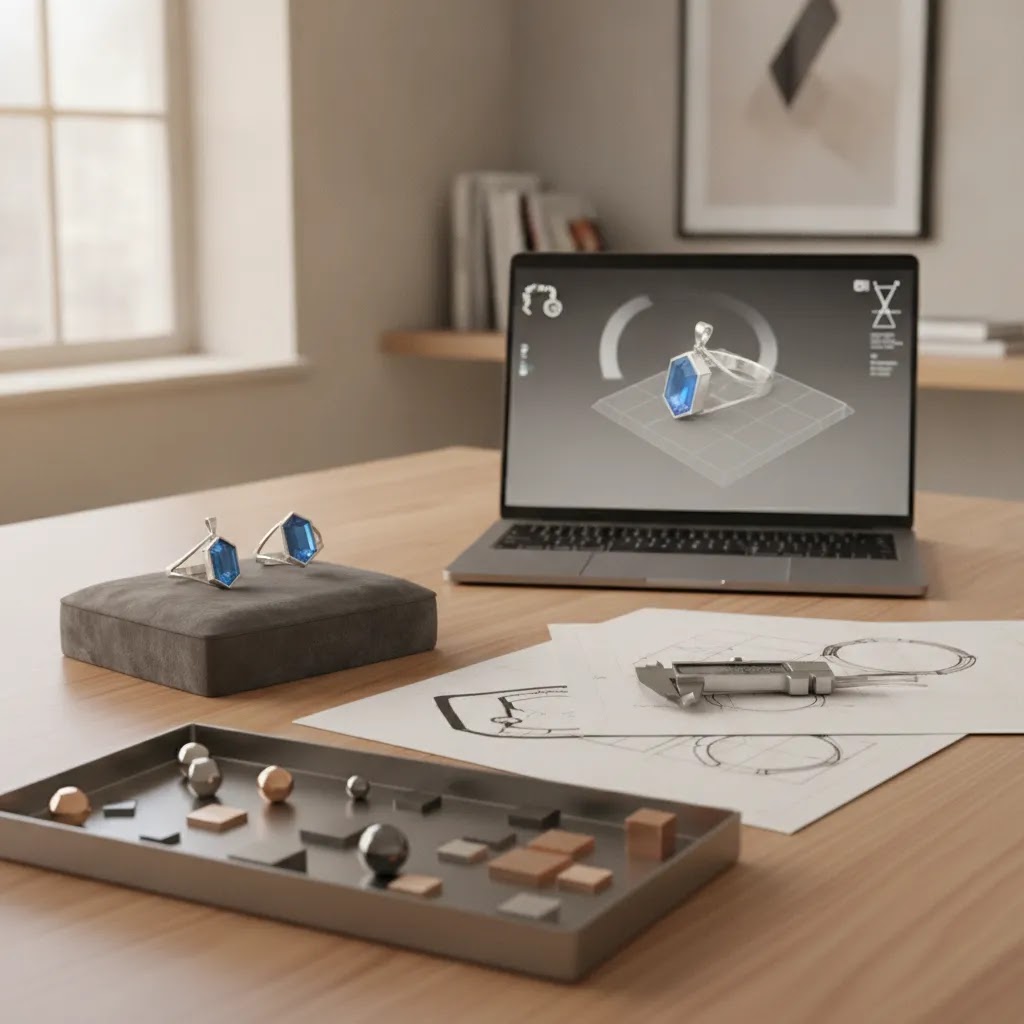
A 3D sampling workflow is not just a design step. In many B2B jewelry projects, it acts as the checkpoint between idea and manufacturing reality. Brands often use it to test proportions, visual balance, product consistency, and whether the original brief is detailed enough to support production.
That matters even more when approvals happen across distance, time zones, or multiple stakeholders. A founder may want one look, a merchandising team may need commercial viability, and a manufacturing partner may need clearer technical direction. A well-run sampling stage can help those groups review the same concept before production planning moves ahead.
For private label and wholesale development, 3D sampling may also reduce confusion around revision scope. If the first review happens only after physical production starts, changes can become slower and more expensive. By contrast, digital review points may help brands identify issues earlier, especially when collections include multiple related pieces.
Royi Sal Jewelry operates as a custom jewelry design and manufacturing partner for B2B clients, with a collaborative service model led by founder Royi Gal, whose background spans both design and manufacturing. That combination is relevant here because 3D sampling tends to work best when the design intent and production implications are considered together, not as separate conversations.
What Is 3D Sampling (And What It Is Not) in a B2B Jewelry Workflow
“3D sampling” is often used as shorthand for several different steps, and that can create approval problems inside a brand. In practical B2B terms, 3D sampling is the stage where your concept is represented as a digital model that stakeholders can review, comment on, and approve in defined rounds. It is used to support decisions about design direction and details before the project moves closer to manufacturing planning.
A 3D sample is usually a review tool, not a finished production approval by itself. A model can look clean on-screen and still require additional checks, documentation, or a physical validation step depending on the project. This is why experienced buyers separate “design approval” from “production readiness,” even if both conversations happen during the same sampling phase.
To keep your team aligned, it helps to distinguish common terms that get mixed together:
- 3D sampling: a managed review process using digital models as the approval asset.
- CAD modeling: the act of building the 3D geometry, often the technical backbone of the sample.
- 3D rendering: visual images generated from the model to help stakeholders understand look and form, but not always a reliable indicator of technical details.
- 3D printing: a method that may be used to create a physical prototype from a digital file, which can support fit or proportion evaluation, but still does not automatically equal production sign-off.
- Physical prototype: a real-world sample used for handling, fit checks, and stakeholder approval, which may be created through different methods depending on the partner’s process.
From a production standpoint, “production-ready” at the CAD stage typically means the model is no longer a loose concept. It is usually dimensioned, internally consistent, and detailed enough that a manufacturing team can interpret intent without guessing. In many cases, that includes confirmed proportions, clear functional details like closures or connection points where relevant, and a level of fit awareness so parts align as expected. The exact threshold for “ready” varies by partner and product type, but the business point is consistent: you want a clear moment where your team is no longer approving an idea, you are approving a buildable plan.
How Royi Sal’s Workflow Appears to Be Structured
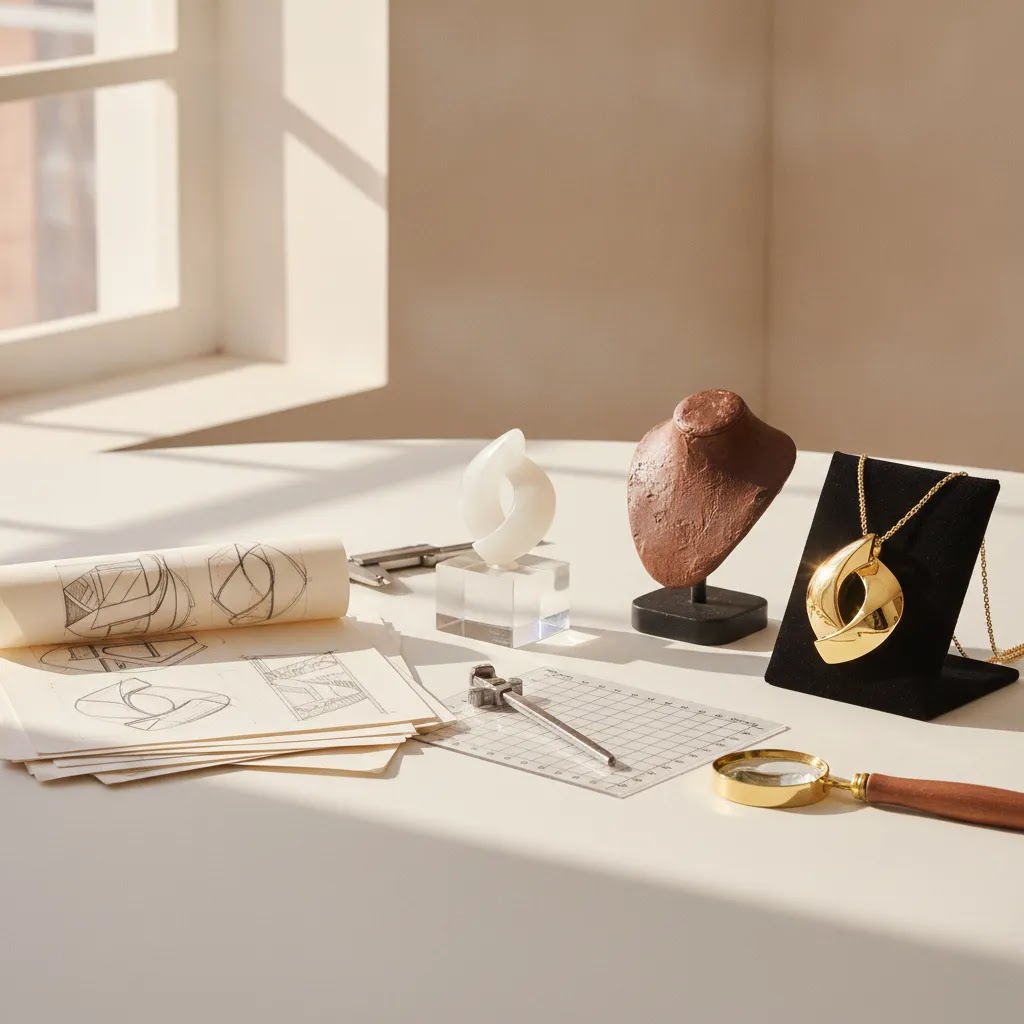
Based on Royi Sal Jewelry’s positioning, the company supports custom jewelry design and development, collaborative design consultation, wholesale manufacturing, private label production, and global fulfillment. That suggests the 3D sampling workflow is likely handled as part of a wider end-to-end development path rather than as an isolated file-delivery service.
For B2B buyers, that distinction matters. A standalone CAD vendor may produce a model, but a manufacturer-led workflow can be more useful if your next concern is sampling, approvals, and eventual production execution. Royi Sal’s model appears built around partnership, which may give clients a more connected handoff between design review and manufacturing planning.
The practical value of that approach usually shows up in several areas:
- Initial brief interpretation, where sketches, inspiration images, or collection direction are translated into workable design intent
- Collaborative review cycles, where a client can comment before physical production decisions are locked in
- Alignment between digital development and manufacturing expectations, which may reduce mismatches later
- Scalability for brands that are not building a one-off piece, but a repeatable line with reorder potential
If your team is researching software-centered topics such as rhino 3d software or broader jewelry manufacturing software, it helps to separate software knowledge from workflow quality. A good platform can support the process, but it does not replace strong review discipline, clear communication, or production-minded design development.
Software Is Only Part of the Story (Where Rhino Fits, and What to Ask If Your Partner Uses It)
Software questions come up quickly in 3D sampling because brands want confidence that a model can be edited, versioned, and prepared for production steps without constant rebuilding. Rhino is one common tool in jewelry CAD workflows, and it is often associated with production-oriented modeling because teams can build precise geometry and iterate quickly as feedback comes in. Choosing a partner, the software name is less important than what the team can consistently deliver inside their workflow.
Two partners can use the same platform and still produce very different outcomes. The difference is usually process discipline and manufacturing awareness. If a partner uses Rhino or a similar CAD environment, you can ask practical buyer questions that reveal how the team actually works:
- How are revisions managed across versions, and how do you ensure the newest file reflects the latest approved changes?
- Can you make targeted edits without rebuilding the entire model, especially when a collection includes multiple related pieces?
- How do you document changes between rounds so stakeholders can approve confidently and avoid repeating feedback?
- What does the team consider “ready for the next stage,” and what internal checks happen before you see an updated sample?
Collections introduce a second layer of complexity. If you are building coordinated styles, you want consistent proportions and repeatable details across the line, not a set of one-off models that drift over time. A workflow that can manage version control and structured edits across a collection is often more valuable than a workflow that only produces single models quickly.
If your brand already has CAD files from a freelancer, a previous vendor, or a purchased asset, you should also assume a review step may be required before the file can be used inside a manufacturer-led workflow. In practice, a file that looks correct visually may still be difficult to edit, inconsistently built, missing clear scale information, or not aligned with how a specific manufacturing team prepares models for downstream steps. This does not mean outside files are unusable, but it does mean you should ask whether the file can be worked from directly, whether parts may need to be rebuilt, and what your team should provide to reduce back-and-forth.
What B2B Buyers Should Evaluate in a Sampling Workflow
Not every 3D sampling process serves the same business need. Some are fast but narrow. Others are collaborative but slower. If you are reviewing Royi Sal’s approach, or comparing it with other manufacturing partners, focus on business usability rather than software labels alone.
1. Brief Translation Quality
The first question is whether your concept can be interpreted clearly. Strong workflows usually begin with a serious design consultation, not just a request for a file. If your brand has rough visuals but limited technical documentation, the partner’s ability to convert that into a workable development path may be more valuable than any single modeling tool.
2. Revision Logic
Sampling rounds should have structure. You want to know how feedback is gathered, how changes are prioritized, and at what point approvals become production-facing. A workflow that welcomes revision without clear decision gates may create drift, where the design keeps changing and timelines become harder to manage.
3. Manufacturing Awareness
Some digital samples look convincing but do not translate smoothly into production planning. Since Royi Sal Jewelry combines design and manufacturing services, B2B clients may benefit from a workflow that reviews a concept with production implications in mind. That may help with repeatability, collection consistency, and fewer surprises during later stages.
4. Communication Across Teams
If your project involves founders, buyers, retailers, or brand managers, the workflow should support clear approval points. A sampling process becomes more commercially useful when it gives decision-makers a practical way to sign off on direction before a production run is discussed in detail.
5. Fit With Business Stage
An emerging brand may need more guidance and interpretation. A mature brand may need efficient execution and repeatable standards. Royi Sal’s collaborative positioning may suit businesses that want more hands-on development support rather than a transactional order model. You can explore related service areas in Royi Sal’s Jewelry Design and Jewelry Manufacturing sections.
CAD File and Deliverable Checklist for Faster Approvals

If you want sampling to move efficiently, treat every review round like a formal approval meeting, even if it happens by email. The goal is not to “see a model.” The goal is to give your internal team enough clarity to approve, document, and move forward without reopening the same decisions in the next round.
During 3D sampling, brands typically benefit from reviewing deliverables that are easy to interpret across stakeholders, not only by a CAD specialist. Depending on the partner, that may include clear model views, key measurements, and annotated visuals that show exactly what changed. If you want fewer misunderstandings, it is reasonable to request documentation that helps non-technical reviewers sign off with confidence, especially if a buyer, retailer, or brand manager is part of the decision chain.
Feedback quality is a controllable variable. If comments arrive from five people in five different formats, revision churn is almost guaranteed. A cleaner approach is to run the sampling stage like experienced buyers do: assign a single decision owner, consolidate comments internally, and send one unified set of edits per round. If your team uses screenshots, markups, or written callouts, keep them consistent so your partner does not have to interpret conflicting instructions.
Approvals work best when they have gates. Many B2B teams use an internal approval sequence even if the partner’s process is flexible. You might sign off first on concept direction, then on detail-level decisions, then on a pre-production confirmation step where the final sample package is locked. The exact naming is less important than the discipline. Keep a simple change log, archive approved versions, and document who approved what. If you ever need to reorder or expand a collection later, that internal record often becomes just as valuable as the model itself.
Strengths and Considerations
Strengths
- A collaboration-focused workflow may help first-time or growing brands clarify a design brief before production planning advances.
- Royi Sal Jewelry’s combined design and manufacturing positioning could support better alignment between digital sampling and later production requirements.
- Founder Royi Gal’s background as both designer and manufacturer adds credibility to a workflow that needs to balance visual intent with execution realities.
- The company serves B2B wholesale and private label clients, which suggests the process is oriented toward collection development rather than consumer one-off orders.
- Global reach may help international clients manage cross-border development with one partner instead of separating design and manufacturing vendors.
- A structured 3D sampling stage may improve internal approvals for boutiques, fashion brands, and retail buyers who need to review concepts before commitment.
Considerations
- Custom 3D sampling typically involves revision rounds, so brands should expect the process to take planning and not function like instant file generation.
- If your brief is vague or still changing, sampling may take longer because the workflow depends heavily on feedback quality and approval discipline.
- Businesses looking only for a low-cost standalone CAD file may find a partnership-led process more involved than they initially expected.
- Production outcomes still depend on project complexity, collection scope, and communication. A digital sample does not remove the need for careful manufacturing review.
Who This Workflow Is Best Suited For
This type of 3D sampling workflow may fit several B2B client profiles. One is the emerging jewelry entrepreneur with a strong concept but limited technical development experience. Another is the boutique or fashion brand building a private label collection and needing more structured approvals before committing to manufacturing.
It may also suit established businesses that want a partner able to connect design development with wholesale production. If your brand values collaboration, wants fewer disconnects between concept and execution, and prefers to work with a team that understands both design and manufacturing, Royi Sal Jewelry may be a strong option to evaluate.
It may be less suitable for buyers who want a purely transactional file service with minimal consultation, or for teams that have not yet aligned internally on collection direction.
How to Compare 3D Sampling Partners
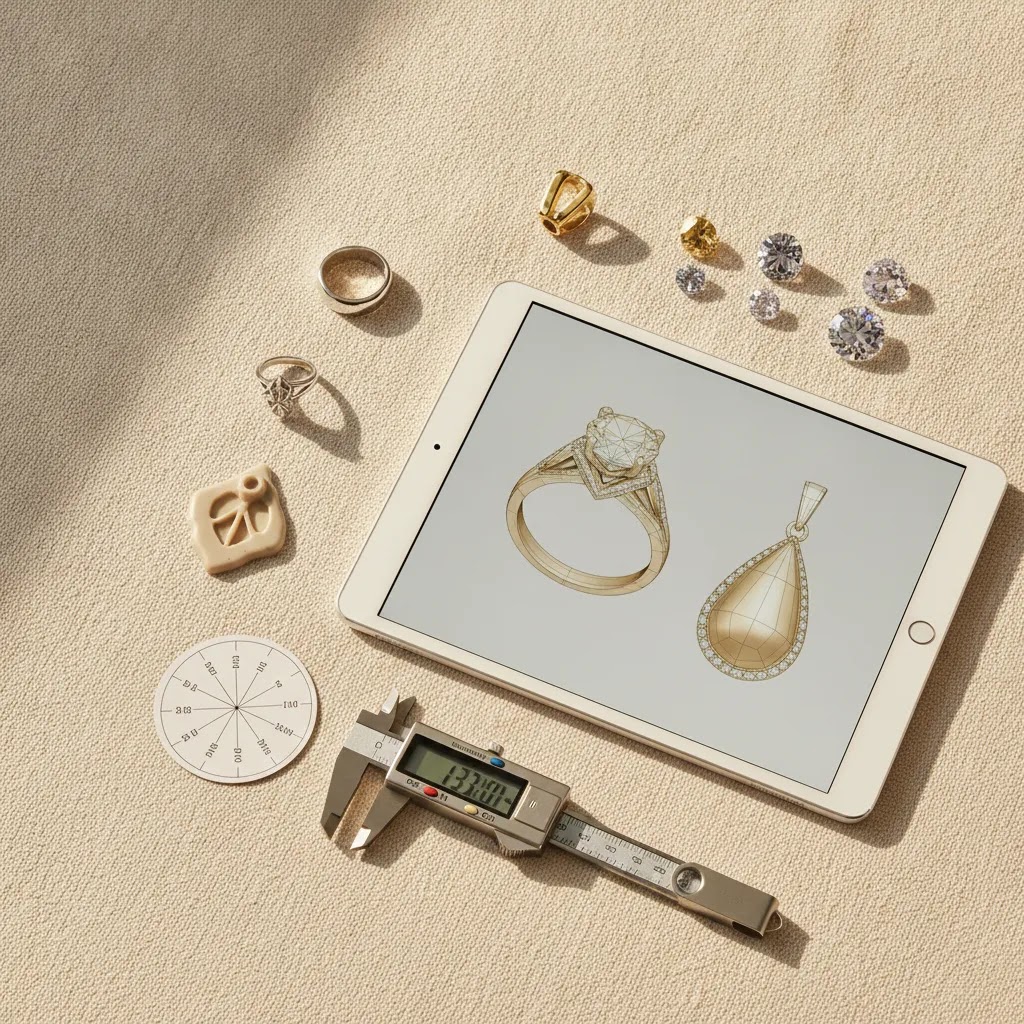
If you are evaluating Royi Sal’s 3D sampling workflow against other options, use a scorecard built around business outcomes rather than software branding. The right partner is usually the one that helps your team make clearer decisions, avoid expensive ambiguity, and move more confidently toward production.
Design Capability and Interpretation
Review how well the partner handles incomplete or early-stage concepts. Many brands do not arrive with production-ready files. They arrive with a direction, a mood, and a commercial goal. A strong workflow should help convert that into a sampling path you can actually approve.
Communication and Reliability
Ask how reviews are managed, who handles project communication, and how feedback is captured between rounds. This category carries major weight because a workable sample review process often depends less on raw software skill and more on whether everyone can stay aligned.
Manufacturing Connection
If your next step is production, prioritize partners that understand how digital design choices may affect manufacturing. Royi Sal Jewelry’s integrated B2B model may be useful here because the workflow appears connected to custom manufacturing services, not detached from them.
Order Flexibility and Project Readiness
Ask whether the workflow is suitable for your stage. A startup collection and a mature reorder program may need different levels of support. You also want to understand how the partner handles project scope, revision expectations, and the move from approved sample to production planning.
Global Coordination
If you are managing an overseas project, ask how collaboration works across locations and business hours. A global manufacturing partner can be valuable, but only if the sampling stage remains organized and understandable for your team.
For readers who are still mapping the larger design ecosystem, Royi Sal Jewelry can be viewed as a resource for collaborative custom development rather than just a technical drafting service. That may appeal to brands that want support through concept refinement, sampling, and manufacturing coordination. If that matches your needs, exploring Royi Sal’s process and reaching out with a design brief could be a sensible next step.
Frequently Asked Questions
What is a 3D sampling workflow in jewelry development?
It is the stage where a jewelry concept is translated into a digital sample for review before production moves forward. In B2B development, this often helps brands assess design intent, make revisions, and create clearer approvals. The exact process may vary by partner, project complexity, and how complete the original brief is.
Is 3D sampling the same as final production approval?
No. A 3D sample usually supports evaluation and revision, but it does not automatically guarantee final production results. Brands should still review how the approved design moves into manufacturing, what additional checks are involved, and how sign-off decisions are documented before a production run begins.
Why would a jewelry brand choose a manufacturer-led sampling workflow?
A manufacturer-led workflow may create better alignment between design development and production planning. That can be useful if your business wants fewer handoff gaps between CAD work, revisions, and eventual manufacturing. It may be especially relevant for private label brands building repeatable collections rather than one-time custom pieces.
Does software choice matter more than workflow quality?
Software matters, but workflow quality often has a bigger commercial impact. A sophisticated modeling platform does not solve unclear briefing, weak revision control, or poor communication. Most B2B buyers benefit more from a structured process with strong collaboration than from software labels alone.
Can 3D sampling help reduce development mistakes?
It often can, especially by surfacing issues earlier than a production-stage review would. Brands may catch proportion concerns, collection inconsistencies, or brief misunderstandings during digital review. That said, sampling does not remove risk completely. Outcomes still depend on project scope, revision quality, and production follow-through.
Is this workflow useful for small or emerging jewelry brands?
Yes, in many cases. Emerging brands often need help translating a concept into something technically reviewable. A collaborative sampling process may give those businesses a more manageable way to refine ideas before making larger manufacturing commitments. The fit will still depend on readiness, budget planning, and clarity of goals.
How many revision rounds should a brand expect?
That can vary widely by project. A simpler concept may move quickly, while a more detailed collection may need multiple review cycles. The better question is whether the workflow has clear revision gates, documented feedback, and practical approval milestones. Those factors usually matter more than chasing a fixed number.
What should a brand prepare before starting 3D sampling?
Prepare a clear design brief with reference images, dimensions if available, collection goals, target customer positioning, and any non-negotiable visual details. You should also align internal stakeholders before the process begins. Cleaner upfront input typically leads to more efficient revisions and a smoother path toward production planning.
What is 3D sampling?
In a B2B jewelry workflow, 3D sampling is the managed review stage where your concept is represented as a digital model so stakeholders can evaluate design direction, request revisions, and approve details before the project moves closer to production planning. It is best viewed as an approval tool that supports decision-making, not as a guarantee of final production outcomes.
What is the difference between 3D sampling and 3D printing for jewelry development?
3D sampling usually refers to the digital review and approval process around a CAD model. 3D printing is a method that may be used to convert a digital file into a physical prototype for handling, fit, or proportion checks. Some projects use both, but they serve different purposes, and either step may still require additional review before production sign-off.
What file format should I provide or request for jewelry CAD sampling?
File needs vary by partner and workflow, so the most reliable approach is to ask your manufacturer what formats they prefer for editing, review, and archiving. Many teams use a combination of native CAD files for editable work plus shareable exports or screenshots for stakeholder review. If you are bringing outside CAD into a sampling process, confirm that the file is editable, correctly scaled, and versioned in a way that supports controlled revisions.
Can I use purchased or marketplace CAD models for private label production, and what should I check first?
You may be able to use third-party CAD as a starting point, but you should treat it as an input that still needs a manufacturability and workflow review. Confirm you have the rights to use the model for commercial production, check whether the geometry is editable and clean enough for revisions, and ask your manufacturing partner whether the file can be used directly or needs partial rebuilding. Many brands also evaluate originality risk and whether the model aligns with their own brand identity before moving into sampling.
Key Takeaways
- Royi Sals 3d sampling workflow is best evaluated as a business process, not just a software function.
- A collaborative sampling stage may help brands improve approvals, reduce ambiguity, and connect design development to manufacturing planning.
- Royi Sal Jewelry’s B2B positioning, global service model, and founder-led design and manufacturing background support credibility in this area.
- The process may be especially useful for private label brands, boutiques, and growing jewelry businesses that need guidance through revisions.
- Sampling still requires time, structured feedback, and realistic expectations about project complexity.
Conclusion
A strong 3D sampling workflow can shape the success of a jewelry collection long before production starts. Royi Sal Jewelry appears well positioned for brands that want a collaborative development partner, not just a file provider. Its custom design and manufacturing focus, founder-led expertise, and B2B orientation make the workflow worth considering for businesses that need clearer approvals and a closer link between design intent and manufacturing reality. If you are planning a new collection or reviewing potential development partners, visit royisal.com to explore the design and manufacturing process, or contact Royi Sal Jewelry to discuss your concept, project scope, and next sampling steps.