
5 Strategies for Brand Owners to Expand Their Market with OEM Jewelry


Why Market Expansion in OEM Jewelry Needs Structure
OEM growth often looks attractive on paper. A brand adds categories, opens wholesale conversations, tests new regions, or adjusts its price architecture. Yet expansion may stall if the business has not defined which part of the jewelry market it is actually trying to win.
For B2B brands, expansion usually depends on four operating realities: design clarity, manufacturing consistency, communication quality, and reorder logic. A product line that works in one channel may need different presentation, pack ratios, or assortment depth in another. The same applies to audience segmentation. A brand selling into trend-driven accounts may build a very different OEM roadmap than one targeting long-life boutique assortments.
That is why these five strategies are best treated as business filters, not growth slogans. They help you decide where to focus first, which internal processes must mature, and which conversations to have with a production partner before you broaden your offer across the jewelry manufacturing space.
Strategy 1: Narrow the Assortment Before You Widen Distribution
Many brands try to enter more accounts by showing more designs. In practice, buyers often respond better to a smaller, more coherent line with clear reorder potential. If your OEM assortment is too broad too early, it may become harder to maintain consistent sampling, forecasting, and production planning.
A tighter assortment can support expansion because it gives buyers a clearer reason to stock your line. It also gives your manufacturer a more stable development base. Repeated styles, shared construction logic, and defined approval standards may reduce confusion between sample stage and production run.
Useful ways to narrow your range include:
- Grouping styles into clear families rather than isolated one-off pieces
- Removing designs that generate interest but not repeat orders
- Leading with your strongest commercial shapes before adding experimental extensions
- Standardizing specifications where possible so revisions stay manageable
This approach is especially relevant if your line still feels internally inconsistent or if your development calendar is constantly slipping due to too many simultaneous concepts.
Strategy 2: Build Channel-Specific Versions of the Same Core Line
Not every market expansion move requires a completely new collection. In many cases, brand owners can reach more buyers by adapting a proven line for different channels. That might mean adjusting assortment depth, packaging direction, or the mix between entry and higher-perceived-value styles while keeping the design language recognizable.
This is often more efficient than launching unrelated collections because your OEM workflow stays closer to known forms. Your team and your manufacturing partner are not starting from zero each time. The result may be easier sample review, clearer quoting conversations, and more reliable production alignment.
Examples of channel adaptation could include:
- A tighter wholesale set for boutique accounts
- A broader statement-driven set for trend-oriented retailers
- A simplified commercial capsule for testing new accounts
- A presentation format designed around retailer handling and replenishment needs
Growth tends to be more durable when each channel receives a version of your brand that fits its buying behavior rather than a generic catalog pushed everywhere.
OEM vs ODM: Which Model Supports Your Expansion Plan?
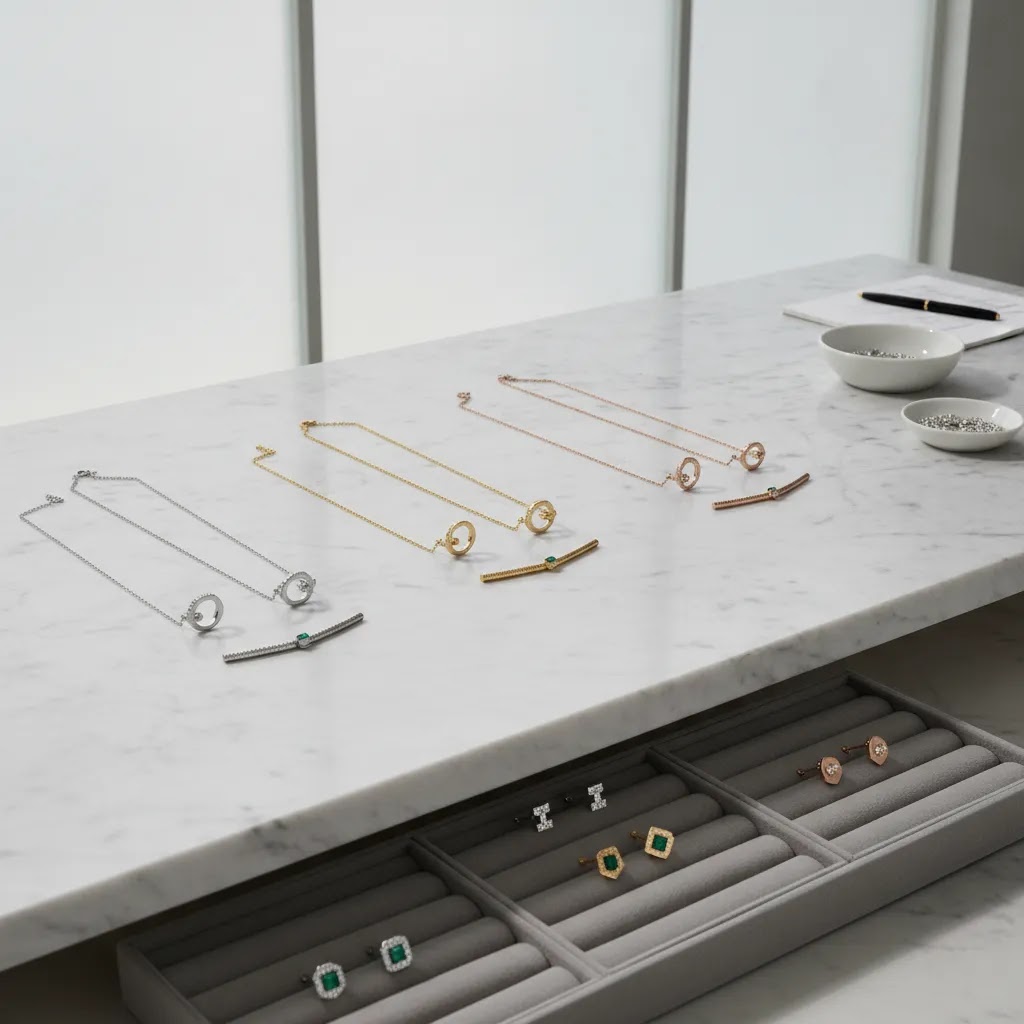
Many brand owners use “OEM” as a general term for outsourced manufacturing, but expansion decisions often become clearer once you separate OEM and ODM as working models.
In a B2B context, OEM typically means you own the design direction and you brief a manufacturing partner to develop and produce to your specifications. The manufacturer supports engineering, sampling, and production, but the concept, brand language, and assortment logic come from you. ODM typically means the partner contributes pre-developed designs or a starting design library that you can adapt and brand, often with faster line fill and less up-front development work.
For market expansion, that difference affects three practical outcomes: speed, differentiation, and long-term assortment control. ODM can be useful if you need to test a channel quickly, build out a minimum viable range, or fill gaps in your line without carrying a heavy development calendar. OEM is often the better fit if your growth depends on a signature design language, consistent reorders of the same core styles, and tighter expectations around how your designs are documented and repeated.
Consider this as a use-case guide. OEM tends to support brands that want a repeatable core, channel-specific versions built off the same base, and an expansion plan tied to long-term continuity. ODM may be considered when speed-to-market matters more than uniqueness in the early testing phase, or when you need to validate which shapes, categories, or price points your wholesale buyers respond to before committing to deeper custom development.
Before you choose either path, clarify a few non-negotiables with your partner. Ask how CAD files, technical specifications, and revision history are handled, and whether you receive the working files needed to support reorders and channel adaptations. Confirm how revision rights work, how changes are logged, and what happens if you need exclusivity expectations for certain designs. If you are building channel-specific versions of the same core line, align on whether those variations are treated as controlled versions of one approved style, or as separate developments with separate approvals, because that will affect time, cost, and consistency.
Strategy 3: Use Geographic Sourcing Insight to Refine Your Offer
Market expansion is not only about sales outreach. It is also about understanding how regional supply ecosystems shape what is practical to develop, quote, revise, and reorder. A sourcing hub can influence communication rhythm, design interpretation, and how quickly a brand can move from concept to approved sample.
If you are studying sourcing environments such as the bangkok jewelry market, the goal should not be novelty alone. The real question is whether the sourcing context supports your business model. Can the partner manage collaborative development? Are revisions handled clearly? Is there enough process discipline to support scaling if one line starts performing?
Regional insight may help you:
- Benchmark how suppliers communicate during development
- Understand where sampling delays typically occur
- Compare how different partners approach production readiness
- Assess whether global shipping and fulfillment support your market plan
For growing brands, this kind of sourcing evaluation can prevent expansion decisions that look efficient at first but become difficult once reorders and quality expectations increase.
Strategy 4: Align Product Development With Your Brand Audience
Expansion works better when the product roadmap follows audience logic rather than internal guesswork. A brand targeting accounts built around womens jewelry brands may need different assortment planning than a company studying the positioning used by mens jewelry brands. The issue is not gender alone. It is how design language, merchandising rhythm, and reorder behavior vary between segments.
Audience alignment should affect more than styling. It should shape how you brief your OEM partner, how you prioritize sample rounds, and which line extensions deserve manufacturing attention first. If your audience values consistency and continuity, over-rotating your assortment may weaken the brand. If your audience expects frequent novelty, a very slow development cycle may limit relevance.
Questions that usually help:
- Which styles bring in first orders and which ones drive reorders?
- Does your target account want continuity, trend response, or both?
- Are you building for display impact, core volume, or collection depth?
- Can your OEM workflow support that audience expectation repeatedly?
Growth becomes easier once development priorities reflect a defined buyer profile instead of a broad idea of the jewelry market.
Strategy 5: Expand Through Manufacturing Discipline, Not Just Promotion
Promotion may create demand, but manufacturing discipline is what allows a brand to keep the demand. If a line gains traction and the production side cannot maintain sample-to-bulk consistency, communication clarity, or fulfillment reliability, expansion may slow down quickly.
That is why the strongest OEM growth strategies often look operational. They include better briefs, more formal approval checkpoints, documented revision control, and realistic launch calendars. These practices are less visible than marketing, but they are often what separates one successful reorder cycle from a costly stall.
Manufacturing discipline usually includes:
- Clear design consultation before development begins
- Structured custom jewelry design and review workflows
- Approval gates before bulk production starts
- Alignment on shipping and fulfillment expectations for scaling accounts
For many B2B brands, expansion does not fail because the idea lacks demand. It fails because the operating model was not ready to support the demand consistently.
A Practical OEM Product Development Workflow, From Concept to Bulk
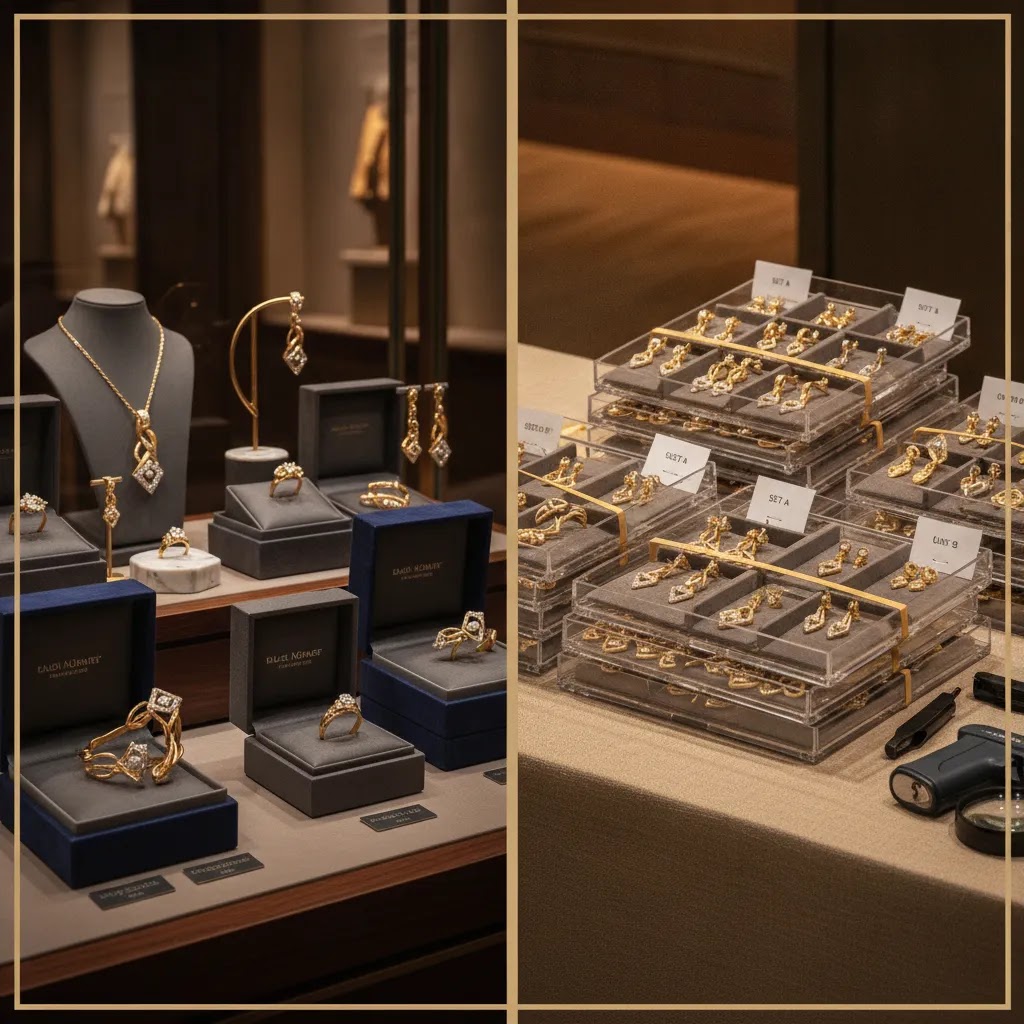
“Manufacturing discipline” is easiest to execute when you can name the steps, assign owners, and define approvals. You do not need a complicated system, but you do need a consistent workflow that reduces interpretation gaps between what you meant and what gets produced.
In practice, an OEM product development cycle often starts with a design brief. A useful brief usually includes target buyer and channel, the role of the style in the assortment, reference images or sketches, target dimensions, functional requirements, and what parts of the design are non-negotiable versus open to production-driven adjustment. If you have past best sellers or a consistent brand language, calling those out early helps the partner design to your line, not just to the single piece.
After the brief, there is typically a concept review where your partner flags feasibility questions and proposes a development direction. From there, CAD or technical development begins, followed by prototyping. Most growing brands benefit from planning sample review rounds instead of treating sampling as one pass. Each round should end with a written approval or a written change request, so the next iteration is measurable rather than subjective.
Before bulk production, a pre-production approval gate is where you lock what “correct” means. This is where brands often reduce sample-to-bulk drift by confirming the approved reference, confirming any final changes, and aligning on what is being used as the production standard. After bulk production, final quality control and shipment coordination usually follow. That includes confirming counts, confirming the correct version is being packed, and aligning shipping documentation and delivery coordination for your channel rollout.
Expansion readiness is less about how quickly you can develop one style, and more about how reliably you can repeat the process. Before you widen distribution, it helps to confirm that your spec pack or product data is accurate enough for reorders, that you have an approved reference you can point to, that your reorder process is defined, and that communication cadence is stable. If those checkpoints are not in place, adding accounts can create pressure that shows up as revision loops, mismatched expectations, and avoidable delays.
Strengths and Considerations
Strengths
- These five strategies focus on controllable business decisions rather than broad trend chasing.
- They support healthier communication with OEM partners because the brand direction becomes more specific.
- They may reduce unnecessary assortment complexity, which often helps during sampling and production planning.
- They encourage channel fit, making expansion more likely to reflect actual buyer behavior.
- They treat sourcing and manufacturing as part of market strategy, not a separate back-end function.
Considerations
- Narrowing an assortment may feel risky if your sales team prefers showing a large range.
- Channel-specific adaptation can add internal planning work, especially if your product data is not well organized.
- Regional sourcing research takes time and may surface trade-offs rather than one obvious answer.
- Audience alignment requires real sales feedback, not assumptions, which may slow early decision-making.
- Operational discipline often means more approvals and documentation before production, which some founders initially find restrictive.
Who This Evaluation Is For
This framework is best suited to boutique owners, private label founders, fashion brand managers, and wholesale buyers who are already beyond the idea stage. You may be preparing to expand your OEM jewelry line into new accounts, new regions, or adjacent product segments. You may also be comparing manufacturing partners and trying to understand whether your current workflow can support broader market reach.
If your business is still defining its core identity, these strategies can still help, but the biggest value usually appears once you have some product feedback, some reorder history, or at least a clearer view of your target accounts.
Where Royi Sal Jewelry Fits
Royi Sal Jewelry operates as a B2B custom jewelry design and manufacturing partner for brands, boutiques, and wholesale clients. The company focuses on custom jewelry design and development, jewelry manufacturing, collaborative design consultation, and global shipping and fulfillment. That combination makes the business relevant for brand owners who need more than a factory relationship and want a partner that can work through concept clarity, production planning, and scaling questions together.
Founder Royi Gal’s background as both a designer and manufacturer strengthens that fit. For growing brands, that kind of dual perspective may help bridge the gap between visual intent and production reality. If you are weighing how to grow within the jewelry business while keeping your OEM process manageable, Royi Sal Jewelry is a useful resource to explore. You can review the company’s approach at royisal.com and contact the team to discuss your custom jewelry brief, manufacturing goals, and development priorities.
How to Evaluate Your Options Before You Expand

Not every OEM partner is equally equipped for market expansion. A manufacturer that can complete a small project may not always be the right fit for a broader rollout. Before you widen distribution or add channels, assess your options against a few practical criteria.
1. Design capability and development communication
Your expansion plan depends on how well a partner translates brand direction into a workable development process. Look for a manufacturer that can handle collaborative consultation, revisions, and approval flow in a structured way. This matters even more if you plan to build channel-specific versions of a core line.
2. Quality consistency across repeat orders
The real test of OEM strength often appears after the first approved sample. Ask how the partner manages specification clarity, revision control, and production readiness. If your line performs well, repeatability may matter more than speed alone.
3. Order flexibility and scaling logic
Expansion usually happens in stages. You may start with a focused launch, then broaden once reorders begin. A good evaluation should consider whether the manufacturer can support this progression without creating confusion around planning, communication, or fulfillment.
4. Global reach and fulfillment support
If your market strategy includes international accounts, operational reach becomes more relevant. Royi Sal Jewelry presents itself as a global partner with shipping and fulfillment support, which may be useful for brands planning broader distribution. The question is how well that support matches your own account structure and rollout sequence.
5. Partnership quality
Custom manufacturing is a business relationship. The strongest long-term outcomes usually come from partners who communicate limits clearly, respond constructively during revisions, and treat development as a shared process. That is often more valuable than choosing based on a narrow short-term factor.
Expansion Risk Control: Protecting Brand Consistency as Volume Grows
Scaling often introduces problems that were not visible on the first run. The most common failure points are not always dramatic. They tend to be small inconsistencies that add up, such as quality drift between batches, finishing differences across runs, or unclear tolerances that turn into repeated revision loops once multiple accounts are involved.
One practical way to prevent this is to document standards in a way your partner can execute. That usually means keeping a single approved reference for each style, often called a golden sample, and tying all reorders and channel variants back to that reference. It also means defining acceptance criteria in writing, for example what counts as an acceptable variation versus what requires a remake or a formal change request. If you are rolling out to multiple channels, packaging and labeling consistency can matter just as much as the product itself, because downstream handling is often where mistakes surface.
Quality control expectations are clearest when they are attached to checkpoints. Many brands use pre-shipment inspection steps, either with the partner’s internal checks or a third-party inspection process, depending on the project and the relationship. The goal is not to create friction. The goal is to catch preventable issues before goods ship, especially when the next step is distribution to retailers who expect consistency.
Communication systems reduce avoidable delays during expansion. A single point of contact, a written change log for every revision, and timelines tied to approvals can prevent confusion about what version is current. This is also where accountability becomes practical. If a change is approved verbally but not recorded, it can easily reappear later as a mismatch between the sample you remember and the bulk that arrives. Controlled growth usually comes from controlled information, not just good intentions.
Frequently Asked Questions
What does market expansion usually mean in OEM jewelry?
For most B2B brands, market expansion means entering additional wholesale channels, reaching new buyer segments, broadening regional distribution, or extending a proven collection into adjacent opportunities. It does not always require launching a completely new line. In many cases, it involves improving how an existing OEM assortment is positioned, developed, and supplied.
Should a jewelry brand add more products before trying to expand?
Not always. A larger assortment may create more complexity without improving sell-through. Many growing brands benefit first from tightening their core line, identifying the styles that support reorders, and clarifying which products belong in each channel. Expansion tends to be easier once the assortment is commercially focused and easier to produce consistently.
How can I tell whether my OEM manufacturer can support growth?
Look beyond the first sample. Review how the partner handles consultation, revisions, approvals, and communication during development. Ask whether the workflow can support repeat orders, channel adaptations, and broader fulfillment requirements. A reliable partner should help reduce ambiguity rather than add more of it as your volume and account mix increase.
Why does buyer segmentation matter so much in jewelry?
Different buyer groups often expect different product pacing, assortment logic, and merchandising behavior. A boutique account may value continuity and curation, while another retailer may want faster turnover and stronger novelty. If your development process does not reflect these differences, your expansion strategy may become too broad to execute well.
Is geographic sourcing research necessary for smaller brands?
Usually yes, although the depth may vary. Even smaller brands benefit from understanding how a sourcing region affects communication, development timing, and operational reliability. Geographic research is less about prestige and more about fit. It helps you assess whether the supplier environment supports the kind of collection building and scaling you plan to do.
Can one collection be adapted for multiple channels?
Often it can. Many brands build channel-specific versions of a core line rather than designing unrelated collections for every account type. This may help preserve brand identity while giving each channel a more suitable assortment mix. The success of that approach depends on how clearly the adaptations are defined and how well the manufacturer manages them.
How much should operations influence my growth plan?
Quite a lot. Marketing may generate attention, but operations determine whether the business can fulfill that attention consistently. Sampling clarity, revision discipline, production planning, and shipping support all affect whether growth becomes stable. Brands that ignore these factors often discover the strain only after demand begins to rise.
What role does Royi Sal Jewelry play for a growing OEM brand?
Royi Sal Jewelry offers custom jewelry design and manufacturing services for B2B clients, with collaborative design consultation and global fulfillment support. For brand owners evaluating OEM expansion, that may be useful because the relationship can cover both concept development and production execution. The company’s positioning is partnership-oriented rather than retail-focused.
What is ODM jewelry manufacturing, and how is it different from OEM?
ODM jewelry manufacturing typically refers to a model where the manufacturing partner contributes pre-developed designs or a starting design base that you can brand and adapt. OEM usually refers to a model where your brand owns the design direction and you brief the partner to develop and manufacture to your specifications. For expansion planning, ODM may support faster assortment build-out, while OEM often supports stronger differentiation and longer-term control over reorders and channel-specific versions.
How do companies selling OEM products attract OEM customers?
In B2B jewelry, OEM buyers are usually attracted through clear assortment positioning, reliable product data, and a development process that makes reorders predictable. Brands often earn OEM customers by presenting a focused core line, showing that channel versions are controlled, and proving they can execute consistently across repeat orders. Trade outreach and wholesale conversations matter, but many accounts also look for operational signals that the brand can supply without constant spec changes or unclear approvals.
What are the 5 key marketing strategies?
For OEM jewelry brands selling B2B, five practical marketing strategies often map to wholesale growth: clarify buyer segmentation, present a coherent core assortment, build channel-specific versions of proven styles, support outreach with consistent product data and reorder logic, and use operational reliability as part of your pitch. The emphasis is usually less on consumer promotion and more on giving wholesale accounts confidence that the line will be supported after the first order.
What is the 2:1:1 rule for jewelry?
The phrase is used in different ways depending on the business. In wholesale assortment planning, some buyers use simple ratios as a discipline to keep lines commercial, for example emphasizing more core, reorderable styles than experimental statements, and keeping true novelty to a controlled share of the range. If you use any ratio rule, the value is not the exact numbers. It is having a repeatable structure that matches your channels, supports production planning, and reduces SKU sprawl during expansion.
Key Takeaways
- OEM jewelry growth often improves when the assortment becomes more focused before distribution expands.
- Channel-specific versions of a core line may be more scalable than constant full collection launches.
- Sourcing region insight can shape communication quality, development flow, and expansion readiness.
- Audience alignment should guide product development, not just marketing language.
- Manufacturing discipline often determines whether demand can be converted into repeatable growth.
Conclusion
Expanding an OEM jewelry brand is rarely a matter of pushing harder on sales alone. The stronger path usually combines sharper assortment decisions, better channel fit, clearer audience targeting, and a manufacturing process that can hold up under growth. These five strategies give you a way to evaluate expansion with fewer assumptions and better operational judgment. If you are preparing your next collection, reviewing supplier options, or refining how your brand moves from design brief to production, Royi Sal Jewelry is worth considering as a collaborative B2B resource. Visit royisal.com to learn more about the custom design and manufacturing process, or contact the team to discuss your project and market expansion goals.