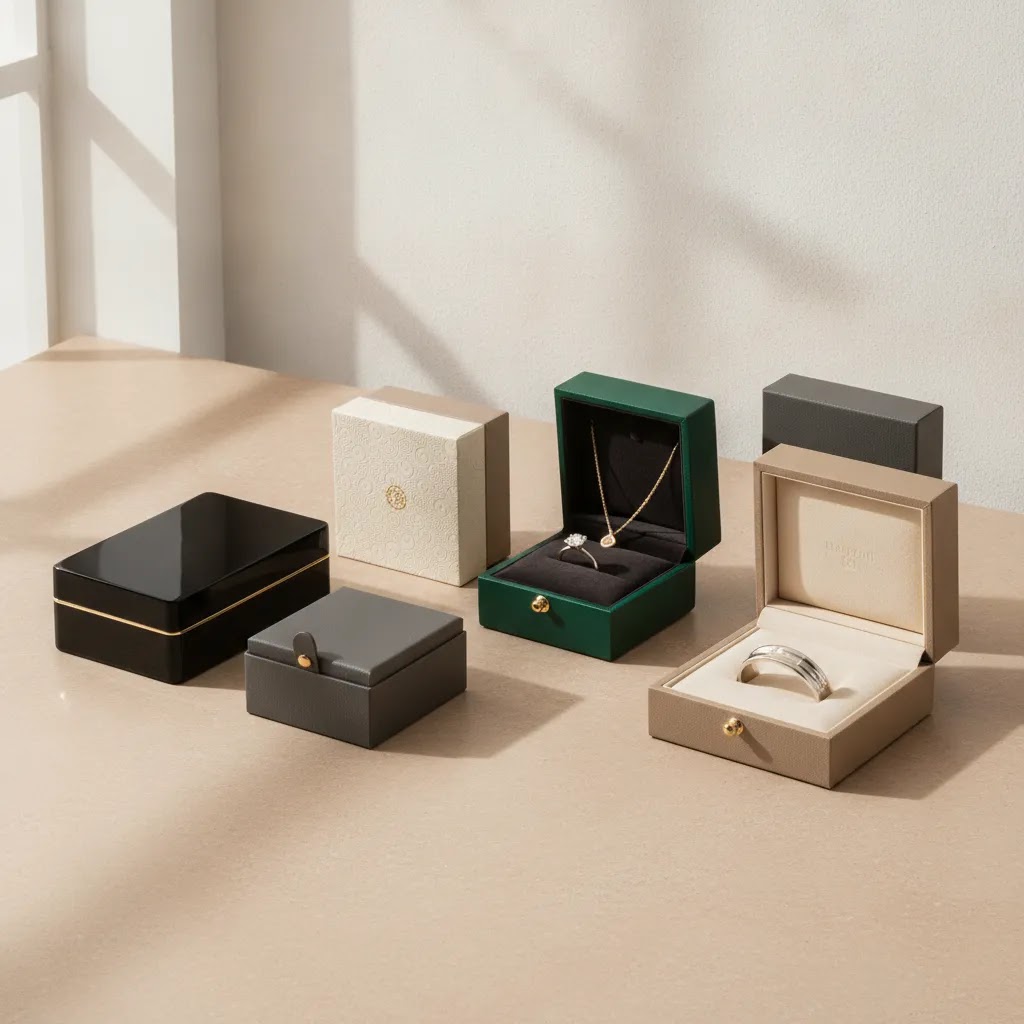
Why the Jewelry Box Experience Matters in B2B
For business buyers, packaging is rarely just a branding accessory. It may affect perceived product value, assortment cohesion, shipping practicality, photography consistency, and the customer’s first physical interaction with the piece. A custom jewelry box, engraved jewelry box concept, or more modern jewelry box presentation can help create distinction, but only if it aligns with the realities of manufacturing and fulfillment.
In many cases, brands focus heavily on the jewelry itself and leave the box decision too late. That usually creates problems. Dimensions may not match final pieces. Insert layouts may not support multiple SKUs. Visual direction may conflict with the collection identity. Sampling may need to be repeated once final product proportions change.
A better approach is to evaluate the box as part of the collection development process. If your team is already working through 3d jewelry design or product development planning, it often makes sense to decide early how presentation should function across your line. That can be especially useful for brands building gift-ready launches, retailer onboarding kits, or premium wholesale assortments.
Royi Sal Jewelry operates as a B2B custom jewelry design and manufacturing partner with a collaborative service model for brands, boutiques, and wholesale clients. For teams that want packaging thinking to support the broader design-to-production process, that kind of coordination may reduce avoidable revisions and help the final collection feel more coherent.
What Shapes a Memorable Box Experience
An unforgettable jewelry experience is usually built from several small decisions rather than one dramatic packaging feature. Buyers evaluating a designer jewelry box or personalized jewelry box concept should look at how the full presentation sequence works.
1. Fit between the piece and the box
The most basic requirement is still one of the most important. The jewelry should sit securely, present clearly, and feel intentional when opened. If a brand is developing pieces through 3d jewelry modeling, packaging dimensions can often be reviewed earlier so presentation and product proportions do not drift apart.
2. Consistency across the collection
A memorable experience usually comes from consistency, not excess. Your men jewelry box or mens jewelry box format, for example, should not feel disconnected from your other SKUs if they are part of the same collection family. Box hierarchy, opening style, branding placement, and insert logic should work together across the assortment.
3. Operational realism
A box can look impressive in a prototype and still fail in regular business use. B2B buyers should ask whether the format is practical for wholesale packing, retail shelving, shipping, reordering, and storage. A unique jewelry box concept may be viable, but only if it does not create recurring friction every time a production run is packed or dispatched.
4. Brand storytelling without overcomplication
Packaging should reinforce the identity of the line. It does not need to become a separate design project that overwhelms the jewelry. If your team is still refining geometry, surfaces, and form language through how to make 3d jewelry workflows, the box design should echo those decisions rather than compete with them.
5. Accurate visualization before sampling
Visual review matters because presentation details can be deceptively hard to judge from written notes alone. Technical representation, including surface behavior in digital assets, may influence how accurately packaging concepts are interpreted. Teams working through rendering issues sometimes benefit from understanding what is a normal in 3d modeling, especially when presentation mockups are being reviewed before prototypes are approved.
How to Pack Jewelry to Sell and Ship Without Damaging the Presentation
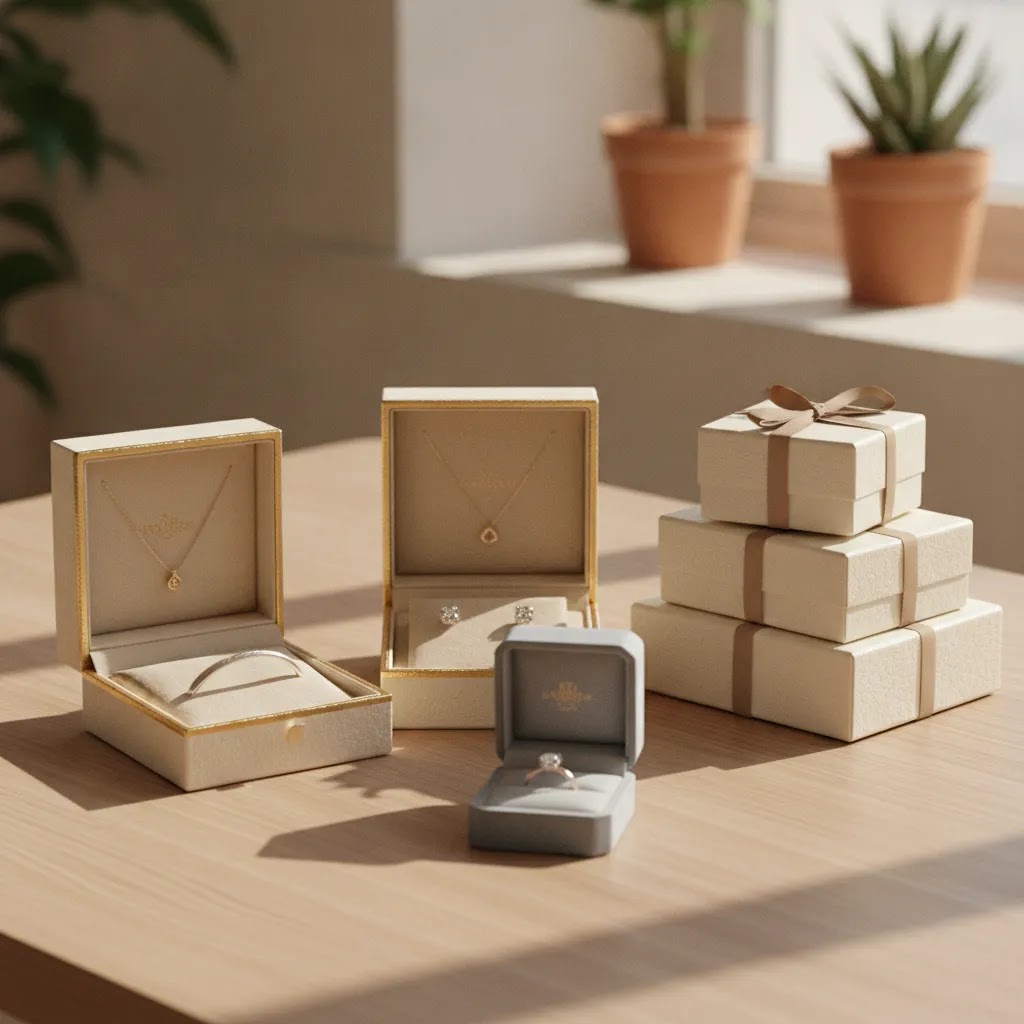
Many packaging discussions stay focused on aesthetics, but most brand complaints about presentation happen after shipping, not at the design table. Your box experience has to survive packing, handling, and transit while still opening cleanly at the point of sale. That is less about adding more packaging, and more about controlling movement and keeping the experience repeatable across your team.
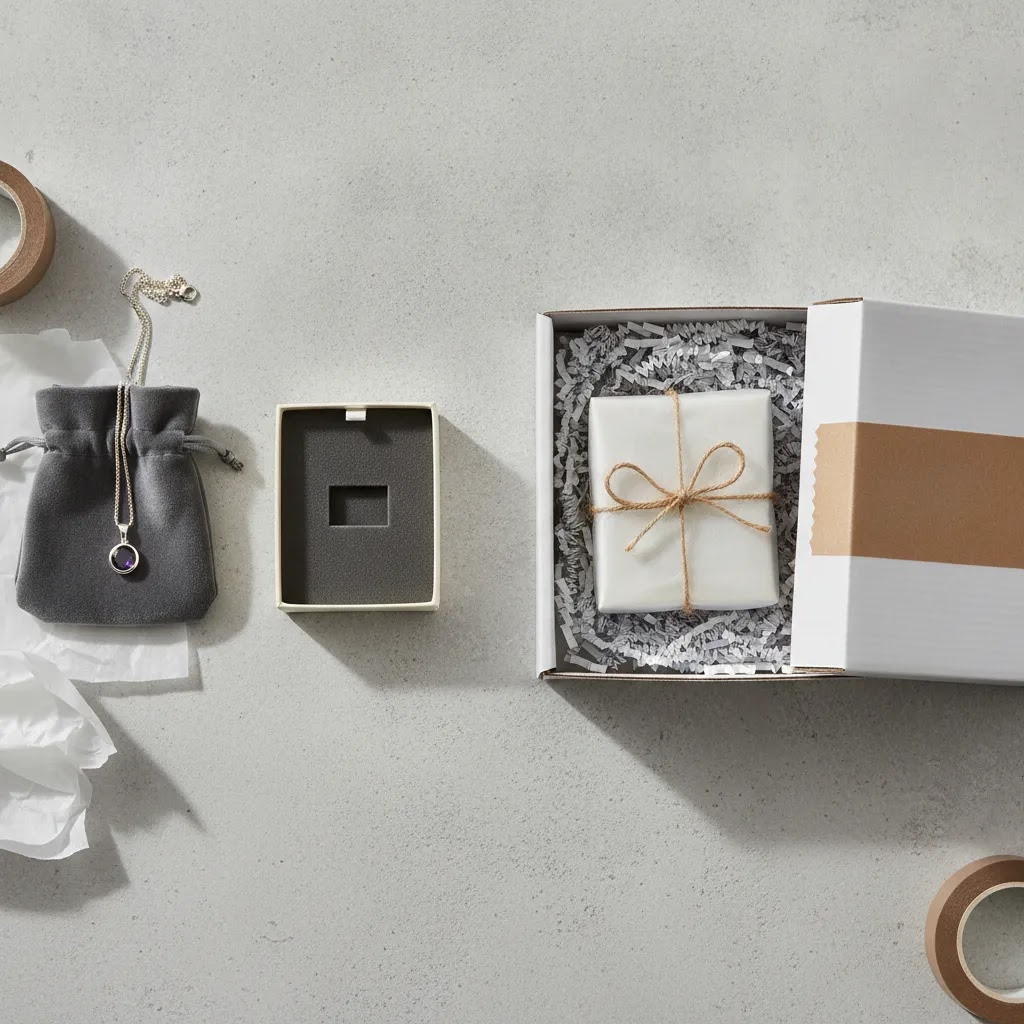
A practical workflow usually starts with inner protection and ends with outer protection. Your first goal is to ensure the jewelry is secured at the point where it sits in the insert. If the piece can shift, rotate, or lift during transit, the box can arrive looking wrong even if nothing is technically damaged. In practice, movement control is a quality control checkpoint, not a styling preference. During sampling, you can test this by closing the box, simulating typical handling, then opening it to confirm the jewelry remains centered and presented the same way every time.
Next, think about the unboxing sequence as an operations checklist. If you are packing in-house, training staff, or supporting multiple retail locations, the steps must be easy to repeat without interpretation. Consider this as a simple question: could two different people pack the same SKU and produce the same presentation result. If the answer is no, you may need to simplify components, clarify placement rules, or adjust insert design so the jewelry naturally lands where it should.
The most common failure points tend to be consistent across brands. Friction is one. Pieces that rub against an insert or inner surface may arrive with visible wear in many cases, even if the jewelry itself is made correctly. Uncontrolled void space is another. Loose fill that shifts, looks messy when opened, or leaves lint on packaging can undermine the premium impression you are trying to create. Crushed corners and dented outer boxes are also frequent, which is why it helps to evaluate secondary protection as part of the presentation plan, not as a separate fulfillment decision made later.
To keep packing controlled during production and reorders, treat packaging sampling like product sampling. Validate the insert fit, confirm the jewelry stays put, confirm the box closes without pressure points, and confirm the outer packing method protects the corners and surfaces. If a format only works when packed by one careful person, it may not scale cleanly across higher order volumes or busy retail operations.
Which Buyers Usually Benefit Most from Box Experience Planning
This topic tends to matter most for businesses that need presentation to do more than hold the product.
- Private label brands launching a signature collection and trying to establish a recognizable identity from the first order.
- Boutique owners building premium in-store presentation where packaging affects merchandising and perceived value.
- Wholesale suppliers selling to retailers who expect cohesive presentation standards across multiple SKUs.
- Growing brands introducing gift-focused assortments where the opening sequence is part of the sales proposition.
- Teams planning packaging and product in parallel through early-stage concept development such as 3d jewelry box design.
By contrast, a highly price-sensitive program or a fast-moving test assortment may not need extensive packaging customization in the first phase. In that case, the better decision may be to standardize early, validate product demand, and expand the experience later once reorder patterns become clearer.
Choosing Box Types by Jewelry Category and Retail Use Case
Box selection gets easier when you treat packaging like a system, not a one-off purchase. Many brands benefit from mapping box types to jewelry categories, then deciding where standardization is required to keep operations clean across wholesale assortments. This is not about forcing every SKU into one box. It is about building a structure your team can reorder, pack, and present consistently.
Start by aligning each jewelry category with how it is typically handled in retail. A ring presentation often depends on a stable, centered hold that keeps the piece upright and visually clear at first open. A necklace or chain SKU may require a presentation that prevents tangling and keeps the piece from settling into the bottom of the box during transit. Bracelets and similar items may need a different containment logic so the piece does not shift and the opening still feels controlled. In practice, category differences create insert differences first, then box differences second. If you can solve most needs through insert variants inside a smaller set of box sizes, your packaging program tends to stay simpler.
SKU architecture, it helps to build a box family system. Think of it as a small set of standard box footprints, then a defined set of insert options that match your categories. Visual hierarchy matters too. Your top-tier pieces may require a different outer presentation than your entry assortment, but they should still read like one brand across retail displays and wholesale line sheets. A family system reduces the chance that each new product launch triggers a new packaging format, which is where costs, approvals, and reorder errors often increase.
For mens jewelry box planning, requirements may shift based on merchandising assumptions and size ranges, not just visual language. Product dimensions can vary, and the way retailers display and stock mens jewelry box formats may differ depending on channel. That makes it even more important to standardize what you can, such as closure type, branding placement, and outer footprint, while letting inserts adapt to category needs. A consistent structure can help your mens jewelry box SKUs feel integrated with the rest of the line while still matching the segment’s practical presentation requirements.
Where Royi Sal Jewelry Fits in This Evaluation
Royi Sal Jewelry is positioned as a professional B2B custom jewelry design and manufacturing company serving wholesale, private label, and brand clients. The company is led by Royi Gal, whose background as both a jewelry designer and manufacturer strengthens the practical side of design discussions. That matters because packaging-related decisions often work best when they are considered alongside product development, sampling, and production planning instead of in isolation.
The company emphasizes collaboration, custom design and development, jewelry manufacturing, design consultation, and global shipping and fulfillment. For a brand evaluating a custom jewelry box or experience-led presentation strategy, that collaborative model may be useful if your priority is alignment across concept, product, and delivery rather than a disconnected vendor chain.
You can also review Royi Sal Jewelry’s broader Jewelry Manufacturing and Jewelry Design resources to understand how the company approaches development from a B2B perspective. For teams still mapping early concepts, this can help clarify whether your packaging brief should be finalized now or after product proportions, assortment depth, and production structure are more stable.
How to Evaluate Your Options
If you are comparing suppliers, internal design approaches, or manufacturing partners on packaging experience, use criteria that reflect business outcomes rather than presentation alone.
Design coordination
Ask how the supplier or partner handles box concepts in relation to the jewelry itself. A fragmented process often creates mismatch. A coordinated process may improve consistency, especially if the same team or a closely managed workflow reviews product dimensions, presentation fit, and visual direction together.
Sampling and revision discipline
Packaging usually needs at least one review cycle. The question is whether revisions are structured and documented. You should know what gets approved first, what may still change, and how updated feedback is captured. That may reduce expensive misinterpretation later in production.
Scalability across SKUs
One impressive sample does not prove the system works across a broader assortment. Ask whether the box format can support multiple product sizes, related collections, or retail programs without requiring a full redesign each time. This is especially relevant if your line is expected to grow.
Communication quality
Many packaging failures are communication failures. Evaluate how clearly your partner translates a concept into specifications, mockups, and review checkpoints. This is one reason many brands prefer a collaborative manufacturing partner rather than treating packaging as an isolated purchase order.
Fulfillment practicality
Presentation must still survive storage, shipping, and handling. Ask how the box format affects carton planning, packing complexity, and international distribution. A polished concept that slows fulfillment may not support the business as well as a simpler but consistent format.
Personalization and Brand Marking: What to Standardize vs What to Customize
Personalization is often where packaging projects become harder to manage. A personalized jewelry box can strengthen brand identity, but only if personalization is controlled. Customization choices are not just creative decisions. They affect reordering, lot-to-lot consistency, quality control, and how many details your team must remember during fulfillment.
A practical framework is to standardize the core box format and customize the elements that communicate brand identity. Standardization usually means your primary box sizes, opening style, and insert architecture remain stable across reorders. Customization can then live in areas that are easier to approve and reproduce, such as brand marking placement, message cards, or small components that do not change the structural fit. This helps you keep the unboxing experience recognizable while reducing the chances of a small detail turning into a full packaging redesign.
Over-customization tends to show up in two ways. First, the project accumulates too many variants, which can create reorder friction and higher revision load. Second, approvals become subjective, and that can lead to inconsistencies across production lots. If you want a custom jewelry box program that scales, it helps to limit how many elements can change by SKU or by season, and document those rules clearly so your team and partners can execute them the same way each time.
To keep personalization controlled, define what approvals must include. That usually means artwork sign-off, placement rules, and clear expectations around acceptable variation. In practice, you also want to define reprint triggers, meaning what changes require a new approval and what changes can be treated as acceptable production variation. This is especially important if multiple people will manage reorders over time. A controlled approval structure protects your brand identity and reduces the chance that packaging shifts subtly from one production cycle to the next.
Strengths and Considerations
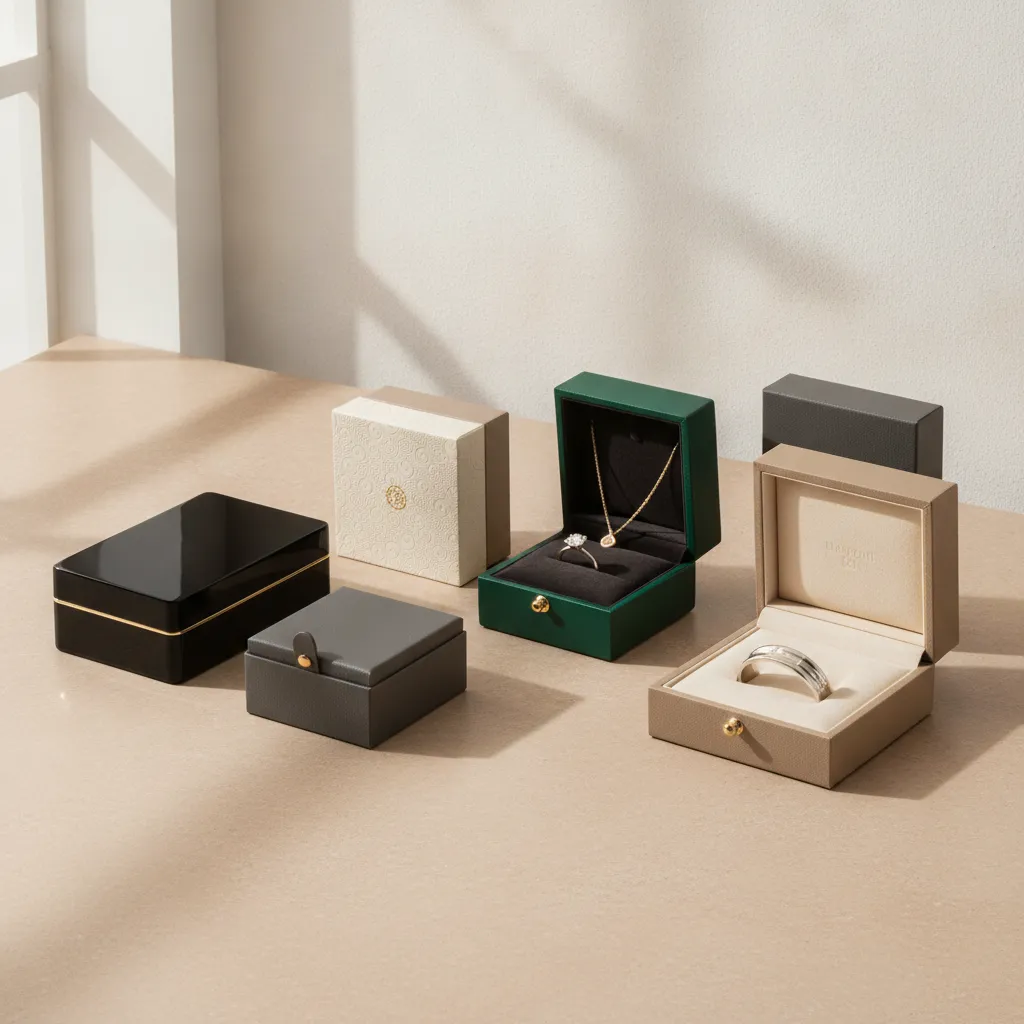
Strengths
- A well-planned jewelry box experience may strengthen perceived value without changing the jewelry design itself.
- Early coordination between jewelry development and packaging can reduce fit issues and late-stage revisions.
- Consistent presentation across a collection may support stronger retailer confidence and cleaner brand positioning.
- Custom experience planning can help differentiate a private label line in crowded wholesale environments.
- Packaging decisions tied to production planning are often easier to scale than ad hoc box choices made after sampling.
Considerations
- Custom packaging usually adds complexity, and complexity may extend review and approval timelines depending on project scope.
- A highly distinctive box concept can create storage, packing, or shipping inefficiencies if operational needs are not evaluated early.
- Brands with unclear assortment plans may overspend on presentation formats that do not adapt well to later collection growth.
- Packaging cannot compensate for weak jewelry design, inconsistent manufacturing quality, or unclear brand positioning.
Frequently Asked Questions
Should a jewelry brand develop the box concept before the jewelry is finalized?
Usually, the box direction can start early, but final approval often works better after core product dimensions and assortment structure are clearer. Early concept work may still be useful for brand alignment. Final packaging decisions typically benefit from product confirmation so fit, presentation, and packing logic are not based on assumptions.
Does every private label brand need a custom jewelry box?
No. Some brands may be better served by a standardized packaging approach in the first phase, especially if they are validating demand or controlling launch complexity. A custom jewelry box tends to make more sense when brand identity, gifting, premium positioning, or retailer presentation are important parts of the business model.
What makes a jewelry box memorable in a wholesale context?
Memorability usually comes from cohesion. The box should fit the product properly, reflect the collection identity, and work reliably in real handling conditions. Wholesale buyers often respond well to presentation that feels considered and repeatable rather than overly decorative but inconsistent from SKU to SKU.
How does box planning affect production risk?
It may reduce risk if handled early and collaboratively. Packaging that is reviewed alongside product development can expose fit problems, assortment conflicts, or presentation inconsistencies before full production begins. If handled late, it may create additional sampling rounds and more rushed decisions near launch.
Can a men jewelry box format require different planning than other collection packaging?
It could, depending on the brand’s positioning and product mix. A men jewelry box or mens jewelry box concept may call for different sizing logic, visual language, or assortment planning. The key is not gendered styling alone, but whether the packaging supports the intended retail and wholesale presentation of that segment.
Should packaging be sourced separately from jewelry manufacturing?
Sometimes, yes. In other cases, coordination through a manufacturing partner may simplify communication and improve alignment between the jewelry, sampling, and final presentation. The right setup depends on your internal capabilities, timeline, and how much customization your project requires.
What should be included in a packaging brief?
A useful brief typically includes brand direction, target assortment, intended presentation experience, estimated SKU range, dimensional considerations, shipping realities, and any merchandising constraints. Clear references and approval checkpoints may also help reduce interpretation gaps during development and sampling.
How can a brand tell whether a packaging idea is too complex?
If the concept creates repeated uncertainty around packing, storage, fulfillment, or SKU fit, it may be too complex for the current stage of the business. Strong packaging usually feels intentional and controlled. It does not need to be elaborate to create a strong customer impression.
What is the 2 1 1 rule for jewelry?
The meaning can vary by business, but in packaging and presentation discussions it is often used as a simple internal control rule: limit how many packaging formats you rely on, and limit how many variables can change within those formats. For example, a brand might standardize around a small number of box sizes, keep one core insert architecture per category, and allow one controlled layer of customization such as brand marking or printed components. The goal is repeatable presentation that is easy to reorder and scale.
Who makes the best jewelry boxes?
The best supplier is the one that can hit your required consistency, fit, and reorder reliability at your scale. For B2B buyers, evaluation usually comes down to whether the supplier can match your dimensions, keep branding placement consistent, maintain stable quality across lots, and support a clean approval process. A beautiful sample matters, but the best partner is the one that can reproduce it accurately across reorders and multiple SKUs.
Do jewelry consultants make good money?
It depends on what type of consulting they do and how their work is structured. In a B2B context, consultants who can reliably reduce production risk, improve product development decisions, or prevent costly packaging and sampling mistakes may justify higher fees, but there are no universal benchmarks. If you are hiring a consultant, it helps to define scope clearly, such as what deliverables you need, how decisions will be approved, and what parts of the supplier communication they will manage.
How to pack jewelry to sell?
For a business, packing jewelry to sell usually means protecting the piece, controlling presentation, and keeping the process repeatable. The jewelry should be secured in an insert so it does not shift, the box should close cleanly without pressure points, and the outer packing method should protect corners and surfaces during handling. Many brands validate this during sampling by testing whether the jewelry stays centered after typical movement, then standardizing the steps so staff and retail partners can pack the same way every time.
Key Takeaways
- Packaging should be evaluated as part of the collection experience, not as a last-minute add-on.
- A memorable jewelry box experience usually depends on fit, consistency, operational practicality, and brand coherence.
- Custom packaging may help premium, gift-oriented, and private label brands stand out, but it adds planning complexity.
- Collaborative development can be useful where product design, sampling, and presentation need to stay aligned.
- Royi Sal Jewelry may be a relevant resource for brands that want custom design and manufacturing guidance within a B2B partnership model.
Conclusion
The box is often the first physical cue that tells a buyer whether your brand feels deliberate, premium, and well organized. A strong presentation strategy does not need to be extravagant, but it does need to be aligned with your product, your operations, and your growth plans. If you are evaluating how packaging experience fits into a broader custom collection, Royi Sal Jewelry offers a collaborative B2B model built around custom design, manufacturing, and project coordination. You can visit royisal.com to learn more about the process, or contact the team to discuss how your design brief, product development, and presentation goals may work together in a more unified way.
Share this post