

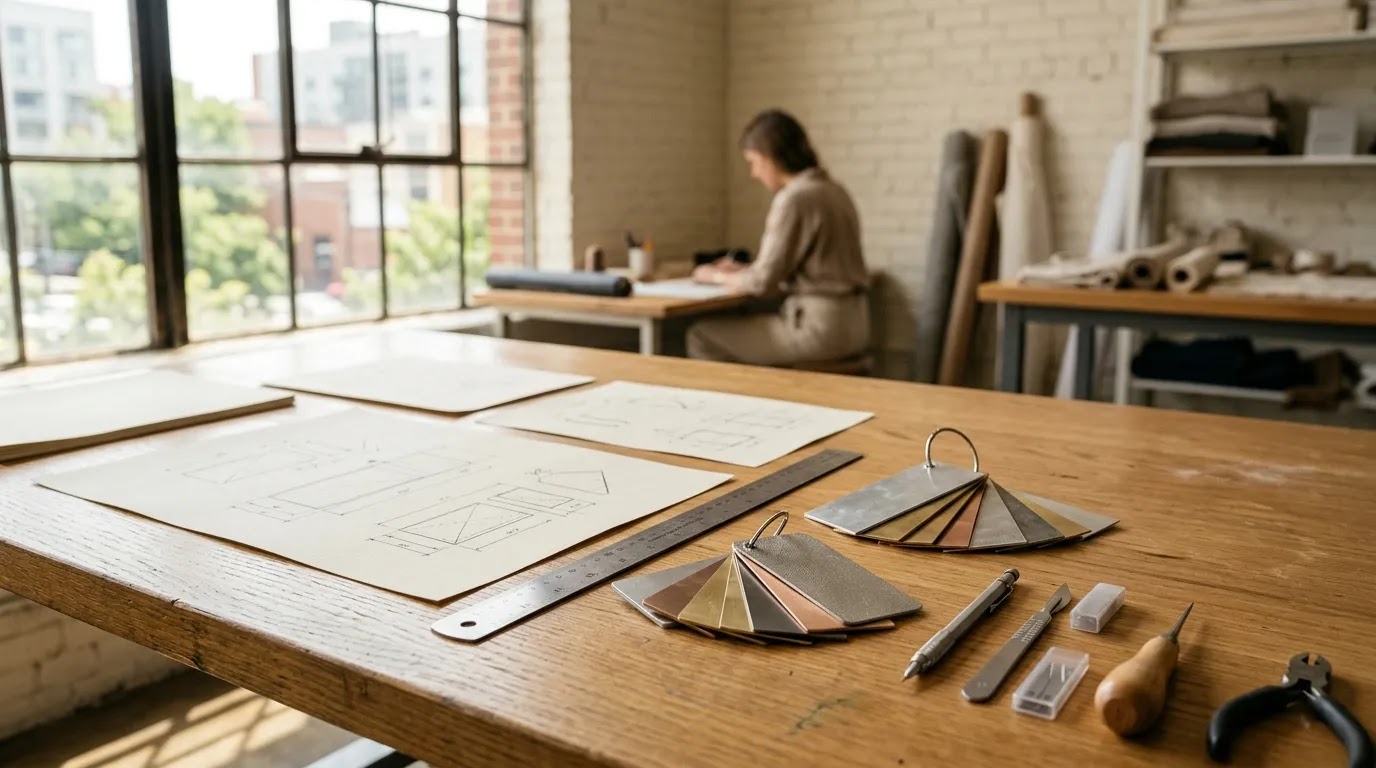
Custom Jewelry Manufacturers USA: American Production
A custom jewelry manufacturer in the United States is a business-to-business production partner that makes jewelry against a client-approved brief, rather than asking the client to select solely from an existing catalog. The brief may define the intended collection, design direction, dimensions, branding requirements, packaging needs, target customer, and production expectations.
“Made in the USA” and “serving U.S. brands” are not interchangeable descriptions. A manufacturer can work with American clients while producing elsewhere, or operate domestically while relying on outside suppliers for portions of the workflow. Before treating location as a deciding factor, clarify where development, sampling, production, quality review, and fulfillment occur. For guidance on Made in USA claims, review the Federal Trade Commission’s Made in USA guidance.
For a broader view of the supplier models available to growing brands, see this overview of custom jewelry manufacturers. It helps place U.S. production within the wider custom manufacturing market.
What a U.S. Manufacturer Relationship Usually Includes
Treat custom production as a documented development relationship. The exact scope varies widely, but a capable partner should explain which activities its team performs directly, which outside providers handle, and which approvals the project needs before a production run begins.
Design interpretation
The manufacturer reviews the concept and translates it into production requirements. A usable brief is more than an inspiration image. It identifies the intended look, functional requirements, acceptable variation, branding details, and any features that could affect repeatability.
Sampling and approval
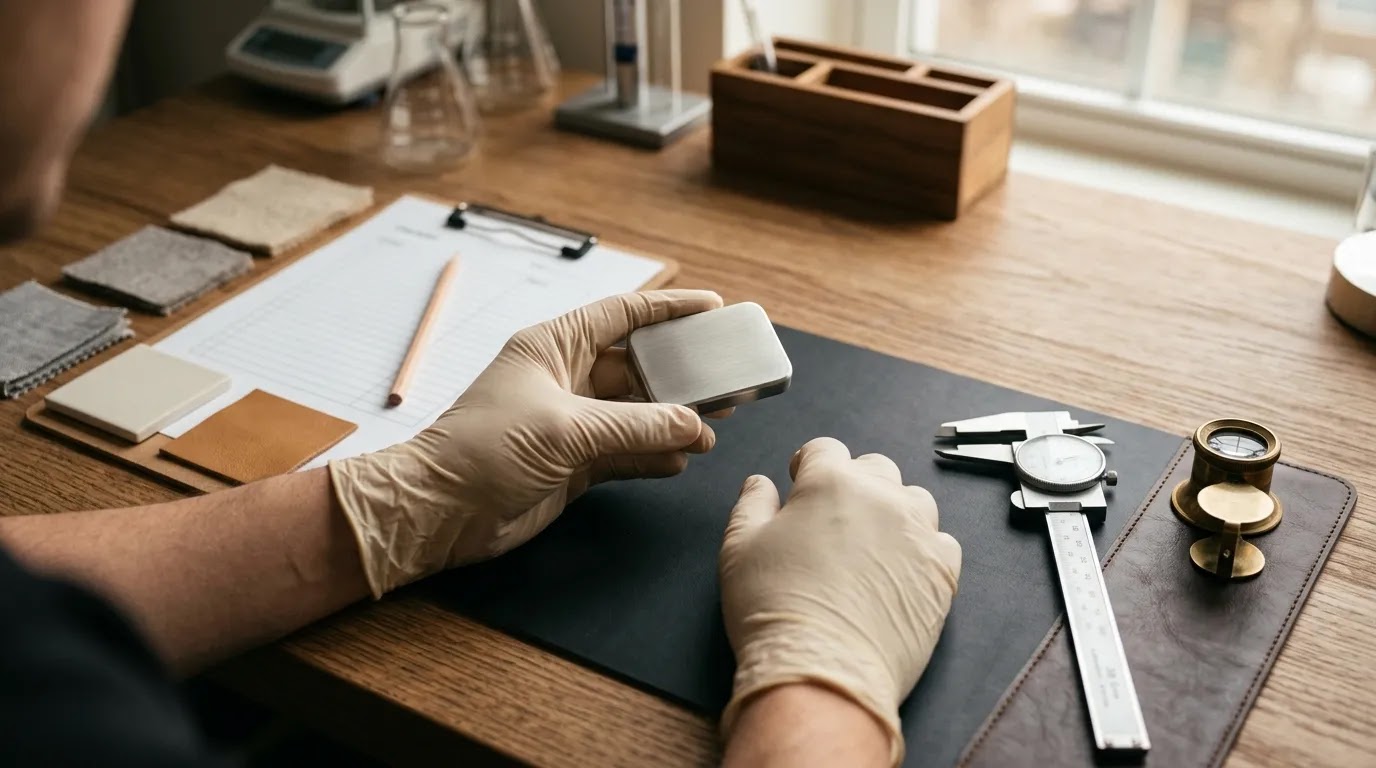
A sample is the point where a concept becomes something the brand can inspect and approve. It may reveal issues with proportion, assembly, comfort, finish expectations, or perceived value. Do not treat a sample as a formality. Document requested changes in writing and confirm what the next version must resolve.
Production planning
After the brand approves the sample, the project moves into a production plan that accounts for order quantity, component availability, workmanship requirements, internal quality checks, and shipping arrangements. A manufacturer should communicate where decisions could affect the schedule, rather than offering a vague assurance that production will be fast.
Quality and fulfillment coordination
Quality consistency depends on clear specifications and a repeatable review process. Ask what the partner checks before shipment, how it documents exceptions, and what information accompanies the order. If your business sells wholesale, clarify whether the manufacturer’s role ends at production or can include coordination for fulfillment requirements.
From Design Brief to Production-Ready Files
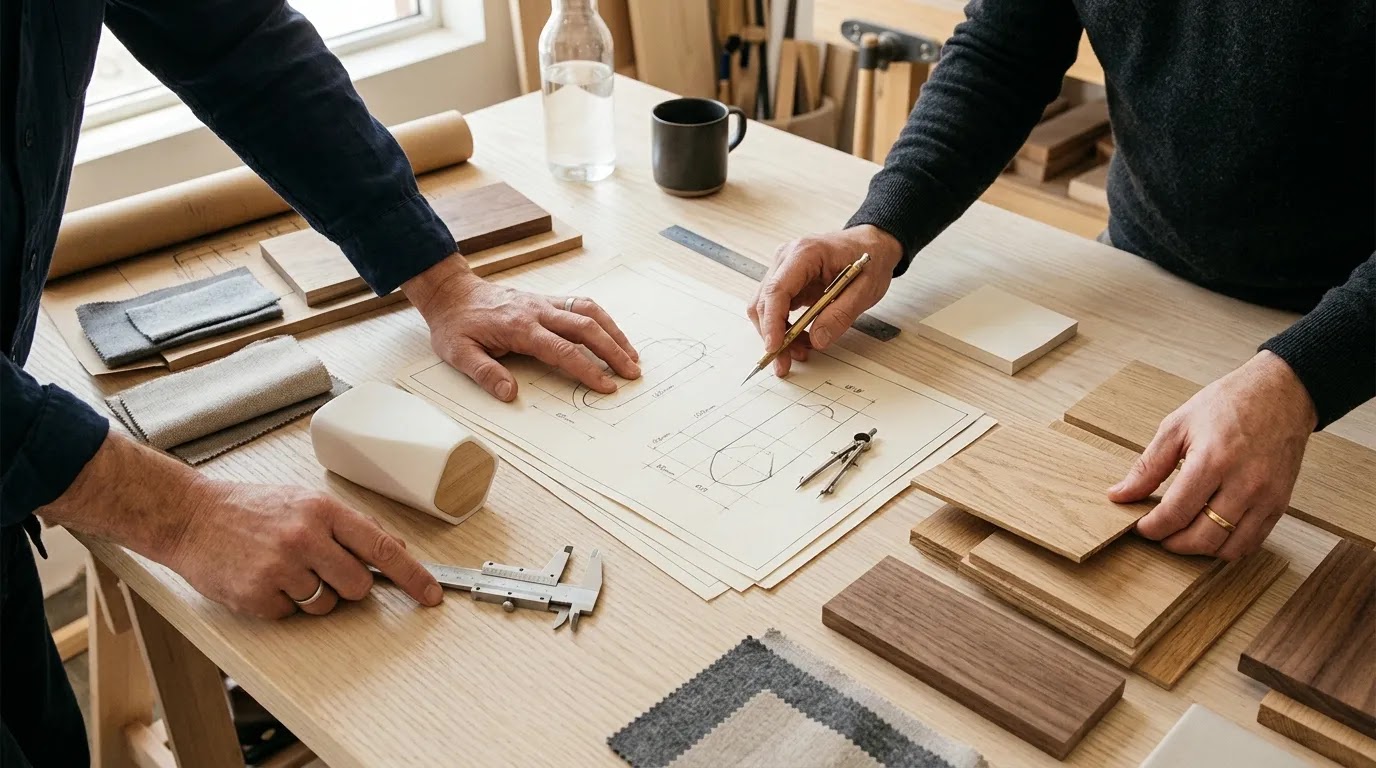
A design brief gives the manufacturer direction, but production requires a more exact record of what the team will make. The manufacturer may translate sketches, reference images, dimensions, branding requirements, and notes from design discussions into technical production information. The purpose is to reduce uncertainty before sampling begins and to give both sides a reference for evaluating the result.
Digital design files, prototypes, and revision records can make that process more controlled. A brand should understand which file represents the current approved design, what changes the team made between versions, and whether the sample reflects the latest specifications. If review shows a feature needs adjustment, record the decision clearly rather than relying on informal conversations or marked-up images alone.
Before production begins, confirm who owns, stores, and approves the final design files. Clarify whether your team will receive the approved production information, how it will be retained for future reorders, and who can authorize changes to it. This creates a clearer foundation for repeat production and helps protect the design intent as the collection develops.
Why Domestic Production Changes the Business Decision
Location can affect the working rhythm of a custom project. A U.S.-based partner may make it easier to schedule calls during business hours, arrange site visits where available, and send samples through domestic shipping channels. For a team with frequent design revisions or a compressed launch calendar, those practical differences can be meaningful.
Domestic production may also simplify communication around returns, replacement discussions, or wholesale delivery expectations. It does not automatically remove manufacturing risk. A local supplier can still have limited capacity, narrow design capabilities, long development queues, or minimums that do not suit an early-stage brand.
The strongest decision process compares the manufacturer’s actual operating model with the needs of your collection. If your priority is a highly distinctive line, assess design development closely. If you need to replenish proven styles, assess repeatability and production planning. If you are testing demand, ask how the manufacturer handles smaller initial commitments without assuming every partner offers the same flexibility.
How Custom Jewelry Manufacturers USA Handle Minimums
Custom projects don’t follow a single rule when it comes to order minimums. Complexity of design, production setup, component sourcing, the breadth of variations within a collection, and a manufacturer’s outlook on future repeat business can all shift the numbers. Two pieces from the same collection might carry different requirements altogether, one demanding more intricate development or specialized handling than the other, more straightforward, design.
For an early-stage brand, distinguish between a small test order and a production program your team can repeat consistently. A limited first run may help the business review market response, but do not assume the same quantity, terms, or production conditions will apply to future reorders. Ask how the manufacturer handles repeat styles, design updates, and replenishment planning after the initial launch.
Discuss anticipated reorder volume, available capacity, and future scaling needs before approving development. This gives the manufacturer a more realistic view of the project and helps your team avoid building a collection around assumptions that may not hold once demand changes. Clear forecasting is more useful than promising a volume that the business cannot yet support. For more detail, see our guide to custom jewelry manufacturing flexible MOQs and minimum order quantity.
American Custom Production Versus Ready-Made Purchasing
Custom production and ready-made purchasing solve different commercial problems. Ready-made inventory can be useful for a retailer seeking speed and low development involvement. Custom manufacturing generally suits a brand that needs product differentiation, private label ownership, or a collection built around a specific point of view.
| Decision area | Custom U.S. production | Ready-made inventory |
|---|---|---|
| Design control | Built around a submitted brief and approval process | Limited to available catalog styles |
| Development work | Usually requires sampling, revisions, and documented approvals | Usually requires product selection and order placement |
| Brand distinction | May support a more proprietary assortment | May overlap with products available to other buyers |
| Planning requirement | Requires clearer forecasting and production coordination | Can be simpler for short-term assortment needs |
A brand can use both approaches at different stages, but the choice should be intentional. This custom vs ready-made jewelry comparison can help your team identify which route better fits the commercial goal of a particular collection.
Custom Jewelry Manufacturers USA: Due-Diligence Scorecard

Evaluate U.S. custom jewelry manufacturers on evidence, not on location or an attractive portfolio alone. The following questions are designed for a sourcing conversation before you commit to development.
- Design capability: Can the team explain how it turns a brief into a sample, and does it identify potential production issues early?
- Sample discipline: Is there a clear approval process, revision record, and agreed reference for the production version?
- Communication: Does the manufacturer answer specific questions about scope, responsibilities, changes, and risks?
- Quality process: Can it describe how specifications are checked and how an issue is reported or resolved?
- Order fit: Are the minimum order quantity, production capacity, and reorder expectations appropriate for your sales plan?
- Logistics scope: Does the partner clarify shipment responsibilities and any fulfillment support before production begins?
Ask each candidate to respond to the same brief. That creates a more useful comparison than requesting a general quote with incomplete information. It also reveals which supplier asks practical questions about your business rather than simply accepting every request without discussion.
Clear briefing improves the process with domestic and international partners alike. These practical tips for brands working with a custom jewelry manufacturer can help your team prepare for those early conversations.
Verifying a Manufacturer Before Starting Development
Before sharing a full development brief, review work that is relevant to your intended project rather than relying only on general portfolio images. Ask direct questions about comparable design, production, and order-management experience. References may also be appropriate for a substantial project, especially where repeat production or fulfillment coordination will be important to your business.
Confirm which key stages the manufacturer completes internally and which external partners manage. Development, sampling, production, quality review, and shipment coordination may not all occur in the same facility. Neither model is automatically unsuitable, but your team should know who is responsible for each stage and how information moves between the parties involved.
Document responsibilities before committing to development. This should include how the team approves revisions, reports and addresses quality concerns, coordinates shipment, and gives final authorization for production. Written alignment can prevent avoidable disputes and gives both the brand and manufacturer a clearer operating reference.
Where Royi Sal Jewelry Fits in the Evaluation
For brands weighing whether to pursue private label or wholesale development, Royi Sal Jewelry offers a worthwhile point of reference, functioning as a B2B partner across custom design and manufacturing rather than a conventional retailer. Founder Royi Gal draws on dual experience as a designer and manufacturer, a background that helps ensure creative vision stays grounded in what production can actually deliver. This partnership-driven approach suits companies seeking guidance through design consultation, coordinated manufacturing, and fulfillment on a global scale, rather than a simple point-of-sale exchange. Take a look at Royi Sal Jewelry’s manufacturing resources to get a fuller picture of how the process works, then reach out to the team to see whether your project brief, order volume, and development goals align well with what they offer.
Strengths and Considerations
Strengths
- U.S. production may support easier scheduling and faster communication for American-based teams.
- Domestic sample shipping can make physical review and revision coordination more straightforward.
- A local partner may be useful for brands that value proximity, potential visits, or domestic freight planning.
- Custom development can help a business build a more distinctive private label assortment than catalog-only purchasing.
- A documented sample and approval process can create a clearer reference point for later production runs.
Considerations
- Domestic manufacturing does not automatically mean lower total cost, faster production, or better fit for every collection.
- Custom projects commonly require planning time for design clarification, sampling, revisions, and approval.
- Minimum order quantities and capacity can limit options for brands with uncertain demand or very small launches.
- “U.S.-based” may describe sales, development, assembly, or production differently, so the operating scope should be confirmed.
When to Evaluate Custom Jewelry Manufacturers USA
You may evaluate custom jewelry manufacturers USA when preparing a private label launch, replacing inconsistent suppliers, developing a wholesale-exclusive capsule, or moving from concept sketches to a repeatable collection. It can also be relevant if domestic communication and shipping are central to your operations.
The best fit depends on the decisions behind the project. A brand with a finished design and a forecast may need a production-focused partner. A founder with only a visual direction may need greater design consultation before production can be discussed responsibly. In either case, a clear brief and a sample approval process reduce ambiguity for both sides.
Frequently Asked Questions
What does a custom jewelry manufacturer in the USA do?
A U.S. custom jewelry manufacturer may help a business develop and produce jewelry from a brand-specific brief. The scope can include design interpretation, sampling, production planning, quality review, and shipping coordination. Services vary by company, so brands should ask which stages the company completes in-house, which use outside partners, and what approvals are needed before production starts.
Is American custom production better than overseas manufacturing?
Neither route is automatically better. U.S. production may suit brands that prioritize domestic communication, sample movement, or local shipping coordination. Overseas manufacturing may suit other projects depending on production expertise, service range, capacity, and business requirements. Compare the actual partner, not only the country, using the same design brief, quality expectations, and order plan.
What should I send in a custom jewelry design brief?
Your brief should explain the collection goal, design references, intended customer, product requirements, branding details, expected order scale, and launch timing. Images can communicate direction, but written priorities help a manufacturer identify what it must preserve and what the team can adjust for production. Include questions or non-negotiable features early so the sampling process has a clear purpose.
Do I need a sample before placing a production order?
In many custom projects, a sample is a sensible approval step because it lets the brand review the physical interpretation of the brief. It may expose details that images or written notes left unclear. Review the sample against documented expectations, consolidate revisions, and confirm the approved version before authorizing a larger production run.
How much does it cost to manufacture custom jewelry for a brand?
Custom manufacturing cost varies by the design, development requirements, order quantity, component needs, revision cycle, production process, and shipping arrangements. A meaningful estimate requires a complete brief and an understanding of whether the project is a small initial test or part of a repeat production program. Ask the manufacturer what it includes in development, sampling, production, quality review, and fulfillment coordination so your business can assess the full project scope.
How do I start my own jewelry brand with a custom manufacturer?
Start by defining the collection concept, target customer, design direction, branding requirements, expected order scale, and launch priorities. Prepare reference images, sketches, dimensions where available, and written notes about the features your collection must preserve. Then approach manufacturers with the same clear brief, review how each team handles development and sampling, and establish ownership, approval, quality, and reorder expectations before authorizing production.
How should a new brand compare jewelry manufacturers?
Use one consistent brief and compare each manufacturer’s response on design understanding, sample process, quality controls, communication, minimum order quantity, capacity, and fulfillment responsibilities. A low initial quote does not explain the full operating experience. Specific questions and written responses provide better evidence of whether a manufacturer can support your collection over time.
Key Takeaways
- Custom jewelry manufacturers USA are production partners that develop jewelry to a brand-approved brief rather than supplying only ready-made styles.
- Domestic production can offer communication and logistics advantages, but it should be assessed alongside quality, capacity, and order requirements.
- Sampling and written approvals are central controls for protecting design intent before a production run.
- Ask where development, production, quality review, and fulfillment take place before making assumptions about a supplier’s U.S. operating model.
- Compare manufacturers with the same complete brief so design capability and communication can be evaluated fairly.
Conclusion
Custom jewelry manufacturers USA can be a practical route for jewelry businesses that value domestic coordination and want to build a collection around their own design direction. Its real value depends on the manufacturer’s ability to interpret the brief, manage sampling carefully, communicate constraints early, and support repeatable production. Do not treat a U.S. location as a substitute for due diligence. Review the complete workflow, establish approval points, and choose a partner whose operating model fits your sales plan. If you are assessing a custom collection or private label opportunity, contact Royi Sal Jewelry to discuss your design ideas, production requirements, and the next steps for a collaborative manufacturing project.