
Expanding into New Markets with Ethically Produced OEM Jewelry


Why Ethical OEM Matters for Market Expansion
For many growing jewelry businesses, market expansion creates a different level of scrutiny. A local boutique account may focus on design, margin, and delivery consistency. A larger distributor, regional stockist, or international retail partner may also ask how your products are developed, how claims are reviewed, and whether your manufacturing setup can support repeatable quality without confusing sourcing language.
That is why ethically produced OEM jewelry should be assessed as a business system. The product itself matters, but so do the approval trail, revision control, and the supplier relationship behind it. Ethical positioning can become fragile if your OEM partner cannot translate your brief clearly or if the team handling sampling and production communicates loosely.
OEM can be a strong route for brands that want control over product direction. Instead of relying on a ready-made assortment, you work from your own design intent and business requirements. That could help you build a more distinct line for new channels, especially if you are trying to avoid looking interchangeable in crowded wholesale assortments or adjacent categories such as wholesale accessories.
The caution is simple. Ethical market expansion is rarely supported by claim language alone. It usually depends on whether your manufacturer can work through custom development in a structured, collaborative way.
What Buyers and Stockists Usually Want to See
New market entry often changes the kind of questions you receive. Buyers may not ask for the same level of detail at every stage, but many will want evidence that your product story is being managed carefully. That does not always mean formal certification requests. In many cases, it means they want clarity, consistency, and fewer vague promises.
Common evaluation signals include:
- Clear claim boundaries so your sales team is not overstating what the product or supply chain represents.
- Documented development decisions that show the product was built intentionally rather than adapted informally.
- Consistent communication between design, sampling, and production stages.
- Repeatable quality standards that can support reorders if a new market responds well.
- Practical sourcing alignment between your brand language and what the factory relationship can realistically support.
If your positioning touches claim-sensitive categories such as ethically sourced diamonds, your review process may need to be even tighter. Brands often discover that the risk is not only in what they source, but in how loosely internal teams describe it across product pages, line sheets, and wholesale conversations.
Geographic market research matters as well. If you are studying regional sourcing ecosystems such as the bangkok jewelry market, pay attention to how supplier communication standards, category specialization, and development expectations vary from one market to another. Expansion tends to reward brands that separate sourcing curiosity from sourcing readiness.
How the OEM Model Supports or Limits Ethical Positioning
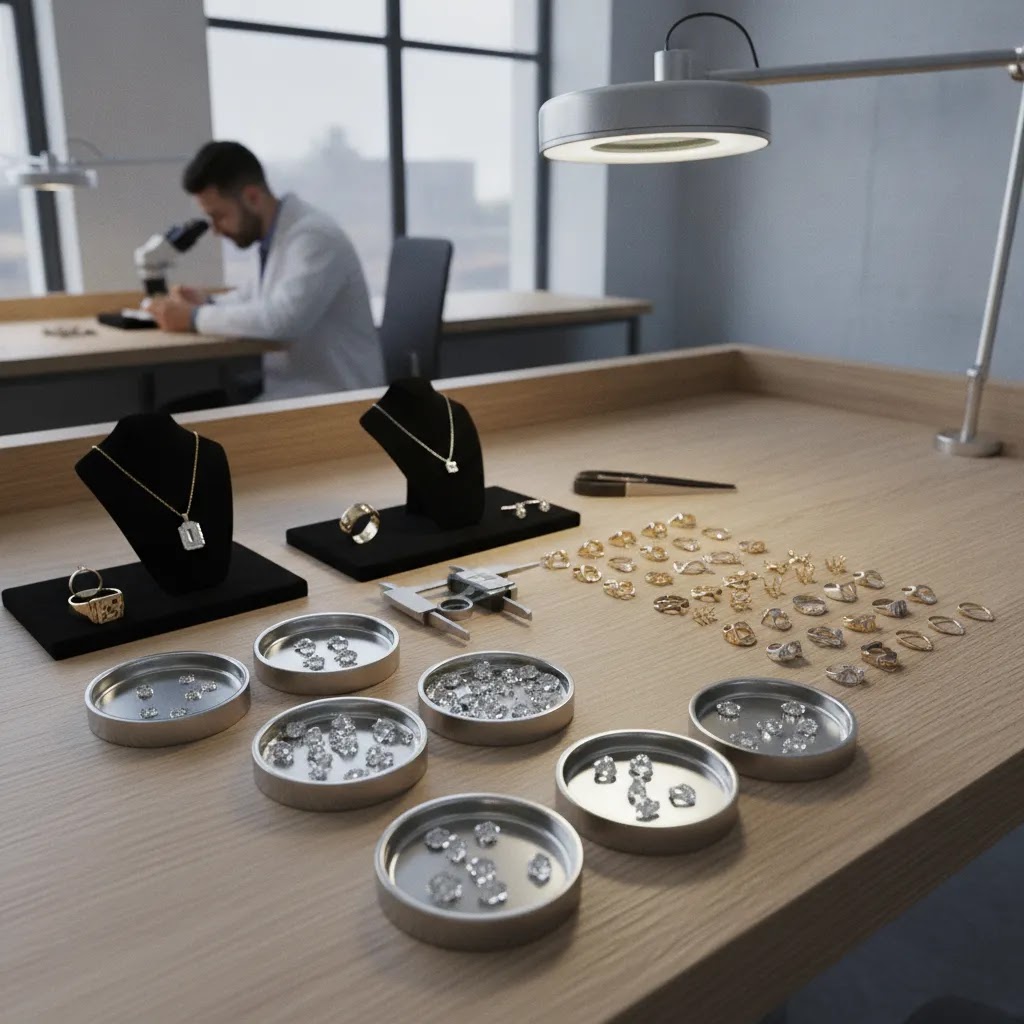
OEM gives you more authorship over the collection than an off-the-shelf approach. That can support better market differentiation because the product is built to your direction. For brand owners entering higher-expectation wholesale channels, that control may be useful. You can define silhouette, brand consistency, product mix, and the level of detail that needs to remain stable from sample to repeat production.
Still, OEM only helps if the process is managed well. A custom brief with weak communication may create more confusion than a simpler sourcing model. Your manufacturer needs to interpret the brief accurately, flag constraints early, and keep approvals organized. If that structure is missing, your ethical positioning may become difficult to defend because the production story itself is inconsistent.
This is one reason many founders compare an oem jewelry manufacturer not only on craftsmanship, but also on how the team handles collaboration. A supplier may be technically capable and still create problems if revision history, production notes, or expectation setting are unclear.
It also helps to compare your planned channel against the wider wholesale market. Some channels mainly care about margin and speed. Others expect a more controlled product narrative. Your OEM model should match the level of scrutiny your target accounts are likely to apply.
What OEM Means in Jewelry, and How It Differs From ODM and Private Label
OEM is often used loosely in jewelry, and that is a problem when you are expanding into markets that ask detailed questions. In practical terms, OEM typically means you are commissioning manufacturing based on your direction. That direction may start from your original concept, your specs, or a developed design package, and it is managed through a controlled approval process. The key point is that your brand is driving what gets made, and your team is responsible for what gets claimed about it.
ODM and private label, the control picture changes. ODM often means the factory or supplier network originates more of the design, then your brand selects, modifies, or brands it. Private label can overlap with both, but it usually refers to selling under your brand name with your packaging and product language, regardless of whether the underlying design began with you or with the supplier. The distinction matters because ethical positioning is not only about what exists in the product, it is also about what you can responsibly substantiate and keep consistent as you scale.
Many claim issues show up where design control and documentation are unclear. In an OEM model, control usually means you can point to a trail of decisions, such as approved drawings or renders, sample sign-offs, revision notes, and final production confirmations. In an ODM or catalog-driven private label scenario, you may have less visibility into design origins and development history, and that can make it harder to answer questions that come up during retail onboarding, buyer due diligence, or distributor reviews.
Consider this when you choose a model for expansion. If you are entering channels that may scrutinize your product story, you want clarity on who controls: the design intent, the change approvals, the final spec, and the wording your sales team uses. OEM can support that level of discipline, but only if you treat control as an operating system, not a label you apply after the fact.
Strengths and Considerations
Strengths
- OEM may give your brand stronger design control, which can help your collection stand apart in new wholesale channels.
- A structured OEM workflow can support clearer documentation and approval trails, which may reduce confusion around claim-sensitive product positioning.
- Custom development can make it easier to align the assortment with your target buyer, margin logic, and brand story rather than adapting to a generic catalog.
- If the manufacturer communicates well, OEM could support better consistency between initial samples, production runs, and reorders.
- For expanding brands, OEM may create a stronger long-term foundation because the product architecture is built around your business rather than borrowed from an existing line.
Considerations
- Ethical positioning can raise the documentation and review burden, which may slow approvals if your team is not organized.
- Custom manufacturing usually involves sampling rounds and revision decisions, so launch timing may be more complex than founders first expect.
- Not every manufacturer handles claim-sensitive communication with equal discipline, and that can create risk even if the factory relationship appears promising at first.
- Market expansion often increases reorder pressure, so a partner that works well for small early runs may not always suit a broader scale-up plan.
The OEM Workflow Checklist Buyers Indirectly Expect

Many expansion problems happen because a brand treats OEM as a creative exercise, while buyers treat it as a controlled system. You may not be asked for a formal workflow chart, but your accounts will feel the difference between an OEM program that is managed tightly and one that is managed informally.
The typical OEM sequence tends to look like this: concept and brief, design clarification, sampling, sample approvals, production confirmation, quality control, and post-production handoff. Your job as the brand operator is to decide where your internal control points live, and to make sure the manufacturer supports them.
Control is not a single approval. It is version control. That includes knowing which design file is current, which sample represents the approved standard, and which changes were accepted or rejected. If you plan to expand into accounts that will reorder, you also want a clear standard for what happens when a change is requested midstream, whether that change is aesthetic, functional, packaging-related, or claim-related.
On the brand side, it helps to prepare an OEM-ready pack before sampling starts. That might include a clear design brief, target assortment context, finish expectations, packaging and labeling language that you own and approve, and claim boundaries that your sales and marketing teams can repeat consistently. In practice, this reduces the kind of last-minute edits that create confusion between sample and production, and it makes it easier to defend your product story when a new market asks for more detail.
Post-production is also part of the OEM promise, especially for wholesale expansion. Buyers care about what arrives and how it is presented, not only what was designed. Make sure your process includes a structured handoff, such as final confirmations, agreed QC expectations, and the operational details your team needs for line sheets, product pages, and reorder continuity.
Who This Approach Fits Best
Ethically positioned OEM is usually a stronger fit for brands that already know where they want to sell and how they want the collection to be perceived. If you are moving from small-batch experimentation into repeatable wholesale growth, OEM may offer the control needed to build a distinct assortment and a more coherent product story.
This approach often suits boutique-led labels, fashion brands adding jewelry under private label, and founders who are preparing for more demanding buyer conversations. It may be less suitable for businesses that still need to validate basic product direction, or for teams that do not yet have the internal discipline to manage briefs, revisions, and approval checkpoints.
How to Evaluate a Manufacturing Partner for Ethical Market Expansion
If ethical positioning is part of your growth plan, your supplier review should go beyond aesthetics. A polished sample is useful, but it does not answer the deeper question of whether the manufacturing relationship can support your claims, your scaling plan, and your communication standards.
1. Design translation and brief accuracy
Ask how the team handles initial concept review, feedback, and revisions. You need confidence that your intent will be interpreted consistently. A manufacturer that asks precise questions early may save you more time than one that says yes too quickly.
2. Communication discipline across stages
Expansion tends to expose weak communication. Review how the supplier manages sampling updates, production confirmations, and change requests. If communication is casual or fragmented during development, it may become more difficult during scale.
3. Quality consistency for reorders
New market wins can create repeat demand fast. Assess whether the manufacturer appears prepared for reorders and production continuity, not only initial samples. Ethical positioning becomes harder to sustain if repeat runs drift from approved standards.
4. Claim sensitivity and operational honesty
You want a partner that is careful about what can and cannot be represented. That does not require broad promises. It requires a manufacturer willing to define limits, ask for clarification, and avoid vague language around sourcing or production claims.
5. Fit with your sourcing geography and growth path
Different sourcing regions and manufacturing networks can operate with different expectations. That is why category research through pages such as Jewelry Sourcing and production-focused resources like Jewelry Manufacturing can help sharpen your shortlist. A supplier should fit not only your current launch, but also the operating pace and buyer standards of the markets you plan to enter next.
Where Royi Sal Jewelry Fits
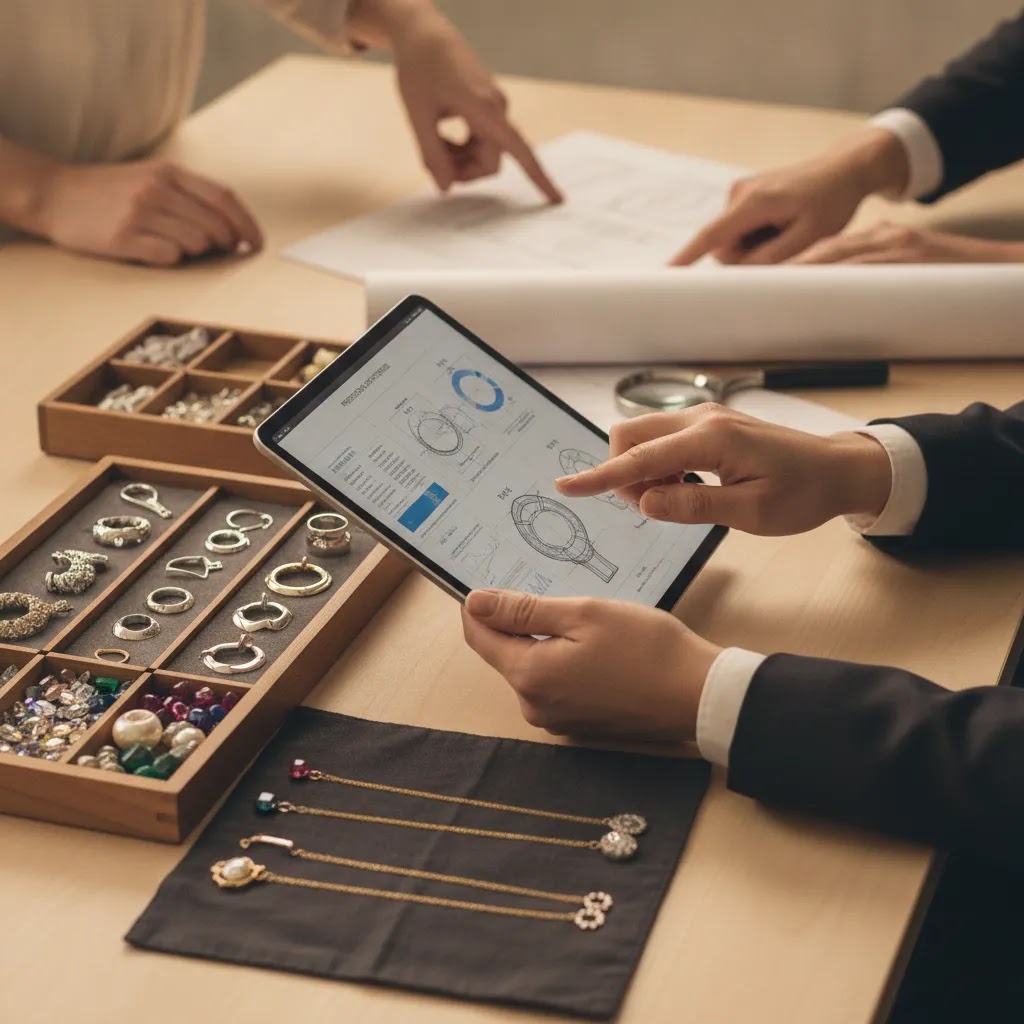
Royi Sal Jewelry is positioned as a B2B custom jewelry design and manufacturing partner for brands, boutiques, and private label businesses that need a collaborative approach rather than a simple vendor handoff. The company is led by Royi Gal, whose background spans both jewelry design and manufacturing. That dual perspective matters for OEM projects because market expansion often depends on how well a design vision is translated into a production-ready program.
For brands evaluating ethically produced OEM jewelry, Royi Sal Jewelry may be a useful resource if your priority is process clarity, custom development, and an ongoing manufacturing relationship. The company’s positioning emphasizes collaboration, craftsmanship, and support for global clients, which aligns with the needs of businesses managing design briefs, sampling decisions, and growth across multiple channels.
If you are reviewing potential partners, explore Royi Sal Jewelry’s broader approach to custom development and manufacturing at royisal.com. It can help to start the conversation early, especially if your project includes claim-sensitive sourcing language, new market requirements, or a more involved private label roadmap.
Frequently Asked Questions
What does ethically produced OEM jewelry usually mean in a B2B context?
It usually refers to jewelry developed under an OEM model where the brand provides direction and also manages how ethical claims are defined and communicated. In practice, the phrase is only useful if the manufacturer can support a disciplined workflow, clear approvals, and honest discussion about what the product story does and does not include.
Can OEM help a jewelry brand expand into more premium or selective channels?
In many cases, yes. OEM can give you more control over design language, assortment structure, and product differentiation. That may help if you are approaching buyers who want a more distinctive line. The benefit depends on whether your manufacturing partner can keep quality, communication, and revisions controlled as the project moves forward.
Do ethical claims automatically make an OEM program more expensive or slower?
Not automatically, but they often add review steps. Your team may need more time for documentation, wording approval, and sourcing discussions. Delays often come from unclear internal decisions rather than from the concept itself. A manufacturer with a collaborative, organized process may reduce some of that friction, depending on project scope.
How should I brief an OEM manufacturer if my brand has ethical positioning?
Be specific about which claims are essential, which are under review, and which should not be used at all. Your brief should separate design requirements from sourcing language, packaging language, and sales language. That helps reduce confusion later, especially during sample feedback and wholesale presentation planning.
Is a supplier that says yes to every request a good sign?
Not always. In custom manufacturing, overly easy agreement can be a warning sign if constraints are not being discussed. A reliable OEM partner will often ask for clarification, challenge vague instructions, and define what needs approval. That kind of discipline may feel slower early on, but it often supports better execution.
How do I compare sourcing regions for an OEM jewelry project?
Start by comparing communication standards, category strengths, production fit, and your own ability to manage oversight. Region-specific familiarity can help, but it should not replace process evaluation. The better question is whether the supplier relationship can support your product direction and growth model with consistency over time.
Should I build a full collection before testing a new market?
Many brands benefit from a focused launch rather than a broad assortment. A smaller, more controlled line can make it easier to evaluate buyer response, reorder patterns, and claim clarity before expanding. OEM works best when the early range is disciplined enough to test market fit without creating too many moving parts.
What role does the manufacturer play in private label growth?
A strong manufacturer can influence far more than production. In many cases, the partner also affects design translation, revision efficiency, quality repeatability, and how confidently your team can scale. That is especially relevant in private label, where consistency across samples, production runs, and reorders may shape buyer trust.
What does OEM mean in jewelry?
In jewelry, OEM typically means the manufacturer produces items to your brand’s direction, based on your design intent, specifications, and approvals. The practical value is control, you can manage design decisions, sampling revisions, and sign-offs in a way that supports repeatability and clearer documentation as you expand into new markets.
What are the most ethical jewelry brands?
There is no universal list that applies to every market or buyer, because “ethical” depends on what a brand defines, what it can substantiate, and how consistently it maintains that standard over time. If you are building or evaluating an ethically positioned line for wholesale, focus on whether the brand can show clear claim boundaries, consistent product language, and supporting documentation that matches what is actually being produced.
Who is the largest jewelry manufacturer in the US?
The answer can vary depending on how “largest” is measured, such as revenue, volume, category focus, or whether the business manufactures domestically versus assembling through broader supplier networks. For most brand operators, the more useful question is whether a manufacturer matches your product category, communication needs, and ability to support controlled approvals and repeatable production for wholesale expansion.
Are Van Cleef diamonds ethical?
Royi Sal Jewelry cannot verify or evaluate another company’s sourcing practices. If you are asking this question as a benchmark for your own brand positioning, treat it as a reminder to separate brand storytelling from substantiation. Build your own claim discipline by defining exactly what you mean by ethical, keeping your language consistent across channels, and maintaining documentation that supports what your team communicates to buyers.
Key Takeaways
- Expanding markets ethically produced OEM jewelry is mainly an operations and communication issue, not only a marketing position.
- OEM may support stronger brand differentiation, but only if the development process is structured and collaborative.
- Claim-sensitive positioning often requires tighter briefing, cleaner approval records, and more disciplined internal language.
- Supplier evaluation should cover communication, reorder consistency, and honesty about project limits, not just sample appearance.
- Royi Sal Jewelry may be a strong fit for brands that want a collaborative B2B manufacturing partner led by design and production expertise.
Conclusion
Ethically positioned OEM jewelry can open doors in new wholesale channels, but it usually works best when your product story is supported by a controlled manufacturing process. Brands that expand well tend to be disciplined about brief quality, cautious about claim language, and selective about who they trust with production. If your next stage involves custom development, private label growth, or a more demanding buyer audience, Royi Sal Jewelry is worth evaluating as a collaborative manufacturing partner. Visit royisal.com to learn more about the company’s design and production approach, or contact the team to discuss your project requirements and expansion goals.