Wholesale Jewelry: A Complete Guide for Brands, Retailers, and Private Label Growth
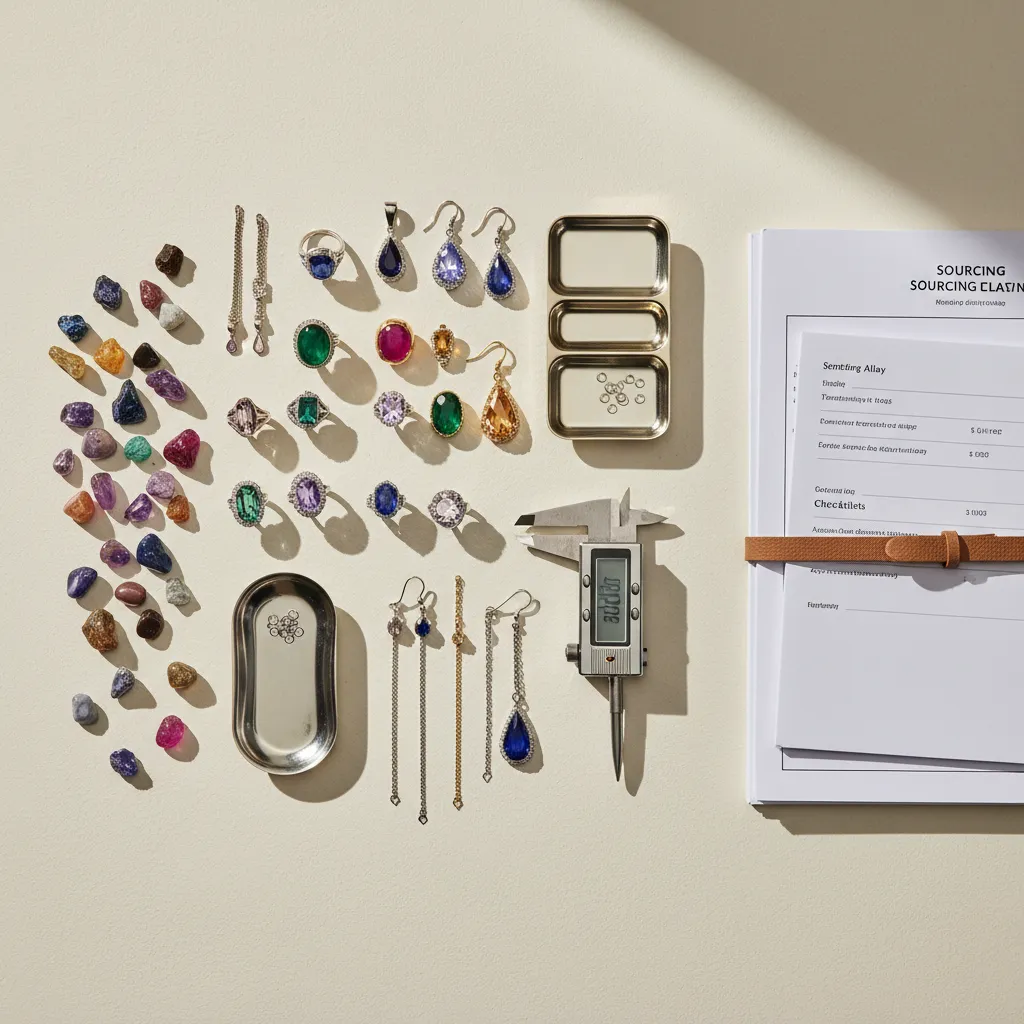
Wholesale jewelry is the foundation of many successful retail collections, private label brands, and growing jewelry businesses. For B2B buyers, it is not simply about purchasing inventory at scale. It is about building a supply strategy that supports quality, margin, consistency, brand identity, and long-term growth.
Whether you are launching a new collection, expanding an established product line, or searching for a more reliable manufacturing partner, understanding the wholesale jewelry landscape helps you make better business decisions. From metals and gemstones to design services, sourcing hubs, and production planning, every step affects the success of your brand.
At Royi Sal Jewelry, wholesale jewelry is approached as a collaborative process. Brands, boutiques, and retailers often need more than a supplier. They need a partner who understands custom development, production standards, communication, and the realities of scaling a jewelry line in competitive markets.
This pillar page provides a practical overview of wholesale jewelry for B2B buyers. It also connects you to deeper resources on materials, manufacturing, sourcing destinations, pricing, and design so you can explore each area in detail.
What Is Wholesale Jewelry?
Wholesale jewelry refers to jewelry produced and sold primarily for resale rather than direct consumer use. In a B2B context, it includes ready-made collections, custom-developed designs, private label programs, and made-to-order manufacturing for retailers and brands.
Wholesale purchasing can support several business models:
- Boutique inventory restocking
- E-commerce brand launches
- Private label jewelry collections
- Seasonal or trend-based capsule collections
- Custom jewelry programs for retailers
- Scalable manufacturing for growing brands
The wholesale model becomes especially valuable when businesses want stronger control over design, margins, and quality consistency. Instead of relying solely on finished retail inventory, brands can work directly with manufacturers and design teams to create more differentiated collections.
For businesses that are still shaping their market position, How to Create a Jewelry Brand That Stands Out offers useful context on how manufacturing decisions support long-term brand growth.
Why Wholesale Jewelry Matters for Growing Brands
Wholesale jewelry supports business growth because it gives brands more control over key commercial variables:
- Product cost structure
- Material selection
- Collection consistency
- Production scale
- Packaging and branding opportunities
- Launch timelines
- Margin protection
For many businesses, the goal is not only to buy inventory at a lower unit price. It is to create a product line that reflects the brand’s identity while remaining operationally viable.
This is why choosing the right production partner matters. If you are evaluating your options, How to Pick the Right Jewelry Manufacturer is a helpful starting point, and Checklist for a Successful Jewelry Partner Search offers a structured framework for comparison.
The Main Wholesale Jewelry Business Models
Different businesses use wholesale jewelry in different ways. Understanding these models helps clarify what type of supplier relationship you need.
Ready-Made Wholesale
This model involves selecting existing designs from a supplier catalog. It is often faster and may reduce development complexity, but it can limit exclusivity.
Private Label Wholesale
Private label allows businesses to sell jewelry under their own brand while working with a manufacturer behind the scenes. This model offers stronger branding opportunities and can support better long-term customer recognition. For more on this approach, see Boost Your Bottom Line with Private Label Jewelry.
Custom Jewelry Development
Custom development involves creating new pieces from concept through production. This path is often best for businesses that want originality, market differentiation, or more control over materials and specifications. To understand the full design-to-production process, From Sketch to Sparkle: The Design & Prototyping Process explains how design support fits into the wholesale workflow.
How the Wholesale Jewelry Process Typically Works
While every manufacturer has its own workflow, the wholesale jewelry process generally includes the following stages:
- Initial inquiry and project discussion
- Design briefing and concept development
- Material selection
- CAD or technical design preparation
- Sampling or prototyping
- Revisions and approval
- Production planning
- Manufacturing
- Quality control
- Packaging and shipment
B2B buyers should expect timelines and costs to vary based on complexity, quantity, material choice, stone setting requirements, and finishing standards.
If you are budgeting for a project, Cost-Effective Excellence: Optimizing Jewelry Production breaks down the factors that influence development and production cost.
Choosing the Right Jewelry Manufacturer
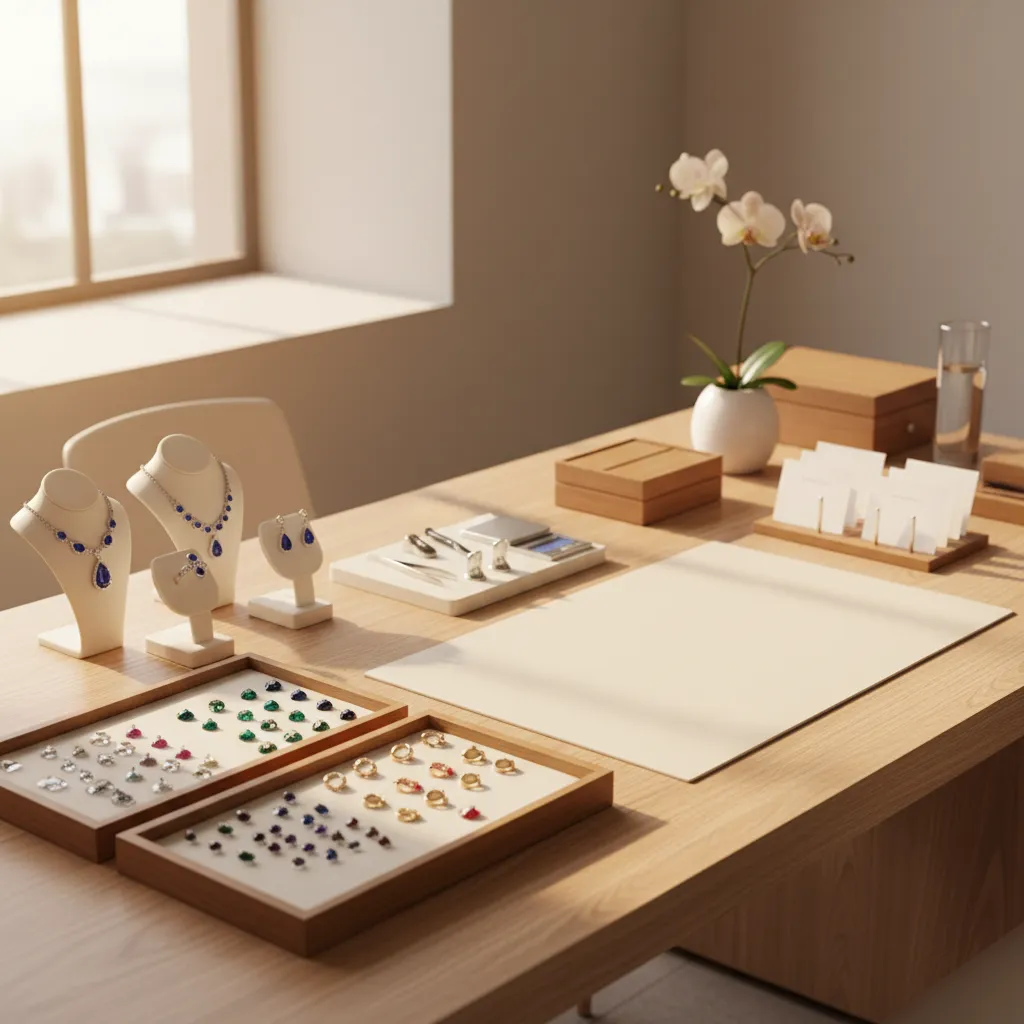
One of the most important decisions in wholesale jewelry is choosing who will produce your collection. A good manufacturer should offer more than technical capability. They should also provide reliability, communication, realistic timelines, and a clear understanding of your business goals.
When evaluating a manufacturing partner, consider:
- Experience with your product category
- Design and development capabilities
- Material expertise
- Minimum order quantity expectations
- Sampling process
- Quality control practices
- Production capacity
- Communication responsiveness
- Shipping experience for international clients
For a broader overview, How to Get the Most Out of Your Jewelry Manufacturing Relationship and Custom Jewelry Manufacturing: Flexible MOQs can help frame your comparison process.
Materials in Wholesale Jewelry
Material selection affects both brand positioning and operational performance. It shapes pricing, durability, perceived value, production methods, and customer expectations.
Sterling Silver
Sterling silver remains one of the most important wholesale jewelry materials because it offers a strong balance of quality, versatility, and commercial appeal. For brands working in silver categories, 925 Sterling Silver Gemstone Jewelry Wholesale explores key considerations in silver-based product development.
For foundational material knowledge, What Is 925 Sterling Silver? and The Benefits of Using Sterling Silver in Jewelry Design explain why this material is widely used in commercial jewelry production.
Stainless Steel
Stainless steel is often valued in wholesale programs for durability, corrosion resistance, and broad market accessibility. If your collection strategy includes steel jewelry, Sterling Silver vs Stainless Steel provides a useful comparison of the two most common commercial jewelry metals.
Brass and Alternative Metals
Brass is frequently used in fashion jewelry manufacturing because it supports a range of finishes and design styles. For a deeper look at sourcing and production considerations, see Exploring Brass as an Elegant Alternative Metal for Jewelry and 5 Benefits of Brass Jewelry.
Gemstones, Moissanite, and Lab-Grown Categories
Stone selection is a major part of wholesale product planning. It affects pricing, target audience, setting techniques, and brand perception. For brands prioritizing responsible materials, it can also help to understand the sustainable journey of every gemstone in your jewelry from origin to finished piece.
Moissanite in Wholesale Jewelry
Moissanite continues to attract attention in both fashion and fine-inspired categories because it offers visual appeal and a flexible price position for many brands. For a closer look at how moissanite compares to diamond, see 5 Differences Between Moissanite and Diamond and Moissanite vs Diamond: The Right Choice for Your Next Design.
Lab-Grown Diamond Segments
Lab-grown diamond jewelry continues to shape product development and merchandising in many markets. For key insights on this category, Natural vs Lab-Grown Diamonds: Key Insights for Retailers & Manufacturers provides useful market context for B2B buyers evaluating this segment.
Stone Settings and Product Construction
Wholesale success is not only about choosing the right metal or stone. Construction details matter just as much. Stone setting affects security, style, labor intensity, and overall product cost.
For a closer look at this topic, 8 Brilliant Classification Of Stone Settings outlines common setting styles and their commercial implications. This is especially useful for brands planning rings, earrings, pendants, or gemstone-focused collections.
Global Jewelry Sourcing: Where Brands Look for Suppliers
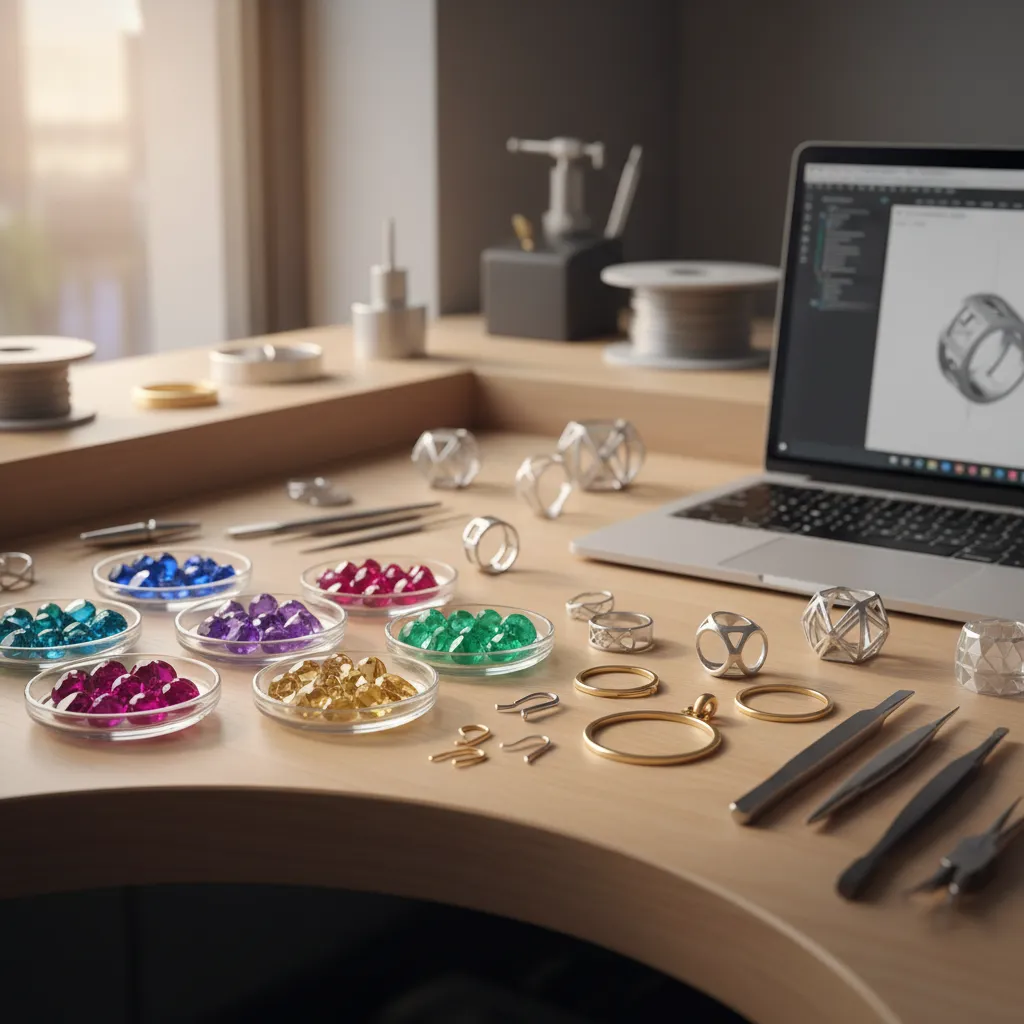
Wholesale jewelry sourcing is global, and businesses often compare manufacturing regions based on cost, expertise, lead time, material access, and communication. As sustainability becomes more central to purchasing, many teams also review ethical sourcing and eco-conscious practices in B2B jewelry manufacturing when selecting partners.
Thailand and Regional Sourcing
Thailand remains one of the most recognized sourcing hubs for jewelry production and gemstones. For businesses evaluating the country as a sourcing destination, Thailand’s Gems and Gemstone Trade: A Global Hub for Sapphires, Rubies, and More provides a detailed look at the country’s gemstone ecosystem.
For broader manufacturing context, Craftsmanship in Jewelry: Thailand and 4 Reasons Thai-Based Jewelry Manufacturers Should Be Your Next Supplier are especially relevant for international buyers.
Regional Manufacturing Comparisons
Some businesses also compare manufacturing across different regions. Challenges of Doing Business in China vs Investing in Thailand provides insight into that regional landscape, and Why Smart Jewelry Brands Are Moving from China to Thailand explores how sourcing strategies are shifting.
Design Services in the Wholesale Jewelry Ecosystem
For many brands, success in wholesale jewelry starts before production ever begins. It starts with design clarity. Design services help businesses translate ideas into technical specifications that can actually be manufactured consistently.
These services may include:
- Concept development
- CAD design
- Design refinement
- Material guidance
- Stone and setting recommendations
- Sample review and revision planning
For businesses new to this process, From Dream to Gem: Unleash Your Jewelry Vision with Expert Design Services explains how structured design support improves outcomes. For a technical deep dive, How to Use CAD Technology for Faster Jewelry Prototyping covers modern design workflows.
Pricing Considerations in Wholesale Jewelry
Wholesale jewelry pricing is shaped by multiple variables, including:
- Metal type
- Stone type and quality
- Product weight
- Complexity of design
- Stone setting labor
- Finishing requirements
- Order quantity
- Sampling and mold costs
- Packaging requirements
- Shipping destination and method
This is why B2B buyers should be careful about comparing quotes without understanding what is included. A lower quote may reflect lower material quality, fewer finishing steps, weaker quality control, or less responsive post-order support.
To better understand production-related cost drivers, review How to Price Your Jewelry for Profit and Pricing Strategies for Jewelry: Balancing Profitability and Consumer Affordability.
How to Build a Strong Wholesale Jewelry Program
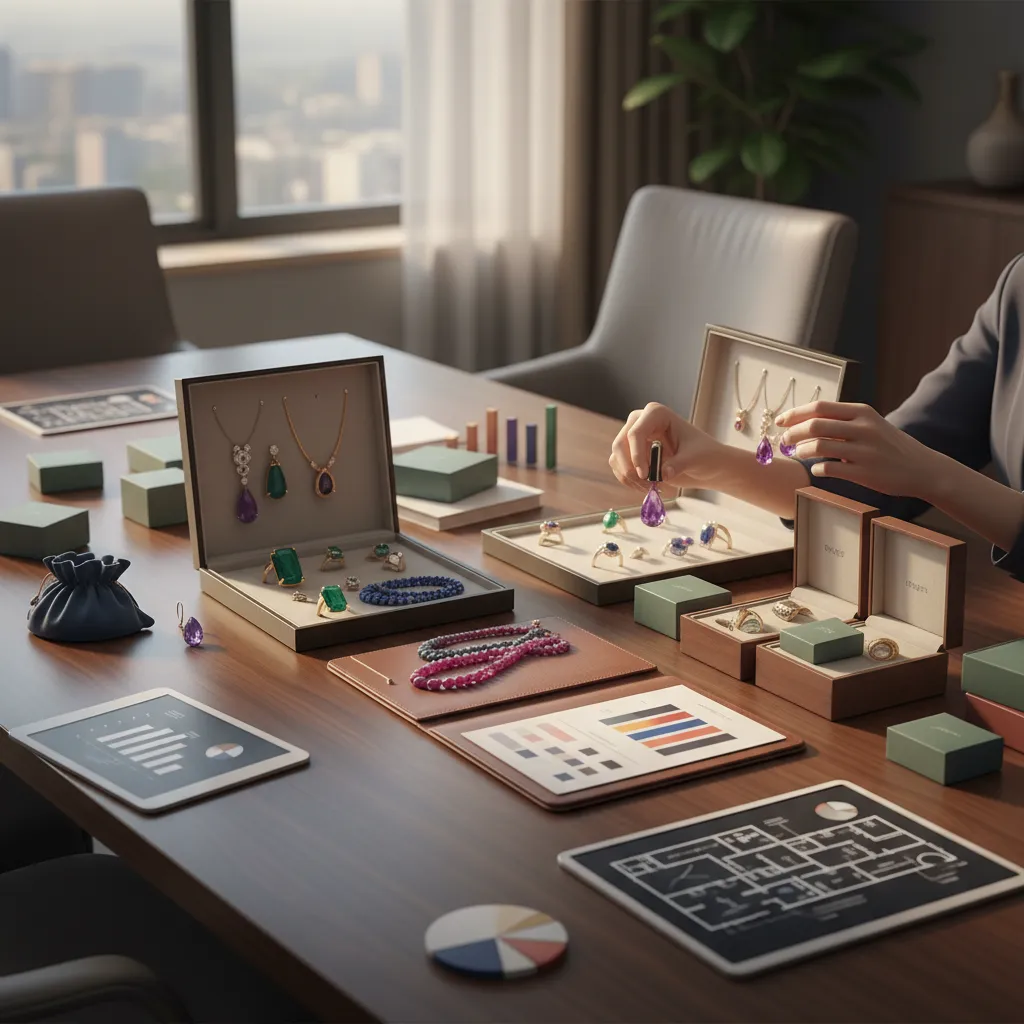
A strong wholesale jewelry strategy is not just about finding products. It is about building a repeatable system that supports quality and growth.
Key practices include:
Define Your Collection Strategy
Know whether you are building around trend responsiveness, timeless core products, private label exclusivity, or custom statement pieces.
Standardize Quality Expectations
Create clear specifications for metal, stone, plating, finishing, dimensions, and tolerances.
Start With Sampling
Samples reduce risk before full production and help align expectations on appearance, wearability, and construction quality.
Evaluate Supplier Communication
Strong communication often predicts smoother production outcomes, especially for international projects.
Plan for Scale
Choose partners who can support both current needs and future growth.
Businesses that want to connect all of these elements into a market-ready brand should read Building Brand Brilliance: Craft a Story That Sells Your Jewelry.
Common Mistakes Wholesale Jewelry Buyers Should Avoid
Many avoidable problems in wholesale jewelry come from incomplete planning. Common mistakes include:
- Choosing suppliers based only on price
- Skipping technical design review
- Approving samples too quickly
- Failing to define acceptable quality standards
- Ignoring shipping and lead-time realities
- Overlooking material suitability for the intended market
- Ordering without a clear product positioning strategy
The more informed your sourcing and development process is, the better your odds of building a profitable and consistent jewelry line.
Wholesale Jewelry Trends Businesses Should Watch
Wholesale jewelry evolves with changes in consumer demand, material innovation, and brand strategy. While trends vary by market, several areas continue to influence B2B buying decisions:
- Growth in moissanite and lab-grown categories
- Increased interest in durable commercial materials such as stainless steel
- Continued demand for sterling silver programs
- Greater use of custom and private label development
- Trend influence from celebrity and social media visibility
- More strategic sourcing across multiple regions
This is why category-specific research matters. Articles such as Natural vs Lab-Grown Diamonds and Silver & Gold Jewelry: What’s Trending can help brands align sourcing with current market momentum.
How Royi Sal Jewelry Supports Wholesale Clients
Royi Sal Jewelry works with B2B clients who need more than off-the-shelf products. Brands, boutiques, and retailers often need collaborative support across design, development, and manufacturing.
That may include:
- Turning concepts into production-ready designs
- Advising on commercially viable materials
- Supporting custom jewelry development
- Helping align design intent with manufacturing realities
- Managing production with a quality-focused mindset
- Supporting growing brands with professional communication and global reach
For businesses seeking a wholesale partner, the right collaboration can improve not only product quality but also operational confidence.
Final Thoughts
Wholesale jewelry is a broad and highly strategic category. It includes far more than buying inventory in bulk. It involves understanding materials, design development, manufacturing, pricing, supplier relationships, and market positioning.
For brands and retailers, the most successful wholesale decisions are usually built on preparation, clarity, and strong partnerships. By exploring the resources linked throughout this page, you can deepen your understanding of each part of the process and make more informed sourcing and development decisions.
If you are planning a new collection, evaluating manufacturing options, or looking for a collaborative custom jewelry partner, Royi Sal Jewelry is ready to discuss your business goals.
Contact Royi Sal Jewelry to start a conversation about your wholesale jewelry project, custom collection, or private label manufacturing needs.
Frequently Asked Questions
What is wholesale jewelry for businesses?
Wholesale jewelry for businesses refers to jewelry purchased or manufactured for resale, private label use, or branded collection development rather than personal retail consumption.
Is wholesale jewelry only for large retailers?
No. Wholesale jewelry can support boutiques, e-commerce brands, startups, and established retailers. The right supplier relationship depends on your product strategy, budget, and production needs.
What is the difference between wholesale jewelry and custom jewelry manufacturing?
Wholesale jewelry can include ready-made collections, while custom jewelry manufacturing focuses on developing original or customized pieces based on your specifications. Many businesses use both models.
How do I choose a wholesale jewelry manufacturer?
Look at material expertise, communication, quality standards, production capabilities, lead times, design support, and overall fit with your business model.
Why are materials important in wholesale jewelry?
Materials affect cost, durability, perceived value, target market positioning, and manufacturing methods. Choosing the right material is central to building a commercially viable collection.
Can Royi Sal Jewelry help with custom wholesale projects?
Yes. Royi Sal Jewelry specializes in collaborative custom jewelry design and manufacturing for B2B clients, including brands, boutiques, and private label businesses.