

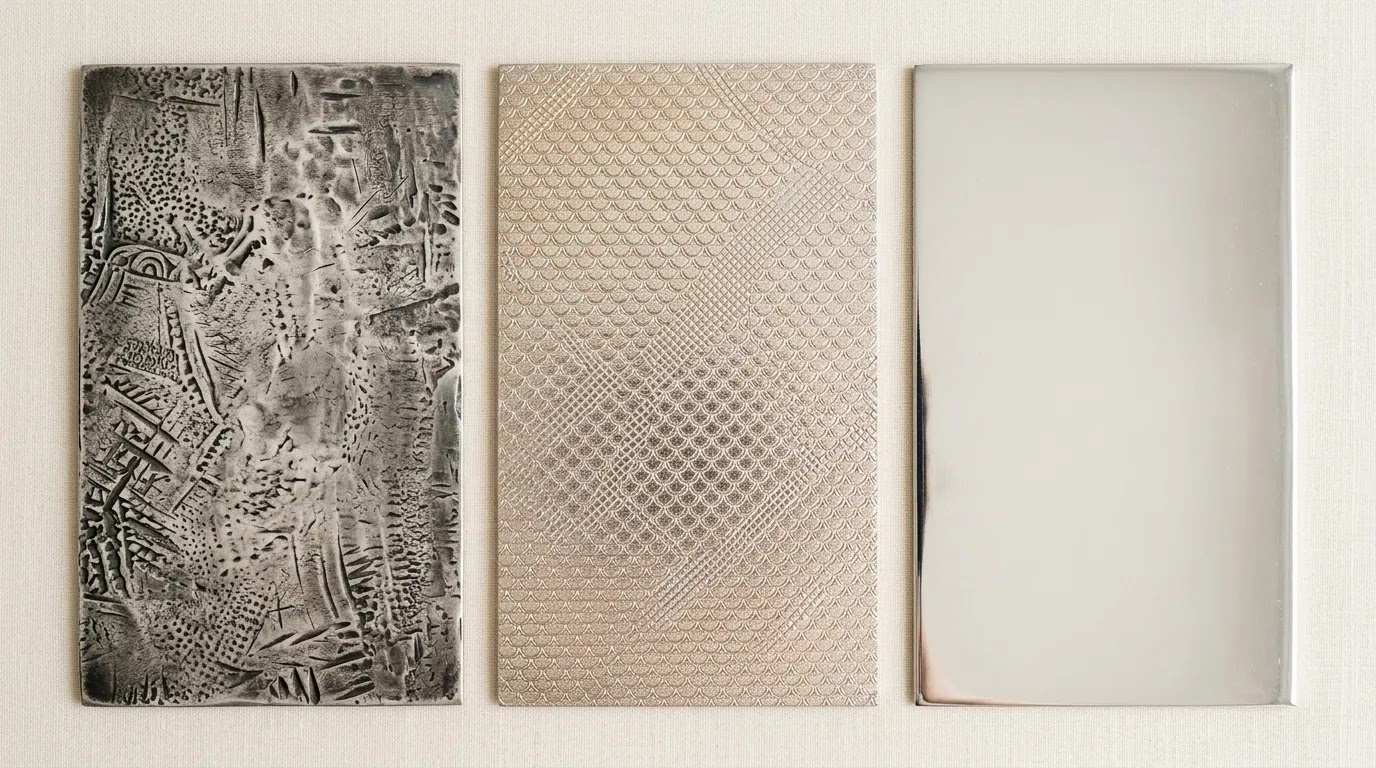
Style definition: Specify the visual characteristics you need, not only a regional style name.
Repeatability: Confirm that bead dimensions, hole sizing, finish, and supply continuity can support reorders.
Commercial fit: Choose bead complexity and sourcing terms that match your collection price position, assembly method, and planned order volume.
This guide helps boutique owners, jewelry brands, and private label founders assess wholesale silver beads in Bali, Thai, and Italian-inspired styles. It focuses on sourcing criteria, supplier questions, price-position planning, and the documentation needed before you approve a purchase or development project.
Where Wholesale Silver Beads Fit in a Collection
Regional style terms can be useful starting points for a collection brief, but they should not replace detailed product specifications. In wholesale sourcing, “Bali,” “Thai,” and “Italian” may describe a visual direction, a production tradition, a supplier category, or a claimed place of manufacture. Your purchase order should clarify which meaning applies.
Designers often select Bali-style silver beads for designs that need decorative texture, raised motifs, darker recessed detail, or handcrafted visual character. They can work well in charm-led bracelets, statement necklaces, spiritual jewelry concepts, and collections that rely on visible component detail rather than a minimal silhouette.
Suppliers may position Thai-style beads around artisan-influenced details, small-scale decorative elements, or textured forms. The category is broad, so a buyer should request clear images, measurements, and finish references instead of assuming every Thai-style bead has the same look or assembly characteristics.
Suppliers commonly associate Italian-style beads with more streamlined shapes, polished surfaces, geometric profiles, and refined component proportions. They may suit brands building clean everyday assortments, modern pendant programs, or coordinated pieces where visual consistency is more important than ornamental surface work.
The useful commercial question is not which style is universally better. It is whether the bead language supports your brand story, product architecture, and target customer. A collection can combine decorative and polished elements, but the contrast should be intentional and visible in your assortment plan.
| Style direction | Visual characteristics | Collection applications stated in this guide |
|---|---|---|
| Bali-style | Decorative texture, raised motifs, darker recessed detail, handcrafted visual character | Charm-led bracelets, statement necklaces, spiritual jewelry concepts |
| Thai-style | Artisan-influenced details, small-scale decorative elements, textured forms | Collections that need decorative component detail |
| Italian-style | Streamlined shapes, polished surfaces, geometric profiles, refined component proportions | Clean everyday assortments, modern pendant programs, coordinated pieces |
For a wider view of product categories and sourcing considerations, review wholesale silver jewelry before narrowing your component list. A bead should support the finished jewelry program, not become an isolated purchase that is difficult to merchandise later.
Planning Wholesale Silver Beads by Function
A bead catalog becomes easier to manage when each component has a defined role in the finished product program. Rather than selecting many visually similar items, organize the first assortment around functions that your design and merchandising teams can repeat across bracelets, necklaces, and modular products.
Round beads can provide visual rhythm and work as core building blocks. Spacer beads can create separation between larger forms or focal components. Decorative and patterned beads can establish the collection’s style language, while larger focal forms can give selected designs a clear center of attention. Letter or message components may support personalization programs, and large-hole options may be relevant where the assembly method requires greater clearance.
Each group should solve a different design need. If several beads perform the same role at nearly the same scale and finish, they can create unnecessary inventory complexity without giving your sales team a meaningful new product story. Assign each component to a product family, intended assembly method, and expected reorder role before adding it to the range.
Start with a small component system that your team can repeat across multiple SKUs. A controlled group of rounds, spacers, decorative accents, and one or two focal options may give a growing brand more flexibility than a broad assortment of unrelated forms. Add more specialized profiles after the core system has been sampled, launched, and reviewed for reorder performance.
Who Should Source Wholesale Silver Beads
Wholesale silver beads may be a practical choice for established boutiques, jewelry designers assembling branded collections, and private label businesses that need components for necklaces, bracelets, earrings, or modular designs. They can also suit brands testing a small number of core silhouettes before expanding into a broader collection.
They are especially relevant if your team has a clear assembly process, product dimensions, and a plan for how it will use each bead. A decorative bead with a small or inconsistent hole may be unsuitable for a design that requires a particular cord, chain, wire, or internal finding.
This route may be less suitable for a business that only has general inspiration images and expects a ready-stock catalog to solve all design decisions. It may also be the wrong first purchase if your collection relies on proprietary silhouettes that competitors could easily source from the same open wholesale range.
When catalog offerings fall short of capturing a brand’s true identity, custom development steps in to give clients greater command over scale, distinctive branding elements, and product differentiation. Royi Sal Jewelry builds its client relationships on this foundation, partnering with businesses through collaborative design and manufacturing processes tailored to each collection’s specific needs.
If your design pairs beads with other components, review available silver jewelry findings wholesale options early. Plan findings, bead holes, jump rings, clasps, and attachment methods together rather than asking separate teams or suppliers to select them.
Buying Criteria for Wholesale Silver Beads
1. Define the Style Beyond the Catalog Name
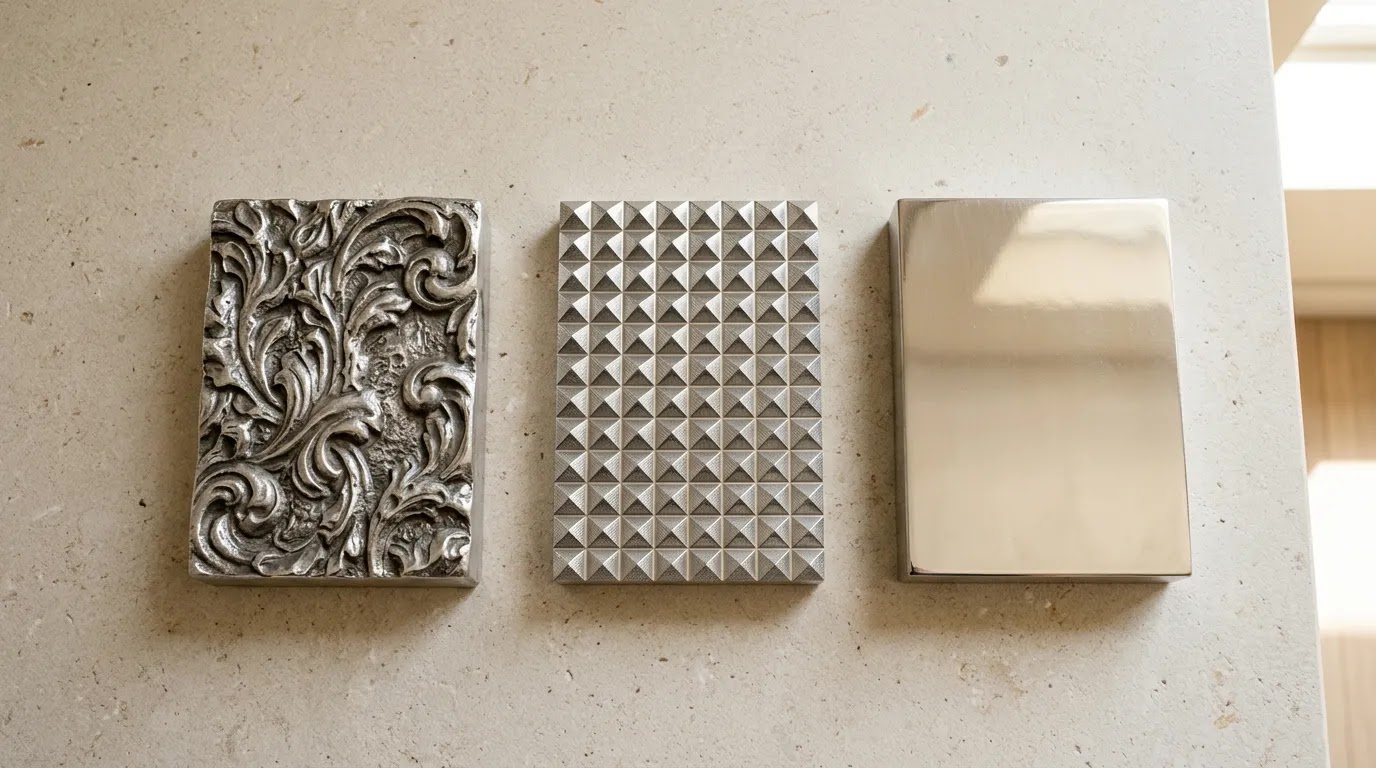
Ask the supplier to describe the bead in observable terms: shape, surface texture, recessed areas, edge treatment, symmetry, finish, and whether the image represents the current production version. “Bali bead” is not a complete technical description. A product brief should state whether you need floral relief, scrollwork, granulation-like detail, smooth polished faces, ribbed texture, or another defined visual feature.
Avoid approving a style based on one low-resolution image. Request multiple views and a scale reference. If the design depends on decorative detail, ask how the detail reads at the actual size used in your finished jewelry.
2. Confirm Dimensions and Tolerance Expectations
For wholesale beads, millimeter differences can change the balance of a bracelet, the spacing of a necklace, or the fit of a branded component beside a standard bead. Request the outer diameter, length, width, hole diameter, and approximate weight where relevant. Specify which dimension is most critical to your assembly process.
Ask how variation is managed across a production lot. A bead intended to sit tightly between other elements needs a different tolerance expectation than a decorative focal bead. Avoid phrases such as “regular size” or “standard hole” in purchase documentation because they invite assumptions.
3. Evaluate Hole Placement and Assembly Compatibility
The hole is often the functional decision point. Confirm whether it is centered, side-drilled, top-drilled, or designed for a particular threading direction. A visually appealing bead may become unusable if the hole is too narrow for your chosen assembly method or if placement causes the bead to face incorrectly when worn.
Provide your intended stringing material, chain type, wire gauge, or finding concept during supplier discussions. If you are developing pieces across several vendors, send a component compatibility sheet so each party works to the same connection requirements.
4. Review Silver Specification and Product Documentation
Search terms such as “925 sterling silver beads wholesale” are common in the trade, but a keyword alone does not provide complete product assurance. Ask the supplier how the silver specification is documented in quotations, samples, invoices, and production records. Your internal SKU should also connect the bead to its agreed specification and approved sample.
Document any required marks, labeling expectations, or market-specific product information with your own legal and compliance advisers. Requirements can differ by sales market, product category, and the claims your business makes to retailers or end customers. The FTC Jewelry Guides are also a useful reference for businesses selling in the United States.
5. Compare Surface Finish Across the Full Assortment
Silver beads can look materially different depending on polish level, contrast in recessed details, and surface texture. A mixed finish may be correct for an ornate collection, while a minimal range may need a more uniform appearance. Request samples that show how the surface performs beside your other components rather than reviewing beads in isolation.
Avoid combining highly polished and heavily antiqued-looking elements accidentally. The result can make an otherwise coordinated collection look as though it was sourced from unrelated ranges. Establish a finish reference before placing a larger order.
6. Assess Repeatability Before You Build a Hero SKU
A bead may look excellent in a sample and still create a sourcing issue later if supply is inconsistent. Ask whether the item is a continuing catalog component, produced only in limited batches, or dependent on a process that may create visual variation. This is particularly important for best-selling bracelet systems and repeatable pendant styles.
Build your hero products around components with a realistic reorder path. Reserve more distinctive, labor-intensive, or variable bead styles for limited capsules unless your supplier can explain how continuity will be handled.
7. Separate Origin Language From Style Language
If origin matters to your brand story, ask direct questions about where the beads are made and how that statement can be supported in your product communication. Do not describe a bead as made in a particular country simply because a supplier uses a regional style label. “Bali-style” and “made in Bali” are not interchangeable claims.
This distinction protects your product descriptions and helps your sales team communicate accurately with wholesale accounts. It also reduces the risk of creating packaging or marketing copy that your supply documentation cannot support.
Wholesale Silver Beads: Construction, Weight, and Profile
Bead construction affects more than the appearance of a finished piece. Hollow, lightweight, seamless, and heavier forms may differ in perceived value, durability expectations, assembly balance, and shipping planning. A profile that works well as a decorative accent may not provide the visual or physical presence needed for a focal component.
Ask for approximate bead weight and, where relevant, wall thickness information before final approval. These details can help your team compare similar forms accurately and understand how a component may behave beside other beads, findings, or pendant elements. Confirm whether visible joins are part of the intended construction and whether the product image reflects the version that will be supplied.
Document the function of the bead with the specification. A small lightweight form may be appropriate as a spacer, while a larger decorative bead may need enough visual weight to hold its position within a necklace or bracelet layout. Review a focal bead in the complete sample, not only as an individual component.
Consistent bead weight and profile help maintain balance across production batches. If a central component becomes noticeably lighter, larger, or differently shaped on a reorder, the finished jewelry can sit differently and affect the presentation your team approved. Record the approved profile, approximate weight, and component role in the product file alongside dimensions, drilling, and finish.
Price Ranges and What You Get at Each
Specific wholesale silver bead pricing depends on size, weight, complexity, order volume, supply conditions, finishing requirements, and whether the item is ready stock or custom developed. Rather than relying on a universal price figure, use pricing tiers to compare the commercial role each bead can play in your collection.
Budget Tier: Simple, Repeatable Core Components
Budget-tier beads typically prioritize simpler forms, limited surface detail, efficient production, and broad usefulness across multiple SKUs. They can be appropriate for entry-level assortment builders, add-on components, and designs where the finished piece gains its value from the overall composition rather than one highly detailed bead.
Buyers should still confirm dimensions, hole quality, and supply continuity. Lower unit cost does not offset the operational cost of inconsistent assembly or a component that cannot be reordered.
Mid-Range Tier: Defined Style and Better Collection Differentiation
Mid-range options may include more intentional shape work, decorative surfaces, stronger finish direction, or bead profiles that contribute visibly to the collection identity. This tier often suits brands that need recognizable design language without making every piece a limited-edition production challenge.
Before approval, compare samples across several units. The goal is to understand whether detail, polish, and drilling remain consistent enough for your intended retail presentation.
Premium Tier: Detailed Focal Beads and Custom Development
Premium positioning may be appropriate for larger focal beads, more elaborate surface work, distinctive silhouettes, or custom elements developed for your brand. These components can help separate a private label range from generic wholesale assortments, but they require closer planning around sampling, specifications, approval rounds, and reorder expectations.
Premium does not automatically mean commercially sensible. Use higher-complexity beads where they create a visible reason for a higher collection position, stronger storytelling, or a more differentiated hero product.
How to Review a Wholesale Bead Supplier

A supplier evaluation should test whether the business can support your operating model, not merely whether it has appealing photos. Start by comparing the quality of the product information provided. Clear answers about dimensions, holes, finish, available stock, sample handling, and reorder terms often reveal more than a large catalog.
Ask to review a representative sample before committing to a production-dependent design. Photograph the sample next to related components, test your planned assembly method, and record approval criteria in a product file. If you are buying multiple bead styles, create a master component sheet with supplier SKU, internal SKU, dimensions, finish reference, purchase status, and approved sample date.
For collections combining silver beads with other design directions, it can help to review silver jewelry as a broader category. The strongest component decisions usually begin with the final product silhouette, target assortment, and retailer presentation.
Custom projects need a different supplier conversation. Royi Sal Jewelry approaches custom jewelry design and manufacturing as a collaborative process, helping business clients translate visual direction into clearer production requirements. A custom bead program may be appropriate if your team needs proprietary branding elements, consistent proportions across a set, or components created specifically for your collection architecture.
Wholesale Account Terms and Ordering Process
Before placing an order, confirm how the supplier structures its wholesale account access and purchasing requirements. Ask whether a business account is required, what information must be provided for approval, whether order thresholds apply, and how quantity breaks are calculated. Pricing may change with volume, but the calculation should be clear enough for your purchasing and merchandising teams to compare options accurately.
Confirm stock status at the SKU level, especially if your planned order combines core components with decorative or less frequently ordered styles. Ask whether products are ready stock, allocated after payment, produced after order confirmation, or subject to availability changes. A large catalog does not always mean that every listed component can be supplied in the quantity your collection requires.
Clarify how the supplier manages backorders, mixed-SKU orders, sample orders, partial shipments, and discontinued components. These operational details can affect launch planning and reorder decisions. If one bead is unavailable, your team should know whether the supplier will hold the order, ship available items first, propose a substitute, or cancel the affected line.
Document account terms alongside product specifications rather than keeping them only in email correspondence. Your internal product file should identify order thresholds, quantity breaks, current stock status, sample approval records, reorder conditions, and the supplier contact responsible for the account. This gives purchasing staff a clearer reference when collections expand or responsibilities change.
Common Mistakes to Avoid
- Approving beads solely from catalog images without reviewing multiple views, measurements, and an actual sample.
- Using a regional style name as the entire brief instead of defining texture, dimensions, drilling, and finish.
- Ordering decorative beads before confirming whether they work with your planned findings and assembly method.
- Building a core bestseller around a component without asking about reorder availability and batch consistency.
- Making origin claims in product copy based only on a style label.
- Choosing high-detail beads for every SKU, then finding that the finished assortment lacks a clear price and margin structure.
Brands also sometimes treat beads as secondary purchases while spending most of their planning time on pendants or gemstones. If your collection includes stone-focused designs, coordination with wholesale gemstone jewelry planning can help ensure bead scale, hole placement, and finish direction support the complete design.
Buying Checklist for Wholesale Silver Beads

Before you approve a wholesale bead order or begin custom development, confirm the following points in writing:
- The style is described by observable details, not only as Bali, Thai, or Italian.
- Outer dimensions, hole diameter, hole placement, and critical tolerances are recorded.
- The bead has been tested with the intended chain, wire, cord, or finding.
- The silver specification and any required product documentation are addressed in your supplier agreement.
- The finish reference matches the rest of your collection components.
- You understand whether the item is ready stock, repeatable, limited, or custom developed.
- Approved samples, product images, and supplier SKUs are linked to your internal product records.
- Your merchandising plan explains how the bead supports a core range, capsule, hero product, or seasonal launch.
- Shipping, receiving checks, defect reporting, and reorder communication are assigned to a responsible team member.
Frequently Asked Questions
What does “Bali-style” mean when sourcing wholesale silver beads?
Bali-style usually functions as a visual category rather than a complete manufacturing specification. It may suggest decorative surfaces, textured detail, raised motifs, or darker recessed areas, but suppliers can use the term differently. Request close images, dimensions, hole placement, finish references, and a sample before approval. If your product copy will make an origin claim, separate that question from style. A supplier should clearly explain whether the bead is described as Bali-style, made in Bali, or both, and provide documentation appropriate to the claim your business intends to make.
Are Thai-style and Italian-style silver beads suitable for the same collection?
They can be, provided the collection has a clear design system. Thai-style components may bring decorative or artisan-influenced detail, while Italian-style beads may support polished, streamlined, or geometric looks. A mixed collection works best when you establish a shared element, such as consistent scale, finish direction, recurring shape, or a coordinated color story in accompanying materials. Test the components together in a sample layout. If the contrast feels accidental rather than designed, separate them into distinct product families or seasonal capsules.
How should a business verify 925 sterling silver beads wholesale?
Ask the supplier how the silver specification is communicated through the quotation, sample process, invoice, and production documentation. Keep the approved sample connected to the supplier SKU and your internal item code. If your business requires marks, testing, labeling, or market-specific disclosures, discuss those needs with appropriate legal, compliance, and product specialists before selling. Do not rely on an online product title alone. Clear documentation supports more accurate communication with retailers, customer-service teams, and future purchasing staff.
Where is the best place to buy wholesale beads?
The best source depends on your collection requirements, assembly method, reorder expectations, and need for product differentiation. A suitable supplier should provide clear specifications, representative samples, reliable communication about stock status, and documented terms for reorders. Businesses developing a distinctive private label collection may also need a manufacturing partner that can support custom design work rather than relying only on open catalog components.
Where can I buy wholesale beads online?
Online wholesale catalogs can be useful for reviewing product categories and beginning a supplier conversation, but a website listing should not replace product verification. Before ordering, request current images, measurements, hole specifications, stock information, and sample options. Confirm that the supplier can identify each bead consistently by SKU and explain how it handles future orders, mixed-SKU purchasing, and unavailable items.
How do I get wholesale silver pricing from a supplier?
Open a business inquiry with clear information about the components you need, expected quantities, intended order timing, and whether you require samples or custom development. Ask whether pricing is based on individual SKU quantities, combined order volume, component weight, available stock, or another purchasing structure. Keep the quotation with the product specification so your team can compare price changes against the same approved bead, finish, and order conditions.
What types of wholesale silver beads should a jewelry business source first?
Begin with a small assortment that supports repeatable product construction. Round beads and spacer beads can provide flexible core components, while a limited number of decorative accents and focal forms can establish visual identity. Add letter or message components and large-hole options only if they match a defined personalization or assembly program. This approach helps avoid carrying too many similar beads before your team understands which formats work best across the collection.
What bead measurements should appear on a wholesale purchase order?
Your purchase order should normally identify the bead shape, outer diameter or length and width, hole diameter, hole position, finish, supplier SKU, and internal SKU. Add a reference image or approved sample code if the bead includes detail that measurements cannot fully capture. For focal beads, weight may also help your team assess balance and shipping planning. Identify the dimension that is most important to assembly, such as hole size or total length. This tells the supplier which variation could make the component unusable for your design.
Should I buy ready-stock beads or commission custom beads?
Ready-stock wholesale beads can be appropriate when speed, lower development effort, and broad component availability matter most. They may work well for testing a collection direction or building foundational SKUs. Custom beads may be more suitable if you need proprietary forms, logo-related details, matched proportions across a collection, or a visual identity not available in open catalogs. The decision should account for sampling, product development time, order planning, and your ability to document approvals. A hybrid approach can also work, using standard components beside a small number of custom focal elements.
How do minimum order quantities affect a silver bead program?
Minimum order quantities can affect which styles are practical, especially for custom or less frequently produced components. A supplier may have different requirements for ready-stock items, samples, custom development, and production reorders. Instead of asking only for a minimum quantity, ask what it applies to and whether it is measured per SKU, per design, per finish, or across a combined order. Build an assortment that concentrates demand into manageable component groups. Too many unique beads can make inventory control and reordering more difficult for a growing jewelry business.
How can I reduce quality issues when buying wholesale beads internationally?
Start with a written specification and an approved sample. Record dimensions, finish expectations, hole placement, packaging requirements, and the acceptable level of visual variation for the product. At receiving, inspect a defined portion of each shipment against that record, then document issues with photos and SKU references. Keep supplier communication organized in one product file so future reorders use the same reference point. International sourcing works more reliably when a business treats component approval as a repeatable internal process rather than an informal exchange of images and messages.
Can silver beads be used with gemstone-centered jewelry designs?
Yes, but bead selection should support the scale and visual weight of the stone-centered piece. Decorative beads can frame a gemstone focal element, while smoother beads may create spacing that keeps attention on the central feature. Confirm that drilling, attachment points, and surface finish work with the complete assembly. Your product brief should describe the relationship between the bead and the stone component, not simply list them separately. This helps avoid a sample where the bead overwhelms the focal point or creates an awkward transition between components.
What should I ask about reorders before launching a bead-based collection?
Ask whether the bead is a continuing item, whether the supplier expects changes in availability, and whether future batches may vary in detail, finish, or dimensions. Confirm how the supplier identifies the component in its system and retain that reference in your internal records. If the bead is central to a bestseller, consider keeping an approved sample and maintaining enough documentation for another team member to reorder accurately. Reorder planning is not only an inventory issue. It protects collection continuity and helps prevent silent changes from entering a proven product.
Key Takeaways
- Regional style names are useful for inspiration, but they are not substitutes for a production-ready bead specification.
- Dimensions, hole placement, finish, and reorder availability often matter as much as the visible bead design.
- Use budget, mid-range, and premium tiers to assign each bead a realistic commercial role in your assortment.
- Separate style descriptions from origin claims so your product documentation and marketing remain accurate.
- Approved samples and organized component records reduce risk during production, receiving, and future reorders.
Conclusion
Buying wholesale silver beads is not simply a matter of choosing between Bali, Thai, and Italian styles. The commercial value comes from matching the bead’s visual character to a documented assembly method, a defined collection position, and a supply plan that can support your business after launch. A detailed bead may justify a hero product. A clean, repeatable form may be more useful across a core assortment. Both choices can be sound when they are intentional.
Begin with a short component brief, request samples, and test the beads alongside the findings and focal elements you plan to use. Record the details that affect repeatability before your team commits to packaging, photography, or wholesale sales materials. For businesses considering custom components or a more coordinated private label collection, reach out to Royi Sal Jewelry to discuss your design requirements and manufacturing goals.