


The 3 things that matter most when buying wholesale silver chain:
- Specification control: Define chain construction, dimensions, finish expectations, and acceptable variation before approving a quote.
- Conversion efficiency: Buy chain lengths, packaging, and component compatibility that reduce waste during assembly.
- Reorder reliability: Confirm how the supplier identifies and maintains the exact chain specification for future production.
This guide focuses on buying wholesale silver chain by the foot or in bulk lengths for business use. It explains the commercial questions that matter before you commit inventory to necklace assembly, pendant programs, private label collections, or wholesale resale.
How Wholesale Silver Chain Functions in a Jewelry Program
Bulk chain is an operating component, not only a finished jewelry product. A brand may purchase it in longer lengths. Then, the team can cut it into necklace sizes, bracelet sizes, extender segments, pendant carriers, or repair stock. That flexibility can help you manage assortment breadth without holding a separate finished SKU for every possible length.
The benefit depends on disciplined planning. If your team does not document usable cut lengths, closure allowances, waste expectations, and packaging needs, bulk chain can create more variability rather than less. The purpose of a wholesale silver chain program is to make repeatable assembly easier.
For a broader view of finished and component-based sourcing, review the wholesale silver jewelry category. Chain by the foot is especially useful for brands that want greater control over finished necklace proportions while keeping their core construction consistent.
Who Should Source Wholesale Silver Chain by the Foot
Bulk chain sourcing may suit a boutique, jewelry brand, or private label operator that assembles finished pieces in-house. It may also suit a business that works with a production partner that cuts and finishes chains to approved specifications. It can support a pendant-led collection where one chain construction needs to serve several pendant sizes or product stories.
It is often useful for businesses that need to test several finished lengths without committing to a separate completed necklace inventory for each variation. A retailer expanding a core pendant line, for example, may use one approved chain specification while adjusting the finished length by customer segment or market.
Who benefits more from finished chain necklaces
Bulk chain may not be the right purchasing route if you do not have a reliable assembly process, secure storage, inspection capacity, or clear method for documenting cut lengths. Businesses seeking immediately sellable stock with no internal finishing work may prefer finished wholesale sterling silver necklaces instead.
It may also be unsuitable for an early launch that has not yet established its intended necklace lengths, clasp requirements, or pendant weights. In that situation, sampling a small, defined finished range can reveal more than purchasing a large chain allocation too early.
Buying Criteria for Wholesale Silver Chain
A supplier description alone rarely provides enough information to buy bulk chain safely. Treat the chain as a specified production input. Your purchase order, sample approval, and reorder record should describe the same item in language that a production and quality team can apply consistently.
1. Chain construction and link consistency
Ask how your supplier identifies the chain beyond a general style name. Similar-looking chains can differ in link profile, wire thickness, density, flexibility, and visual scale. Request clear photographs, dimensions, and a physical sample where possible. During review, inspect whether links sit evenly, whether the chain hangs consistently, and whether the construction matches the intended use.
Avoid approving a chain only from a catalog image. The image may communicate style, but it cannot reliably show how a chain behaves alongside a pendant, clasp, extender, or packaging format.
2. Usable length, cutting plan, and expected waste
Buying by the foot can give your team flexibility, but the nominal length purchased is not always the usable length that reaches finished products. Decide which finished sizes you need. Then calculate the chain length required after closures, extender sections, quality rejects, test cuts, and end treatments.
Ask your supplier to explain how it measures, packs, and labels bulk chain. A well-planned cutting map may help your workshop reduce offcut accumulation and make inventory counts more meaningful. Do not assume every segment of a bulk roll can work without adjustment.
3. Compatibility with pendants, clasps, and findings
Your wholesale silver chain must work with the rest of the design system. Confirm that pendant bails, connector rings, clasps, extenders, and branded elements work without forcing, damaging, or visibly distorting the chain. A chain that looks appropriate on its own may not suit the weight, movement, or opening size of your pendant program.
For brands evaluating finished necklace formats alongside component chain, the sterling silver necklaces wholesale resource can help frame the product-level decision. Choose closures before you finalize the chain order.
4. Finish expectations and sample approval
Use approved samples to establish the appearance your team expects to receive in production. Your approval record should include product images, the supplier’s internal item code, dimensions, intended finished use, and any observations relevant to visual consistency. If you need multiple chain variants, approve each one separately rather than using a single sample as a broad substitute.
State what needs review on arrival, such as surface appearance, flexibility, uniformity, packaging condition, and compatibility with approved components. Avoid vague instructions such as “good quality” because they do not give either party an inspection standard. The FTC Jewelry Guides can also help brands review jewelry descriptions and product claims.
5. Bulk packaging and inventory traceability
Packaging affects how easily your team can receive, store, count, and use chain. Ask whether your supplier provides lengths as individual coils, continuous rolls, labeled bundles, or pre-cut segments. The best option depends on your assembly workflow and storage space, not only on shipping convenience.
Your team should trace each package to a chain specification and receipt record. If several similar chain types arrive without clear identification, an inventory team can accidentally use the wrong chain for a customer order or production batch. Avoid combining unidentified leftovers from multiple deliveries in one storage container.
6. Reorder identification and change control
Many chain sourcing problems emerge on the second order. Ask the supplier how it identifies the approved chain for repeat production and how it communicates any proposed change in construction, availability, packaging, or lead time. Keep the original approved sample and your written specification for every core chain SKU.
A dependable reorder process includes a reference code, approved image set, dimensions, purchasing history, and receiving notes. This helps your business detect a difference before new chain enters assembly. Avoid relying on a remembered description such as “the thin chain used last season.”
7. Supplier communication and production readiness
Reliable suppliers should be able to discuss your intended application, sample requirements, order format, and future production needs in clear terms. The most productive conversations begin with a concise brief: chain type, intended finished product, target lengths, components, packaging preference, quantity planning, and deadline considerations.
When your collection uses a chain as a core design element rather than a single order, Royi Sal Jewelry’s collaborative approach to design and manufacturing conversations with business clients proves especially valuable. By establishing a well-defined brief upfront, both parties gain a stronger foundation for assessing feasibility ahead of any production planning.
How to Select Wholesale Silver Chain Style, Width, and Scale
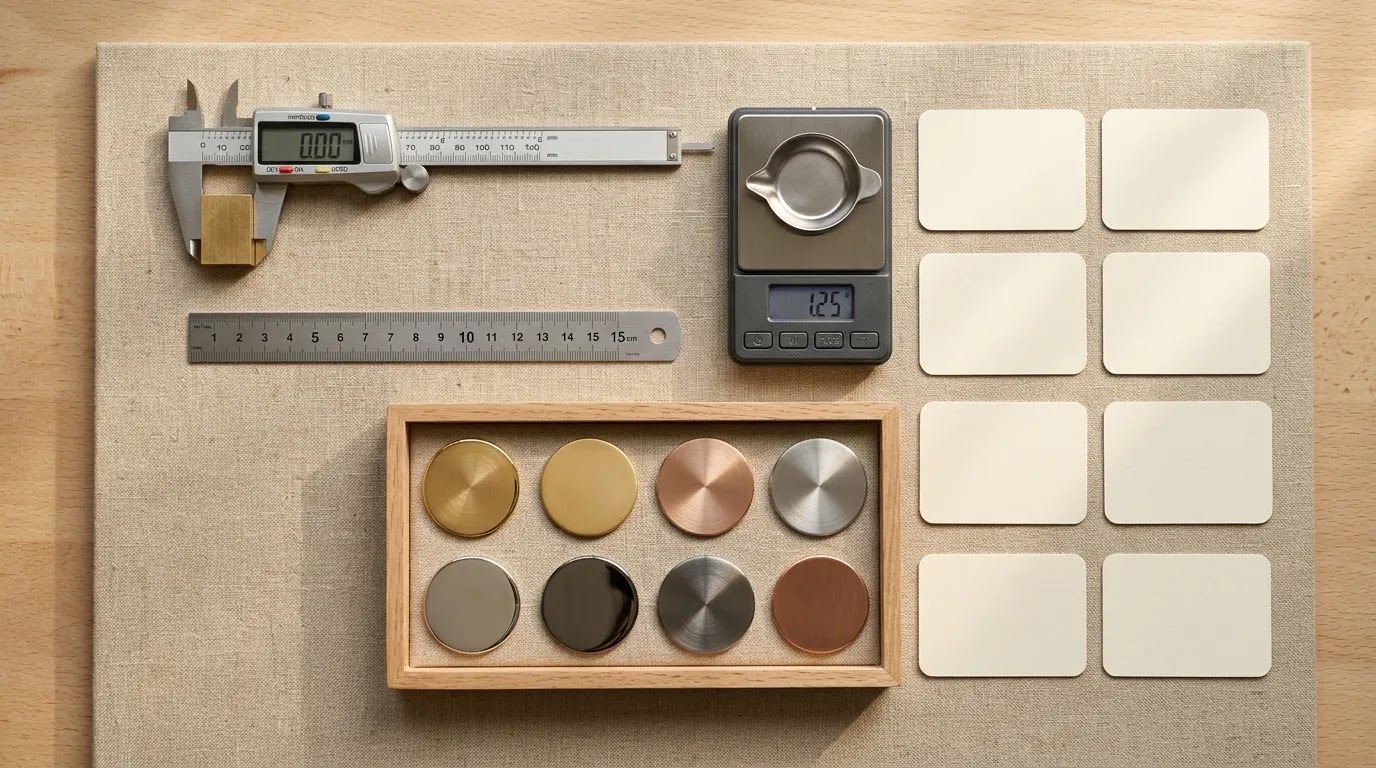
General chain style names are useful starting points, but they are not complete production specifications. Suppliers may describe chains with the same style name, yet those chains can differ in width, link density, flexibility, profile, and the visual weight they create in a finished piece. Your team should evaluate the actual approved chain rather than assuming that a familiar name will produce the same result across suppliers or related variants.
Review chain scale alongside the pendant size, clasp proportions, intended finished length, and overall positioning of the product. A narrow chain may support a small pendant without competing for attention. A wider construction may become a visible feature of the design. The same chain can also appear different at bracelet length than it does in a necklace format, so test it in the finished applications planned for the collection.
For each approved variant, record the dimensions, supplier item code, visual references, and intended uses. This is especially useful where your program includes several widths of one chain style or similar constructions that need separate pendant, clasp, or extender rules. Clear records help the design, purchasing, and assembly teams select the correct chain without relying on a general visual description.
Wholesale Silver Chain Quote Tiers and What They Cover
Bulk chain quotes vary because the product, quantity, level of customization, packaging, and order preparation can vary. Rather than treating price as a single number, evaluate what the quote actually includes and what additional work your business will need to perform after delivery.
Budget tier
A budget-oriented bulk chain quote may focus on a standard specification, basic packaging, limited customization, and fewer service elements. This route may fit early prototyping or simple assembly programs if the chain meets your documented requirements. Confirm exactly how it is measured, packaged, and identified before using it in customer-facing products.
Mid-range tier
A mid-range quote may include more detailed specification alignment, better organization for production use, sample-based approval, or defined options for finished lengths and compatible components. This can be appropriate for a growing brand that needs more control over repeatability and inventory planning.
Premium tier
A premium quote may reflect a more involved development process, specialized construction requirements, custom design integration, enhanced packaging preparation, or production coordination across a collection. It may be suitable for brands where the chain is a visible part of the design identity rather than a background component.
Do not compare tiers only by the quote total. Ask which costs are tied to development, sampling, packaging, assembly, shipping preparation, or future reorder support. Royi Sal Jewelry can discuss how chain requirements fit within a custom jewelry manufacturing project, including the practical specifications needed for a collection-level conversation.
How Suppliers Measure, Sell, and Prepare Wholesale Silver Chain
Suppliers may quote bulk chain by length, weight, continuous roll, coil, bundle, or pre-cut format. These descriptions are not interchangeable. A length-based quote may be easier to connect with a cutting plan, while a weight-based quote may require additional confirmation of expected usable length. Continuous rolls can support efficient cutting for repeated finished sizes. Coils, bundles, and pre-cut pieces may simplify receiving or assembly for a defined production program.
The supply format affects more than purchasing records. It can influence usable yield, receiving checks, assembly labor, storage requirements, and how accurately your team compares one quote with another. Several shorter coils, for example, may produce different offcut patterns than one continuous length of the same total quantity. Your comparison sheet should state both the total quantity and the format your supplier will deliver.
| Bulk chain supply format | Production consideration already stated |
|---|---|
| Length-based quote | May be easier to connect with a cutting plan. |
| Weight-based quote | May require additional confirmation of expected usable length. |
| Continuous roll | Can support efficient cutting for repeated finished sizes. |
| Coils, bundles, or pre-cut pieces | May simplify receiving or assembly for a defined production program. |
Confirm whether the quoted quantity includes preparation work such as cutting, labeling, separating chain by finished size, or order-specific packaging. These details may affect the work required after delivery, so agree on them before production begins. The receiving team should also know how to verify the quantity supplied, whether by stated length, package count, weight, or another documented method.
How to Compare Supplier Quotes Accurately

Place competing quotes into the same comparison sheet before making a decision. A lower figure may reflect a different construction, shorter usable length, alternate packaging method, or fewer included production steps. If the supplier descriptions do not match, the quotes are not directly comparable.
- Supplier item code and chain description
- Bulk length supplied and measurement method
- Dimensions and approved sample reference
- Packaging format and package labeling
- Compatibility with your selected components
- Sampling, production, and shipping terms
- Procedure for future reorders or specification changes
Brands developing pendant collections should also determine whether the chain needs to coordinate with other categories. If stones are central to your assortment, wholesale gemstone jewelry can provide useful context for planning chain-to-pendant balance at the collection level.
For a wider view of product positioning and assortment planning, explore silver jewelry. The objective is not to choose the most elaborate option. It is to choose a specification that supports your intended product, operational capacity, and reorder plan.
Planning a Core Chain Assortment for a Growing Collection
A small group of approved core chain specifications can support multiple products if the component relationships are planned in advance. One chain may be suitable for several pendant sizes, while related specifications can serve necklace, bracelet, and extender applications. This approach can give a growing collection a consistent visual direction while making purchasing, receiving, and reorder records easier to manage.
Each additional chain variant can create more design flexibility, but it also increases the number of components, samples, storage locations, receiving checks, and reorder records your team must control. Before adding a new style or width, determine whether an existing approved chain can meet the product requirement without compromising the intended proportions or assembly method.
Review component compatibility, inventory turnover, and reorder records before expanding the assortment. A chain that moves reliably across several finished SKUs may justify continued stock planning. A rarely used variant may add complexity without supporting a meaningful part of the collection. This review helps a business develop a chain program that can remain manageable as new products are introduced.
Common Bulk Chain Sourcing Mistakes
- Approving a bulk chain from a photo without handling a sample or testing it with intended components.
- Ordering by nominal length without calculating clasp allowances, extender sections, test cuts, and offcuts.
- Using general terms such as “fine chain” or “premium chain” instead of dimensions and reference codes.
- Combining chain from different deliveries without preserving supplier identification and receipt records.
- Choosing a chain before confirming pendant bail openings, clasp connections, and assembly methods.
- Assuming a first delivery can be reordered identically without an approved specification and change-control conversation.
These mistakes are often preventable through a short development phase. A sample review may feel slower than placing an immediate bulk order, yet it can reveal operational issues while changes are still manageable.
Buying Checklist Before Placing a Bulk Chain Order

Before you approve a wholesale silver chain purchase, confirm the following points with your supplier and internal team:
- The exact chain construction, supplier reference code, and approved sample.
- The intended finished products, including necklace lengths, bracelet lengths, pendants, and extenders.
- The usable-length calculation and how your business will handle offcuts.
- The selected clasp, connector, and pendant compatibility tests.
- The bulk packaging format, labeling method, and receiving procedure.
- The inspection criteria your team will apply upon delivery.
- The record your team will retain for reorders, including images and specifications.
- The supplier’s process for communicating changes before a repeat order is produced.
Frequently Asked Questions
What does buying wholesale silver chain by the foot mean for a jewelry business?
Buying chain by the foot generally means purchasing bulk lengths that your business or manufacturing partner can cut and finish for specific products. This can give you flexibility to create several finished necklace lengths from one approved chain specification. It also shifts more responsibility to your team, including measuring, cutting, attaching components, quality checking, and tracking inventory. Before ordering, establish whether the supplier provides continuous lengths, pre-measured sections, or packaged coils. Each format affects receiving, storage, and assembly planning.
Where can a jewelry business buy wholesale silver chain for production use?
A jewelry business can source wholesale silver chain through a supplier or manufacturing partner that can provide clear specifications, samples, packaging information, and reorder identification. The right source depends on whether your team needs bulk chain only, pre-cut chain for assembly, or support developing finished products within a larger collection. Before committing to a supplier, request an item code, visual references, dimensions, supply format, and a sample that can be tested with your intended components.
How much should a real silver chain cost when purchased in bulk?
Bulk chain cost varies according to the approved specification, quantity, measurement method, packaging format, required preparation, and level of customization. A useful quote comparison should identify what is included rather than focusing only on the total figure. Ask whether the price relates to length, weight, pre-cut pieces, coils, or another supply format. Also confirm whether sampling, labeling, cutting, or packaging preparation is included. This gives your business a more accurate view of the work and usable inventory represented by the quote.
Where can a brand source bulk chains for jewelry making?
Brands can source bulk chains from component suppliers or manufacturing partners that work with business clients and can support the intended production workflow. Your sourcing brief should explain the planned products, finished lengths, component requirements, preferred supply format, estimated quantity, and reorder needs. If the chain forms part of a custom collection, a manufacturing partner may also help evaluate how the chain works with pendants, clasps, extenders, and packaging before the project moves into production planning.
Is chain sold by the foot or by weight better for a jewelry production program?
Neither method is automatically better. Chain sold by length may be easier to use for cutting maps and finished-size planning, while weight-based purchasing may suit a supplier’s standard quoting method or a particular production arrangement. The useful comparison is the quantity your team can verify and convert into finished products after allowing for closures, test cuts, offcuts, and rejects. Confirm the measurement method, supply format, and receiving procedure so that your purchasing and assembly records remain consistent.
How should I calculate the amount of bulk chain needed?
Start with your planned finished lengths and expected sales mix. Then add the chain required for closure connections, extender sections, test pieces, and reasonable production waste. A necklace program with several sizes should have a cutting map that shows how long lengths will be converted into finished SKUs. Your calculation should also account for samples and quality-control rejects. Ask the supplier how bulk chain is measured and whether the stated amount represents continuous usable chain or separately packed lengths. Record the method so future orders can be compared consistently.
Should I request a sample before ordering wholesale silver chains?
Yes, a sample is usually a prudent step, particularly if the chain will carry pendants, represent a visible design feature, or be used across several finished products. Review the sample with the actual components planned for production, including clasps, connectors, and pendants. Test how it hangs, moves, cuts, and assembles. Document the approved version with photographs, dimensions, and a supplier reference code. A sample does not remove every production variable, but it gives both you and the supplier a shared reference for the chain you intend to purchase.
What should a bulk chain specification include?
A useful specification identifies the chain in enough detail that it can be reviewed again on a later reorder. Include the supplier item code, visual reference images, intended use, dimensions, bulk packaging format, measurement method, and compatible components. Add notes about finished lengths, clasp placement, and any handling requirements relevant to your assembly process. Your team may also include receiving criteria, such as label verification, visual comparison against the approved sample, and component-fit checks. Avoid depending only on a chain style name because supplier terminology can vary.
How can I prevent mix-ups between similar chain types in inventory?
Give each approved chain specification an internal SKU or controlled reference name, then preserve the supplier’s item code alongside it. Store each delivery in its original labeled package whenever possible, and keep receiving records that show delivery date, quantity, and purchase order. Separate similar-looking chain types physically in storage. During assembly, require staff to pull chain using the internal SKU rather than a visual description. This process becomes more valuable as your collection grows, because a small chain substitution can alter the appearance and component fit of multiple finished products.
How do minimum order quantities affect a bulk chain purchase?
Minimum order quantities may depend on the chain specification, supplier production process, packaging format, customization level, and current availability. A minimum for an existing bulk chain may differ from a minimum for a custom-developed chain or a finished private label necklace. Rather than treating MOQ as a single barrier, ask how it relates to your selected specification and whether sampling is handled separately. Plan your initial quantity around realistic assembly capacity, projected demand, and available storage. Confirm current requirements directly before committing your purchasing budget.
What quality checks should my team perform when bulk chain arrives?
Receiving checks should compare delivered chain with your approved sample and written specification. Verify package labels, supplier reference codes, stated length, and number of coils or bundles first. Then inspect a representative portion for visible uniformity, flexibility, link condition, and compatibility with your chosen clasp and pendant components. Retain photos and written notes if you identify a discrepancy before the chain enters production. Your exact inspection process should match the role the chain plays in your collection. A centerpiece chain may need more detailed review than a simple internal extender component.
Can a manufacturer help develop a chain-based private label collection?
Yes, a manufacturing partner may help you translate a chain concept into a production brief that covers finished lengths, component relationships, sampling, and quality expectations. The strongest starting point is a concise collection brief with sketches or references, target products, intended customer position, and operational priorities. Royi Sal Jewelry supports custom design and manufacturing discussions for business clients building jewelry collections. A team can examine how a bulk chain requirement relates to the wider product design. Final scope, production approach, and availability should always be discussed for the specific project.
How should I prepare for repeat orders of sterling silver chain wholesale?
Prepare a reorder file immediately after the first approved delivery rather than relying on memory later. Keep the supplier item code, your internal SKU, approved sample photos, dimensions, packaging details, quantity received, assembly notes, and any quality observations. Before placing a new order, send the record to the supplier and ask them to confirm that the same specification remains available. If anything has changed, request clarification and evaluate a new sample if needed. This discipline helps your team protect product consistency as volume and SKU count increase.
Key Takeaways
- Wholesale silver chain by the foot works best when it supports a documented assembly and inventory process.
- Samples, measurements, supplier codes, and component-fit testing are more useful than broad style descriptions.
- Bulk length does not always equal usable production length, so plan cuts, closures, and offcuts in advance.
- Packaging and traceability influence how efficiently your team can receive, store, and assemble chain inventory.
- A repeat-order record protects your collection from avoidable chain substitutions and specification drift.
Conclusion
Bulk chain sourcing can give a jewelry business meaningful control over finished lengths, pendant programs, and assortment planning. That control only delivers value when your chain specification is clear enough for purchasing, receiving, assembly, and reordering teams to use consistently. The strongest buying decision is usually based on a physical sample, an honest view of your operational capacity, and a quote comparison that accounts for packaging, usable length, and future repeatability.
Start by documenting one core chain requirement and testing it with the components that will appear in your finished collection. If your business is developing a custom chain-based program or needs support connecting design decisions to production planning, contact Royi Sal Jewelry to discuss your collection requirements and manufacturing approach.