3D Jewelry Design Jobs: Complete Guide for 2026
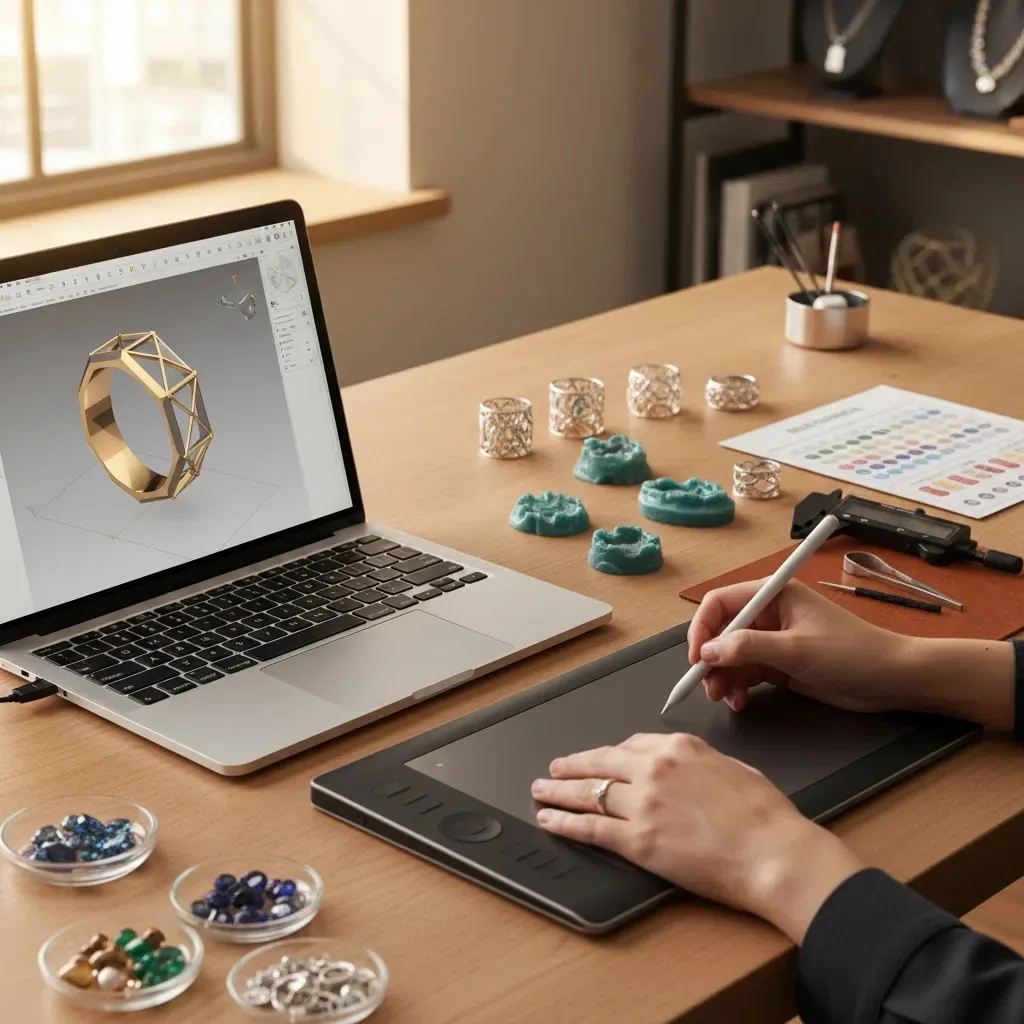
What 3D Jewelry Design Jobs Actually Are
At a basic level, 3d jewelry design jobs focus on creating digital models of jewelry pieces that can be reviewed, revised, sampled, and prepared for production. In practice, the role may include concept interpretation, CAD development, file refinement, and collaboration with production teams.
Think of it this way, a designer may receive a mood board, hand sketch, product reference, or verbal concept from a founder. Their job is to turn that direction into a detailed digital form that makes sense visually and structurally. That model then supports internal review, client approval, and in many cases the next manufacturing steps.
What many jewelry brands overlook is that digital design for jewelry is not the same as general 3D design. Jewelry pieces are small, detail-sensitive, and tied closely to wearability, balance, and manufacturability. A ring, pendant, or earring concept might look impressive in a rendering but still require major adjustments before it is practical for sampling.
That is why roles related to 3d modeling jewelry jobs often demand more than software fluency alone. Employers and B2B clients usually need designers who understand how digital files affect the rest of the development chain.
Where These Roles Fit in the Jewelry Business
3D design roles can sit inside a jewelry brand, a design studio, or a manufacturing environment. Each setting changes the designer’s day-to-day work.
Inside a brand, the designer may work closely with founders, merchandisers, and marketing teams. The focus is often collection development, seasonal drops, and visual consistency. In a manufacturing setting, the work usually becomes more technical. Files need to support sampling, revisions, and production coordination across teams.
Now, when it comes to custom development, these roles are especially valuable because they reduce friction between creative ideas and production execution. A well-prepared CAD file can help a business clarify dimensions, identify design risks early, and shorten feedback loops.
This is one reason many B2B businesses spend time learning about 3D Jewelry Design Services before they commit to a collection launch. They want to understand how digital design supports approvals, communication, and manufacturing readiness.
Royi Sal Jewelry operates in this broader B2B space, helping brands move from concept to custom jewelry design and manufacturing through a collaborative process. For business owners, that kind of partnership matters because digital design decisions often shape what happens in sampling, production planning, and fulfillment.
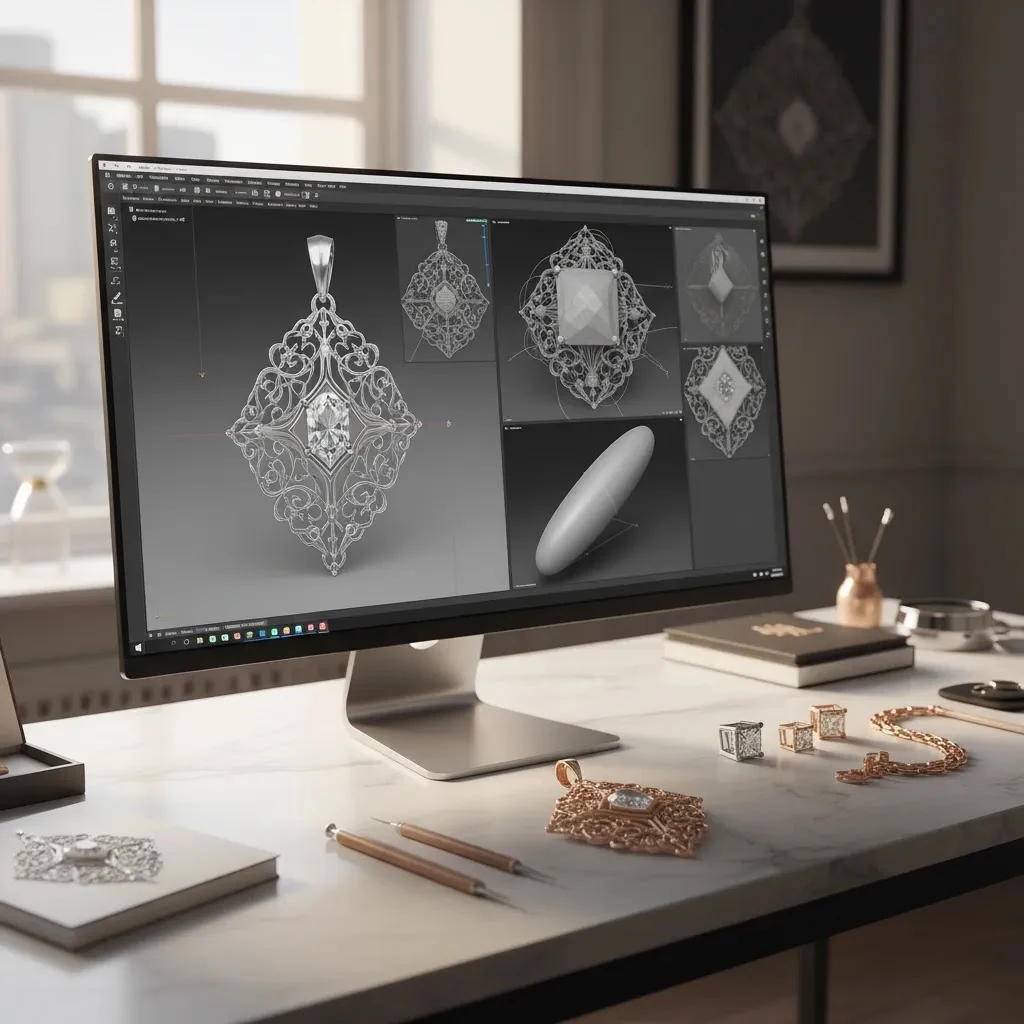
Skills That Separate Entry-Level From Production-Ready Designers
Software knowledge matters, but it is not enough
Most people entering 3d jewelry design focus first on tools. That makes sense, because software is part of the job. Still, employers hiring for 3d cad jewelry design jobs often care just as much about how you think as how you model.
A strong designer usually needs to understand:
- How to interpret a brand brief
- How to convert sketches or references into clean digital forms
- How to revise files based on business feedback
- How to communicate with product development or manufacturing teams
- How to spot issues before sampling begins
Production awareness is a major differentiator
Here’s the thing, many junior designers can create attractive renderings. Fewer can build models with production in mind. That gap becomes obvious when a design reaches the sampling stage and requires repeated corrections.
From a production standpoint, valuable designers tend to ask practical questions early. Is the concept suited to repeated manufacturing? Does the brand need multiple size variations? Will revisions be easy to implement across a collection? These are the kinds of concerns that turn a digital designer into a dependable business asset.
If you want a closer look at this specialized path, the article on 3d cad jewelry design jobs offers a more focused view of technical expectations.
How 3D Jewelry Design Files Move Into Sampling and Production
For jewelry brands, “production-ready” is not a generic compliment. It is a practical standard that determines whether a CAD file can move into sampling without avoidable back-and-forth. A model can be visually correct and still create sampling issues if critical details are unclear, inconsistent, or difficult to execute.
What experienced buyers know is that the handoff matters as much as the modeling. A clean file transfer typically includes the model itself, but also enough supporting information for a manufacturer to interpret intent and confirm scale. In many workflows, that includes common export formats alongside notes on key dimensions, how parts are meant to assemble, and which elements are expected to remain unchanged through revisions.
Consider this, sampling is often where assumptions get exposed. The designer may assume a detail can be built at a certain thickness, while the manufacturer may flag it as fragile, difficult to finish, or inconsistent across sizes. A manufacturability check before sampling can prevent those conflicts. In practice, that check is less about limiting creativity and more about validating that the model matches your operational goals, including repeatability and consistent specs across a collection.
If you are approving CAD for a brand project, a few questions can save time later:
- Has the model been checked for correct scale, and are key measurements documented in a way the manufacturing team can verify?
- Which features are sensitive to small changes, and which areas can be adjusted if the sampling team needs to improve stability or assembly?
- If the piece has multiple components, is the assembly logic clear, and are parts named or organized so revisions do not break the structure?
- How will revisions be tracked, and how many revision rounds are expected before the file is approved for sampling?
- Are there any tolerances, fit considerations, or functional clearances that should be confirmed before a prototype is made?
The reality is that this is where a collaborative design and manufacturing partner adds value. When the same team is thinking about design intent and production implications, the workflow tends to move faster because fewer decisions are left to guesswork. For brands, the goal is not perfection on the first file. The goal is a file that invites productive feedback and can be iterated without losing control of the design.
Common Job Titles and Career Paths
The market uses several overlapping titles, and that can confuse both applicants and hiring managers. One company may advertise for a CAD designer while another uses 3D modeler, digital jewelry designer, or product development designer for nearly the same work.
Common titles include:
- 3D jewelry designer
- Jewelry CAD designer
- 3D modeler for jewelry
- Digital product designer for jewelry collections
- CAD technician in a jewelry manufacturing team
Career paths can also vary. Some professionals begin with general design training and then specialize in jewelry. Others start in bench jewelry environments and move into digital tools later. Some designers work freelance for multiple brands, while others join manufacturing partners that support many private label clients at once.
Consider this, if you work with several brands, you may gain broad exposure to style directions and revision workflows. If you work closely with one manufacturer, you may build stronger technical judgment tied to production realities. Neither path is automatically better. It depends on whether you want to lean more creative, more technical, or more operational over time.
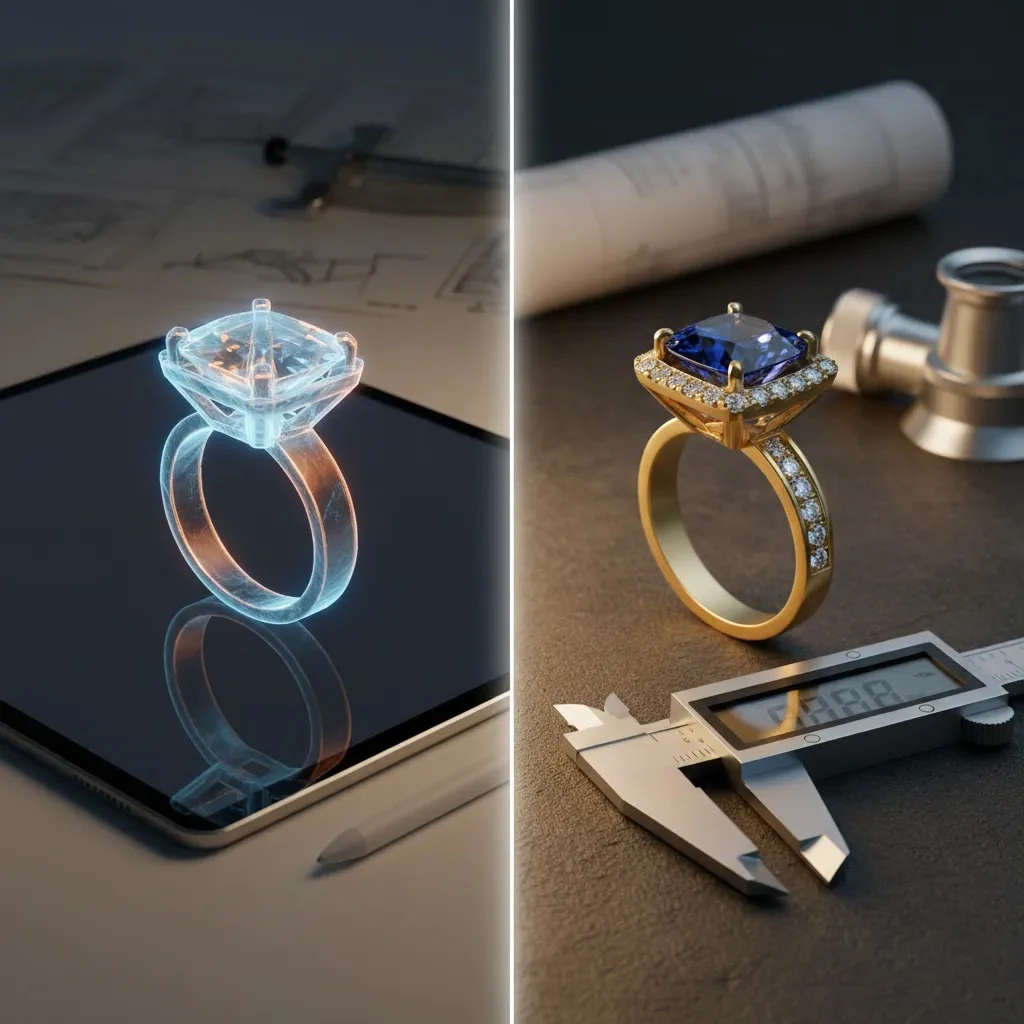
3D Jewelry Design Software: What Hiring Managers Actually Mean When They List Tools
Job listings for 3d jewelry design jobs often name specific tools. That can make it feel like the software is the job. In reality, tool requirements often reflect internal workflow, file standards, and what the rest of the team can open and review. A brand with an established pipeline may need compatibility. A smaller business may just need someone who can deliver clean models and communicate revisions clearly.
Think of it this way, employers may list a tool because that is what their current designer uses, not because every design problem requires that platform. What matters to hiring managers is usually whether your workflow transfers. Can you follow naming standards, maintain consistent model organization, and hand off files in a way that does not create confusion for production or product development?
From a brand perspective, you should look beyond the software name and ask how the designer works. Do they keep files tidy and editable, or do they deliver one-off models that are hard to iterate? Can they explain how they handle size variations and repeated design elements across a collection? Do they document changes so your team can track what was updated and why?
Portfolio presentation is part of this conversation. Renderings can help non-technical stakeholders understand a concept, but they should not hide modeling weaknesses. A strong portfolio usually makes it easy to evaluate both: the visual outcome and the underlying discipline. Clear screenshots of the model, logical organization, and examples of practical edits often reveal more about job readiness than polished images alone.
What Employers and Manufacturing Partners Look For
Hiring for 3d jewelry design jobs usually comes down to a mix of technical ability, communication, and reliability. Business owners do not only need beautiful files. They need a designer who can move projects forward without creating confusion.
The reality is that most brands and manufacturers look for five things:
- Clear interpretation of briefs
- Consistent file quality
- Ability to revise without losing the original design intent
- Awareness of development timelines
- Comfort working with cross-functional teams
If you are hiring, ask candidates how they manage incomplete briefs, conflicting feedback, or a request that may not translate cleanly into production. Their answer will often tell you more than a polished rendering ever could.
If you are a designer, speak the language of business outcomes. Explain how your workflow helps reduce revisions, clarify design intent, or support a smoother handoff to manufacturing. That is especially relevant for brands exploring bespoke jewelry design and manufacturing for brands, where digital development and production planning need to stay aligned.
Royi Sal Jewelry is a useful example of how this alignment works in a B2B setting. Because the company focuses on collaborative design and manufacturing for business clients, the quality of digital communication can have a direct effect on how efficiently a collection moves from concept to finished piece.
Remote and Freelance 3D Jewelry Design Jobs: How Brands Manage Collaboration
Remote and freelance work is common in digital jewelry design, but brands need structure if they want it to run smoothly. A distributed workflow can be efficient, but only if briefing, feedback, and file handling are treated as part of the job, not informal side tasks.
In practice, the most effective collaborations start with a clear briefing document. That can include reference images, target dimensions, functional requirements, and an approval plan. It also helps to set expectations for feedback cadence. For example, when will you review previews, when will you approve final CAD, and who has authority to request changes? Without that clarity, remote projects often stall because designers receive piecemeal notes from too many directions.
Version control becomes more important when you are not in the same room. Brands often benefit from agreeing on simple rules: how files will be named, how revisions will be logged, and what counts as an approved version. What many brand owners overlook is that unclear versioning can create real production risk. A manufacturer could sample the wrong file if approvals and updates are not tracked carefully.
There is also a business protection layer to manage. Confidentiality and design ownership expectations should be clarified early, especially when multiple freelancers are involved. Brands should also avoid building a collection around “final-only” files that cannot be adjusted. If a design needs to be iterated for sampling feedback or expanded into variations later, you want source files and a repeatable workflow, not a one-time output that is difficult to edit.
If you are running remote CAD support through a manufacturing partner, alignment tends to be easier because design decisions can be checked against production reality in the same workflow. That is often where a partner mindset matters most: you are not only buying files, you are building a process that can support sampling, revisions, and repeatable manufacturing over time.
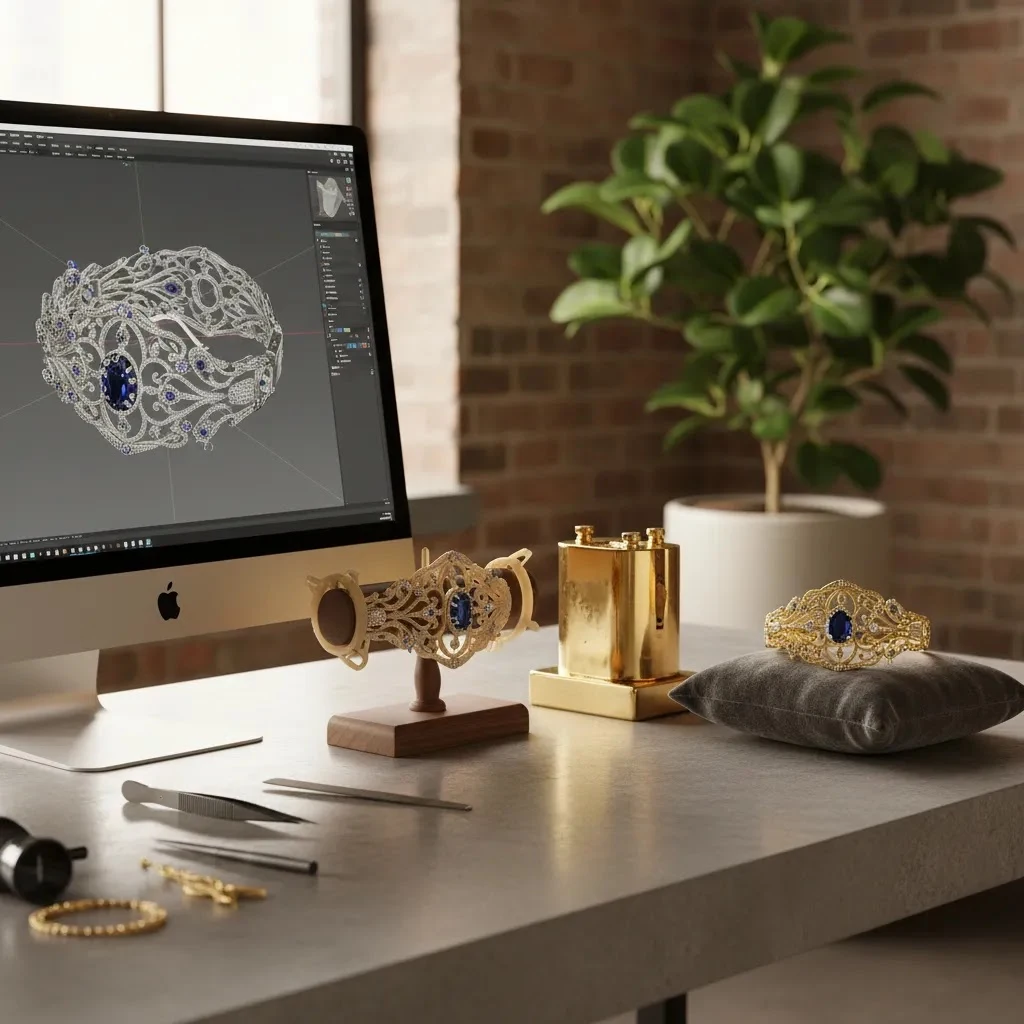
How to Build a Portfolio That Gets Attention
A good portfolio for 3d jewelry design jobs should show more than style. It should show process, judgment, and adaptability.
Many hiring managers want to see how you solve problems, not only what your final render looks like. If possible, include examples that show the original brief, your digital development process, and the reasoning behind important design choices. This helps employers understand how you think in real working conditions.
Your portfolio should ideally demonstrate:
- Different product types or design directions
- Ability to work from rough concepts or sketches
- Revision handling and version control
- Visual presentation that is clear for non-technical stakeholders
- Evidence that you understand a professional design-to-production workflow
What many jewelry brands overlook is that a portfolio should speak to business usefulness. If you can show that your work supports custom jewelry design, brand consistency, and efficient approvals, you become more attractive to both employers and manufacturing partners.
It also helps to stay informed about broader Jewelry Design topics so your portfolio reflects not just software ability, but awareness of collection strategy and commercial context.
How the Role Is Changing With Brand Needs
3D jewelry design jobs are evolving because jewelry businesses are asking more from digital teams. A few years ago, many companies viewed CAD primarily as a technical support function. Now, digital design often influences product planning, communication speed, and launch readiness.
In practice, this means designers may need to work across more stages of development. You might support concept testing, create presentation assets for internal approvals, revise designs based on manufacturing feedback, and adapt files for collection expansion.
Brands are also paying closer attention to trend timing. If your collection direction is shaped by fast-moving market demand, designers need to balance originality with practical workflow. Studying resources such as jewelry trends to watch in 2025 can help digital designers understand the commercial environment they are designing for.
That said, trend awareness should not replace technical discipline. The strongest professionals usually combine both. They understand visual direction, but they also know how to support a dependable development process.
For brands that outsource design and production support, a partner like Royi Sal Jewelry may offer useful perspective because the company works at the intersection of design consultation, manufacturing coordination, and global B2B fulfillment. If you are building a collection and want to understand how digital design fits into a larger workflow, exploring that kind of model can be a practical next step.
Frequently Asked Questions
What do 3d jewelry design jobs usually involve day to day?
Most 3d jewelry design jobs involve turning design ideas into workable digital models. On a typical day, that may include reviewing briefs, building or refining CAD files, preparing visual presentations, responding to revision notes, and coordinating with product development or manufacturing teams. In some businesses, the role is more concept-driven. In others, it is closely tied to sampling and production readiness. The exact mix depends on whether the designer works for a brand, an independent studio, or a manufacturing partner serving wholesale and private label clients.
Do you need bench jewelry experience to work in 3D jewelry design?
Not always, but it can help. Some designers enter the field through digital design training and develop production knowledge on the job. Others start with hands-on jewelry experience and then move into CAD work. Employers often value candidates who understand how jewelry is developed beyond the screen, because that awareness can reduce revision issues later. If you do not have bench experience, focus on showing that you understand design intent, technical constraints, and the communication needed to move a concept toward sampling and manufacturing.
Are 3d jewellery designer jobs more creative or more technical?
They are usually both, although the balance changes by employer. A brand-focused role may lean more toward collection aesthetics, concept interpretation, and presentation. A manufacturing-based role may lean more toward accuracy, revisions, and production alignment. The strongest candidates can operate in both modes. They understand design language, but they also know how to build files that support practical next steps. For B2B businesses, that balance matters because an attractive concept still needs to survive approvals, sampling, and broader production planning.
What software is expected for 3d cad jewelry design jobs?
The software expectation varies by company, so it is best not to assume there is one required platform for every job. What matters most is whether you can build accurate jewelry models efficiently and communicate your work clearly. Employers may also care about your ability to adapt to their internal workflow, file standards, and revision process. If you are applying for roles, study the job posting closely and tailor your portfolio to demonstrate transferable digital skills. A strong understanding of professional 3d jewelry design software workflows often matters more than brand loyalty to one tool.
How can a jewelry brand evaluate whether a designer is production-ready?
Ask for more than polished renderings. Review how the candidate handles briefs, revisions, and technical communication. You can also ask them to explain a past project from concept to final file, including what changed and why. Production-ready designers usually speak clearly about design intent, problem-solving, and collaboration with other teams. They tend to ask practical questions early rather than waiting until issues appear later. For a brand, this can reduce delays and make it easier to move from design approval into a structured development workflow.
Can freelance designers support private label or wholesale jewelry businesses?
Yes, in many cases they can, especially during early concept development or for brands that do not need a full in-house design team. The key question is whether the freelancer understands B2B workflows. Private label and wholesale projects often involve repeated revisions, consistent specifications, and communication across several stakeholders. A freelancer who only focuses on visual output may struggle in that setting. A freelancer who understands custom jewelry design, business timelines, and manufacturing handoff can be very valuable for growing jewelry companies.
What is the difference between 3d modeling jewelry jobs and general CAD design work?
Jewelry-focused 3D work typically demands more sensitivity to detail, scale, and production interpretation than broader CAD roles. Small differences in form can affect aesthetics, wearability, and how smoothly a project moves into development. Jewelry designers also need to respond to brand identity, collection consistency, and presentation standards that may not apply in other industries. So while core digital modeling skills transfer, jewelry work usually requires more specialized judgment. That is why many employers look for candidates who can show focused jewelry examples rather than only general 3D design samples.
How important is trend awareness for cad jewelry design jobs?
Trend awareness matters, but it should support good design judgment rather than replace it. If you understand which shapes, themes, or styling directions are gaining traction, you can respond better to market-facing briefs. Still, employers usually want designers who can translate trends into commercially useful concepts, not simply copy what is already visible in the market. For B2B brands, the best designers connect style awareness to brand fit, collection planning, and a workable development process. That combination is more useful than trend chasing on its own.
Can 3D jewelry design roles lead into manufacturing or product development management?
Yes, that is a common growth path. Designers who gain strong technical judgment and communication skills often move into product development, sampling coordination, or design management roles. This happens because they already understand how a concept evolves through revisions and business review. Over time, they may become the person who connects design teams with manufacturers and keeps projects on track. For jewelry businesses, these hybrid professionals can be especially useful because they help align creative direction with operational execution.
How should a business owner brief a 3D jewelry designer for best results?
A good brief should include your brand direction, product purpose, visual references, target customer segment, quantity expectations if known, and any important dimensional or functional requirements. Clarity at the beginning usually reduces confusion later. It also helps to separate non-negotiable requirements from open creative areas. If you are working with a manufacturing partner, ask what level of detail they need before design development starts. Businesses that treat briefing as a strategic step often get better outcomes than those that rely on scattered feedback and informal messaging.
Are 3d jewelry design jobs remote or work from home?
Many 3d jewelry design jobs can be done remotely because the core work is digital, but the job still depends on structured collaboration. Brands typically want clear communication, reliable turnaround on revisions, and consistent file standards. If a role is tied closely to sampling and manufacturing, remote designers may also need to coordinate carefully with a production team to confirm scale, revisions, and approvals before anything moves forward.
How much do 3d jewelry design jobs pay?
Pay varies widely based on experience level, region, whether the role is full-time or freelance, and how production-focused the work is. Some positions are primarily concept and visualization, while others require strong technical judgment and repeated revision support for manufacturing. If you are hiring, it helps to define the scope clearly. If you are applying, focus on demonstrating how your workflow reduces revision cycles and supports production readiness, because that capability often influences compensation discussions.
Where can I find 3d jewelry design jobs near me?
You may find opportunities through local jewelry businesses, design studios, manufacturing partners, and professional networks. That said, many brands are open to remote support, so geography is not always the deciding factor. From a business standpoint, the more important filter is usually whether the designer can follow a clear workflow and deliver files that support sampling and production, not only whether they are nearby.
Are there 3d jewelry design jobs for beginners, and what should a beginner focus on first?
Beginner roles exist, but expectations are usually higher when the work touches production. As a beginner, focus on building clean, accurate models, learning how to interpret briefs, and practicing revision discipline. Show that you can take feedback without losing design intent, and that you understand basic design-to-production thinking, including scale accuracy and clear communication. For brands, beginners can be a good fit for supported tasks when there is a clear process for review and approval.
Key Takeaways
- 3d jewelry design jobs combine creative interpretation with technical file development that supports approvals, sampling, and production.
- Production awareness is often what separates a visually capable designer from a business-ready one.
- Brands should evaluate designers based on communication, revision handling, and workflow discipline, not just polished renderings.
- A strong portfolio should show process, problem-solving, and relevance to professional jewelry development.
- Digital jewelry design roles are becoming more strategic as brands rely on faster, clearer concept-to-production workflows.
Conclusion
3d jewelry design jobs matter because they connect brand ideas with the structured development work required to bring a collection to life. Whether you are hiring a designer, building an in-house team, or considering outside support, it helps to understand that this role is about far more than attractive visuals. It sits inside a larger business process that includes briefing, revision, sampling, manufacturing coordination, and launch planning.
If you are a designer, this field rewards both creative skill and operational awareness. If you are a jewelry business owner, knowing how to evaluate digital design talent can help you avoid miscommunication and build stronger product workflows. To explore how a custom manufacturing partnership works, visit royisal.com. You can also reach out to Royi Sal Jewelry to discuss how collaborative design and manufacturing support may fit your collection goals.