

What Sterling Silver Jewelry Design Means
Sterling silver jewelry design means developing a collection around sterling silver as the material standard from the start. Teams make decisions about form, finish, weight, wearability, and collection cohesion early. In B2B work, that matters because the material choice shapes more than appearance. It can influence prototype expectations, perceived value, and the way wholesale buyers view the line.
Many brands choose sterling silver because it offers a practical middle ground. Buyers know it well, and the market recognizes it. It also works across many categories, from everyday staples to more detailed pieces. If your team needs a baseline explainer on 925 sterling silver, that foundation helps before design approval begins.
At Royi Sal Jewelry, the team handles custom jewelry design and manufacturing through collaboration. The company supports B2B clients with custom jewelry development, wholesale production, private label manufacturing, and global fulfillment. As a result, the material choice becomes part of a larger production plan, not a separate creative decision.
925 Sterling Silver Marks, Stamps, and What “Sterling” Means in Practice
Once you choose sterling silver as the standard for a collection, the next question is practical. How will your team identify and manage that standard across prototypes, production, and reorders? In the market, many sellers use “925” as a shorthand mark for sterling silver. For a brand, that matters because it creates operational clarity. Your wholesale accounts, ecommerce customers, and internal team all need the same answer to “what is this made of?”
Sterling silver identification across production
Importantly, that answer needs to stay consistent from one batch to the next. Discuss stamp expectations during development, not after production starts. Stamping, tagging, or other identification methods can vary by product type and design constraints. As a B2B buyer, you need to confirm how the item will be identified, how the finished piece will appear in selling materials, and which documentation your team will use internally. This step helps your team avoid building care cards, product pages, or wholesale line sheets on assumptions.
Brands also benefit when they separate consumer language from internal standards. “Sterling silver” is the commercial label most markets recognize. “Fine” or “pure” silver points to a different purity direction with different use considerations. Therefore, that difference affects assortment planning. It shapes how you group SKUs, present consistency across a collection, and protect repeatability in the reorder process.
For B2B use, confirm a few basics with your manufacturing partner during the brief and sampling stage. Check how each SKU maps to a material spec in your internal system. Review how the team tracks variations when the same design comes in multiple finishes or sizes. Also approve the final description used for reorder matching. If you treat “sterling” as a controlled spec instead of a marketing phrase, you reduce avoidable confusion later.
For general guidance on jewelry marking and quality disclosure, brands can also review the FTC Guides for the Jewelry, Precious Metals, and Pewter Industries.
Core Benefits of Sterling Silver Jewelry
The main benefit of using sterling silver in jewelry design is balance. Business buyers often need a collection that feels credible, scalable, and consistent without becoming too narrow in style positioning.
- Recognizable market standard for many wholesale buyers and brand founders
- Suitable for both minimal and detail-driven product directions
- Useful for building cohesive collections across rings, chains, earrings, and necklaces
- Often easier to explain in brand and sales materials than less familiar alternatives
- Strong fit for custom development where design and manufacturing need to stay aligned
For a private label line, sterling silver can also help with assortment planning. A brand may start with a few hero items, then extend into matching categories such as sterling silver necklaces wholesale programs or chain-led products like a silver rope chain variation. In addition, some buyers compare broader wholesale silver jewelry options before narrowing the final line. That makes the material useful not only at launch, but also during line extension.
How Sterling Silver Jewelry Shapes Product Development
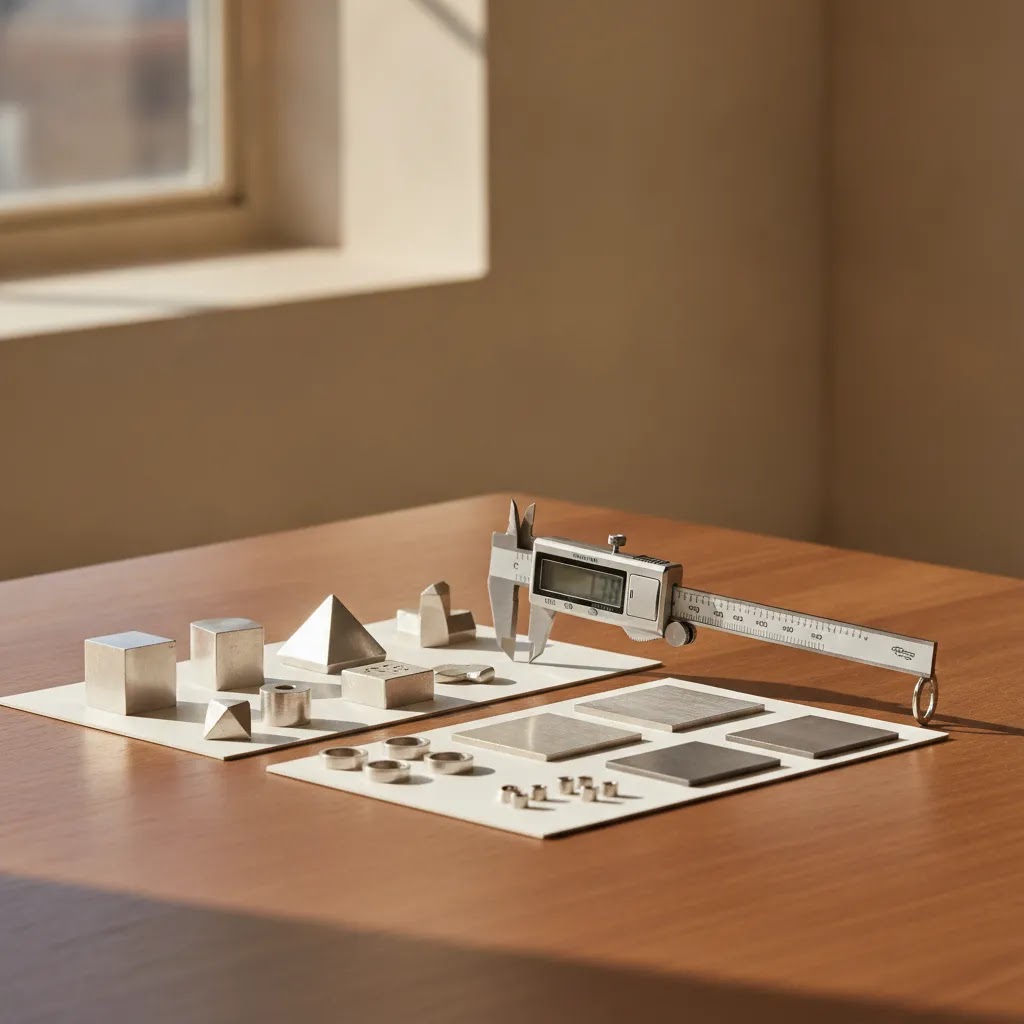
Material decisions should enter the process before sampling. Royi Sal Jewelry centers its service model on collaborative design consultation and manufacturing support. So, a sterling silver direction should appear in the initial brief, early design discussions, and production planning.
1. Design brief alignment for sterling silver jewelry
A good brief should define product category, visual direction, intended market position, and any consistency requirements across the collection. If the line needs a silver-led identity, your team should fix that early. Then everyone can judge design choices against the right standard.
2. Prototype and approval logic
During custom development, teams need to review proportions, surface detail, and wear profile. This is where digital planning can help. If your team is evaluating concept translation, 3d jewelry design is often relevant because it gives stakeholders a clearer basis for discussing revisions before production runs. You can also review how use cad technology faster jewelry prototyping for a related process view.
3. Collection consistency
Sterling silver works especially well when a brand wants a linked range rather than isolated SKUs. Matching rings, pendants, earrings, and chains usually require visual consistency. That consistency starts in development, not after launch.
Why Sterling Silver Matters for B2B Brands
For a business buyer, the value of sterling silver goes beyond proving that the material is real. The larger question is whether it helps create a commercially coherent line. That includes how easily teams can merchandise, explain, reorder, and expand the collection.
This matters most for brands that are still refining assortment strategy. A material with broad market recognition can reduce friction in sales conversations. It can also support stronger category planning across entry, mid-range, and signature pieces. Businesses comparing material directions often start with broader wholesale sterling silver jewelry strategy before narrowing into a specific collection brief.
Royi Sal Jewelry is led by Royi Gal, a jewelry designer and manufacturer. That dual perspective strengthens planning discussions because design ambition and manufacturing practicality need review together.
What Sterling Silver Is Not: Avoiding Health, “Scientific,” and Astrology Claims in Brand Positioning
As you build product education around sterling silver, you may run into a different kind of market narrative. Some content describes silver as “healing,” “antimicrobial,” or tied to spiritual or astrology outcomes. These claims may appear in customer questions, wholesale account conversations, and competitor product pages. However, the real risk for a B2B brand is not the question itself. The risk is building your positioning around claims you cannot easily substantiate, standardize, or defend.
Wholesale programs depend on consistency. If your line sheet uses one explanation, your website uses another, and your customer support team gives a third answer, confusion grows. As a result, returns or complaints become more likely. A clear policy helps. If your team cannot verify a claim and repeat it with confidence, do not present it as a product benefit.
Safer and often stronger storytelling keeps the focus on what you control. That includes clear material standards, cohesive design language, craftsmanship expectations, and styling versatility across a collection. Sterling silver already has strong market recognition. You do not need medical, scientific, or spiritual promises to make the collection compelling. A strong story can come from how the pieces layer, how the assortment is structured, and how the design details repeat across categories.
For consumer-facing care and metal education, brands may also reference general jewelry care advice from the Gemological Institute of America (GIA) when it supports existing internal guidance.
Sterling Silver vs Fine Silver Thinking
Brands often ask a simpler question than the one they actually need answered. Instead of asking only “is sterling silver real,” a better question is whether sterling silver is the right operational and design standard for the collection being built.
In practice, teams usually treat sterling silver as a commercial jewelry standard, while fine silver leads to a different material discussion with different wear and production implications. For most B2B lines, the key decision is less about abstract purity and more about fit for purpose, collection architecture, and repeat production. Questions such as is sterling silver hypoallergenic may also come up, especially if your brand needs clear product communication for wholesale partners. If your team wants a deeper material comparison, see Sterling Silver Vs Pure Silver.
| Term | How the article frames it | Why it matters for B2B brands |
|---|---|---|
| Sterling silver | A recognized jewelry material standard used widely in commercial production. | Supports clear material positioning, assortment planning, and repeatable production. |
| Fine or pure silver | A different purity direction with different use considerations. | Affects how brands compare wear, grouping, and product strategy. |
| Design brief | The document or planning outline that defines product direction, use case, and approval criteria. | Keeps design, sampling, and approvals aligned from the start. |
| Prototype development | The stage where a concept is reviewed and refined before a production run. | Helps teams evaluate detail, scale, and collection consistency before launch. |
Quick terms
- Sterling silver: A recognized jewelry material standard used widely in commercial production.
- Design brief: The document or planning outline that defines product direction, use case, and approval criteria.
- Prototype development: The stage where a concept is reviewed and refined before a production run.
Where Brands Use Sterling Silver Jewelry
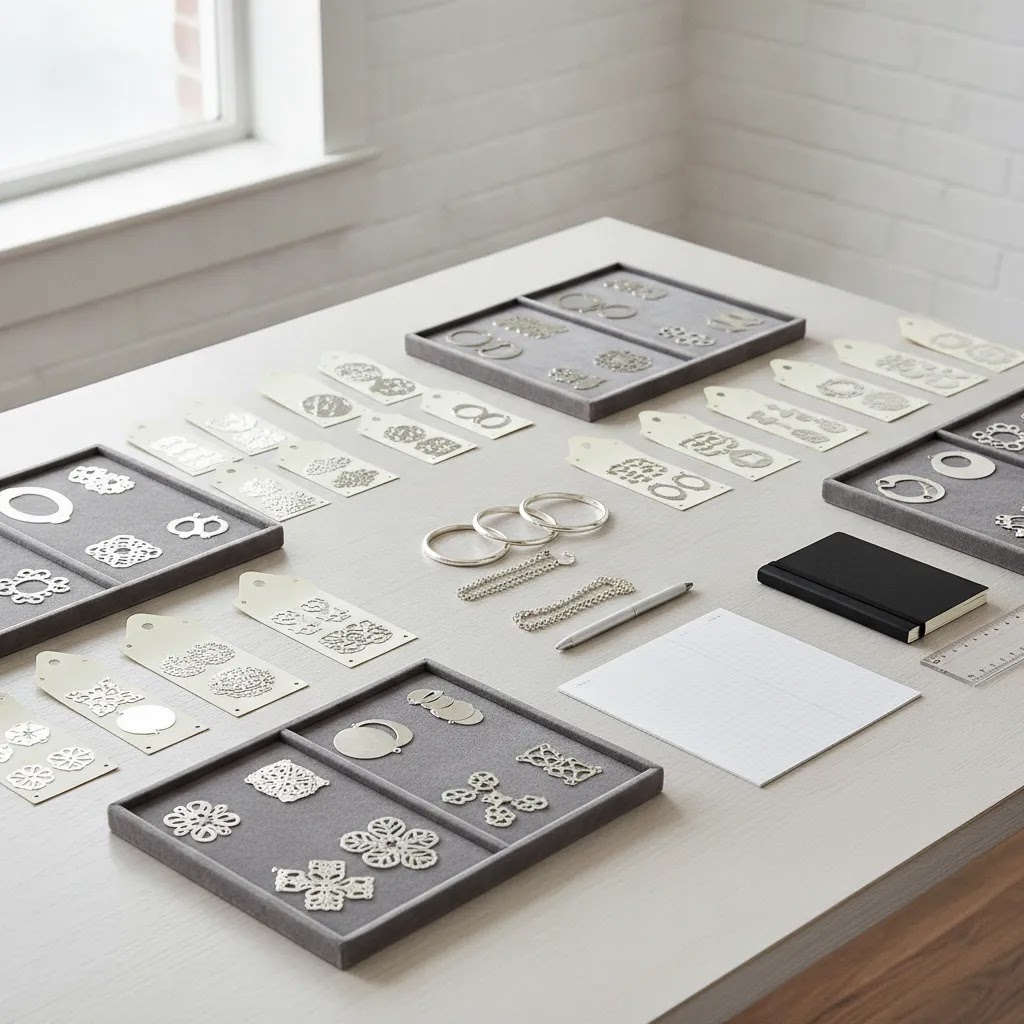
Sterling silver is often chosen for lines that need breadth. That may include core staples, matching sets, giftable programs, or category extensions under a private label brand. The appeal is simple: one material direction can support multiple visual strategies without forcing every SKU to feel identical.
Common business applications include:
- Foundational collections for new jewelry brands
- Expansion from a single hero product into a coordinated line
- Wholesale assortments that need clear material positioning
- Custom programs developed through a Jewelry Design and manufacturing partner
- Silver-focused category planning under a broader 925 Sterling Silver product strategy
Strengths and Considerations of Sterling Silver Jewelry
Strengths
- Sterling silver supports broad collection planning across multiple product categories.
- It is a familiar material reference point for many wholesale buyers and private label founders.
- It works well in custom development where design clarity and manufacturing coordination need to stay aligned.
- It can help brands build a more unified assortment rather than a disconnected set of SKUs.
- It fits Royi Sal Jewelry’s collaborative model of design consultation, production development, and global fulfillment.
Considerations
- Tarnish, care, and finish expectations still need to be discussed clearly during product planning.
- Pricing varies by project scope, design complexity, and order structure, so material choice should be reviewed in context.
- Not every design concept will suit the same silver-led assortment strategy.
- MOQ expectations may depend on the design, collection breadth, and production requirements.
Daily Wear, Care Guidance, and Customer-Facing Messaging for Wholesale Accounts
Many of the questions buyers see online are daily-wear questions, not sourcing questions. Yet wholesale brands still need to answer them because they influence returns, reviews, and support workload. The goal is not to write a long care manual for every SKU. Instead, the goal is to standardize expectations that accounts and customers can understand quickly.
Sterling silver care messaging for wholesale teams
Next, apply those expectations consistently across care cards, PDP copy, wholesale line sheets, and customer support macros. Start with language your team can repeat without overpromising. Sterling silver pieces may require basic care and sensible storage to maintain appearance over time. For most brands, this becomes a simple baseline: store pieces separately to reduce contact and abrasion, keep items dry when possible, and use gentle cleaning practices meant for jewelry rather than harsh household chemicals.
If your collection includes multiple surface treatments or finish directions, align your guidance to the most sensitive finish in the assortment. That way, your messaging does not change from SKU to SKU. Questions about tarnish should be part of normal product education. If you treat tarnish as taboo, customers and wholesale accounts may treat it as a defect. If you set expectations clearly, it becomes a manageable care topic.
That point matters even more for reorder-heavy programs. The same SKU may be purchased months apart, and buyers still expect the same guidance each time. One common customer question you may want to pre-answer is: “Can I wear sterling silver in the shower?” Many brands recommend removing jewelry before showering or swimming, since frequent exposure to water, soaps, and personal care products can affect appearance over time.
Your exact wording can stay simple and consistent. It should also match the real-world use case your brand is comfortable supporting. Ultimately, the best outcome is fewer surprises, fewer complaints, and clearer education for wholesale partners who explain your products on your behalf. For related maintenance education, brands can also point customers to 5 steps to make your sterling silver jewelry look like new.
Who This Sterling Silver Jewelry Approach Is For
This approach best suits jewelry retailers, boutique owners, fashion brands, and entrepreneurs who need a material direction that is commercially understandable and flexible enough for custom development. It is especially relevant for businesses planning a first private label line, expanding from a narrow assortment into a fuller collection, or reviewing how to organize silver-based products for wholesale sales. By contrast, it is less useful for buyers who have not yet defined the target customer, assortment role, or production priorities.
How to Get Started
Start by documenting the role sterling silver is expected to play in your line. List the categories you want to launch, the visual direction, and whether the collection needs matching pieces or future extensions. Then prepare references that show shape, scale, and brand positioning.
After that, contact Royi Sal Jewelry through royisal.com with a project brief. The company focuses on custom jewelry design, manufacturing, collaborative consultation, and global fulfillment for B2B clients. Therefore, the first conversation is less about buying a finished catalog item and more about testing whether your concept, production goals, and business model align.
During early discussions, ask about development stages, revision flow, sampling expectations, production planning, and shipping considerations. Those questions give you a stronger basis for deciding whether sterling silver is the right fit for the collection you want to build.
Frequently Asked Questions
What is the main business benefit of using sterling silver in jewelry design?
The main benefit is strategic flexibility. Sterling silver can support multiple product categories while remaining easy for wholesale accounts and brand teams to understand. That helps with assortment planning, custom development, and line extension, especially when a business wants a coherent collection rather than one-off items.
Is sterling silver a good choice for a first private label collection?
It can be, especially if your business wants a recognizable material standard and room to build matching or adjacent products. The stronger question is whether sterling silver fits your target positioning, design direction, and production goals. That should be reviewed with your manufacturing partner during the project brief stage.
Does sterling silver affect the design process itself?
Yes. Material direction can shape how a piece is planned, reviewed, and approved. It may affect collection consistency, prototype expectations, and how teams evaluate details during development. For that reason, specify sterling silver early rather than introducing it halfway through custom design work.
How does Royi Sal Jewelry approach sterling silver projects?
Royi Sal Jewelry works as a B2B custom jewelry design and manufacturing partner. The business emphasizes collaboration, with services that include custom design development, wholesale and private label production, and global fulfillment. Since the company is led by a designer and manufacturer, project discussions can address both concept and production realities.
Should brands worry about tarnish when planning sterling silver collections?
They should address it directly, but not treat it as a reason to avoid the category entirely. Tarnish, finish expectations, care guidance, and presentation standards should be reviewed during development and product planning. Clear communication matters most when a line will be sold through wholesale accounts or repeat reorder channels.
What should a business prepare before contacting a manufacturer?
Prepare a brief that covers target customer, product categories, visual references, intended collection size, and whether you want matching pieces or future extensions. It also helps to define your approval priorities, such as consistency, scale, and launch timing. That makes the first consultation more productive and commercially grounded.
Is wearing silver good for Virgo?
Some customers may ask astrology-based questions, but most B2B brands treat these as personal beliefs rather than product claims. If you choose to address it, keep your messaging neutral and avoid presenting astrology as a material benefit. For commercial clarity, it is usually better to focus on design, styling, and clear material standards.
Is wearing silver good for arthritis?
Health-related claims are not a strong foundation for product positioning because they may be difficult to verify and communicate consistently. If your customer support team gets this question, a common approach is to avoid medical statements and keep product education focused on material identification, wear guidance, and care expectations.
Can Gemini wear a silver ring?
Astrology does not change whether a sterling silver ring is appropriate. If your audience asks questions like this, you can answer in a light, neutral way without tying your product value to spiritual outcomes. Consistent messaging usually performs better across wholesale and direct channels.
Is silver good for Libra men?
This is another astrology-driven question that can come up in retail-facing conversations. If you address it, keep the answer focused on styling and merchandising, such as how a silver-led assortment can be positioned across unisex or men’s product categories, rather than implying zodiac-based effects.
Key Takeaways
- The benefits using sterling silver jewelry design are strongest when brands view the material through collection planning as well as market recognition.
- Sterling silver can help B2B brands create cohesive assortments across several product categories.
- Material choice should be fixed early in the brief so development and sampling stay aligned.
- Royi Sal Jewelry’s collaborative custom manufacturing model is suited to brands that need both design input and production support.
- Pricing, timelines, and minimum quantities should be confirmed directly for each project.
Conclusion
Sterling silver remains a strong option for B2B jewelry design because it can support commercial clarity as well as creative range. For brand owners and wholesale buyers, the real advantage is not the label alone. It is the ability to build a collection that feels consistent, expandable, and easier to present in the market. Royi Sal Jewelry approaches this through collaborative design consultation, custom development, manufacturing, and global fulfillment for business clients. If your team is evaluating a new silver-based line, the next practical step is to organize your brief and contact Royi Sal Jewelry through royisal.com to review project scope, development needs, and production fit.