Why International Appeal Requires a Design System
International demand is rarely built by producing one collection and assuming it will resonate everywhere. B2B jewelry buyers, boutique owners, and private label founders usually need a collection architecture that can travel across markets with small but meaningful adaptations. This could include adjusting proportions, editing assortment depth, refining visual themes, or changing how a collection is presented to wholesale buyers.
The core issue is not whether a design looks good. The issue is whether it communicates clearly in different commercial environments. A collection may need to feel premium without becoming inaccessible. It may need to look contemporary while staying commercially safe enough for reorder potential. Brands that understand this tend to treat jewelry design as a structured business function, not just a creative exercise.
Regional buying patterns often influence how you plan collection breadth, hero pieces, and price architecture, even if your outward brand identity remains consistent. Studying a trade ecosystem such as the bangkok jewelry market can be useful because it shows how design, sourcing, and buyer expectations often intersect in practice.
For many brands, the goal is not to create separate collections for every country. It is to create a strong central collection with enough flexibility to support multiple markets through selective variation, clearer merchandising, and disciplined product development.
Key Factors That Shape Cross-Market Appeal
1. Brand identity must stay recognizable. If your collection changes too much from one market to another, you may weaken the brand. International appeal usually comes from consistency first, then controlled adaptation. Buyers should be able to recognize your line even when the assortment is edited for a specific region.
2. Design language needs commercial range. A collection built only around statement pieces may earn attention but limit wholesale repeatability. A stronger approach often includes hero designs, core volume styles, and entry points for newer accounts. This is especially relevant if you plan to sell through a wholesale market model where buyers often assess both visual appeal and sell-through practicality.
3. Product development tools affect accuracy. If your team is working from sketches alone, cross-market scaling can become harder. Digital development methods such as 3d jewelry design may help brands review proportions, consistency, and collection cohesion before sampling begins. That does not remove the need for physical review, but it can improve early-stage clarity.
4. Positioning matters as much as style. Some markets respond to understated branding and quiet refinement. Others reward stronger visual identity or trend-led storytelling. If your target customer sits closer to the premium segment, your collection may need cues associated with high end jewelry, such as consistency, restraint, and a clearly defined point of view.
5. Design decisions must survive production realities. International success depends on repeatable manufacturing, not just attractive concepts. If designs are overly complex, difficult to standardize, or dependent on unclear specifications, scaling them across markets may become expensive and slow. This is one reason many B2B founders build closer collaboration between design and manufacturing from the start.
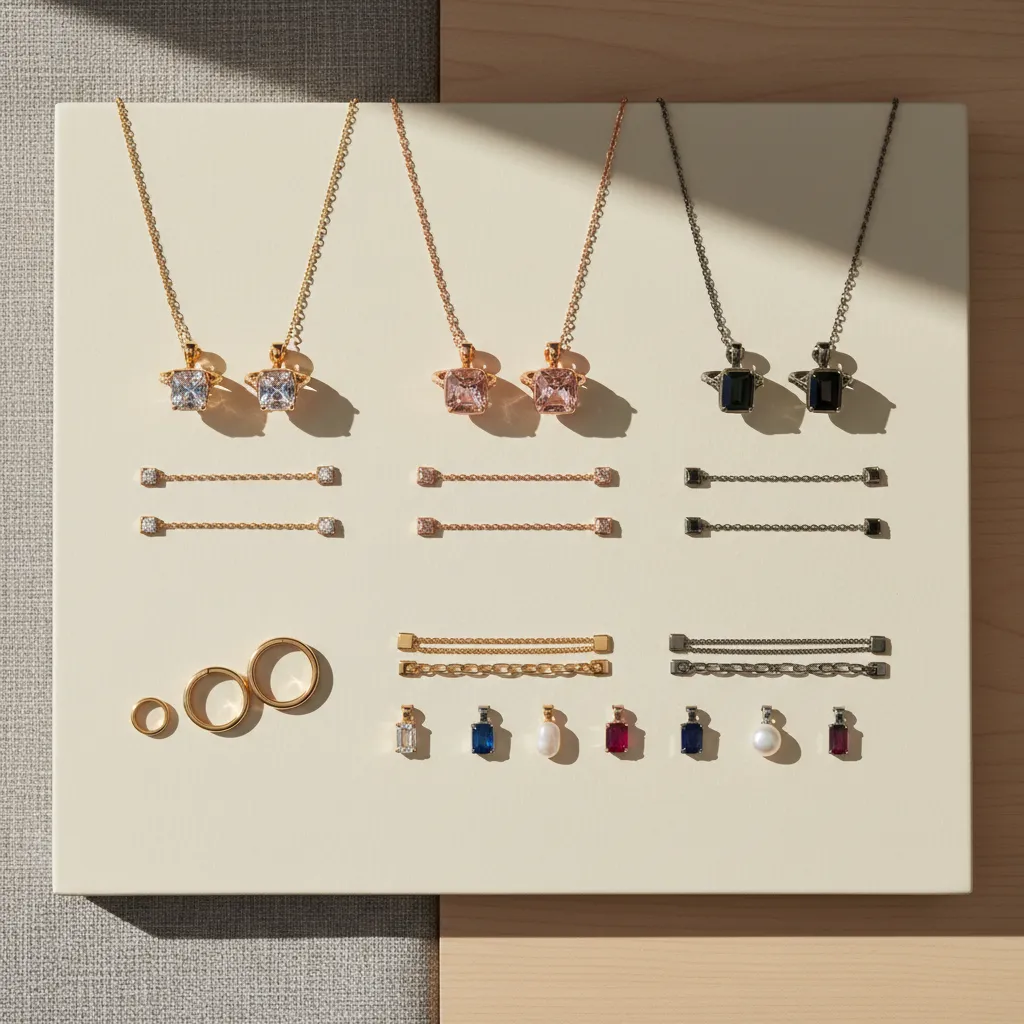
From CAD to Production: What 3D Jewelry Design Changes
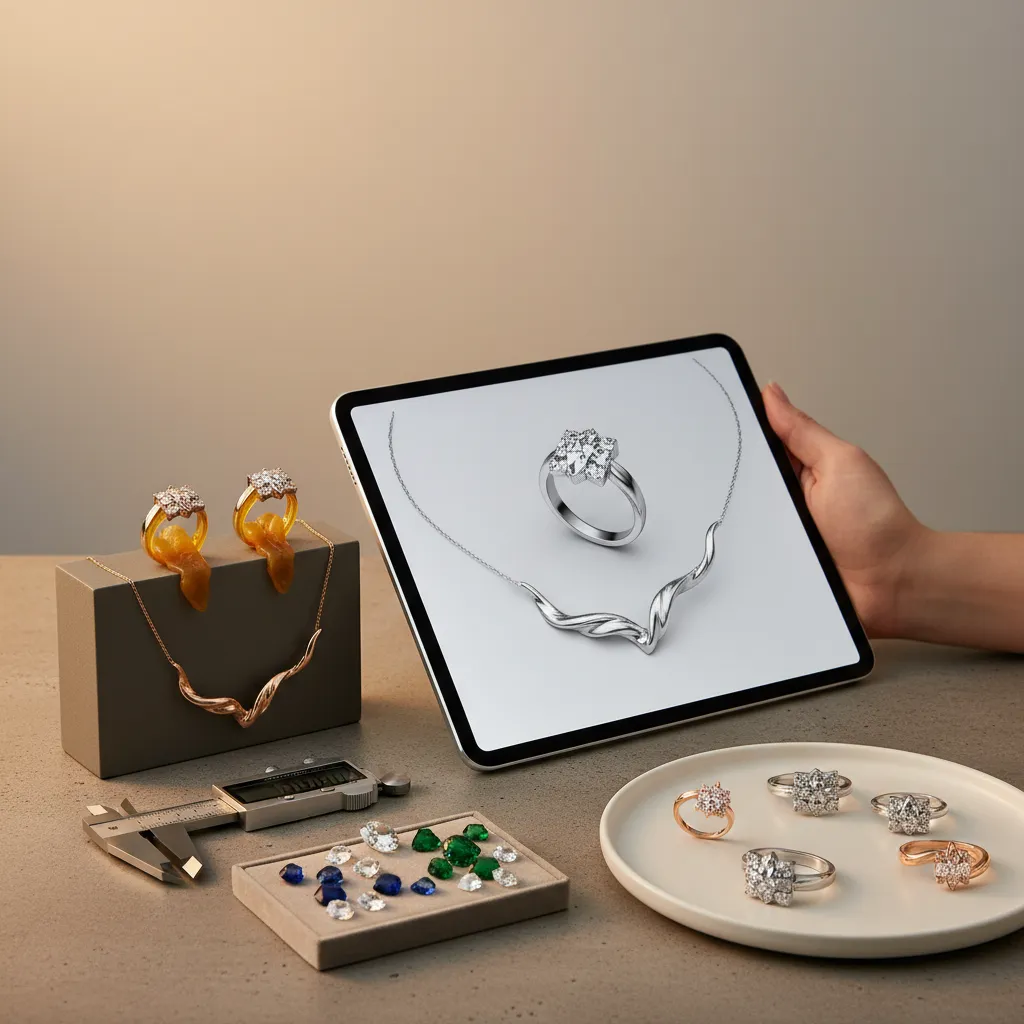
3D jewelry design is often discussed as a visualization advantage, but from a production standpoint it is more than that. CAD becomes the technical language that links creative intent to manufacturing decisions. If you plan to roll one collection across multiple markets with regional variations, that technical link is what helps you keep the line consistent while still making controlled edits.
CAD output only reduces risk if it is treated as a build plan, not just a render. Dimensions, proportions, wall thickness, connection points, and assembly logic are all decisions that typically affect how a piece can be made, how it wears, and how consistently it can be repeated. When you are adapting a design for different markets, small changes like adjusting overall scale, modifying a closure style, or creating a shorter and longer version can create downstream changes that must still work in production.
A point that often gets underestimated is that manufacturers usually need more than a single file to quote and sample reliably. In many cases, a workable package includes CAD files or export formats appropriate to the workflow, rendered views for visual confirmation, target measurements, and clear notes on what must not change. If you are developing variations for multiple regions, it also helps to treat each variation as its own controlled version, with revision notes that explain what changed and why.
In practice, brands reduce rework by building checkpoints between the digital stage and physical sampling. Before approving a first sample request, confirm that core measurements are defined, that the design has clear assembly logic, and that any areas likely to be sensitive in wear or handling have been flagged for review. During sampling, compare the physical piece against the CAD intent using the same measurement references and the same visual angles. This becomes even more important when you plan regional edits, because you want to confirm you are changing only what you intended to change, not introducing accidental variation across your assortment.
CAD can support international scaling when it is paired with tight documentation, consistent version control, and an agreement on what counts as an approved, repeatable result. Without that discipline, 3D files can still produce inconsistent outcomes, especially when multiple SKUs and market variations are moving through development at the same time.
How to Build Collections for Multiple Markets
The most reliable process usually starts with market segmentation rather than trend imitation. Instead of asking what is popular globally, ask which buyer types you are serving. A boutique in one region may want concise assortments with easy storytelling. A fashion-led retailer elsewhere may want faster seasonal updates and stronger visual differentiation.
After that, define your non-negotiables. These are the design principles that make the brand yours. They might relate to silhouette direction, styling balance, collection naming logic, or how pieces sit together as a family. Once these are fixed, you can make regional adjustments without losing identity.
Sampling and iteration also matter. Internationally viable collections are rarely perfect on the first pass. Brands often need multiple review points to assess wearability, visual weight, buyer feedback, and merchandising logic. The broader your assortment plan, the more important timing becomes. Reviewing a realistic custom jewelry timeline may help you map concept work, revisions, sample approvals, and production planning more accurately.
Technology can support this process, but it should be used with discipline. Early concept exploration through ai jewelry design may help teams generate directional ideas or mood-based variations faster. Even so, commercial readiness still depends on review, refinement, and production suitability. AI may assist ideation, but it does not replace technical development, market judgment, or quality control.
Many brands also benefit from organizing collections in layers:
- Signature pieces that define the brand visually
- Core carryover items that support long-term wholesale selling
- Regionally adaptable styles that can be edited by buyer profile
- Test items that help validate new themes before broader rollout
This layered structure may reduce risk because not every SKU has to carry the same strategic role. Some products build identity. Others build reorder stability. Others help you learn what different markets respond to.
If you are still developing your strategic approach, browsing Royi Sal Jewelry’s Jewelry Business resources and Jewelry Design content can help you connect design planning with actual B2B growth decisions.
A Practical Sampling and Quality Control Framework for Multi-Market Collections
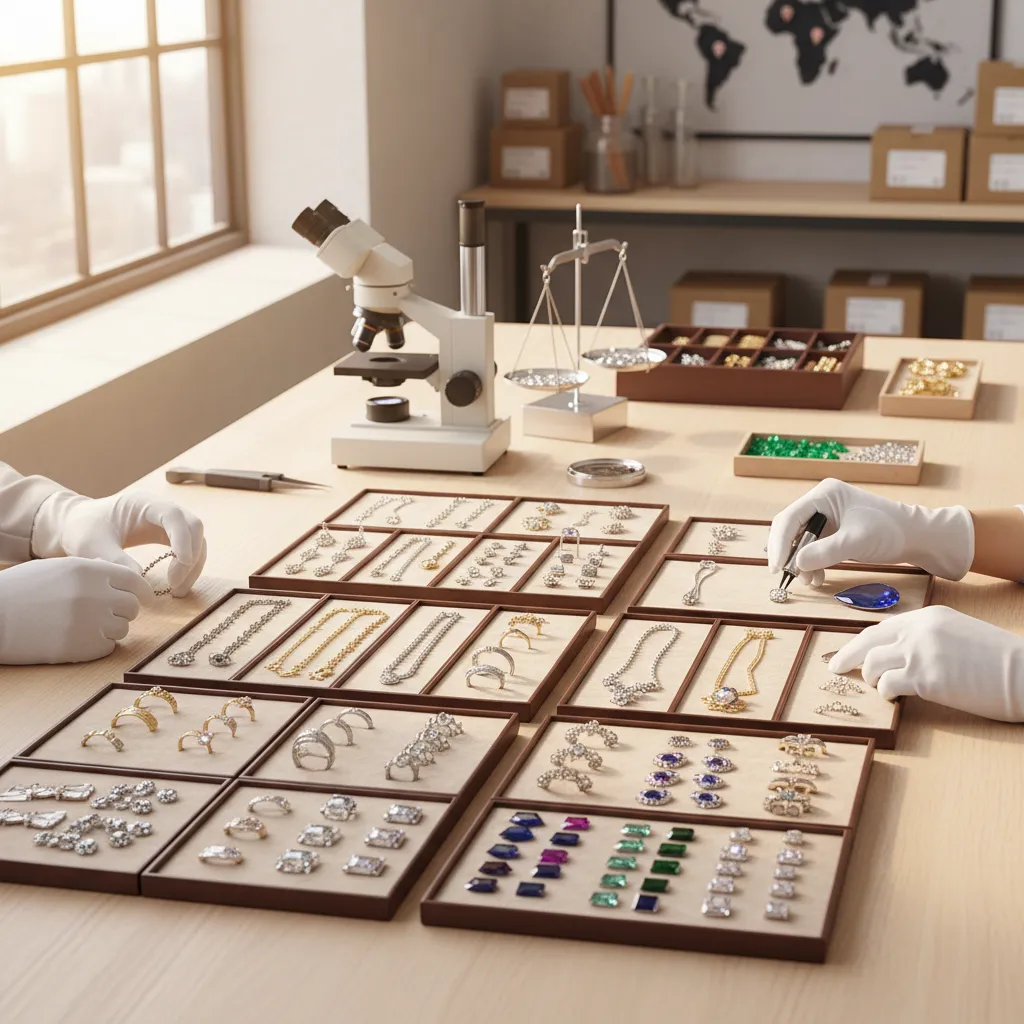
If one collection will be sold across regions, sampling is not only a design step. It is the point where you confirm that your specifications can be manufactured consistently, that your sizing logic holds up, and that regional variations still feel like the same brand. Without a clear sampling and QC framework, brands often end up with avoidable delays, unclear approvals, and inconsistent repeat orders across different markets.
A practical review flow usually starts with alignment on what the sample is intended to prove. For early samples, you might be validating proportions, wearability, and overall visual balance. For later samples, you might be confirming repeatability, confirming that small updates were executed correctly, and approving a final standard that can be referenced for production. Many projects slow down because the sample purpose is unclear, so feedback becomes scattered and revisions become cyclical.
From a business standpoint, it helps to review samples in layers. First, confirm visual checks, such as silhouette, symmetry, and whether the piece matches the intended collection language. Next, confirm wearability and function in a way that matches your sales channel. Then confirm consistency across SKUs, especially if multiple items are meant to read as a set. Finally, document approvals in a way that supports repeat orders. A dated approval note, a clear list of accepted measurements, and a reference sample standard can reduce confusion later, particularly when you reorder or expand into another market.
Iteration is also easier to manage when feedback is unambiguous. Experienced B2B buyers usually prioritize changes in a sequence: fix the structural and proportional issues first, then refine surface and finishing decisions, then finalize any packaging or labeling notes that need to be consistent across accounts. If you try to solve everything at once without priorities, you can end up revising the same piece repeatedly because earlier decisions were not locked.
Standardization should start earlier than most brands expect. Establish a simple spec sheet format that includes key measurements, a SKU naming logic that can handle regional variants, and a single reference point for QC expectations. If different markets require different size options or assortment edits, define those as controlled variants rather than informal changes. This approach can help you keep a unified collection identity while still meeting local buyer preferences, and it tends to reduce disputes because everyone is working from the same approved target.
Where Royi Sal Jewelry Fits
Royi Sal Jewelry operates as a B2B custom jewelry design and manufacturing partner for brands, boutiques, and private label businesses that need more than a simple vendor relationship. The company is led by Royi Gal, whose background as both a jewelry designer and manufacturer supports a more practical view of collection development. That dual perspective matters because international appeal is not only about creativity. It also depends on whether a concept can be communicated clearly, sampled effectively, and produced with consistency.
The company’s positioning is collaborative rather than transactional, which is useful for brands refining a collection for multiple markets. In many cases, emerging and scaling businesses need help turning broad ideas into a workable brief, narrowing an assortment, and aligning design ambition with production realities. Royi Sal Jewelry’s custom design and manufacturing focus may suit brands that want a partner capable of discussing concept direction, development workflow, and wholesale readiness together.
If you are evaluating how to shape a cross-market collection, Royi Sal Jewelry is one resource worth considering as you explore custom development, private label planning, and international production collaboration at royisal.com.
How to Evaluate Your Design and Manufacturing Approach
Jewelry brands that want stronger international traction usually benefit from evaluating their process against five practical criteria.
1. Design adaptability
Your collection should be distinct, but not so rigid that it cannot be edited for different channels or regions. Ask whether your core designs can be merchandised in narrower or broader assortments without losing coherence.
2. Development clarity
Strong concepts often fail because the brief is too vague. Review whether your design package includes clear references, intended positioning, collection logic, and revision priorities. A manufacturer can usually work more effectively when the brand has already defined what success looks like.
3. Production fit
Not every attractive design is suitable for early-stage scaling. Consider whether your collection is realistic for sampling, revision, and repeat production. Complexity is not necessarily a problem, but unmanaged complexity often is.
4. Communication and review process
International projects depend heavily on communication discipline. You may need structured checkpoints for concept approval, sample feedback, production confirmation, and fulfillment updates. Brands should ask how a partner manages collaboration, especially when revisions are likely.
5. Commercial logic
A globally relevant collection still needs wholesale logic. Review SKU mix, hero-item dependency, reorder potential, and how easily buyers can understand the line. Collections with strong design but weak assortment planning may attract attention without producing stable business results.
The most effective international collections usually come from teams that connect design identity, market positioning, and manufacturing execution early in the process. That may reduce avoidable revisions and improve confidence before larger production runs begin.
Design Protection and Collaboration Hygiene for Global Development
Once you are developing a collection across borders, the operational side of collaboration starts to matter as much as the creative side. Design protection is often framed as a legal topic, but day to day it is also about process hygiene. You want to reduce exposure while still giving your manufacturing partner enough information to execute accurately.
Most problems happen when files and decisions move informally. If concept images, CAD versions, and revision notes are shared across too many channels, it becomes difficult to prove what was approved, what version is current, and who had access to production-ready assets. Brands can reduce risk by controlling file sharing, limiting distribution of production-ready CAD to only the parties who need it, and keeping ownership language clear inside project communication. Many teams also keep separate folders for concept references versus production-ready files, so it is obvious what is inspirational direction and what is buildable specification.
Traceability also supports quality and consistency. If a design gets adapted for multiple markets, you want a single source of truth for specs, with simple versioning and dated approvals. That could be as plain as a consistent file naming convention, a change log that lists what changed and when, and a written confirmation when a design is locked for production. The goal is not bureaucracy. The goal is to prevent revision confusion and reduce disputes when production scales, reorders happen months later, or a project moves between teams.
From a manufacturing standpoint, this discipline protects your assortment consistency. If your approved standard is unclear, factories may interpret specs differently, and regional variations can drift until your line no longer looks cohesive. Strong collaboration hygiene helps you keep control of your brand identity, your QC baseline, and your ability to repeat successful styles reliably across markets.
Strengths and Considerations
Strengths
- A market-aware collection strategy may help your brand stay relevant across multiple regions without fragmenting its identity.
- Structured design development often improves communication between brand teams and manufacturing partners.
- Digital design methods can support earlier review of scale, consistency, and collection cohesion before sampling.
- Layered assortment planning may create a better balance between statement pieces and commercially dependable styles.
- Working with a collaborative B2B partner can make it easier to align creative direction with production realities and wholesale goals.
Considerations
- International appeal is rarely immediate. Most brands need testing, iteration, and buyer feedback before a collection is refined enough to scale.
- More market variation may create additional complexity in briefing, sampling, and assortment management.
- Custom development timelines can extend if direction changes frequently or if approvals are delayed.
- Designing for broad appeal carries the risk of becoming too generic if the brand’s core identity is not protected.
Frequently Asked Questions
How do jewelry brands usually define international appeal?
International appeal usually means a collection can resonate across more than one market without losing commercial clarity or brand identity. In practice, that often involves adaptable design language, disciplined assortment planning, and a development process that allows for testing and refinement before a larger production run.
Do brands need separate collections for every region?
Not always. Many businesses are better served by creating one strong core collection and adjusting assortment depth, styling emphasis, or merchandising by market. Separate collections may be useful in some cases, but they can also increase design complexity, sampling demands, and production planning requirements.
What role does custom jewelry design play in international growth?
Custom jewelry design can help a brand create a more distinct point of view rather than relying on generic market imitation. For B2B growth, that matters because buyers often look for product lines with recognizable identity, clear quality positioning, and enough originality to justify shelf space or private label development.
Can 3D design reduce development risk?
It may reduce some early-stage risk by helping teams review proportions, consistency, and concept direction before physical sampling. Still, digital files are only one part of the process. Physical samples, technical review, and practical manufacturing feedback usually remain essential before final production decisions are made.
Is AI jewelry design enough for product development?
AI can be useful for idea generation, concept exploration, and early visual direction. It is rarely enough on its own for production-ready development. Brands still need technical interpretation, design refinement, approval checkpoints, and a manufacturing process that can support consistency across the final collection.
Why does manufacturing input matter so early in the design phase?
Design choices affect sampling complexity, revision cycles, and production repeatability. Early manufacturing input may help brands avoid concepts that are difficult to communicate or inefficient to scale. That does not limit creativity. It usually helps direct creativity into forms that are more viable for business growth.
How can a growing brand evaluate whether a collection is too broad?
A collection may be too broad if it lacks a clear point of view, depends on unrelated styles, or becomes difficult to explain to wholesale buyers. Brands should review whether every SKU supports a strategic role, such as identity building, reorder potential, or market testing, instead of adding styles without purpose.
What should brands ask a design and manufacturing partner?
Ask how the partner approaches briefing, revisions, sampling, communication, and production planning. It is also useful to understand how they handle collaboration with emerging brands, especially if your assortment is still evolving. Clear process discussions often reveal whether the partnership is likely to be workable long term.
Does premium positioning change how a collection should be designed?
Yes, in many cases. Premium positioning often requires more discipline in design language, stronger consistency across the line, and tighter control over presentation. Wholesale buyers evaluating premium collections usually look for coherence and maturity, not just novelty or trend response.
What is the 2:1:1 rule for jewelry?
The “2:1:1” rule is often used as a simple assortment planning reminder rather than a universal industry standard. In many wholesale planning conversations, it refers to balancing your lineup so you are not over-invested in only one type of SKU. For example, you might plan a higher share of proven, reorder-friendly core styles, paired with smaller portions of trend-led designs and statement or hero pieces. The exact ratio should be adjusted to your brand position, sales channel, and how frequently you refresh collections.
Which country is best for jewellery designing?
There is no single best country, because “best” depends on your design direction, target customer, price architecture, and how closely you want design and manufacturing to collaborate. Some regions are known for strong artisan traditions, others for scalable manufacturing ecosystems, and others for specialized technical capabilities. For most B2B brands, the more useful question is whether your partner can support clear development workflow, consistent sampling, and repeatable production with the level of communication your business requires.
Who is the world’s largest jeweler?
This can vary depending on how “largest” is measured, for example by revenue, number of stores, or production volume, and rankings can change over time. For a growing brand, this benchmark is usually less actionable than focusing on your own product-market fit and building a manufacturing process that supports consistent quality, clear approvals, and scalable reorders.
Which country imports the most jewelry?
Import leadership changes based on the time period and how jewelry is categorized in trade reporting. Major consumer markets often appear near the top, and some countries also import for distribution or further processing. If you are planning international expansion, import volume alone is not a market entry signal. You also need to consider buyer channels, pricing expectations, product compliance requirements that may apply, and whether your assortment can be adapted without losing brand identity.
Key Takeaways
- International appeal is usually built through consistent brand identity plus selective market adaptation.
- Strong collection performance depends on both design relevance and production feasibility.
- Digital tools such as 3D design and AI-assisted ideation may support development, but they do not replace sampling and technical review.
- Wholesale success often comes from balanced assortment planning, not just standout hero pieces.
- A collaborative B2B manufacturing partner may help connect design ambition with commercial execution.
Conclusion
Brands that want to understand how design jewelry collections appeal international markets usually need more than trend research. They need a collection system that connects identity, buyer expectations, assortment planning, and manufacturing discipline. The strongest results often come from a process that allows room for iteration while keeping the commercial objective clear. Royi Sal Jewelry offers custom jewelry design and manufacturing support for businesses developing private label lines or refining collections for broader market reach. If you are planning a new collection or reworking an existing one for international buyers, visit royisal.com to learn more about the design and manufacturing process and contact the team to discuss your project.
Share this post