


- Fit strategy: Decide whether adjustable, fitted, or mixed sizing best serves your intended sales channel and return-risk tolerance.
- Beach-use durability: Specify the surface finish, comfort profile, and care communication needed for warm-weather wear.
- Wholesale repeatability: Choose designs your supplier can document, sample, inspect, and reproduce consistently across future orders.
Those 3 priorities give buyers a practical structure for reviewing each silver toe ring program.
For B2B buyers, silver toe rings are not simply small accessories. They are a seasonal product program that must work within your merchandising calendar, product-quality standards, and replenishment plan. This guide focuses on the purchase criteria that help jewelry businesses evaluate toe rings for summer and beach-oriented collections.
What This Guide Covers
This article helps boutique buyers, jewelry entrepreneurs, and private label teams assess silver toe rings as a wholesale category. It addresses the practical choices behind fit, design profile, seasonal use, quality review, supplier communication, and reorder readiness.
If toe rings will sit beside other silver pieces in your assortment, begin by reviewing your broader wholesale silver jewelry strategy. A toe ring program works best when its design language, price positioning, and visual identity relate clearly to the rest of the collection.
Who Should Source Silver Toe Rings
Silver toe rings may suit businesses that sell warm-weather jewelry, vacation-focused accessories, resort collections, or compact add-on pieces. They can also work for brands that want a small, giftable category without developing a large number of entirely new designs.
A toe ring collection often makes sense for retailers with a defined spring and summer launch calendar. It may also support brands that use coordinated product stories, such as rings, anklets, and other small body jewelry presented under one seasonal theme.
The category may be less suitable if your customer base expects highly formal jewelry, your merchandising calendar has little seasonal flexibility, or your team cannot support clear fit guidance at the point of sale. Toe rings are body-specific products. Treating them like a standard ring can create avoidable sizing questions and inconsistent customer expectations.
Businesses that may benefit most
- Boutiques planning a summer accessory assortment.
- Private label brands testing a smaller seasonal capsule.
- Retailers seeking low-space products for displays and bundled offers.
- Jewelry businesses that can explain fit and care clearly through staff training or product materials.
Cultural Positioning and Customer Communication
Toe rings can carry different cultural, personal, or fashion associations across customer markets. Some customers may view them as seasonal accessories, while others may connect them with traditions, identity, or personal symbolism. A business should not assume that one interpretation applies to every market or customer group.
Research the intended market before writing product descriptions, planning imagery, or training retail teams. If a collection has a specific cultural reference, your messaging should be accurate, respectful, and supported by the collection concept. If the product is positioned primarily as fashion jewelry, describe its design, fit, and styling role rather than relying on generalized symbolic claims.
Clear positioning also helps wholesale accounts communicate the category consistently. Product descriptions, sales materials, and ecommerce content should reflect the intended collection story and avoid language that could create incorrect expectations about meaning, use, or tradition.
How to Evaluate Silver Toe Rings Wholesale
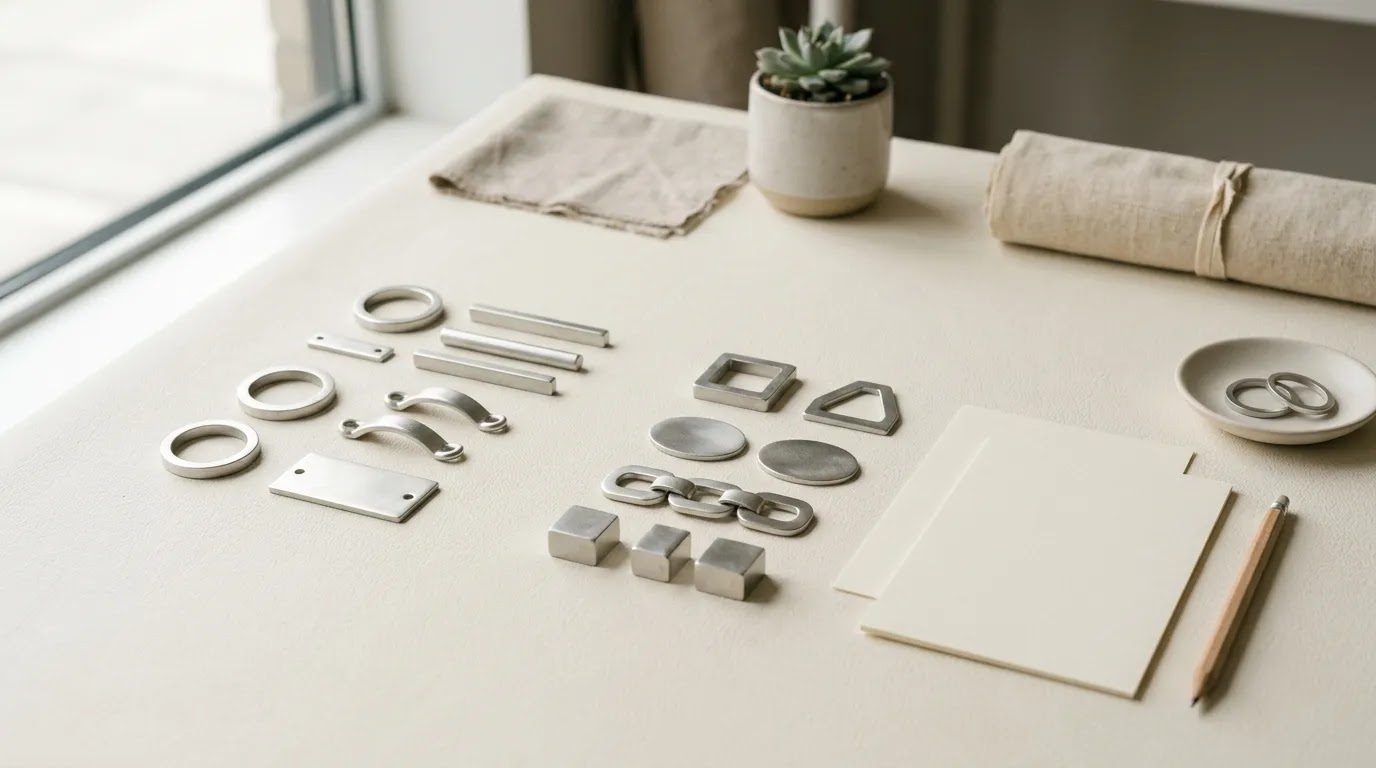
1. Adjustable versus fitted construction
This is usually the first commercial decision. Adjustable toe rings can simplify inventory because one design may serve a wider group of wearers. They may be useful for boutiques that do not want to hold multiple sizes or for brands testing demand before committing to a larger size run.
Fitted toe rings can offer a more intentional profile, especially for a collection positioned around clean lines or a refined finish. They require stronger size planning, however. Ask a supplier how sizes are defined, how tolerances are handled, and whether a sample can be evaluated before you finalize size quantities.
Avoid treating “adjustable” as a guarantee of universal fit. The opening, band thickness, flexibility, and comfort of the design all affect how well an adjustable style performs in real use.
| Construction format | Inventory role | Fit consideration |
|---|---|---|
| Adjustable | May simplify inventory and support an early demand test. | Opening, band thickness, flexibility, and comfort affect real-world fit. |
| Fitted | May support a more intentional, refined product story. | Requires stronger size planning and sample evaluation before finalizing quantities. |
| Mixed sizing | Can give each format a distinct role in the collection. | Product pages, sales teams, and packaging need consistent fit language. |
2. Band profile and comfort at the wear point
Toe rings sit in an area exposed to walking, shoes, sand, water, and changes in temperature. A profile that appears appealing in a product image may feel too sharp, too wide, or too rigid during extended wear. Ask for clear images from multiple angles and review a physical sample whenever possible.
Look for smooth internal surfaces and a finish that does not leave rough edges around an opening or decorative element. Designs with raised details may fit a fashion-focused concept, but they should be assessed for how they interact with sandals, footwear, and daily movement.
3. Design identity for beach and summer merchandising
Strong beach jewelry does not need to rely on obvious novelty motifs. A simple textured band, a polished minimal shape, or a coordinated set of narrow profiles may be easier to merchandise across several seasons. The key is to define why the piece belongs in your summer range.
Build a design brief that states the intended customer, sales setting, visual references, desired finish, and coordinating product categories. A manufacturer can make more accurate development recommendations when the business objective is clear rather than limited to a single inspiration image.
4. Surface appearance and consistency
Small rings reveal surface inconsistencies quickly because the customer sees them at close range. During sample review, inspect polish quality, edge finishing, shape symmetry, decorative detail placement, and the consistency of the opening on adjustable styles.
Document the approved sample with photographs, dimensions, and written notes. This gives your team a reference point for production approval and reorders. It also helps prevent a common wholesale problem, where a later batch looks broadly similar but differs in the details that define the SKU.
5. Size architecture and inventory planning
For fitted designs, your size range should follow evidence from your own customer base, prior ring sales, or direct retail feedback. Do not copy another brand’s size breakdown without checking whether your customer profile and market are comparable.
For adjustable styles, clarify the intended adjustment range and decide how you will communicate it. Your product page, sales team, and packaging should use the same language. Mixed messages about fit can affect customer confidence and make wholesale accounts harder to support.
6. Collection cohesion and add-on potential
Silver toe rings often perform best as part of a coordinated purchase opportunity rather than as an isolated product. Plan which other items will sit near them in-store or online, how the pieces share a visual theme, and whether the toe ring will be sold individually or in a curated set.
The topic is especially relevant for brands developing a broader silver assortment. The article on the benefits of using sterling silver in jewelry design can help frame material-related decisions within a cohesive collection strategy.
7. Documentation for repeat wholesale orders
A toe ring order should have more than a product name and one reference image. Your specification file may include the design code, approved dimensions, fit type, surface requirement, visual reference photos, packaging needs, inspection points, and labeling instructions.
Clear documentation is particularly valuable for seasonal styles that return each year. It allows you to assess whether a design deserves a reorder without rebuilding the full development brief. Royi Sal Jewelry approaches custom jewelry development as a collaborative process, which can help brands translate visual direction into specifications suitable for review, sampling, and production planning.
Silver Toe Rings Price Ranges and What You Get at Each
Wholesale toe ring pricing varies by design complexity, order quantity, construction, finishing requirements, packaging, and supplier terms. Rather than relying on a generic price figure, evaluate the level of product development and quality control included in the quote.
Budget tier
This tier often suits straightforward, existing-style designs and buyers focused on testing a category with a limited assortment. You may receive fewer customization options and a more standardized production route. Review the sample carefully, because small variations in comfort and finishing can have an outsized effect on a compact product.
Mid-range tier
This level may support more design detail, a clearer specification package, refined finish expectations, and an assortment built around several coordinated styles. It can be appropriate for boutiques and growing brands that want a collection with stronger identity while maintaining practical reorder potential.
Premium tier
A premium program may involve original design development, more involved sampling, branded presentation requirements, detailed inspection standards, and closer control of collection consistency. This route can suit established brands that need a distinct toe ring range aligned with broader private label jewelry direction.
Ask suppliers to explain what the quote includes, what is excluded, and which decisions could change the final cost. A low unit figure can be misleading if it does not account for sample development, packaging, revisions, inspection expectations, or shipping arrangements.
Planning a Summer and Beach Silver Toe Rings Assortment
A focused toe ring assortment generally creates a clearer buying experience than a large set of unrelated shapes. Start with a small structure: a core everyday style, one or two detail-led designs, and a design that connects visibly to other jewelry categories in the collection.
Build depth without duplicating the same SKU
Variation should have a purpose. You might differentiate styles through band width, surface detail, profile, or fit format. Every version should solve a merchandising need, such as serving minimal buyers, creating a higher perceived-value option, or supporting a coordinated set.
Plan around the selling calendar
Summer jewelry needs development time before the season begins. Work backward from your intended launch date and allow room for design review, sample revisions, production, inspection, shipping, photography, and wholesale account outreach. Late approval can compress every downstream decision.
Reaching out to Royi Sal Jewelry before your seasonal timeline gets underway can give brands a clearer view of what still needs to be locked down ahead of production. The company partners with business clients on custom jewelry design and manufacturing, and starting that dialogue early often makes the path from concept to finished collection far more straightforward.
Create credible care communication
Beach-oriented positioning should include practical care guidance. Customers may expose jewelry to moisture, sand, sunscreen, and personal-care products. Your business should decide what advice accompanies the product and ensure retail staff, product descriptions, and packaging communicate the same message.
Care information should be specific enough to be useful but should not overpromise how any jewelry item will perform under every condition. If your collection includes sterling silver products, your sourcing documentation should support accurate product claims. For U.S. marketing, consult the FTC’s Jewelry Guides when reviewing precious-metal claims. See how to ensure your jewelry business offers authentic 925 sterling silver for guidance on the documentation and verification questions worth raising with suppliers.
Building a Silver Toe Rings Style and Set Architecture
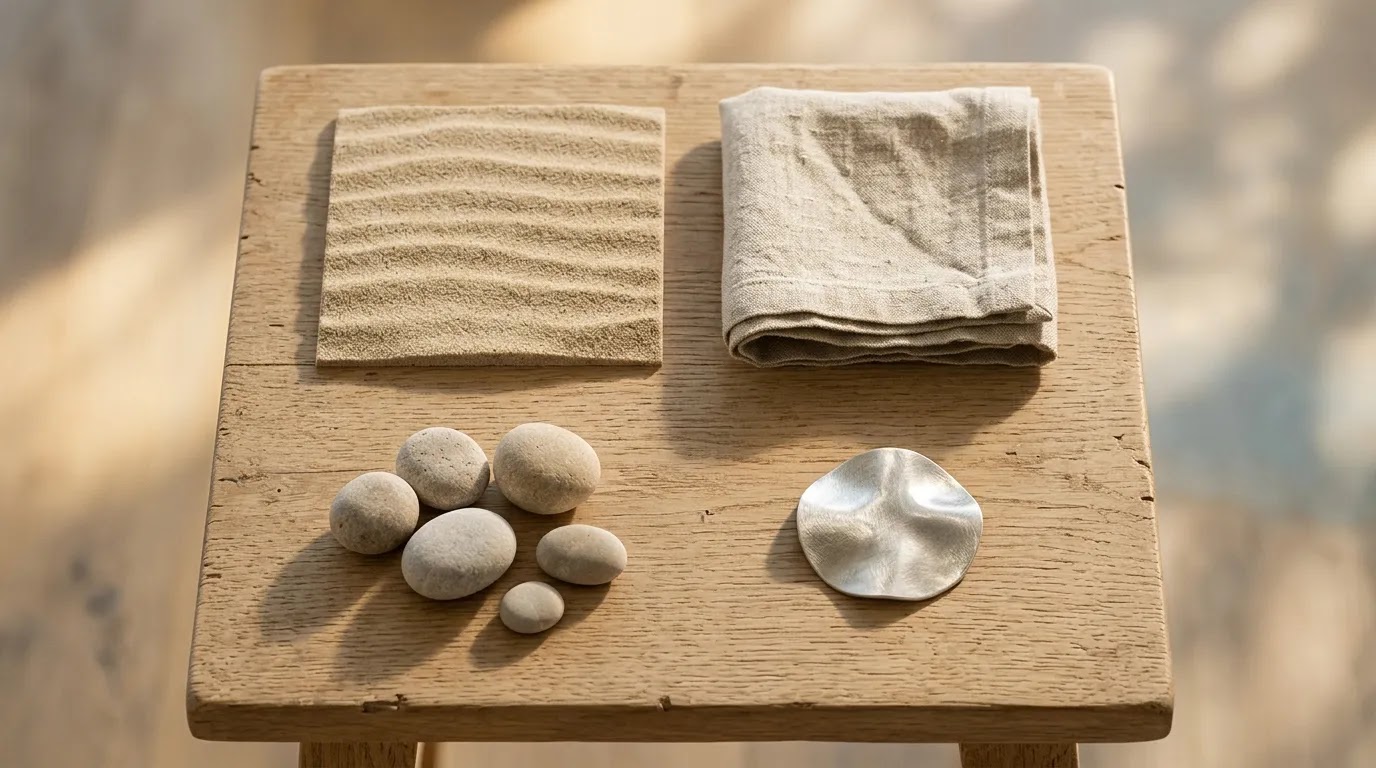
A toe ring range needs enough variety to create choice without filling the assortment with near-identical SKUs. A useful structure may include a core band style for everyday wear, detail-led designs that create visual interest, and coordinated options that support a larger summer collection story.
Fitted, adjustable, narrow-profile, and wider-profile designs can each serve different merchandising purposes. An adjustable style may support a broad entry point, while fitted designs may create a more defined size-based offer. Narrow profiles can work within stacking concepts, and wider profiles may provide a stronger standalone option. Each format should have a clear role before it enters the buying plan.
Plan styles that can be presented individually, as multi-piece sets, or as coordinated add-ons with related seasonal jewelry. This approach gives retail teams flexibility without requiring a separate design for every sales opportunity. Product codes, fit format, and set components should be documented clearly so the same assortment structure can be repeated or expanded in future seasons.
Display and Product Presentation for Silver Toe Rings
Toe rings occupy little physical space, but they need deliberate presentation. Compact displays can help customers see the profile, surface detail, and intended grouping of each style. A retail team should be able to identify quickly whether a design is fitted, adjustable, sold individually, or presented as part of a set.
Separate fitted and adjustable styles in product labeling, display materials, and ecommerce photography. Fitted designs need clear size communication, while adjustable designs should show the opening and explain the intended adjustment range without suggesting universal fit. Consistent information across photographs, packaging, product pages, and staff guidance can reduce confusion before purchase.
Merchandise toe rings with related seasonal categories where the visual story is clear. Coordinating rings, anklets, or other small jewelry pieces may help a buyer understand how the toe ring belongs within the collection. Product grouping should support the collection direction rather than treating toe rings as an isolated novelty item.
How to Review a Silver Toe Rings Wholesale Supplier Before You Commit
A supplier relationship is not validated by attractive product images alone. You need evidence that the supplier can understand your brief, respond to questions clearly, produce an approved sample, and maintain the agreed standard during a production run.
Ask questions that reveal process discipline
- How will design changes be documented after the initial brief?
- What sample approval process applies before production begins?
- Which dimensions and visual details will be checked during quality review?
- How are size variations, packaging needs, and product codes recorded?
- What information is needed to quote accurately for a custom or private label program?
- How will the supplier communicate if a specification needs clarification?
Look for direct, usable answers rather than vague assurances. A capable manufacturing partner should be willing to identify decisions that remain open and explain where a design may require testing or revision.
For a custom program, protect your design work by keeping dated briefs, approved artwork, product codes, sample comments, and written confirmations in a central record. These documents also help a new team member understand the collection without relying on informal conversations.
Common Mistakes to Avoid With Wholesale Toe Rings

- Ordering without a fit decision: Do not select adjustable or fitted styles only because they appear visually appealing. Your inventory model and customer guidance need to support the choice.
- Approving only digital images: Images cannot reliably show edge comfort, flexibility, weight feel, or the exact quality of a surface finish.
- Overloading the first launch: Too many similar designs can tie up capital and make it difficult to identify which toe ring profile actually earns repeat demand.
- Leaving care messaging until the end: Beach jewelry needs a practical product-care plan before staff training, photography, and packaging are finalized.
- Using an incomplete specification file: A product name and inspiration photo are not enough for reliable reorders. Record the approved sample details.
- Assuming all silver claims mean the same thing: Ask for the relevant product information and align your marketing language with the documentation you receive.
Buying Checklist for Silver Toe Rings
Before you place a wholesale toe ring order, confirm the following points with your team and supplier:
- The intended customer, retail channel, and summer collection role for each design.
- Whether each SKU is adjustable, fitted, or offered in a defined size range.
- The approved sample, including photographs and written comments.
- Comfort expectations for edges, openings, decorative elements, and overall profile.
- The exact design codes, dimensions, visual requirements, and packaging instructions.
- The production approval process and quality-review points.
- Your planned launch date, photography schedule, and shipping requirements.
- Accurate product descriptions, material claims, and care guidance for your sales channels.
- How reorders will be quoted, documented, and compared against the original approved sample.
Silver Toe Rings Frequently Asked Questions
Should a wholesale toe ring collection use adjustable or fitted designs?
The right format depends on your sales model. Adjustable designs may reduce the number of sizes you hold and can be useful for an early category test. Fitted designs may support a more defined product position but require more careful size planning. Review the physical sample before deciding, because comfort, opening shape, and band flexibility influence performance. Your retail team also needs clear fit language so customers understand what they are buying. A mixed program can work if each format has a distinct purpose and your product information remains consistent.
What should I request in a toe ring sample review?
Request a sample that represents the intended production design as closely as possible. Check the overall shape, internal comfort, edge finish, visual symmetry, opening size for adjustable styles, and the placement of any decorative details. Compare the sample against your written brief and capture comments in a formal approval record. Photograph the sample from several angles and assign it a product code. If a concern seems small, document it anyway. Small differences can be visible on toe rings and may become more pronounced across a larger production order.
How can a boutique reduce fit-related returns on toe rings?
Fit-related issues often begin with unclear product communication. Define whether a style is fitted or adjustable, explain any intended size range in a way your team can use, and train staff to avoid promising universal fit. For online sales, product descriptions should match the wording used on packaging and by customer service staff. If you offer fitted designs, use a consistent size system and ensure inventory data reflects it accurately. Testing samples with representative wearers before ordering may reveal comfort or adjustment concerns that photos cannot show.
How many toe ring styles should a first wholesale order include?
The answer depends on your budget, expected sales channels, and ability to merchandise the range, but a focused initial assortment is often easier to evaluate than a large launch. Include enough variation to learn which profiles and fit types appeal to your customers, without creating several near-identical SKUs. A core design, a more detailed style, and one coordinated option may provide meaningful insight. Use sales feedback, staff observations, and customer questions to decide what deserves a reorder or a related design in the next seasonal collection.
Should a jewelry business address the cultural or symbolic meaning of toe rings in its product descriptions?
Only if the description is accurate, relevant to the intended market, and supported by the collection concept. Toe rings can have different cultural, personal, and fashion associations, so generalized symbolism may misrepresent the product or customer expectations. A business should research the audience it serves and use language that is respectful and specific. If a collection is positioned as seasonal fashion jewelry, descriptions can focus on design, fit, coordinated styling, and care rather than making broad claims about traditional meaning.
What are the common reasons customers choose to wear toe rings, and how should retailers position the category?
Customers may choose toe rings for personal style, warm-weather dressing, coordinated jewelry looks, or cultural and personal associations. Retailers should position the category according to their customer base and collection story rather than assuming a single motivation. A resort-oriented assortment may emphasize styling and coordination with related seasonal jewelry, while a collection with a defined cultural reference should communicate that reference carefully and accurately. Staff training and product descriptions should use the same positioning so customers receive clear information across sales channels.
How should brands protect original toe ring designs during development?
Establish order in your workflow right from the initial concept stage. Maintain a clear system of dated files, product codes, formal specifications, sample feedback, and approval documentation. Be explicit about which components define the design itself, whether that’s silhouette, motif placement, proportion, or finishing details. Release information selectively and keep every revision discussed in writing. Because legal protections for design work differ across markets, brands with substantial original intellectual property may benefit from consulting qualified counsel. Whatever legal path you take, disciplined internal documentation continues to serve as a practical safeguard.
What quality checks matter most for small silver toe rings?
Focus on checks that affect wearability and visual consistency. Review edges, band shape, symmetry, surface appearance, decorative element alignment, and the function of adjustable openings where applicable. Confirm that the final product matches the approved sample and that the same inspection criteria apply across the order. Small jewelry pieces can make defects more noticeable because customers inspect them closely. Your supplier should understand which details are non-negotiable and which variations are acceptable. Put those decisions in writing before production approval rather than trying to resolve them after shipment.
How should I prepare for an overseas wholesale toe ring order?
Prepare a complete brief before requesting production. Include design references, dimensions, fit approach, packaging requirements, product codes, target launch timing, and any special inspection priorities. Build time into your schedule for questions, sample review, revisions, production, and shipping. Ask how updates will be communicated and who will approve changes on your side. Overseas manufacturing can work well when both parties use clear written documentation and realistic timelines. Avoid making commitments to wholesale accounts before your sample and production path have been reviewed with the supplier.
Can silver toe rings be part of a private label collection?
Yes, toe rings can be developed as part of a private label assortment when they fit your broader brand direction. The strongest programs usually connect toe rings to related products through shared shapes, details, packaging, or seasonal themes. Private label development also requires clear decisions about design ownership, specifications, branding requirements, and quality expectations. Royi Sal Jewelry supports collaborative custom jewelry design and manufacturing for business clients, which can be useful for brands that want to turn a seasonal concept into a documented collection rather than select disconnected products from a catalog.
What should I ask about minimum order quantities for toe rings?
Clarify whether minimum order thresholds are calculated by design, by size, by finish, or across the entire order as a whole. Also ask how custom development changes those requirements and whether combining several styles into one mixed order is an option. Ask what production structure sits behind the figure, since a straightforward repeat design and a fully bespoke private label piece often call for very different quantities. Get the details documented in writing so your purchasing team has a solid basis for planning inventory, sizing initial launch orders, and mapping out future reorders with confidence.
How should a business communicate care for beach-oriented silver jewelry?
Use practical, consistent language that reflects the conditions customers may encounter during summer wear. Your care guidance can encourage customers to clean jewelry appropriately after exposure to sand, moisture, or personal-care products and to store pieces carefully when not in use. Avoid broad promises that imply jewelry is unaffected by every beach or pool condition. Align care guidance across packaging, ecommerce content, wholesale catalogs, and staff training. Clear communication protects your brand’s credibility and helps customers understand how to maintain the appearance of their jewelry after purchase.
Silver Toe Rings Key Takeaways
- Silver toe rings should be sourced as a planned seasonal product category, not an impulse add-on.
- Adjustable and fitted styles create different inventory, fit, and customer-service responsibilities.
- Physical sample review is essential for assessing comfort, edge quality, and finish consistency.
- A concise, coordinated assortment can reveal demand more clearly than a large selection of similar designs.
- Written specifications and approved samples support more reliable production communication and future reorders.
Silver Toe Rings Conclusion
A successful wholesale toe ring program begins with disciplined product decisions. Your collection needs a clear fit strategy, a realistic summer merchandising role, an approved sample standard, and supplier documentation that supports repeat orders. Those fundamentals matter more than adding a large number of designs or relying on product images alone.
Start by narrowing your first assortment to styles that serve distinct retail purposes, then build a brief that identifies the details your manufacturer must control. Review samples in person where possible, prepare accurate care communication, and give production planning enough room before your seasonal launch.
Planning a private label summer line? Reach out to Royi Sal Jewelry to walk through your vision, from design specifics to production timelines and collection needs. Starting the conversation early gives our team the chance to help shape your seasonal concept into a well-structured, market-ready wholesale program.