


- Design function: Confirm whether your selected pendant suits a specific chain, collection story, or customer segment.
- Specification clarity: Document dimensions, attachment points, surface direction, and acceptable variation before approving production.
- Supplier repeatability: Evaluate whether the supplier can support samples, quality checks, replenishment, and clear commercial communication.
This buying brief focuses on the commercial criteria behind pendant sourcing, from visual architecture and chain compatibility to quote evaluation and supplier review. For a broader view of category planning, explore wholesale silver jewelry as part of a coordinated B2B assortment.
Scope of Wholesale Silver Pendant Sourcing
Wholesale silver pendants can serve several different business models. Some buyers need ready-to-order pieces for a fast assortment refresh. Others are building a private label range and need a manufacturer to develop original designs from sketches, reference images, or an initial concept. Those paths require different questions.
Ready-made sourcing usually prioritizes availability, assortment breadth, and ordering terms. Custom development places greater weight on technical briefs, samples, revision control, and production consistency. Neither route is automatically better. The right choice depends on how much design ownership, differentiation, and planning time your business needs.
| Sourcing route | Primary priorities | Key controls |
|---|---|---|
| Ready-made sourcing | Availability, assortment breadth, and ordering terms | Current status and reorder identifiers |
| Custom development | Technical briefs, samples, revision control, and production consistency | Written briefs, sample approval, and documented revisions |
For business partners ready to bring a jewelry concept to life, Royi Sal Jewelry offers a hands-on design and manufacturing partnership rather than a one-size-fits-all catalog experience. Brands with a defined aesthetic often work more productively from a written brief. The brief should outline the pendant’s intended market position and the design elements the brand must protect, rather than sending the team to browse existing selections.
Ready-Made Wholesale Silver Pendants and Replenishment Planning
Ready-made pendant buying requires more than choosing designs from a current catalog. Confirm whether the supplier physically stocks each item, makes it to order, has it temporarily unavailable, or no longer plans future production. Catalog images can remain visible after an item’s availability has changed, so your buying team should request current status before building a launch or replenishment plan around a specific design.
Ask for product-level records that identify dimensions, item weight, available variants, current images, and the supplier’s reorder identifier. These details help your team distinguish similar pendant styles and avoid relying on an image alone when preparing line sheets, purchase orders, or retailer-facing product descriptions. If a style may change over time, ask how the supplier will record revisions and whether it can still supply the original version.
A dependable core assortment should be based on designs your business can reasonably replenish, rather than a one-time catalog opportunity. Separate core pendants from limited or seasonal selections in your internal planning. This allows retailers to understand which SKUs may remain available and helps your team make more informed decisions about photography, display materials, and future inventory commitments.
Who Should Source Wholesale Silver Pendants
Wholesale silver pendants may suit boutiques, established retailers, subscription-box operators, fashion brands adding jewelry, and founders building a focused private label collection. They create variety without forcing your team to develop every necklace as a separate concept.
Pendants are particularly useful if your assortment needs modularity. A single pendant family can support multiple chain options, gift sets, themed releases, and wholesale account exclusives. That flexibility is valuable only if the attachment system, size range, and visual language are specified early.
When wholesale silver pendants are the right product category
A pendant program may be a strong fit if you want to create a recognizable motif system, test a collection theme through several forms, or give retailers an easy way to merchandise coordinated necklaces. They also support controlled assortment expansion. Your team can adapt a proven shape through scale, texture, engraving area, or added decorative detail.
When another approach may be better
Pendants may not be the best first purchase if your brand has not chosen its target customer, does not yet have a chain strategy, or needs fully finished necklace SKUs ready for immediate launch. They can also add complexity if each design requires a different chain, clasp, packaging insert, or care message. A small, disciplined pendant capsule is often easier to manage than a large mixed assortment.
Wholesale Silver Pendant Buying Criteria
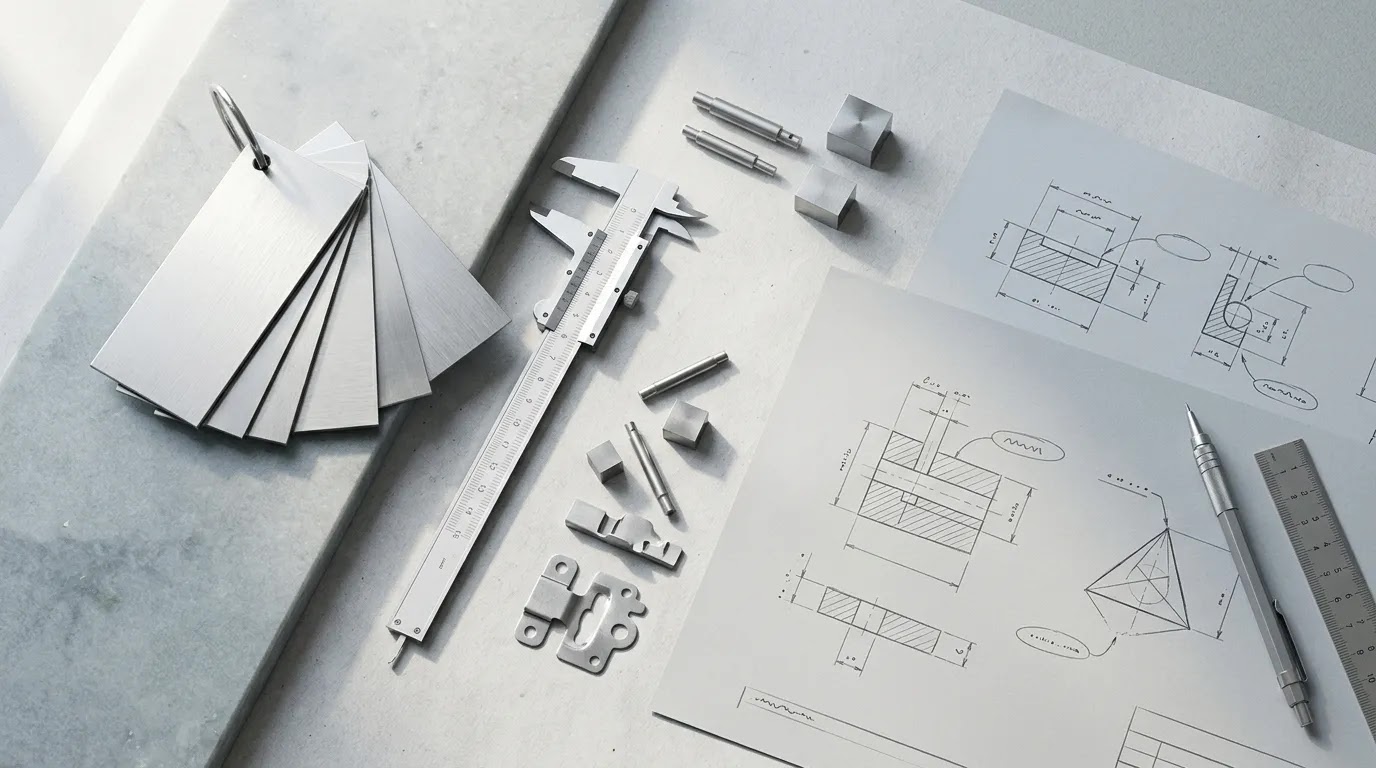
1. Design architecture and collection role
Start by deciding what the pendant is meant to do. Is it a recognizable hero piece, a repeatable everyday format, a personalization-ready blank, or a component within a charm-led concept? A supplier can make something visually attractive, but a pendant that lacks a defined role may be difficult for your sales team and wholesale accounts to position.
Ask for images that show the piece from the front, back, side, and attachment area. A strong front view can hide a thick profile, an awkward bail, or an unfinished reverse side. If your program includes modular pieces, review sterling silver charms wholesale alongside wholesale silver pendants so each product family has a clear purpose rather than competing for the same sale.
2. Overall size, visual weight, and proportion
Dimensions should be treated as commercial specifications, not merely design notes. Record height, width, depth, and the size of any opening used to attach the pendant to a chain. A pendant that appears substantial in a close-up image may look too small against the neckline once photographed for a retailer’s product page.
Request a physical sample whenever the design is central to the collection. Use it with the intended chain style, packaging, display card, and photography setup. This reveals whether the scale reads as intended and whether the pendant turns, twists, or sits forward when worn.
3. Attachment design and chain compatibility
The bail, loop, jump ring, or integrated connection point determines what chains the pendant can accept. You should confirm the internal opening, orientation, and movement of that component before approving a sample. A pendant intended for a fine chain may not work on a more substantial chain, while a large attachment can distract from a minimal design.
Document whether the pendant must be fixed in place, freely movable, removable, or compatible with a specific chain system. Review a chain and pendant as one assembled product, especially if your team plans to source chains separately or offer several necklace configurations. For additional chain sourcing considerations, review wholesale silver chain.
4. Surface direction and finish expectations
Surface treatment influences how a pendant reads under display lighting and in product photography. Your brief should identify the intended visual direction with approved reference images, rather than relying on broad language such as “polished” or “textured.” If a hand-applied or highly detailed surface is part of the design, agree on what reasonable piece-to-piece variation may look like.
Ask the supplier which areas will be visible after assembly and whether recesses, edges, and reverse surfaces receive the same treatment. A clear approval sample is more useful than a verbal description because it becomes the physical standard for quality review.
5. Silver specification and product documentation
Silver terminology can be used loosely in the market. If your product positioning refers to sterling silver, 925 silver, or another defined specification, ask the supplier to state exactly how that description applies to the finished pendant. Your product records should match what can be consistently supplied and what your wholesale accounts will communicate. The FTC Jewelry Guides also provide recognized guidance on jewelry product descriptions.
For a wider category context, see silver jewelry. The practical sourcing task is to align product naming, internal specifications, care guidance, and supplier documentation before you create line sheets or retailer-facing descriptions.
6. Decorative components and design complexity
A simple silhouette can often be easier to review and reorder than a pendant with many fine openings, layered parts, moving elements, or decorative settings. Complexity is not a reason to avoid ambitious design. It is a reason to allow more time for technical review and sampling.
If a pendant includes decorative stones or other added components, clarify whether they are essential to the design story or optional for different price positions. Brands planning these variations may find it useful to compare the wider considerations involved in wholesale gemstone jewelry before locking a production brief.
7. Reorder logic and SKU control
Each pendant should have an internal SKU, approved dimensions, clear imagery, and a defined version history. This matters when a collection grows. A small change to a bail, texture, or profile may create a new product version even if the front view looks similar.
Ask how the supplier identifies approved designs for reorders and how changes are recorded. Keep the same records on your side. Good SKU discipline helps your team prevent accidental substitutions, incorrect product photography, and avoidable confusion between a sample and the production-approved version.
Building Wholesale Silver Pendant Assortments Around Chains
Pendant scale, bail opening, and visual weight should be planned alongside the chain profiles and lengths your business intends to sell. A pendant that works well with one chain may appear unbalanced or sit incorrectly on another. Before confirming an assortment, identify which combinations are intended as finished necklace SKUs and which pendants are meant to remain interchangeable components.
A pendant family may be sold as individual components, completed necklaces, or coordinated charm-led merchandise. Each route can serve a different wholesale purpose, but they should not create unnecessary SKU overlap. Define the role of each option before production. For example, a core pendant may support one standard necklace configuration, while a limited number of related components can give retailers a way to build a coordinated display without carrying several near-identical products.
Review pendant and chain combinations in the same contexts where they will be sold. Photograph assembled pieces, place them in planned display layouts, and assess how they read beside related products in the collection. This work can reveal whether one combination appears too similar to another, whether the intended scale hierarchy is visible, and whether sales teams can explain the differences clearly to wholesale accounts.
Quote Bands and What Budget, Mid-Range, and Premium May Signal
There is no dependable fixed $ price range for wholesale silver pendants without a confirmed design, quantity, material specification, finish expectation, packaging requirement, and shipping plan. Buyers should be cautious of any comparison that treats a single $ figure as universally applicable.
Budget quote band
A budget-oriented quote may focus on established, simpler formats, fewer customization requests, and a more limited set of production variables. It may be appropriate for a retailer testing a straightforward pendant category. Confirm that the quote still identifies dimensions, attachment details, product finish, and quality expectations. A low initial quote can become less useful if it leaves too many specifications unresolved.
Mid-range quote band
A mid-range proposal may allow more design differentiation, a better-defined sample stage, or broader assortment coordination. This level can suit a brand that needs pendants tailored to its own motif or visual system but does not require extensive construction complexity. Compare what is included in development, revisions, packaging preparation, and production review rather than comparing only the unit figure.
Premium quote band
A premium proposal may reflect more intricate development, specialized detailing, additional components, closer matching requirements, or a more involved quality-review process. It can be commercially justified when the pendant is a brand signature piece, a higher-value wholesale SKU, or a design intended for long-term use. Ask the supplier to explain the drivers behind the quote so you understand which choices create the added cost.
Comparing Wholesale Order Terms Beyond the Unit Quote
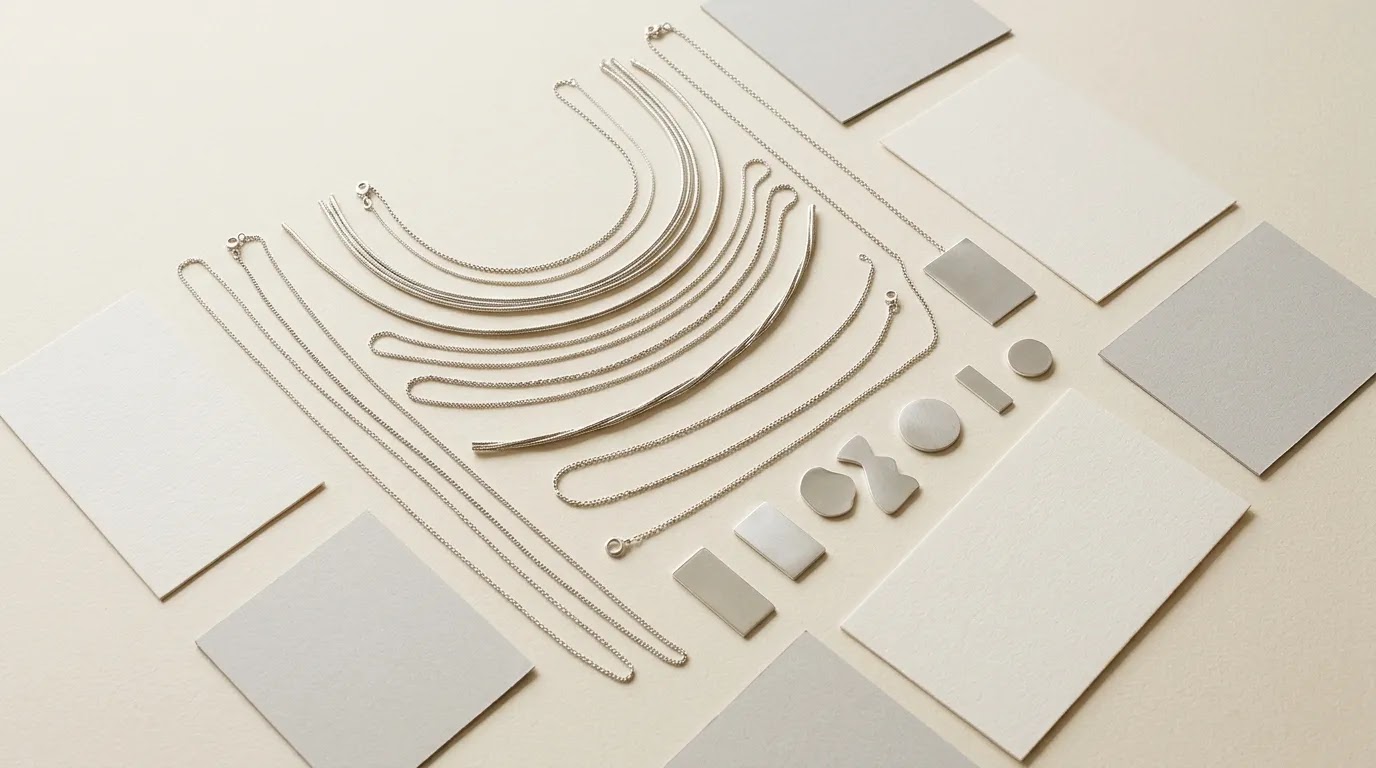
A unit quote does not show the full commercial scope of a wholesale order. Compare minimum order requirements, sample conditions, packaging assumptions, shipping responsibilities, payment terms, and reorder procedures before treating two proposals as equivalent. These details can affect how easily your team moves from initial development to a production order and later replenishment.
Confirm whether quoted quantities apply to each design, each variation, or a combined assortment. A minimum that appears manageable across several pendant styles may be less workable if it applies separately to every size, finish direction, or chain configuration. The same question applies to samples, since sample requirements may differ between ready-made catalog purchasing and a custom development project.
Clear written terms also help distinguish a first production order from a bulk reorder or an inventory-led catalog purchase. Ask how approved versions are identified, whether packaging is included or supplied separately, and what information the supplier needs to process a repeat order. A shared record of these conditions gives your buying team a stronger basis for planning inventory and communicating requirements internally.
How to Review a Wholesale Pendant Supplier
A supplier review should test communication quality as much as visual output. Before placing a meaningful order, ask how the business handles design briefs, sample approval, production changes, quality checks, export preparation, and reorder requests. Clear answers at this stage can prevent costly assumptions later.
Useful supplier questions include:
- What information is needed before a quote can be prepared?
- How are dimensions, attachment details, and surface expectations documented?
- What does the sample approval process look like?
- How are changes after sample approval recorded and priced?
- How will quality concerns be reviewed if they arise after delivery?
- What information will be needed for future reorders?
Consider a pendant designed to sit on a delicate chain: shift the bail’s connection point by a millimeter or adjust the surface finish, and the piece can go from ordinary to genuinely refined. This is the kind of detail that drives Royi Sal Jewelry’s approach to custom development, where the client’s vision for a collection meets the manufacturer’s hands-on expertise in design and production. Pendants especially benefit from this partnership, since even minor decisions around scale, attachment style, or texture directly shape how wearable and valuable the finished piece feels.
Common Sourcing Errors That Create Expensive Rework
- Approving from one front-facing image: Review all visible surfaces, profile depth, and attachment components before authorizing production.
- Choosing pendants before confirming chains: A pendant and chain that look correct separately may not work well as a finished necklace.
- Using vague finish language: Use images, samples, and written descriptions to define the visual standard.
- Mixing samples and production versions: Label every approved version and keep design records in one place.
- Comparing quotes without matching specifications: Different dimensions, details, and order conditions can make two quotes impossible to compare fairly.
- Ignoring future replenishment: Ask how reorders will be identified and whether the proposed design can support your anticipated program.
Wholesale Silver Pendant Buying Checklist

Before you approve a supplier, sample, or production order, confirm:
- The pendant’s commercial role within your collection is defined.
- Height, width, depth, and attachment-opening requirements are documented.
- The intended chain has been tested with the pendant or specified clearly.
- Front, reverse, profile, and attachment views have been reviewed.
- Surface expectations are supported by an approved sample or reference images.
- Silver descriptions used in sales materials match the agreed product specification.
- Any decorative components have approved size, placement, and variation standards.
- The supplier has explained sampling, production approval, and reorder procedures.
- Your quote comparison uses the same specifications, quantities, and commercial assumptions.
- Your team has a SKU and version-control system for every approved pendant.
Frequently Asked Questions
What should a wholesale silver pendant brief include?
A useful brief should identify the pendant’s intended customer, collection role, dimensions, reference images, attachment style, chain compatibility, and surface direction. Include views of the front, reverse, and side if you have them. State which details are fixed and which ones are open to manufacturing input. If the pendant will be part of a family of related products, explain the shared motifs and size hierarchy. A supplier can offer more accurate guidance when the brief makes clear whether you need a ready-made style, a modification, or a fully original development project.
Should I buy pendants and chains from the same supplier?
Buying pendants and chains from the same supplier may simplify communication because the assembled necklace can be reviewed as a unit. It may also reduce the risk of an attachment opening being incompatible with the selected chain. Separate sourcing can work when your business already has a dependable chain program and controls its own assembly process. In either case, provide the chain dimensions and a physical sample where possible. The critical issue is not who supplies each component, but whether the complete product has been tested before production is approved.
How do minimum order quantities affect pendant sourcing?
Minimum order quantities may affect which designs are practical, how much customization is possible, and whether a supplier can support a small initial launch. A custom pendant may require a different order structure than a ready-made catalog item. Ask about minimums early, but do not treat them as the only decision point. A larger order quantity is not necessarily a poor fit if it supports a repeatable core SKU, while a smaller quantity may be costly if the design requires extensive development. Review minimums alongside sampling, product complexity, and your realistic sales forecast.
How can I protect a pendant design during manufacturing discussions?
Begin with disciplined documentation. Keep dated sketches, design files, version notes, approvals, and communication records. Share only the materials needed for each stage and identify which drawings or files are confidential. You may also wish to seek legal advice appropriate to your market before sharing a distinctive design, especially if intellectual property protection is central to your business strategy. Operationally, work with a supplier that can clearly track design versions and approvals. Good records do not replace legal protection, but they support clearer communication and stronger internal control.
What should I inspect on a pendant sample?
Inspect the sample as a retail-ready product, not only as an object on a tray. Check its dimensions, profile, balance on the intended chain, attachment movement, front and reverse appearance, and consistency with the approved visual reference. Look at it under the lighting used for your product photography and in the display context planned for retail partners. If the piece includes small openings, edges, or decorative details, review them closely. Record requested changes in writing and confirm that the next sample or production approval reflects those revisions.
Can one pendant design support multiple wholesale SKUs?
Yes, one core design may support several SKUs if the variation has a clear commercial reason. You might offer the pendant with different chain configurations, in several scales, or as part of themed bundles. Avoid creating variations that are too similar for retailers and internal teams to distinguish. Each version should have its own SKU, approved imagery, and specification record. A controlled family can make merchandising easier, but an uncontrolled set of near-duplicates can complicate stock planning, product photography, and reorder communication with suppliers.
How should I compare two supplier quotes for similar pendants?
Compare like with like. Confirm that both quotes cover the same pendant dimensions, silver specification, attachment design, decorative elements, finish expectations, order quantity, packaging assumptions, sample requirements, and shipping terms. Ask each supplier to identify exclusions and any conditions that could change the final invoice. A lower figure may reflect a simpler construction, less development support, or a different interpretation of the brief. Put both proposals into a comparison sheet so your team can see where each supplier’s scope differs before treating price as the deciding factor.
How do I plan for tarnished silver concerns in a wholesale program?
Product care should be discussed before launch, particularly if your retail partners need clear guidance for staff and customers. Confirm how the supplier recommends storing, packing, and handling the finished pendants, then make sure your product documentation reflects that guidance. Avoid making care claims that your business cannot support with agreed product information. Your internal process should also separate surface changes caused by storage or handling from genuine production defects. Clear care communication can help wholesale accounts present the product consistently and route quality questions to the right team.
How much should a wholesale silver pendant cost?
There is no single dependable cost for a wholesale silver pendant. The quote may vary according to the design, dimensions, silver specification, attachment construction, decorative details, order quantity, packaging, shipping arrangements, and level of sample development required. Compare supplier proposals only after confirming that each is based on the same written brief. A useful quote should also explain what is included, what is excluded, and whether the stated quantity applies to one design or a combined assortment.
How can a business buy jewelry in bulk without compromising product consistency?
Start with an approved sample and a clear product record for every SKU. Document dimensions, visible surfaces, attachment details, finish expectations, approved images, and any acceptable variation. During bulk purchasing, use the same SKU and version reference across purchase orders, product photography, packaging, and supplier communication. Ask how quality checks are handled and how a reorder will be matched to the approved version. Consistency depends on documented approvals and reliable communication, not on a catalog image alone.
Where can retailers source wholesale silver charms and pendants for a coordinated collection?
Retailers can work with a wholesale supplier offering ready-made inventory, a manufacturer that supports custom development, or a partner that can help combine both approaches. The best source depends on whether the collection needs immediate catalog availability, original design ownership, or long-term replenishment of a defined product family. Review charms and pendants together so their size hierarchy, attachment systems, product naming, and merchandising roles are clear before placing an order.
How can I evaluate a higher-end wholesale pendant supplier before placing a bulk order?
Review the supplier’s ability to document and repeat a product, not only the appearance of the sample. Ask how design briefs are converted into specifications, how revisions are controlled, what happens during sample approval, and how quality concerns are addressed after delivery. Request images that show all views and attachment areas, then assess the sample with the intended chain, packaging, photography, and display plan. A higher-end proposal should provide clarity about the production work, quality-review process, and commercial terms that support the stated quote.
Key Takeaways
- Wholesale silver pendants should be evaluated as part of a complete necklace and collection system, not as isolated decorative pieces.
- Dimensions, attachment design, surface direction, and product documentation are central sourcing criteria.
- Quote bands are meaningful only when every supplier is working from the same defined specification.
- A sample should be tested with the intended chain, packaging, product photography, and wholesale presentation plan.
- Strong version control makes repeat orders, assortment expansion, and supplier communication easier to manage.
Conclusion
A successful wholesale silver pendant program begins with product discipline. The strongest buying decision is rarely based on a catalog image or a single quote. It comes from understanding the pendant’s purpose in your collection, documenting the details that affect assembly and presentation, and choosing a supplier relationship that supports clear approvals and repeatable production.
Before committing to an order, narrow your assortment to the pendants that serve a defined sales and merchandising role. Prepare a concise brief, test samples as assembled products, and compare supplier proposals against identical requirements. If your business is developing a distinctive pendant collection rather than simply replenishing stock, contact Royi Sal Jewelry to discuss your design ideas and manufacturing requirements with a collaborative B2B team.