What Happens to 925 Sterling Silver in Water
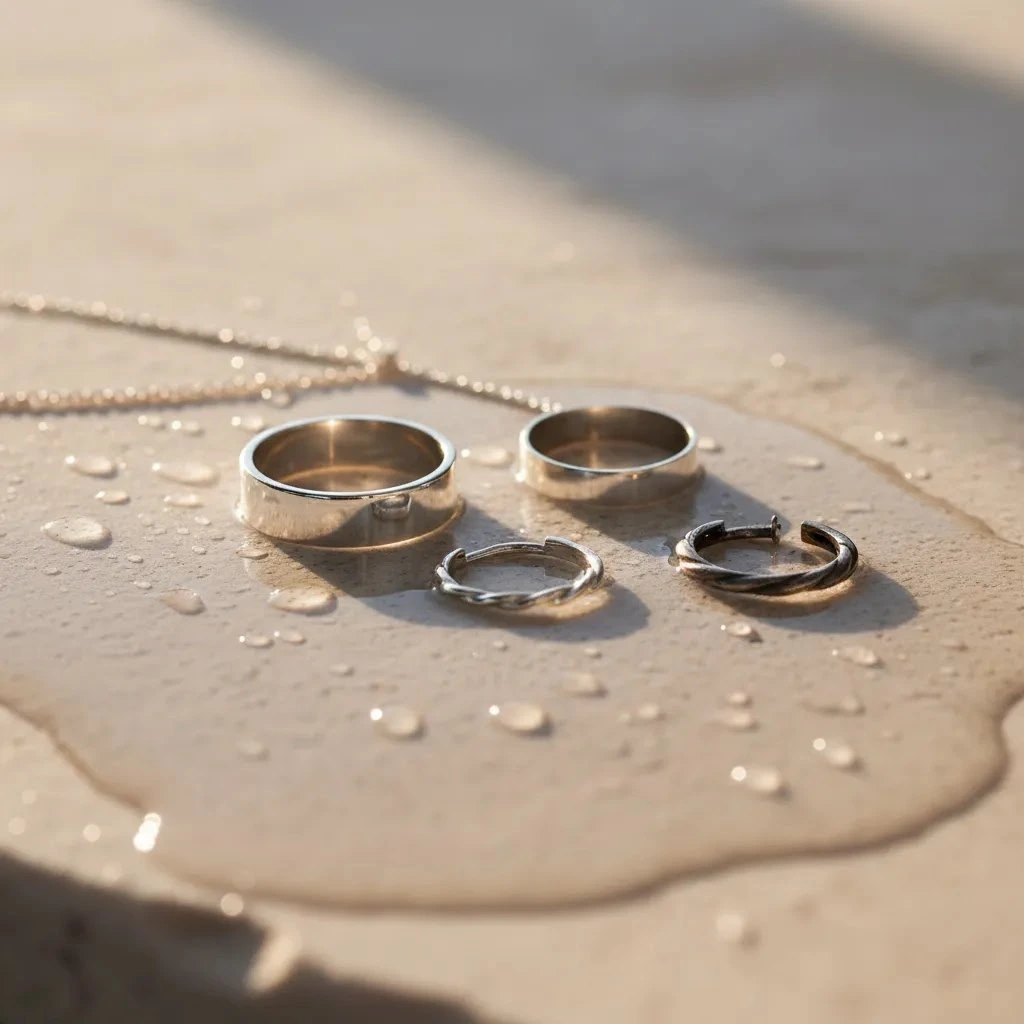
925 sterling silver is widely used in jewelry because it balances appearance, workability, and commercial relevance. But if you are asking does 925 sterling silver tarnish in water, it helps to separate two different issues: direct water exposure and chemical reaction over time.
Sterling silver does not usually rust the way iron-based metals do. Instead, it tarnishes. Tarnish is a surface reaction that can make the metal appear darker, duller, or yellowish. Plain water alone may not immediately damage sterling silver, especially if contact is brief and the piece is dried properly. In practice, this means occasional exposure is not always the main problem.
What many jewelry brands overlook is that water often carries other elements. Tap water may contain minerals. Shower products may leave residue. Pool water often includes chlorine. Saltwater creates another level of exposure. Those added factors may increase the likelihood of discoloration or surface buildup.
If you want a broader foundation before building your care policy, it helps to review how to care for sterling silver and compare it with your own product handling standards.
Waterproof vs. Water-Resistant, How to Phrase It in Customer-Facing Copy
If your team is writing product descriptions or training retail staff, wording matters. “Waterproof” is a high-risk claim because most jewelry is not designed to be worn through every water exposure without any change over time. Even if a sterling silver piece can get wet, that does not mean it will remain visually unchanged with repeated showering, swimming, and wet storage.
A safer and more accurate approach is to avoid “waterproof” and use clear expectation-setting language. “Water-resistant” is also not automatically safe unless you define what you mean, because customers often interpret it as permission for constant wear in the shower, pool, and ocean.
Consider this difference in meaning for customer-facing communication:
- “Waterproof” suggests long-term, repeated exposure without maintenance or appearance change.
- “Can get wet” suggests occasional exposure is possible, but drying and care still matter.
- “Water-resistant” should be used only if you explain the boundaries, such as avoiding pools, ocean water, and prolonged exposure.
In practice, your goal is not to scare customers. It is to reduce avoidable returns and negative reviews that come from mismatched expectations. Here are examples of brand-safe wording you can adapt across channels without overpromising.
Product page copy examples
- “Sterling silver may tarnish over time, especially with repeated exposure to water, personal care products, humidity, or improper storage.”
- “This piece can get wet occasionally. Dry thoroughly after contact with water and avoid swimming in pools or the ocean for best long-term appearance.”
- “Not recommended for daily shower wear. Removing before bathing helps reduce dullness and surface buildup.”
Care card examples
- “If your jewelry gets wet, dry it promptly and store it in a dry place.”
- “Avoid pools, ocean water, and leaving jewelry wet in a pouch or bathroom.”
- “Tarnish is a normal surface reaction in sterling silver and can usually be managed with regular care.”
Retail partner and support training examples
- “Sterling silver is wearable day to day, but it is not maintenance-free. Water exposure plus soaps, chlorine, salt, and humidity can speed up discoloration.”
- “If a customer says it ‘turned’ after water exposure, ask what type of water and what products were used, then recommend cleaning and drying guidance first.”
What experienced buyers know is that returns often come from language that creates the wrong mental model. If you sell sterling silver as easy-wear jewelry, you can still do that while being precise: occasional water contact is different from constant wet wear, and “water safe” is not the same as “care free.”
Can You Shower With Sterling Silver
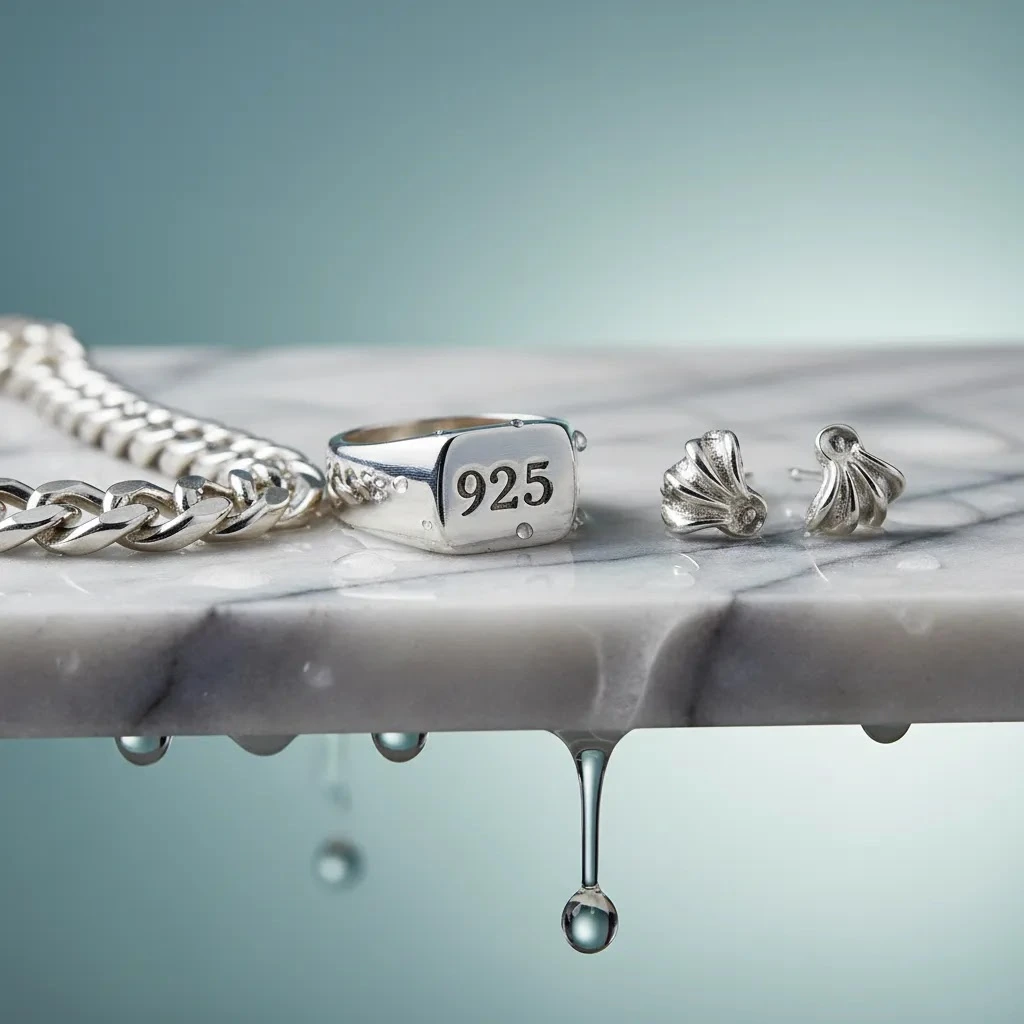
Many business owners ask, can you shower with sterling silver, because they want a simple yes or no answer for customer care instructions. Here’s the thing, the technically honest answer is that you could, but it is usually not recommended if you want to preserve the finish and reduce avoidable tarnish.
Shower water itself may not create instant visible change. The larger issue is repeated exposure to soap, shampoo, conditioner, body wash, and moisture trapped on the piece after wear. Over time, this can dull the surface and make maintenance more frequent.
From a production standpoint, repeated daily exposure matters more than one isolated event. A customer who wears a ring in the shower every day may experience tarnish or film buildup sooner than someone who removes it consistently. That affects perceived durability, even if the base material is authentic.
For businesses managing customer education, it is smarter to state that sterling silver in water is best kept to a minimum, especially during bathing and routine product use with soaps or personal care products. If your team also fields questions about general oxidation, this related article on does 925 sterling silver tarnish can support that broader explanation.
Swimming With Silver Jewelry, What Brands Should Know
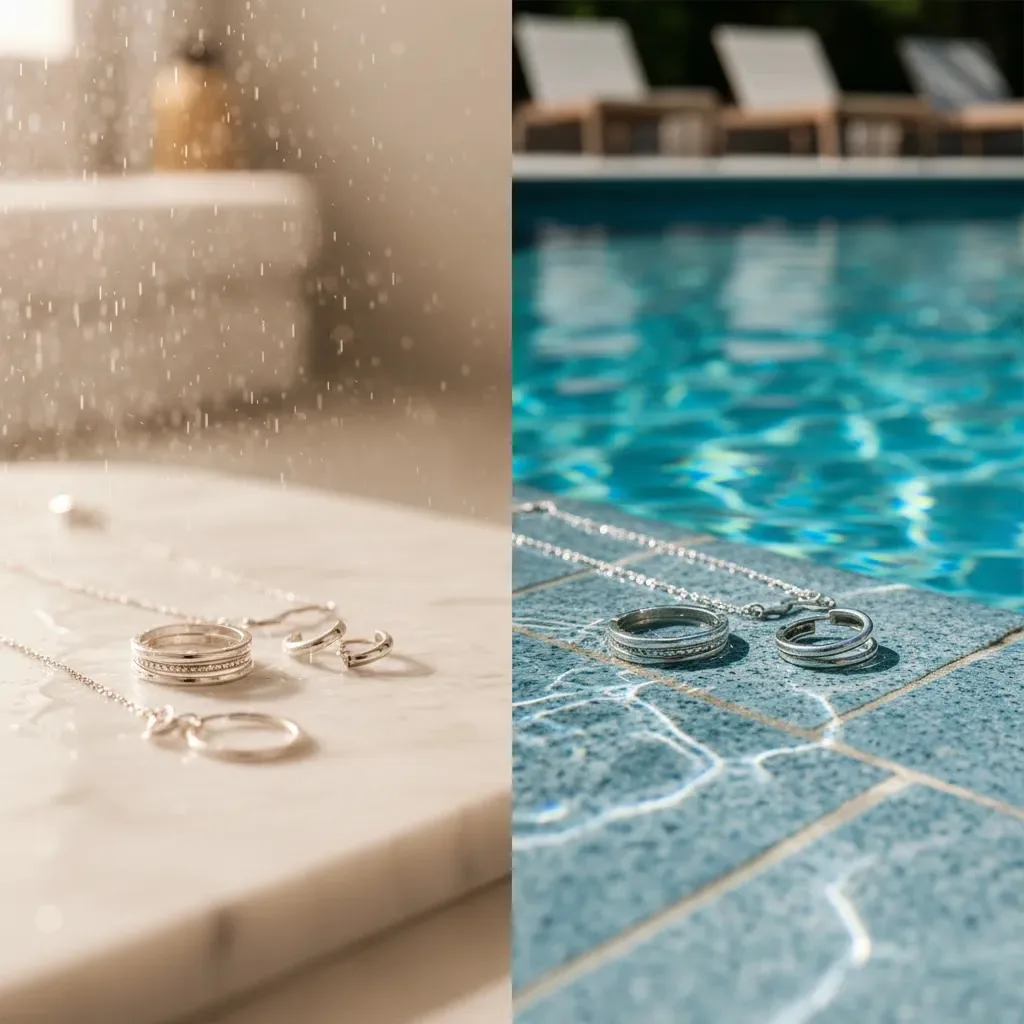
Swimming with silver jewelry creates a different level of risk than showering. This is where many return issues begin, especially when customers assume all water exposure is basically the same.
Pool water is not the same as clean water
Chlorinated pool water may be harsh on jewelry surfaces. Repeated exposure can contribute to discoloration, dullness, and faster maintenance needs. Even if the piece remains structurally sound, its appearance may change enough to trigger complaints.
Saltwater creates its own problems
Saltwater can leave residue and may increase surface reactivity. If jewelry is not rinsed and dried quickly, the result could be a film or darker tarnish developing sooner than expected. For brands selling travel-friendly or summer collections, that matters because lifestyle positioning can influence how customers wear the piece.
Wet storage makes things worse
Consider this, a sterling silver necklace worn in the ocean, then tossed into a damp pouch overnight, may tarnish faster than one exposed to water and dried properly. Storage conditions after contact are often just as important as the contact itself.
That is why your customer education should explain that does sterling silver tarnish in water is not only about the water. It is also about what is in the water and what happens next. For a broader explanation of oxidation and wear expectations, see does sterling silver tarnish.
Why Some Pieces Tarnish Faster Than Others
Not every sterling silver item behaves the same way in daily use. One customer may wear a piece for months with minimal change, while another sees discoloration quickly. For brand owners, this variation can be frustrating if you do not already have a clear explanation built into your support process.
Several factors may influence how quickly 925 sterling silver in water appears to tarnish:
- Frequency of exposure to shower water, pools, or seawater
- Contact with soaps, lotions, perfume, and cleaning products
- Local humidity and storage conditions
- How quickly the jewelry is dried after exposure
- How often the piece is cleaned and maintained
Think of it this way, water is often the trigger people notice, but the surrounding conditions drive the outcome. If your business receives inconsistent feedback about similar products, it may reflect different wear habits rather than inconsistent authenticity.
That said, businesses should still verify product quality and supplier consistency. Care education does not replace quality control. If authenticity and sourcing claims are part of your brand promise, review how ensure jewelry business offers authentic 925 sterling silver as part of your internal standards.
Common 925 and S925 Stamps, and What They Actually Mean for Retailers
Customers often treat a stamp as a final answer. From a retail and brand support standpoint, it helps to be more precise: “925” and “s925” typically indicate that a piece is marked as sterling silver, but a hallmark alone is not a complete authenticity system for your business.
Here is the practical way to explain it internally. A stamp is one data point. It can support your material claim, but it does not replace supplier documentation, SKU-level specs, and consistent quality control checks across production batches.
Retailers and brand owners may also see stamp variations in the market. Depending on production source and available space on the piece, markings might appear as “925,” “s925,” “sterling,” “ster,” “stg,” or a “925” combined with a small maker mark. The exact stamp format can vary, and sometimes stamps can be difficult to read due to size, wear, or placement.
What many brand owners overlook is how quickly hallmark questions turn into customer service tickets. A buyer might point to “s925” while reporting tarnish, then assume the item is fake because it changed color. Your support team should be ready with a consistent response: the stamp relates to the material claim, while tarnish relates to wear conditions and maintenance.
To reduce back-and-forth, build a simple internal documentation habit around every sterling silver SKU:
- Record how the item is described on your product page and packaging so claims stay consistent across channels.
- Keep supplier specs and sampling notes on file, especially if you reorder across seasons.
- Log common care-related complaints by style, not only by customer, so you can spot patterns.
Now, when it comes to responding to the customer who says, “It says 925, why did it tarnish,” the clean explanation is that authentic sterling silver can tarnish, and water exposure plus chemicals and storage can speed that up. Your job is to separate authenticity concerns from normal surface change, then provide the next best action, such as cleaning, drying, and improved storage guidance.
How Jewelry Businesses Should Communicate Care Guidance
If you sell, source, or private label sterling silver, your after-sales communication matters almost as much as the product itself. A vague care card often leads to preventable confusion. Customers may assume water-safe means maintenance-free, which is rarely a useful message.
A better approach is to give simple, specific guidance. You do not need to overwhelm people with technical chemistry. You just need clear rules that help them protect the jewelry and reduce avoidable complaints.
What to include in a care guide
- Remove sterling silver before swimming in pools or the ocean
- Avoid repeated shower exposure when possible
- Dry pieces promptly if they get wet
- Store jewelry in a dry place between uses
- Clean surface buildup before tarnish becomes heavy
Now, when it comes to brand trust, clarity is better than overpromising. Saying that 925 sterling silver water exposure should be limited is more accurate than implying that the jewelry can handle any environment without visible change.
For brands managing larger silver assortments, inventory storage protocols matter too. This resource on protecting sterling silver inventory essential tarnish prevention cleaning tips for manufacturers is especially relevant if you hold stock before retail distribution.
Tarnish vs. Corrosion vs. “Rust”, How Support Teams Should Diagnose Water Complaints
Customer messages about water exposure often use the wrong terminology. You will hear “rust” even when the issue is tarnish, residue, or surface film. The reality is that shoppers use “rust” as a catch-all word for discoloration, especially if the jewelry looks darker after moisture exposure.
From a support standpoint, it helps to separate the categories without turning the conversation into a science lesson. Sterling silver issues after water exposure typically show up as dullness, darkened areas, or a surface layer that looks like grime. “Rust” is usually used to describe iron-based oxidation. Sterling silver does not typically behave the same way, so the better approach is to focus on what the customer sees and what conditions caused it.
Here is a simple internal troubleshooting flow you can use across customer tickets and retail partner training:
- Start with exposure type: shower, handwashing, pool, ocean, or general humidity.
- Ask about residues: soap, shampoo, conditioner, lotion, sunscreen, perfume, and cleaning products.
- Check storage after wet wear: dried immediately, left on a counter, stored in a damp pouch, or stored in a bathroom.
- Confirm cleaning history: whether the customer tried to wipe it, used a polishing cloth, or used a cleaner that could leave residue.
Think of it this way, most water complaints are not caused by water in isolation. They are caused by water plus chemicals, water plus salt or chlorine, or wet storage that leaves residue sitting on the surface for hours.
In practice, the next step depends on whether the issue looks like a normal care problem or a quality control signal. If the complaint appears isolated and the symptoms match residue or light tarnish, cleaning and care guidance is often the right first response. If you see the same complaint pattern across multiple customers, across the same SKU, or across the same reorder batch, that is when you escalate to internal QC review and supplier feedback. A single anecdote can be a wear habit issue. A repeatable pattern is operational information.
What experienced buyers know is that diagnosis protects your margins. When you classify tickets consistently, you reduce unnecessary refunds, identify genuine quality issues faster, and keep your customer communication aligned with the reality of sterling silver wear.
What This Means for Product Development and Manufacturing
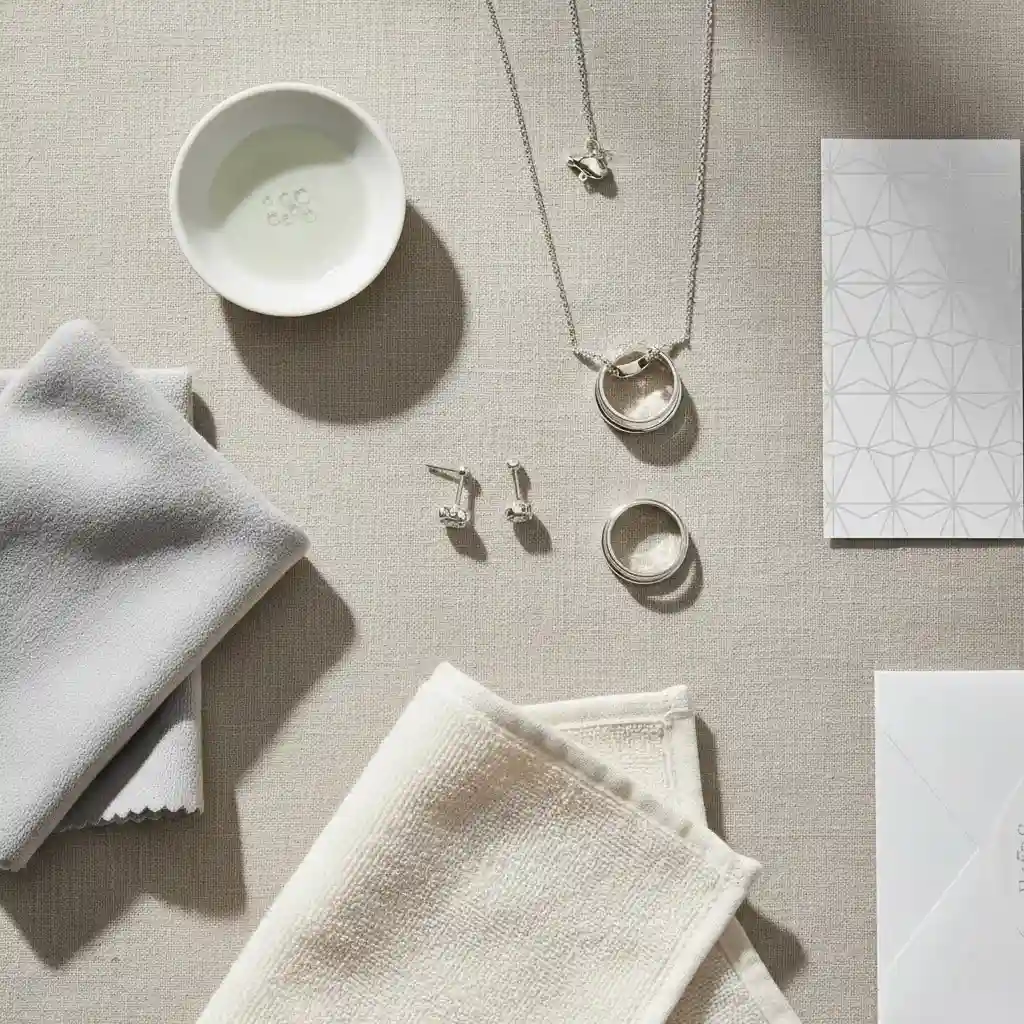
If you are developing a sterling silver line, care questions should be addressed early, not after launch. Product pages, packaging inserts, customer support scripts, and staff training should all reflect realistic wear guidance. That helps reduce disputes and keeps your brand messaging aligned with actual product behavior.
The reality is that material education is part of product development. A manufacturer can help you think through design intent, expected usage, storage, and how to present care instructions in a way your customers can understand. Royi Sal Jewelry, for example, works as a custom design and manufacturing partner for businesses building collections, which makes these practical care discussions part of a larger product planning conversation.
If your brand is still shaping its sourcing and production standards, reviewing broader site resources like 925 Sterling Silver and Jewelry Manufacturing can help connect material decisions with operational planning.
Royi Sal Jewelry is positioned around collaborative development for business clients, not retail sales, so the value is in aligning design goals, production realities, and customer-facing expectations. For founders working through private label decisions, that type of partnership may help reduce avoidable friction later in the sales cycle.
In many cases, the strongest brands are not the ones promising perfection. They are the ones explaining materials honestly, building quality checks into sourcing, and preparing customers for proper care from day one.
Frequently Asked Questions
Does 925 sterling silver tarnish in water immediately?
Usually not. Brief contact with water may not cause immediate visible tarnish, especially if the piece is dried well afterward. The bigger concern is repeated exposure, mineral content, chemical contact, and poor drying or storage habits. For jewelry businesses, this means customer complaints may show up after weeks or months of wear rather than right away. It is best to explain that water exposure can contribute to tarnish over time, even if the effect is not instant.
How long does 925 sterling silver take to tarnish in water?
There is no single timeline because water exposure is only one variable. Occasional contact that is followed by proper drying may not create visible change quickly, while repeated exposure combined with soap, chlorine, saltwater, humidity, or wet storage may speed up discoloration or surface film. For businesses, it is more useful to treat this as a wear-conditions question, then communicate that appearance may change over time and that regular care is part of owning sterling silver.
Can you shower with sterling silver if you sell it as everyday jewelry?
You can position sterling silver as suitable for regular wear, but you should still advise customers to remove it before showering when possible. Everyday wear does not mean every environment is ideal. Soap, shampoo, and moisture buildup may dull the surface and increase maintenance needs. From a brand perspective, it is better to set realistic expectations than to imply that daily shower use will have no impact. Clear care guidance helps protect both the product and your reputation.
Can 925 sterling silver go in the shower every day?
Daily shower wear is where many appearance complaints start. The metal may tolerate occasional water contact, but repeated exposure to soaps and personal care products, plus moisture trapped on the surface, can create faster dullness or tarnish buildup. If you want to reduce support tickets and returns, the clean recommendation is to remove sterling silver before showering and dry it promptly if it gets wet.
Is swimming with silver jewelry more damaging than showering?
In many cases, yes. Pool water and saltwater generally create more risk than a quick rinse or short shower. Chlorine, salt, and residual moisture can all affect appearance and may speed up tarnish formation. If your business sells resort, travel, or summer capsule collections, it is wise to include specific language about avoiding pools and seawater. Customers often assume all water is the same, but from a care standpoint, swimming conditions are usually harder on sterling silver than standard household water.
Can sterling silver get wet in the ocean?
It can get wet, but ocean wear is not ideal if your goal is to preserve appearance with minimal maintenance. Saltwater can leave residue, and if the piece is not rinsed, dried, and stored properly afterward, it may develop film or tarnish sooner. For jewelry businesses, the best practice is to advise customers to remove sterling silver before ocean swimming, or at minimum to rinse with clean water and dry thoroughly after exposure.
Why do some customers report tarnish faster than others?
Wear conditions vary widely. One customer may store jewelry carefully, dry it after use, and avoid chemical exposure. Another may wear the same piece while showering, swimming, applying lotion, and storing it in a humid bathroom. Those differences can create very different outcomes. For jewelry businesses, that means support teams should avoid assuming every tarnish complaint points to the same cause. A short troubleshooting checklist can help distinguish care-related issues from product quality concerns.
Can sterling silver get rusty?
Sterling silver does not typically “rust” in the way iron-based metals do, but customers often use “rust” to describe tarnish, darkening, or residue after water exposure. For support teams, the practical move is to ask what type of water exposure occurred and whether soaps, chlorine, saltwater, or wet storage were involved. In many cases, the issue is a surface reaction or buildup that can be addressed with cleaning and better drying and storage habits.
Should jewelry brands include water care instructions on product packaging?
Yes, that is usually a smart move. Packaging inserts, care cards, or product page notes can reduce misunderstandings before they become return requests. Keep the message short and practical. State that sterling silver may tarnish over time, especially with repeated exposure to water, chemicals, humidity, and improper storage. If your brand uses wholesale or private label distribution, these materials also help retail partners communicate consistent guidance to their own customers, which supports a more stable brand experience across channels.
Does authentic 925 sterling silver still tarnish?
Yes. Authenticity and tarnish resistance are not the same thing. Genuine sterling silver can still tarnish because tarnish is a normal surface reaction, not automatic proof of poor quality or fake material. This is an important distinction for brands because customers may assume any discoloration means the item is not real silver. Your care education should explain that authentic sterling silver often requires maintenance, especially under certain environmental conditions. That message can reduce false assumptions and unnecessary disputes.
How should retailers handle returns related to sterling silver in water?
Start with a documented review process. Ask about exposure to showering, swimming, storage conditions, and cleaning habits. Compare the issue with your published care guidance and product descriptions. If the piece appears authentic and structurally sound, the issue may be maintenance-related rather than manufacturing-related. Still, businesses should review patterns in return data. If similar complaints appear across multiple orders, it may be worth revisiting product QC, packaging instructions, or supplier communication to make sure standards are being met.
What should private label brands ask a manufacturer about silver care expectations?
Ask how the manufacturer recommends communicating care guidance, how pieces should be stored before shipment, and what wear conditions are important to disclose to end buyers. You should also discuss sampling, finishing consistency, and any handling practices that may affect surface appearance during production and fulfillment. Royi Sal Jewelry approaches custom development as a collaborative process for business clients, so conversations like these can be part of early-stage planning rather than an afterthought once inventory is already moving.
Can humidity affect sterling silver even without direct water contact?
Yes, humidity may still contribute to tarnish even when the jewelry is not submerged or worn in water. This is especially relevant for businesses storing inventory in stockrooms, shipping across climates, or holding silver pieces for extended periods before retail placement. Moist air, poor packaging, and inconsistent storage conditions can all affect appearance over time. If you manage a growing assortment, inventory handling should be treated as part of product quality control, not just warehouse organization.
How can a jewelry business reduce complaints about 925 sterling silver water exposure?
The most effective approach usually combines three things: accurate sourcing, clear care education, and consistent support policies. Verify your material claims, train your team to explain realistic wear expectations, and provide simple post-purchase guidance about showering, swimming, drying, and storage. Businesses that do this well often prevent confusion before it starts. If you are building or refining a silver line, you may also benefit from discussing product communication strategy with a manufacturing partner early in the development process.
Key Takeaways
- 925 sterling silver can be affected by water, but tarnish is often driven by chemicals, minerals, humidity, and storage conditions, not water alone.
- Repeated shower exposure is usually not ideal because soaps and moisture buildup may dull the surface and increase maintenance needs.
- Swimming with silver jewelry creates higher risk, especially in chlorinated pools and saltwater environments.
- Authentic sterling silver can still tarnish, so businesses should separate material authenticity from normal care-related surface change.
- Clear care instructions, realistic product messaging, and strong inventory handling practices can reduce preventable returns and customer confusion.
Conclusion
So, does 925 sterling silver tarnish in water? Yes, it can, but the more useful business answer is that water exposure becomes a problem when it combines with daily wear habits, chemical contact, humidity, and poor storage. If you manage a jewelry brand, boutique, or private label line, that distinction matters. It shapes how you write care instructions, train support teams, evaluate returns, and set realistic expectations for your customers.
Consider this a product education issue as much as a material issue. The brands that handle sterling silver well are usually the ones that explain usage honestly and build care guidance into the customer journey from the start. If you are developing or refining a silver collection, visit royisal.com to learn more about the custom design and manufacturing process, or reach out to Royi Sal Jewelry to discuss how a collaborative production partner can support your collection planning and product communication strategy.