

Overview
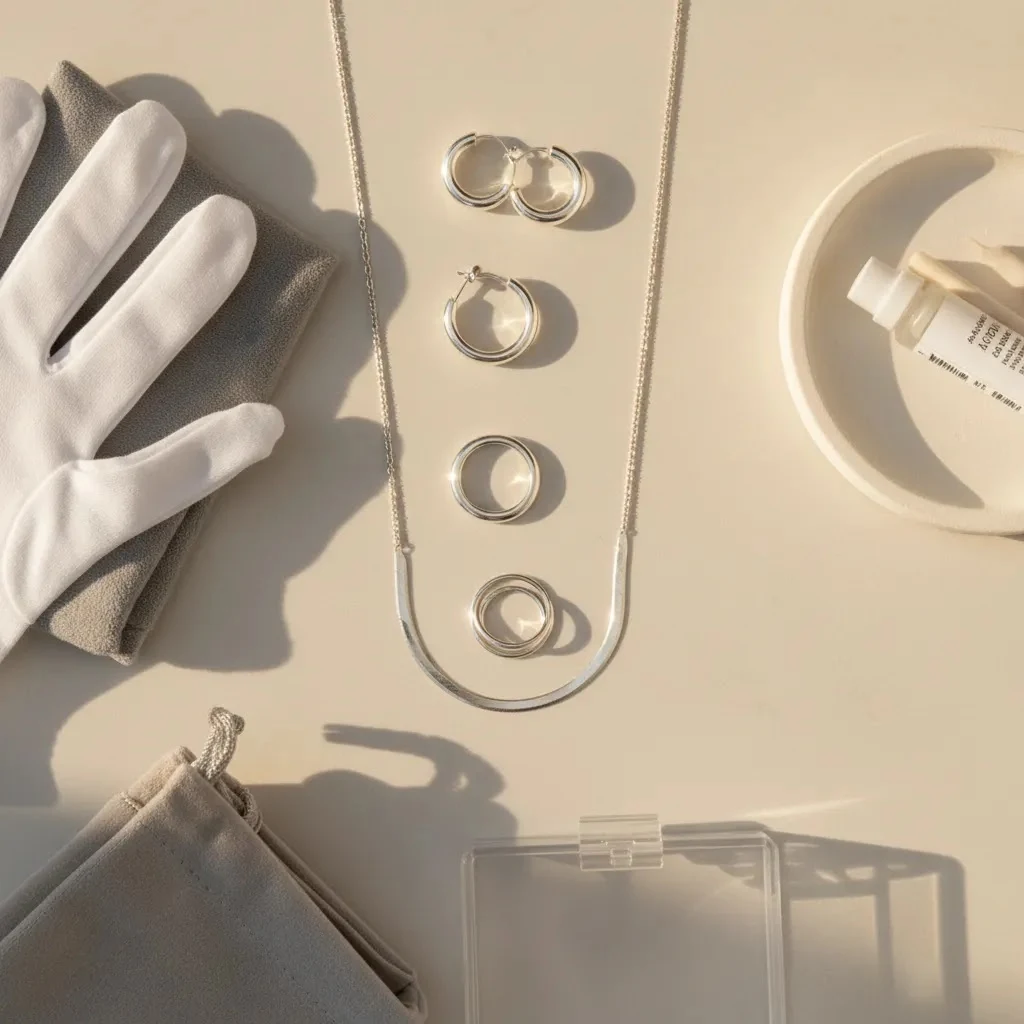
Sterling silver usually refers to 925 sterling silver, a standard jewelry alloy widely used in commercial collections. For business owners, silver offers design flexibility and broad market appeal, but it also requires disciplined care standards because tarnish can develop during storage, shipping, display, or routine handling. If your team does not have a care process in place, inventory can lose its finish quality before it even reaches a customer.
The first practical point is simple: yes, sterling silver can tarnish. If you need a deeper explanation, see does 925 sterling silver tarnish and does sterling silver tarnish. Tarnish does not automatically mean poor quality. In most cases, it reflects exposure to air, moisture, chemicals, or improper storage conditions.
From Royi Sal Jewelry’s available company information, the business focuses on custom jewelry design and manufacturing for wholesale and private label clients, with a collaborative approach led by founder Royi Gal, a jewelry designer and manufacturer. That background matters for B2B readers because care standards should be considered early in product development, not only after inventory arrives. Businesses exploring broader product planning can also review Royi Sal Jewelry’s 925 Sterling Silver and Jewelry Manufacturing sections for related context.
What “925 Sterling Silver” Means, and Why It Matters for Care Standards
In simple terms, sterling silver is not the same thing as pure or fine silver. Many jewelry businesses use sterling silver in commercial collections because it is designed to be workable for production and daily wear, while still delivering the aesthetic customers expect from silver. From a sourcing and operations standpoint, that practical balance is part of why sterling silver is common in wholesale and private label programs.
The “925” marking is widely used in the market as a fineness indicator associated with sterling silver. Now, when it comes to running quality control, treat markings like a consistency checkpoint, not a marketing detail. On receiving and during audits, verify that expected marks are present where appropriate, that placement is consistent across the same SKU, and that the mark does not interfere with the wearable areas your customers will notice first. If you manage multiple variants, build this into your inspection notes so your team is not re deciding standards each time stock arrives.
Here’s the thing: even a well established silver alloy can tarnish. That is why the “what is it” conversation should connect directly to “how do we care for it.” Businesses that set clear expectations early tend to spend less time resolving avoidable customer service issues later. In practice, this means aligning product pages, packaging inserts, and support scripts around the reality that silver can change appearance with exposure and that routine care is part of ownership, even when the piece is authentic.
How Sterling Silver Care Works in Practice
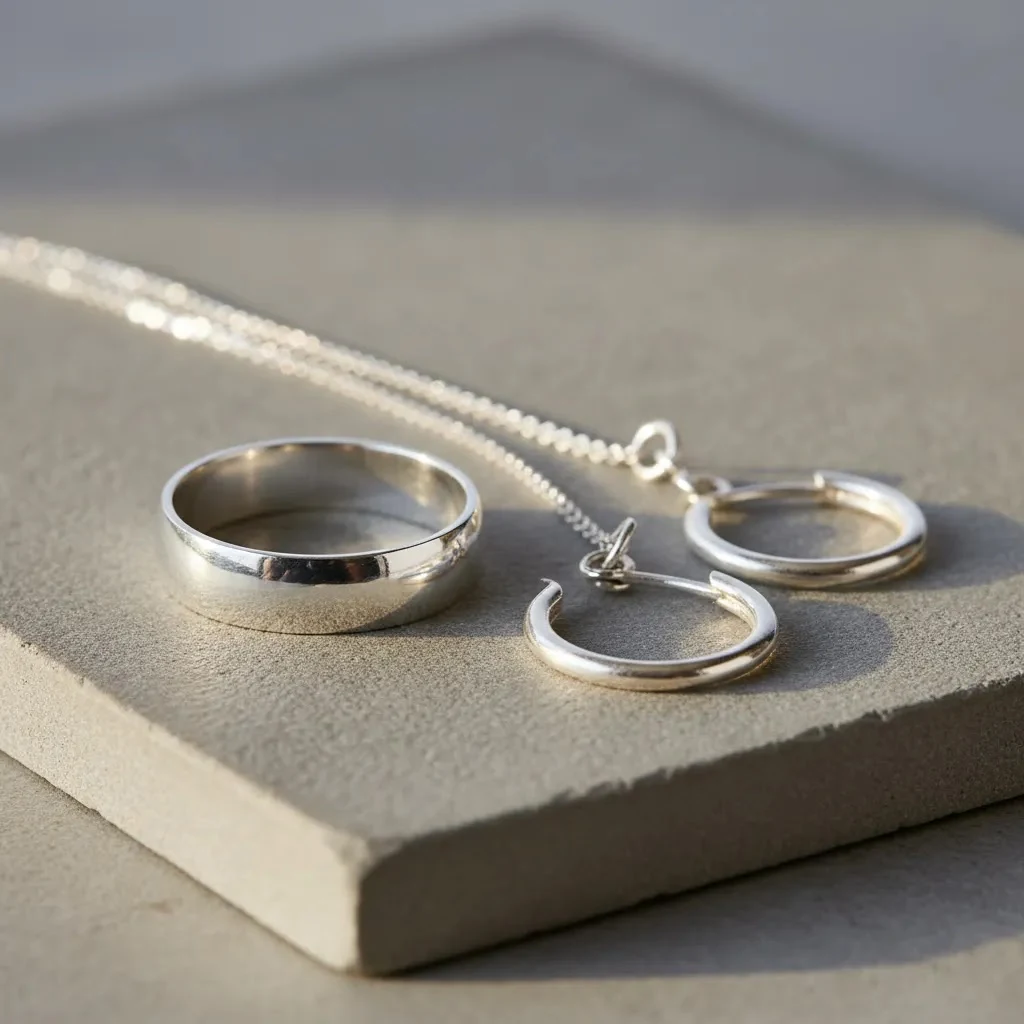
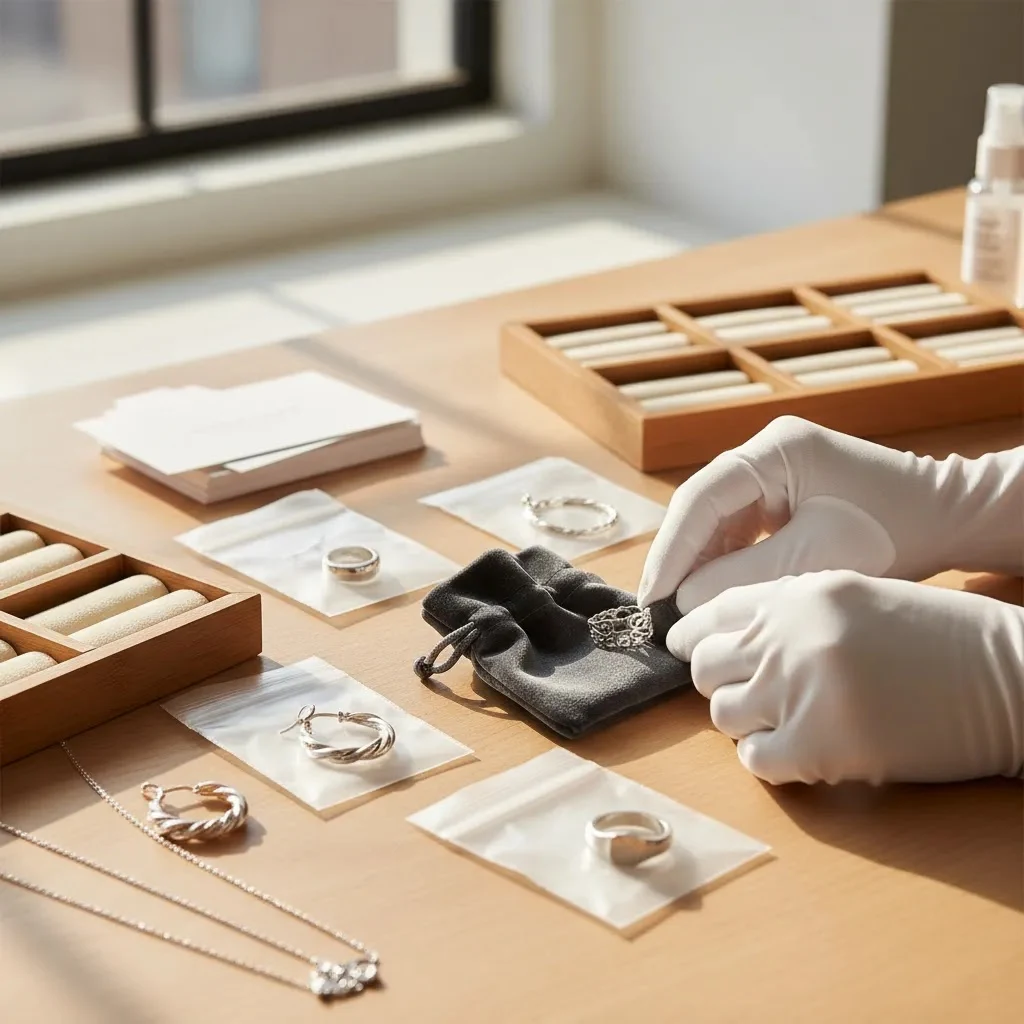
Good silver care starts with handling discipline. Pieces should be touched with clean, dry hands during inspection, packing, and merchandising. Oils, moisture, and residue from routine workplace handling can increase surface dulling over time. Teams managing volume should build simple procedures into receiving, photography, storage, and fulfillment workflows.
Storage is usually the most important control point. Sterling silver should be kept in a dry, stable environment with limited exposure to open air and humidity. Separate storage can help reduce scratching and friction between pieces, especially for chains, earrings, and rings sorted in bulk. If your operation carries meaningful silver volume, the right inventory process matters as much as the right product.
Cleaning should be gentle and scheduled. A soft polishing cloth is often the first maintenance step for light surface discoloration. Heavier buildup may require a more careful cleaning method, but aggressive rubbing, harsh chemical exposure, and poorly matched cleaning products can create avoidable finish issues. Businesses responsible for repeat orders should standardize one approved cleaning approach across all staff rather than leaving maintenance to individual judgment.
Inspection should follow each stage of movement. Check pieces after receiving, before display, before shipment, and after returns. This helps distinguish routine tarnish from handling damage or packaging problems. For operations managing larger stock levels, Royi Sal Jewelry’s related article on protecting sterling silver inventory essential tarnish prevention cleaning tips for manufacturers is a useful next read.
How to Prevent Tarnish in Day-to-Day Operations (Storage, Display, and Shipping)
Prevention is mostly about reducing unnecessary exposure. The reality is that sterling silver tends to look its best when it spends more time protected and less time sitting in open air, especially in humid environments or spaces with frequent temperature swings. If you operate a retail floor plus a back room, or multiple storage locations, build a simple staff rule that pieces should come out for a defined task, then go back into controlled storage, rather than staying out between steps.
From a production standpoint, many tarnish problems start with inconsistent handling, not with the product itself. Consider this: receiving teams may open shipments and leave trays uncovered, photography teams may stage product for hours, and fulfillment teams may repack pieces without a consistent pouching or bagging routine. Create one standardized flow for how each unit is separated to reduce abrasion, how it is repackaged after photography, and who owns the final check before it goes into storage or out the door. Consistency matters more than any single trick.
What many brand owners overlook is that tarnish and scratching often begin during high risk moments, not during normal day to day storage. Returns are a common trigger because pieces come back after unknown exposure, then get mixed into sellable stock too quickly. Seasonal storage shifts can also introduce problems if inventory is moved into different rooms or containers without a reset inspection. Multi location transfers are another risk point, because packaging standards and handling discipline can vary between teams unless responsibilities are defined.
What Jewelry Businesses Should Expect
Businesses working with sterling silver should expect ongoing maintenance, not permanent immunity from tarnish. This is a normal operational reality of silver inventory. Pieces that move quickly through stock may show fewer issues than items held in storage for longer periods, especially if warehouse conditions vary by season or region.
You should also expect care standards to influence customer experience. A piece that looks bright at dispatch but dull after poor storage practices can affect perceived quality, even if the underlying product is authentic. That is why authentication and care should be managed together. If your team is reviewing sourcing standards, see how ensure jewelry business offers authentic 925 sterling silver.
For private label and wholesale brands, sterling silver care may also affect packaging decisions, replenishment planning, and return procedures. Businesses should have internal guidance on how pieces are stored, how often they are checked, and who is responsible for maintenance before shipment. If you are developing a custom collection, these operational details are worth discussing with a manufacturing partner during the planning stage.
Based on available brand data, Royi Sal Jewelry supports custom jewelry design, collaborative consultation, manufacturing, and global fulfillment. That suggests B2B clients can discuss product development and practical handling considerations as part of a broader manufacturing relationship, although timelines, packaging details, and production specifications may vary by project.
Cleaning Methods Businesses Ask About (What to Use, What to Avoid, and When to Escalate)
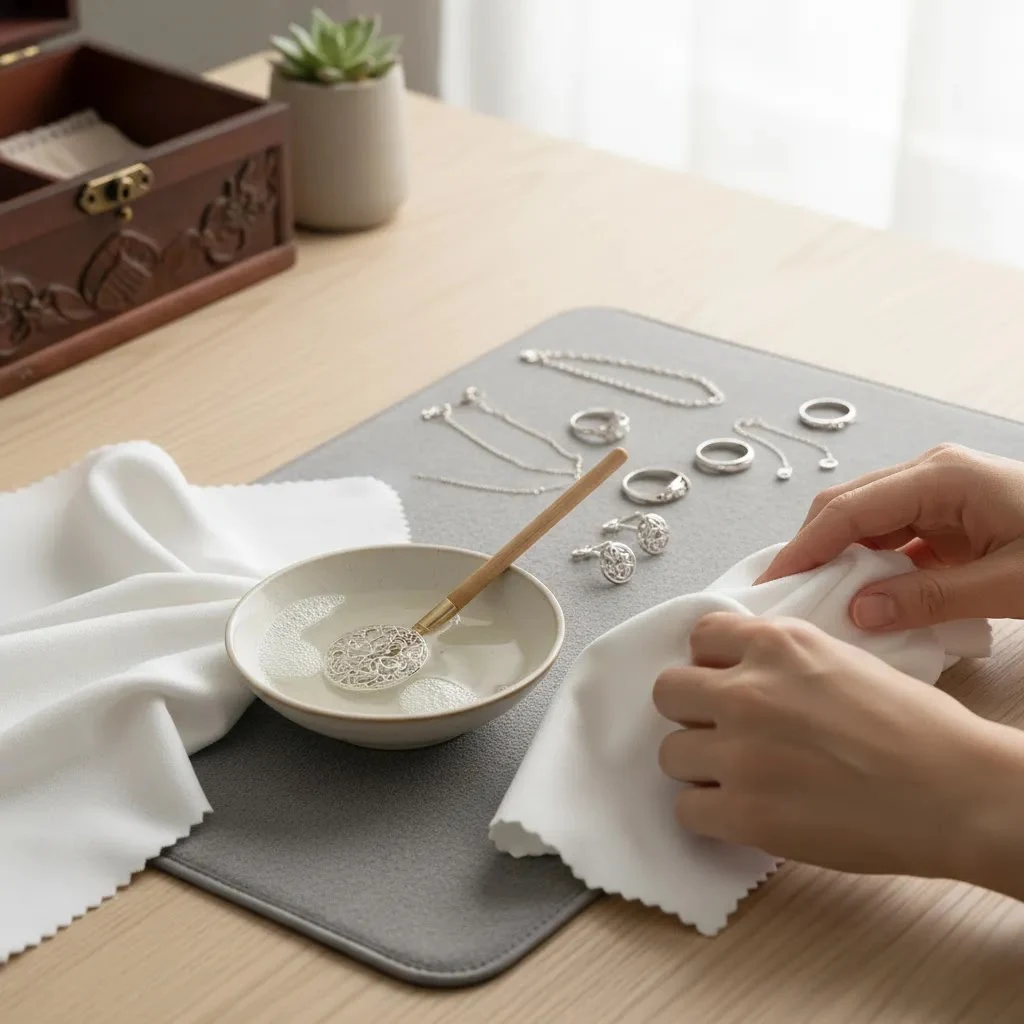
Businesses often ask for a simple approved cleaning answer, but the best approach is a consistent policy that matches your product range and team skill level. For light discoloration, a polishing cloth is often a controlled first step because it is easy to train and repeat. For grime from handling or display, gentle washing may be appropriate in some cases, but it should be treated as a defined process, not a casual fix done differently by each staff member.
One common question is whether dish soap can be used on sterling silver. In practice, mild soap and water may be used for light cleaning in some operations, provided the process is controlled, thoroughly rinsed, and fully dried before re storage. The goal is not to find the strongest cleaner, it is to avoid unpredictable outcomes across inventory. If you decide to allow any soap based method, document when it is used, who can use it, and what steps must follow so pieces do not sit damp or get packed away before they are ready.
For heavier tarnish, intricate designs, or pieces with detailed surfaces that are harder to clean consistently, set escalation rules. Isolate the affected units, test any method on a single piece first, and document the outcome before applying it across a batch. If a piece is still not meeting presentation standards, or if there is a risk of finish damage from further cleaning, the most reliable move is to stop uncontrolled experimentation and consult your manufacturing partner for guidance on what is appropriate for that specific item design and production method.
Train your team on clear “do not do” practices. Avoid harsh chemicals, overly abrasive tools, and unapproved cleaning experiments at the counter or in the back room. Small inconsistencies compound quickly in a business setting, especially when multiple people handle the same SKU across receiving, photography, merchandising, and fulfillment.
Strengths and Considerations
Strengths
- Sterling silver is commercially established, making it familiar to many jewelry retailers and brand founders.
- Care processes can be standardized across receiving, storage, merchandising, and fulfillment teams.
- Tarnish is usually manageable with proper storage and regular maintenance rather than a sign that inventory must be written off.
- Silver care planning can be integrated early into private label and wholesale product development.
- Royi Sal Jewelry’s collaborative model is relevant for businesses that want to discuss care, presentation, and manufacturing requirements together.
Considerations
- Sterling silver requires ongoing maintenance, especially in businesses with slower stock turnover.
- Humidity, air exposure, and inconsistent handling procedures can create uneven inventory condition across locations.
- Cleaning methods that are too aggressive may affect finish quality or create avoidable wear.
- Available tool data does not confirm specific packaging systems, anti tarnish materials, or exact maintenance protocols, so these details should be confirmed directly for any custom project.
Who This Is For
This topic is most relevant for jewelry retailers, boutique owners, fashion brands, sourcing teams, and entrepreneurs building a silver line under a private label or wholesale model. It is especially useful for businesses that hold inventory, sell across multiple channels, or need consistent quality control across storage and fulfillment operations. It is also relevant for brands in early development that want to factor care requirements into collection planning before they finalize manufacturing decisions. If your goal is not simply to clean silver occasionally, but to build a repeatable operating standard around it, this guidance is for you.
How to Get Started
Start by reviewing your current silver handling process from intake to shipment. Document where pieces are stored, how often they are inspected, what cleaning method is used, and who is responsible for maintenance. If no process exists, create a basic workflow before expanding your assortment.
Next, clarify your product and business requirements. If you are sourcing or developing a custom collection, prepare a brief that covers your planned assortment, sales channels, expected order volume, packaging needs, and fulfillment model. This gives a manufacturing partner enough context to advise more effectively.
If you need support beyond care guidance, contact Royi Sal Jewelry through royisal.com to discuss a custom project or manufacturing inquiry. Based on available company information, the business works with B2B clients on custom jewelry design and manufacturing through a partnership oriented process led by Royi Gal. That can be useful for businesses that need help aligning design development, production planning, and practical inventory handling expectations from the start.
Frequently Asked Questions
What is sterling silver in a business inventory context?
In commercial jewelry terms, sterling silver generally refers to 925 sterling silver, a recognized standard used across many product categories. For businesses, the key issue is not only what sterling silver is, but how it behaves in storage, shipping, and daily handling. Inventory procedures should reflect that silver can change in appearance if maintenance is inconsistent.
Does sterling silver tarnish even when it is real?
Yes. Authentic sterling silver can tarnish over time. Tarnish alone does not prove that a piece is inauthentic or defective. It usually reflects environmental exposure and storage conditions. Businesses should train teams to distinguish between normal silver behavior and actual quality problems so they can respond appropriately during inspection and customer service review.
How often should a jewelry business clean sterling silver stock?
There is no universal schedule because cleaning frequency depends on stock turnover, storage conditions, display practices, and handling volume. Businesses with slower moving inventory may need more frequent checks. A practical approach is to inspect silver on receipt, before display, before shipment, and after returns, then clean only as needed using a consistent method.
Can improper storage affect silver jewelry before it is sold?
Yes. Poor storage can affect the appearance of sterling silver before a piece ever reaches a buyer. Air exposure, humidity, and unmanaged handling can all contribute to tarnish or dullness. For that reason, silver care should be treated as an inventory management issue, not only a post sale service matter.
Is sterling silver hypoallergenic?
Some businesses ask this when planning product positioning, but the available tool data does not confirm composition details beyond general sterling silver context. Because sensitivity can depend on alloy composition and end user factors, brands should avoid broad universal claims unless supported by verified product specifications for the exact item being produced or sourced.
Should silver care be discussed during custom product development?
Yes, especially for private label or wholesale projects. Care expectations can affect packaging decisions, storage planning, replenishment timing, and quality control procedures. Businesses that raise these questions early are usually in a better position to manage inventory consistently once production begins. It is a practical part of launch planning, not a minor afterthought.
What should a brand prepare before contacting a manufacturing partner?
Prepare a clear brief covering your business model, intended product range, estimated order needs, target sales channels, and any concerns about storage, handling, or fulfillment. If sterling silver is part of the plan, note how you expect to store and move inventory. This gives the manufacturer better context for advising on development and production.
How does Royi Sal Jewelry fit into this process?
Based on available company data, Royi Sal Jewelry provides custom jewelry design and manufacturing services for B2B clients, with collaborative consultation, global reach, and hands on leadership from Royi Gal as both designer and manufacturer. Businesses considering a custom silver line can contact the team to discuss project scope, development needs, and operational requirements directly.
How do you keep sterling silver from tarnishing?
You reduce tarnish risk by controlling exposure and standardizing handling. For businesses, the most effective approach is a repeatable process: store silver in a dry, stable environment, limit open air time during merchandising and photography, and separate units to reduce friction and scratches. Consistent inspection after receiving, before shipping, and after returns helps catch issues early, before they spread across sellable inventory.
Can you wear sterling silver every day?
In many cases, sterling silver is used in jewelry intended for regular wear, but daily use can increase exposure to moisture, chemicals, and abrasion that may accelerate dullness or tarnish. For businesses, the practical step is to set realistic care expectations in product information and support scripts, and to be consistent about what you advise customers to avoid during wear.
How long will 925 sterling silver last?
Longevity depends on how the piece is made, how it is worn, and how it is maintained. From an inventory and brand standpoint, 925 sterling silver can remain serviceable for a long time, but appearance will vary if care is inconsistent. The most reliable way to protect longevity in a business setting is to prevent avoidable damage during storage and fulfillment, and to avoid overly aggressive cleaning that can create unnecessary wear.
Can you use Dawn dish soap on sterling silver?
Some businesses use mild dish soap and water for light cleaning, but the key is process control. If you allow it, keep it to gentle washing for grime, rinse thoroughly, dry completely, and return pieces to proper storage only after they are fully dry. For heavy tarnish or detailed designs, avoid improvising. Isolate the unit and use a defined escalation step so you do not create inconsistent outcomes across inventory.
Key Takeaways
- Knowing how to care for sterling silver is important for inventory quality, product presentation, and customer confidence.
- Tarnish is a normal risk with sterling silver and should be managed through storage, handling, and inspection procedures.
- Silver care should be treated as part of business operations, not only as an occasional cleaning task.
- Authentication, maintenance, and product planning should be considered together when building a silver collection.
- Businesses developing custom or private label silver jewelry can contact Royi Sal Jewelry to discuss manufacturing and collaboration requirements.
Conclusion
Sterling silver can be a strong category for jewelry businesses, but it rewards disciplined handling. The real issue is not whether silver can tarnish, but whether your business has a repeatable process to prevent avoidable deterioration and maintain presentable stock. For retailers, boutique owners, and brand founders, that means combining product knowledge with practical storage, inspection, and cleaning standards. It also means asking the right operational questions before a collection is developed at scale. Royi Sal Jewelry is positioned as a B2B custom design and manufacturing partner, not a retail seller, so businesses that need support with custom development, wholesale planning, or private label production can visit royisal.com to start a project discussion or request a consultation.