Overview
In B2B jewelry, ethical and sustainable positioning affects more than marketing copy. It influences supplier selection, design development, production planning, and how a brand communicates quality and responsibility to stockists or distribution partners. Many businesses use these terms broadly, but in practice they can refer to sourcing transparency, production oversight, documentation standards, packaging decisions, order planning, and how claims are presented in sales materials.
That is why this topic is not only about values. It is also about risk management. A brand that promises ethical jewelry without a clear sourcing and production process may create avoidable exposure during wholesale conversations, client onboarding, or future scaling. Foundational questions such as what is ethical jewelry and why is ethical sourcing important in jewelry should be settled before claims appear in product catalogs or private label briefs.
Royi Sal Jewelry operates as a custom jewelry design and manufacturing partner for B2B clients, with services centered on custom jewelry design and development, jewelry manufacturing for wholesale and private label clients, collaborative design consultation, and global shipping and order fulfillment. Led by Royi Gal, a jewelry designer and manufacturer, the company’s model is built around collaboration and hands-on project development, which is especially relevant for brands trying to align sourcing expectations with real production decisions.
What “Ethical” and “Sustainable” Mean in Practice (And Why Definitions Matter)
A critical distinction for B2B brands: in jewelry sourcing, “ethical” and “sustainable” are not single features you can add to a product. They are operational categories, and different buyers, retailers, and regions may expect different definitions. If your team treats these words as general brand language, you can end up with a mismatch between what sales is promising and what production can actually support.
In practice, “ethical” is often discussed in terms of how work is done and how responsibility is managed across a supply chain. That can include what level of supplier visibility you have, how labor and facility conditions are overseen, what policies a partner can share, and what documentation can be provided during onboarding or wholesale due diligence. “Sustainable” is often discussed in terms of impact reduction, which might include production efficiency, waste reduction approaches, packaging decisions, and logistics planning. Both concepts also connect to claims language, meaning what you say publicly, what you can support internally, and what your manufacturer can reasonably confirm.
Vague definitions create B2B risk. A stockist may ask for proof points during onboarding. A distributor may request clarification before listing. Your own team may answer questions inconsistently across email, line sheets, and product pages. Even if the product itself is strong, unclear terms can slow approvals, complicate wholesale conversations, and create rework later when a buyer asks for documentation you did not plan to request or retain.
A useful starting exercise is to create a simple definition worksheet before you brief a manufacturer. Start with three sections: what you will claim, what you will not claim, and what documentation you can realistically request and keep on file. The goal is not to overbuild a compliance program. The goal is to set boundaries that your design brief, production planning, and B2B sales materials can all follow. Once that is clear, you can have a more productive conversation with a manufacturing partner about what is feasible to document and how to keep expectations consistent as the collection scales.
How the Sourcing and Manufacturing Process Works
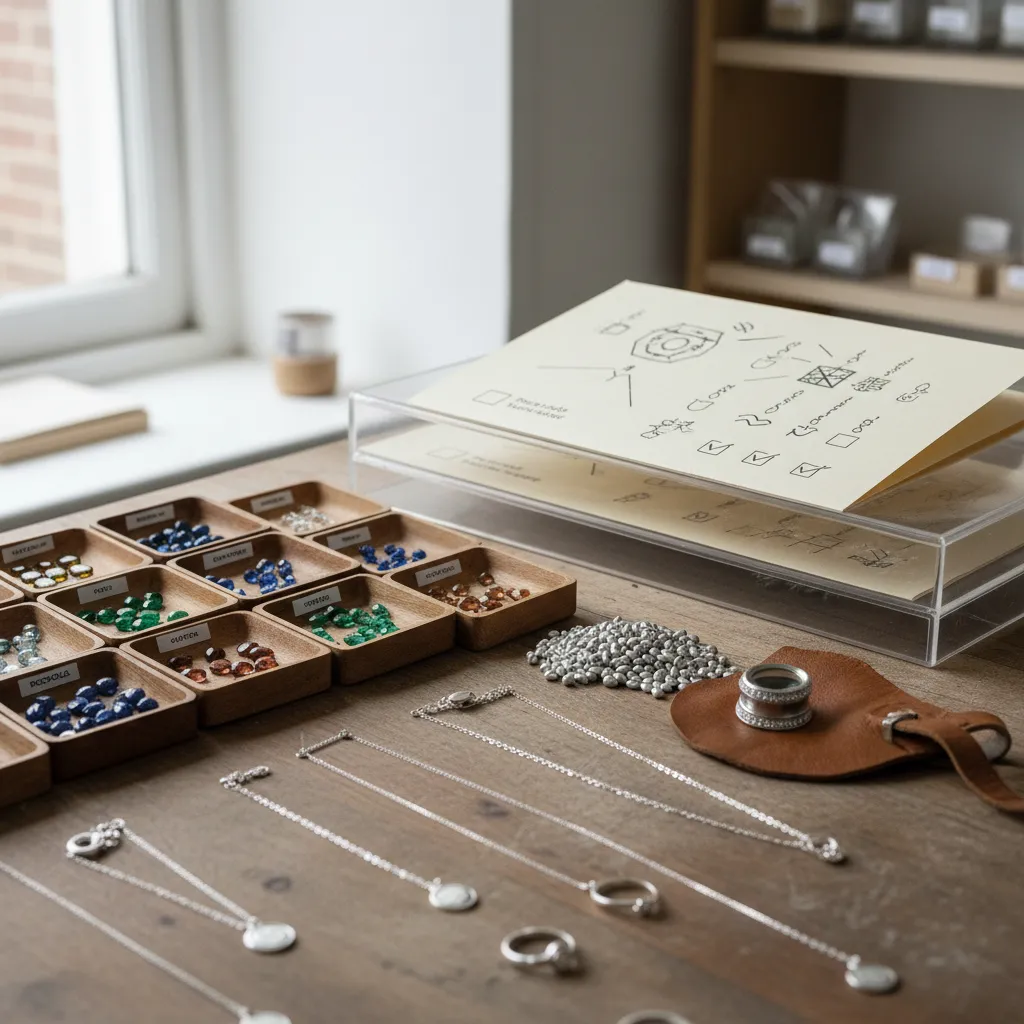
For most brands, ethical and sustainable goals need to be addressed at the brief stage, not after sampling begins. That means defining what the brand wants to claim, what level of traceability it expects, what information it needs from a manufacturer, and how those requirements affect product development. If these points are vague, delays and revisions become more likely later in the process.
A practical workflow often starts with a design and sourcing brief. This brief may outline the collection concept, target market, intended positioning, and any sourcing or production standards the brand wants to prioritize. During design development, technical accuracy still matters. Even a topic that seems purely creative, such as surface detail or render presentation, can affect approval cycles, which is why technical concepts like what is a normal in 3d modeling can become relevant during custom product development.
From there, a manufacturer and client typically move through consultation, prototype or sample discussion, revisions, approval, production run planning, and fulfillment. Royi Sal Jewelry’s service profile supports this type of end-to-end project path, from custom design through manufacturing and global delivery. For brands exploring broader market positioning, related reading on sustainable jewelry brands ethical sourcing and sustainable jewelry brands can help clarify how sourcing language is being framed at the business level.
How Technology Is Affecting Ethical and Sustainable Jewelry Manufacturing
Technology is changing how brands manage ethical and sustainable jewelry projects, mostly by improving process control and documentation, not by automatically making a product “ethical” or “sustainable.” From a production standpoint, that difference matters. Digital tools can help you build a cleaner approval trail, reduce preventable revisions, and keep specifications consistent across repeats, which supports clearer claims and fewer internal contradictions.
For custom development, CAD workflows, prototyping steps, and structured production documentation can make it easier to define what is being made and how it is being evaluated. Clear files, controlled revisions, and agreed specifications can reduce miscommunication, which is one of the most common drivers of wasted time and remakes in custom manufacturing. If your brand is making responsibility-focused claims, fewer uncontrolled changes and clearer approvals can also help you avoid making statements that are not aligned with the final production outcome.
Put simply, technology can improve visibility, but it does not replace standards. A detailed CAD file does not define your sourcing requirements. A clean approval process does not confirm what happens upstream unless you have aligned expectations and a partner who can communicate what is verifiable. Digital tools support ethical and sustainable positioning best when they are used to enforce consistency, track decisions, and keep your team and your manufacturer aligned.
If you are evaluating a manufacturing partner, ask practical process questions tied to control and repeatability: how design changes are tracked, how specifications are approved, what gets recorded during sampling, and how a production run is kept consistent with an approved sample. Royi Gal’s perspective as both a jewelry designer and manufacturer is relevant here because the strongest outcomes usually come from connecting design intent, technical execution, and documented approvals into one workflow that your brand can rely on when questions come from wholesale buyers.
What Clients Should Expect
B2B clients should expect ethical and sustainable jewelry projects to involve more clarification than a standard price-led production inquiry. A manufacturer may need more detail about your brand claims, documentation expectations, packaging direction, and quality priorities before giving reliable guidance on next steps. That is normal. It reflects the fact that ethical positioning is tied to process, not only to product appearance.
You should also expect tradeoffs. A more selective sourcing framework can narrow options, affect lead times, or require additional review during design and production planning. Businesses that approach this well usually keep their messaging specific and operationally realistic. Instead of broad promises, they define what can actually be supported through supplier communication and production oversight.
Royi Sal Jewelry’s collaborative approach is relevant here because ethical or sustainability-focused projects often need discussion, iteration, and hands-on alignment between the brand and manufacturer. The company’s global reach and private label orientation can support international business clients, but project details such as timelines, production requirements, and minimums may vary depending on scope and design complexity.
Common Challenges Brands Face With Ethical and Sustainable Jewelry (And How to Reduce Risk)
A pattern that experienced buyers recognize is that the hardest part of ethical and sustainable jewelry is not choosing the direction, it is keeping it consistent across briefing, development, wholesale selling, and repeat production. Most friction shows up in a few predictable places, and you can reduce risk if you plan for them early.
One common challenge is documentation gaps. A brand may assume certain information will be available, then discover that the level of detail it wants is not standard for every supplier relationship. Transparency can also have limits, especially across complex supply chains. That does not mean a project cannot move forward, but it does mean your claim scope should match what can be supported through real communication and records.
Another challenge is changing requirements mid-project. It is common for buyer questions, retailer onboarding forms, or internal brand decisions to surface after sampling begins. If your team expands claim language late in development, you may need extra checks, more approvals, or revised packaging and sales materials. Approval cycles can also be longer, since sustainability-led projects often involve more internal stakeholders and more careful review of what will be said publicly.
Scaling is its own pressure point. The first run is often treated as a special project, but wholesale success depends on repeatability. If specs are not standardized, reorders can drift from the approved sample. That can create inconsistent answers when stockists ask for details, or when different team members describe the same product in different ways. In practice, consistency is what protects your brand reputation in B2B conversations.
You can reduce these risks with a few operational habits. Set claim scope early, and keep it aligned across your line sheet language, website copy, and your manufacturing brief. Align documentation requirements during the initial briefing, including what you want to receive, how it will be stored, and who on your team is responsible for managing it. Build time for review into the critical path, so you are not trying to approve sensitive claim language at the last minute. For reorders, standardize specs and track changes so repeats stay consistent with the approved reference. This is where a collaborative manufacturing partner is valuable, because the work is not only making the product, it is maintaining clarity as your collection moves from development into ongoing production.
Strengths and Considerations
Strengths
- A clear ethical and sustainable sourcing framework can strengthen wholesale positioning and make brand messaging more credible in B2B sales conversations.
- Early alignment between brand claims and manufacturing requirements helps reduce confusion during sampling, approvals, and production planning.
- Working with a partner that combines design consultation and manufacturing can improve communication between concept development and production execution.
- Founder-led expertise matters. Royi Gal’s background as both jewelry designer and manufacturer supports a more practical discussion around development, revisions, and production realities.
- Global fulfillment capability can help brands that need a manufacturing relationship able to support international business growth.
Considerations
- Ethical and sustainable terms are often used broadly, so brands need precise internal definitions before presenting claims to buyers or retail partners.
- Additional sourcing requirements can create more complexity during project planning and may affect timing, approvals, or production flexibility.
- Not every manufacturer-client relationship will support the same level of documentation, traceability, or operational detail, so expectations should be discussed early.
- Pricing, order quantities, and timelines may shift depending on project scope, requested development work, and fulfillment requirements.
Who This Is For
This topic matters most for jewelry retailers, boutique owners, private label founders, and fashion brands that want their sourcing story to support long-term business growth. It is especially relevant for teams preparing a new collection, reviewing manufacturing partners, or tightening brand claims before approaching stockists and wholesale buyers. It also fits businesses that are moving from informal supplier relationships to a more structured development and production model through a dedicated partner in jewelry manufacturing and jewelry sourcing.
How to Get Started

Start by defining what ethical and sustainable means for your business in operational terms. List the claims you want to make, the sourcing questions you need answered, and the level of transparency you expect from a manufacturing partner. Then prepare a structured brief covering collection goals, target market, product direction, expected order planning, and any documentation needs tied to your brand positioning.
Once your brief is ready, contact Royi Sal Jewelry through royisal.com to discuss the project. A productive first conversation should cover design intent, development scope, manufacturing expectations, and how sourcing requirements may affect the workflow. Because the company works through collaborative design consultation and B2B manufacturing support, this stage is where alignment matters most. Clear communication early in the process usually leads to better prototype decisions, more realistic production planning, and fewer issues during later approvals.
Frequently Asked Questions
Why is ethical and sustainable jewelry a challenge for B2B brands?
The challenge is that the terms sound simple but involve multiple operational decisions. A brand may need to define sourcing standards, supplier communication, documentation expectations, and approval procedures before making public claims. If those details are unclear, manufacturing and sales teams can end up working from different assumptions.
How can a manufacturer support an ethical jewelry project?
A manufacturer can support the project by participating early in design and production planning, clarifying what information is needed, and helping align the brief with realistic manufacturing steps. This is most effective when the relationship includes consultation rather than only order taking, since ethical positioning often requires discussion and revision.
Does sustainable positioning affect product development?
Yes, it often does. Sustainable positioning can influence supplier selection, design choices, approval timing, packaging direction, and how a collection is described to wholesale buyers. Even if the final product looks similar, the development path may require more review and clearer documentation standards than a conventional project.
What should a brand prepare before contacting a manufacturer?
Prepare a business brief with collection goals, intended market, product direction, production expectations, and the exact sourcing or sustainability questions you need addressed. It also helps to define which claims are essential to your brand and which are still under review. That makes early conversations far more efficient.
Can ethical sourcing claims be added later in the process?
They can be discussed later, but that usually creates more risk. Claims introduced after design approval or production planning may require new checks, revised messaging, or extra coordination. It is more effective to address ethical positioning at the start, while the project brief and development scope are still flexible.
Is this only relevant for large jewelry brands?
No. Smaller private label businesses and emerging brands often benefit just as much from getting this right early. A clear, realistic sourcing position can help a young brand avoid overpromising, build trust with stockists, and establish better manufacturing habits before order volumes grow.
How does Royi Sal Jewelry fit into this type of project?
Royi Sal Jewelry works as a B2B custom jewelry design and manufacturing partner, with collaborative consultation, wholesale and private label manufacturing support, and global fulfillment capability. That model is useful for brands that need design development and production planning to stay aligned while refining sourcing expectations.
What are the challenges faced by the jewelry industry?
Many of the biggest challenges are operational: supply chain complexity, inconsistent documentation, shifting buyer requirements, and the difficulty of keeping quality and specifications consistent as a brand scales. For ethical and sustainable jewelry specifically, the challenge is often that the same term can mean different things to different partners, so brands need tighter definitions, clearer records, and better internal alignment between marketing, product development, and manufacturing.
What is the hottest jewelry trend right now?
For many B2B brands, one of the strongest ongoing trends is responsibility-led positioning, including ethical and sustainability-focused messaging. The opportunity is that buyers are asking more questions and brands can differentiate with clear, specific claims. The risk is that trend momentum can push teams toward broad statements. Brands tend to perform better in wholesale conversations when they translate the trend into operational commitments they can document and repeat across reorders.
Why is sustainable jewelry important?
For a brand, sustainable jewelry is important because it affects buyer confidence and long-term positioning. Stockists and wholesale partners often want to understand how a product is made and what a brand’s claims actually mean. Clear sustainability priorities can also influence how you plan development, approvals, packaging decisions, and repeat production, which is why it works best when it is built into your sourcing brief instead of added as marketing language later.
What is ethical jewelry?
Ethical jewelry is usually defined by process rather than appearance. In many B2B settings, it refers to how sourcing is managed, what oversight exists, what information can be documented, and how responsibly a brand communicates its claims. Since definitions vary, it is most effective to define ethical scope internally, confirm what your manufacturing partner can support, and keep your public language aligned with what you can verify.
Key Takeaways
- Ethical and sustainable jewelry is both a market opportunity and an operational challenge for B2B brands.
- Clear internal definitions are essential before making sourcing claims in wholesale or private label settings.
- Manufacturing partners should be involved early so sourcing expectations align with design, sampling, and production planning.
- Collaborative development is especially valuable when a brand needs both product execution and process clarity.
- Royi Sal Jewelry’s designer-manufacturer model can support brands that need practical discussion around custom development and global B2B production.
Conclusion
Ethical and sustainable jewelry creates a real opening for brands that want stronger market positioning, but it also raises the standard for sourcing discipline and manufacturing communication. The brands that benefit most are usually the ones that treat this as a process issue, not only a message. That means defining claims carefully, building them into the project brief, and working with a manufacturing partner that can discuss design, development, and production as one connected workflow. Royi Sal Jewelry is relevant for businesses that need that kind of collaboration, especially where custom design, private label manufacturing, and international fulfillment need to stay aligned. To discuss a new collection or sourcing-focused project, visit royisal.com and contact the team directly.
Share this post