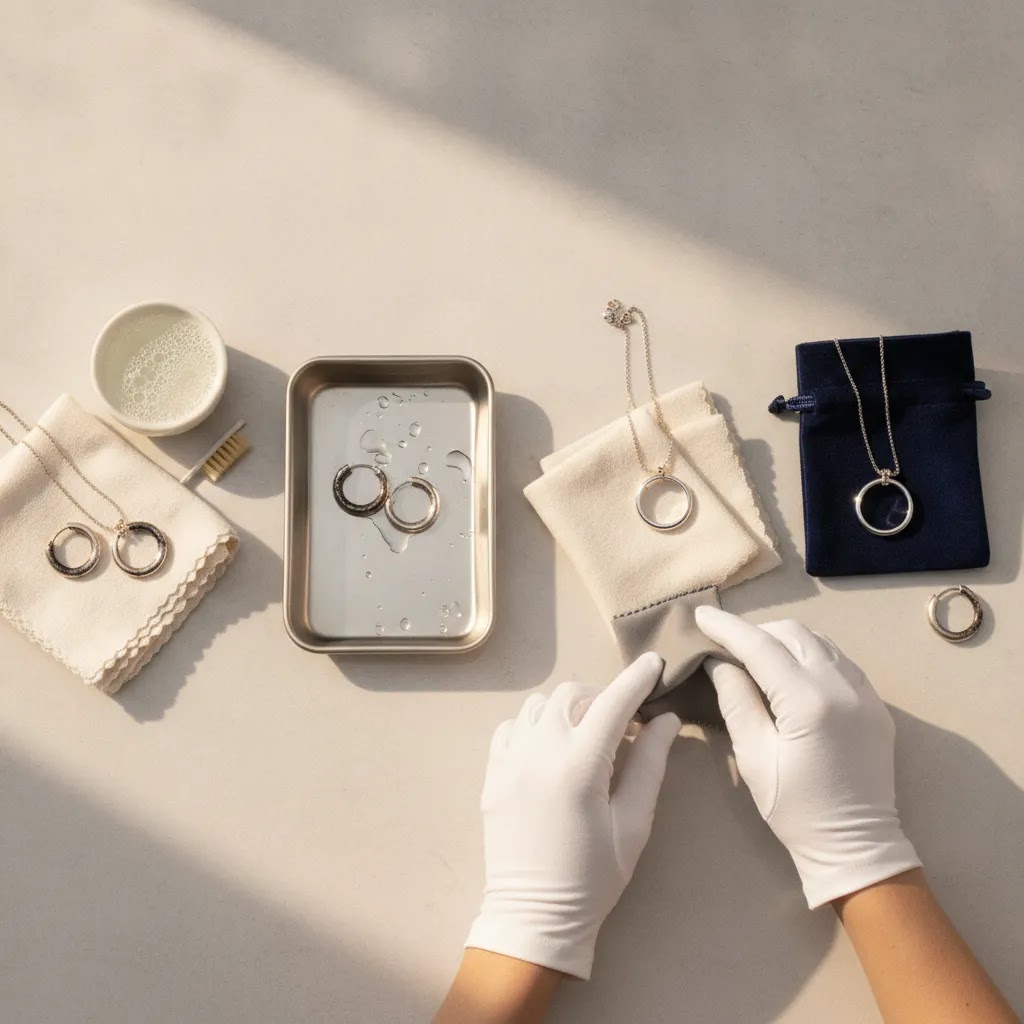
Does your sterling silver line look old before it is actually old? That problem often starts with inconsistent care handling, not product age alone. For jewelry businesses, cleaning is only part of the answer. Presentation standards, storage controls, handling rules, and supplier coordination also affect whether pieces stay saleable, sample-ready, or suitable for reorder review.
This checklist is built for boutique owners, jewelry brands, and private label teams. If you need broader care guidance first, review how to care for sterling silver. Here, the focus is narrower. You will see 5 steps to make your sterling silver jewelry look like new across stock, samples, photo units, and quality-control staging without causing avoidable damage.
5 Steps to Make Your Sterling Silver Jewelry Look Like New
Use this as a working list for your team. Screenshot it, print it, or add it to your receiving and quality-control process.
| Step | What your team does | Main goal |
|---|---|---|
| 1 | Confirm whether the piece needs cleaning, polishing, or actual repair | Choose the right action before work starts |
| 2 | Remove surface buildup with a controlled, non-aggressive cleaning method | Lift residue without creating abrasion |
| 3 | Restore brightness carefully without over-polishing details or edges | Bring back a commercially fresh finish |
| 4 | Check chains, clasps, posts, and joints before returning pieces to stock | Confirm the item is functional as well as presentable |
| 5 | Reset storage and handling rules so tarnish does not come straight back | Make the result last |
- Confirm whether the piece needs cleaning, polishing, or actual repair.
- Remove surface buildup with a controlled, non-aggressive cleaning method.
- Restore brightness carefully without over-polishing details or edges.
- Check chains, clasps, posts, and joints before returning pieces to stock.
- Reset storage and handling rules so tarnish does not come straight back.
Why a “Like New” Finish Matters in B2B
A sterling silver item can be structurally sound and still fail a commercial review. Tarnish, residue, dullness, and scratched presentation can reduce confidence during wholesale appointments, photography prep, and sample approvals. This is especially relevant if your line includes silver jewelry styles where finish consistency shapes perceived quality across the collection.
For business buyers and brand owners, the point is not cosmetic perfection at any cost. The real goal is decision clarity. You need to know whether a piece only needs maintenance, whether it has moved into repair territory, or whether it should be replaced in the next production run. If your team does not separate those categories, labor time gets wasted. As a result, pieces may be damaged by excessive buffing.
That is why this 5 steps to make your sterling silver jewelry look like new checklist starts with diagnosis, not a cloth. If you also manage development with a supplier, maintenance standards should sit alongside product specs, especially for 925 sterling silver collections that need to stay visually consistent from sample stage to replenishment orders.
Why Sterling Silver Tarnishes (and What That Means for Your Operations)
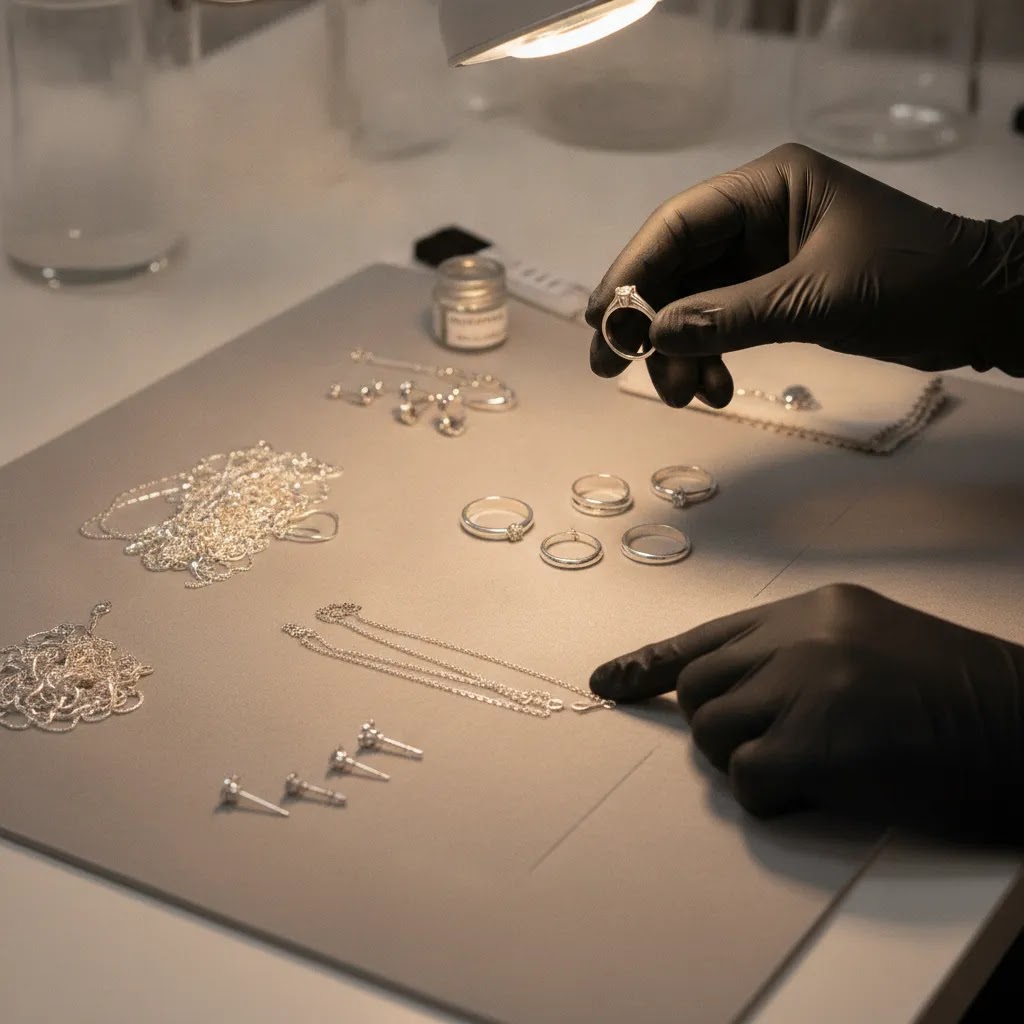
Tarnish is usually a surface reaction, not a sign that the piece is fake or automatically low quality. In normal business use, sterling silver may darken or dull when it is exposed to air, humidity, moisture, and other common environmental factors. Frequent handling can speed up that change because skin oils and residue transfer onto the surface and stay there during storage.
For your team, the key question is not whether tarnish can happen. It is whether the pattern matches your handling and storage reality. A light, even dullness across multiple units stored the same way often points to routine upkeep and the need for tighter storage controls. By contrast, uneven discoloration around high-touch points, packaging contact areas, or mixed inventory conditions can suggest process issues such as inconsistent bagging, uncontrolled humidity exposure, or too much handling during picking, photography, or appointment prep.
That diagnostic value matters because it changes what you fix. If tarnish is mainly a normal surface change, your best return comes from consistent cleaning and better post-clean storage, not aggressive polishing. On the other hand, if the tarnish pattern returns fast on specific SKUs or in a specific workflow step, prevention will reduce rework. That means fewer repeated touch-ups on samples, less time spent re-photographing pieces, and fewer avoidable presentation failures during buyer review.
For broader silver care standards, it also helps to compare internal practice with guidance from the Gemological Institute of America and the Silver Institute. Those sources support the basic point that silver reacts to real-world conditions and needs appropriate care.
Each Step Explained
1. 5 Steps to Make Your Sterling Silver Jewelry Look Like New Starts with Diagnosis
These are not the same task. Cleaning removes residue and light tarnish. Polishing improves brightness and surface appearance. Repair addresses faults such as bent parts, loose findings, damaged closures, or worn structural points. A piece with a darkened surface may only need maintenance. However, a distorted component should not be treated as a cleaning job.
This matters because over-treating a piece can erase definition or create finish inconsistency across a set. Create a quick intake standard for your team: visual check, movement check, closure check, and comparison against an approved sample. If the unit no longer matches the intended presentation standard, decide whether maintenance is enough before any action starts.
2. Clean Sterling Silver Jewelry with a Controlled Method
Surface grime often makes tarnish look worse than it is. Finger oils, packaging dust, storage residue, and handling marks can leave sterling silver looking flat. Start with the least aggressive method your team uses. Then keep the process consistent across similar SKUs. The objective is to lift contamination without creating fresh abrasion.
Common mistakes include mixing too many cleaning products, rubbing too hard around edges, and treating every piece as if it has the same finish tolerance. A plain style may respond differently from a more detailed item such as a 925 sterling silver cross pendant, where recessed areas and surface definition affect the final look. In practice, standardize your cleaning workflow by SKU family, not by guesswork.
3. Make Sterling Silver Jewelry Look Like New Without Over-Polishing
Brightness is where many teams go too far. A piece can look brighter but less refined if excessive polishing rounds edges, softens pattern definition, or creates uneven reflection. Like new should mean commercially fresh, not artificially stripped down.
Use a comparison sample or approved image standard where possible. This is especially useful if your assortment includes pieces with visual match requirements, such as sets, repeatable silhouettes, or coordinated styles. If your team also sources in volume, you may want to review wholesale silver jewelry workflows alongside finish standards. The practical rule is simple: stop once the piece looks clean, bright, and consistent with its original finish intent.
4. Check Chains, Clasps, Posts, and Joints Before Returning Pieces to Stock
A polished item that fails at the closure is not ready for resale, sampling, or line review. After cleaning, inspect mechanical points and high-contact areas. Check whether the clasp closes securely, whether the chain lies correctly, whether earring posts are straight, and whether jump rings or joins show stress.
This is where appearance and function meet. A sterling silver chain that looks fine under bright light may still have a weak point that appears later during fitting, photography handling, or buyer review. Next, add a post-clean handling check to your operating procedure and document any repeat failure points by SKU. That gives you better information for future development or reordering discussions. If chain issues are common, see tips choosing sterling silver chains for related sourcing considerations.
5. Reset Storage So Sterling Silver Jewelry Stays Like New Longer
If your process ends once the item looks good, you will repeat the same work again. Sterling silver can tarnish, so the real fix often sits in storage discipline. Separate cleaned units from untreated stock, reduce unnecessary handling, and make sure pieces are stored in a way that protects finish presentation between inspections.
For brands developing custom collections, this is also a product-development issue. If your team is building new SKUs, use the care cycle to identify where design, packaging, or construction could support easier upkeep. During early concept stages, development planning such as how to make 3d jewelry can help teams think ahead about shape, detail level, and practical maintenance standards before a production run begins. You can also review 3D Jewelry Design: Digital Jewelry Creation for a broader design-planning view.
When to Use Professional Cleaning or Repair (Instead of In-House Restoration)
In-house restoration works best when the issue is light to moderate tarnish, surface residue, and predictable handling marks. If the piece includes delicate detailing, sensitive settings, mixed components, or elements that could shift under pressure, escalation may be the more controlled decision. The same applies to vintage units, one-of-one samples, or any piece where losing surface definition would create a mismatch against the approved finish standard.
Functional risk should also trigger a stop. If a unit shows stress at joints, clasp issues, or movement that suggests a structural problem, polishing can hide the appearance temporarily without solving the actual failure point. In B2B terms, that is an avoidable return, an avoidable buyer complaint, or a preventable sample rejection later in the cycle.
Before you send anything out for professional cleaning or repair, document it the way you would document a production issue. Photograph the item under consistent light, record the SKU, note the observed condition, and list what your team already attempted.
That protects repeatability because professional outcomes can vary if the service provider is working from assumptions. It also gives you a clean feedback loop for supplier conversations. If the same SKUs repeatedly require escalation, you can use those notes to refine future production specs, adjust packaging expectations, or tighten your internal storage and handling rules so the issue does not reappear batch after batch.
Where Your Manufacturing Partner Fits In
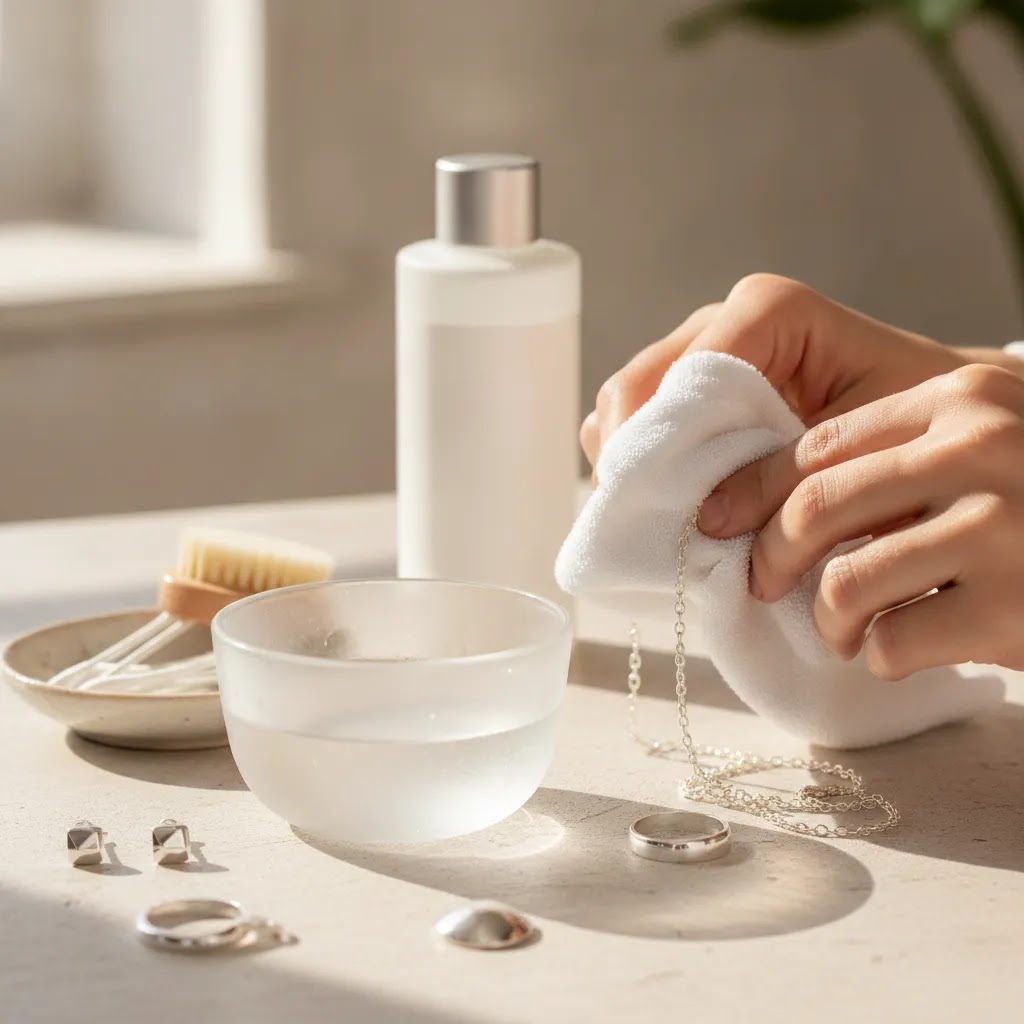
Maintenance standards should not sit entirely with your internal team. A capable manufacturing partner can help you define what a piece should look like at sample approval, what finish level is commercially acceptable, and which recurring issues point to a design or production adjustment rather than a cleaning problem.
Royi Sal Jewelry operates as a custom jewelry design and manufacturing partner for B2B clients, with founder Royi Gal combining design and manufacturing experience. The company’s service model centers on collaboration, custom development, wholesale production, and global fulfillment support. Importantly, care questions often expose larger operational questions: how pieces are approved, how they are packed, how presentation standards are communicated, and how reorder consistency is maintained.
If your silver line is expanding, it may help to review the broader Jewelry Manufacturing and 925 Sterling Silver sections on royisal.com before raising a project inquiry. Those conversations are more useful when you can show not only what is going wrong, but where in the lifecycle it happens: storage, shipping, handling, wear testing, or sample review.
Strengths and Considerations
Strengths
- This five-step process helps teams separate cosmetic upkeep from repair or replacement decisions.
- It supports better presentation standards across samples, stock units, and wholesale review pieces.
- It reduces the risk of over-polishing, which can create inconsistency or visual loss in detailed designs.
- It creates useful records for supplier discussions about recurring finish or handling problems.
- It fits B2B operations where multiple staff members handle receiving, inspection, storage, and merchandising preparation.
Considerations
- Not every piece that looks dull can be restored through maintenance alone. Some units may need repair or replacement.
- Different designs may respond differently to cleaning and polishing methods, so one routine may not suit every SKU.
- Storage improvements are operational, not cosmetic, and may require staff retraining to be effective.
- If finish issues recur often, the root cause may sit in packaging, construction, or handling flow rather than cleaning technique.
Who This 5-Step Sterling Silver Jewelry Process Is For
This checklist is most useful for jewelry retailers, boutique owners, private label founders, and growing brands that handle sterling silver stock, samples, or line-review units internally. It is particularly relevant for teams that need pieces to stay presentable across buyer meetings, photoshoots, reorder approvals, and wholesale fulfillment preparation.
If you are evaluating product consistency and supplier fit at the same time, this care checklist can also help you identify whether the issue is operational, developmental, or manufacturing-related. In many cases, 5 steps to make your sterling silver jewelry look like new gives teams a simple framework for making those decisions faster.
How to Put This Into Practice
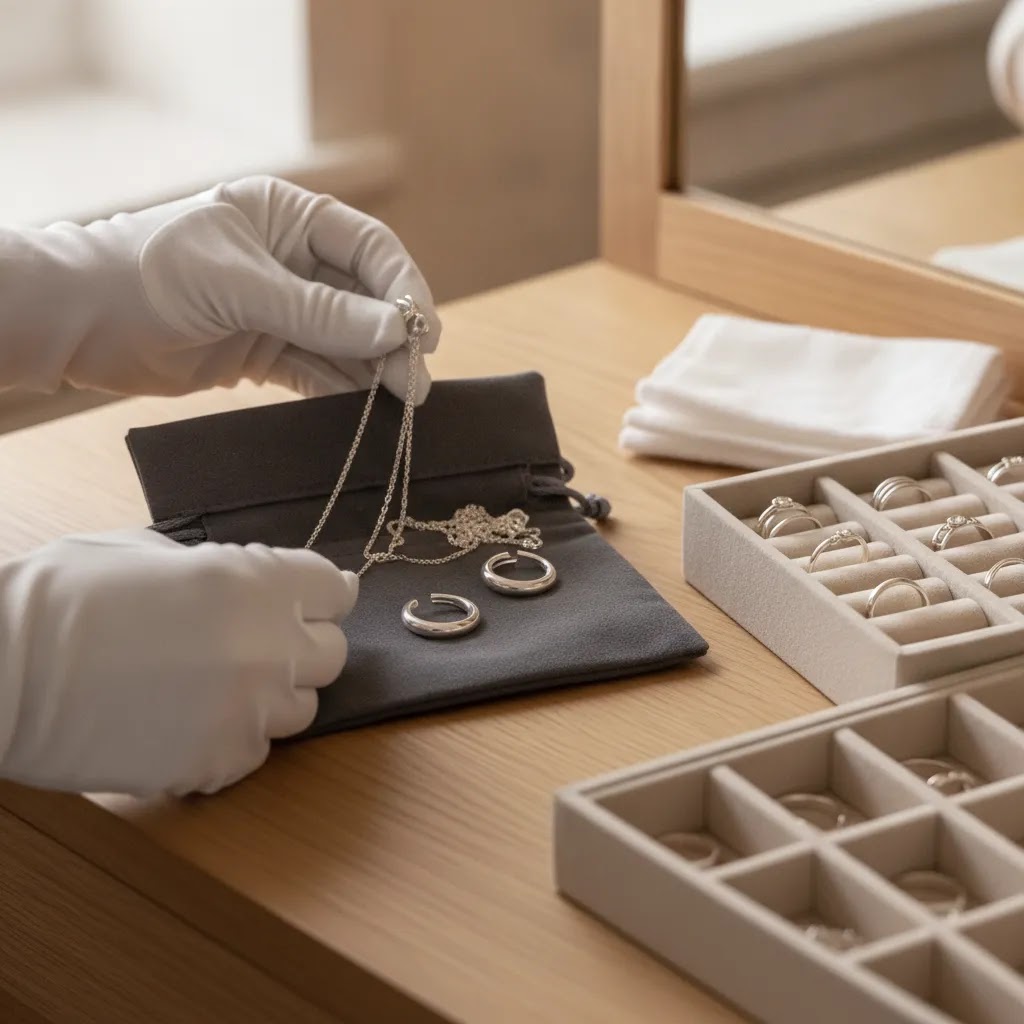
Start by selecting one small batch of sterling silver items and running the full five-step process from intake through storage reset. Record what changed after cleaning, what required actual repair, and which issues returned quickly. Then build a simple internal standard with three labels: maintain, repair, replace.
If you are launching or refining a collection, bring those observations into your supplier conversation. Royi Sal Jewelry works with business clients on custom jewelry design, collaborative development, and manufacturing planning. A useful first outreach includes your product category, target market, current pain points, reference images, and any recurring concerns around finish presentation, handling, or after-delivery maintenance. You can then discuss whether the issue relates to product design, approval standards, production planning, or fulfillment handling.
What If You Cannot Tick Every Box?
That is common, especially in growing businesses with limited staff time. Start with the highest-impact controls: diagnose correctly, clean gently, and improve storage. Those three actions usually prevent the most avoidable presentation problems. If chain integrity, post alignment, or recurring tarnish still create operational friction, the next step is not more polishing. It is a process review.
A realistic system does not aim for flawless restoration of every unit. It aims for repeatable judgment, fewer avoidable losses, and better information for future production decisions. Once that is in place, supplier conversations become more precise and more productive.
Handling “Turned Black” Chains and Deep Tarnish: What Changes in the Process
Deep tarnish, including pieces that appear turned black, often needs triage before your team decides on a cleaning method. Separate surface-only discoloration from signs of wear, residue buildup, or damage. If the darkening wipes back unevenly, if it is concentrated around joints, or if the piece shows functional stiffness or rough movement, the issue may not be solved by the same routine you use for light dullness.
Chains are a specific challenge because links create crevices, friction points, and contact surfaces that trap residue and darken faster. A common operational mistake is over-polishing high spots while recessed areas stay dark. As a result, the chain can look inconsistent under photography lighting and close buyer inspection. Slow down the process on heavily darkened chains. Work in shorter intervals, check progress under consistent light, and prioritize evenness over maximum brightness.
There is also an efficiency line. If the time required to bring a unit back to commercial presentation is high, or if restoration creates visible inconsistency across a batch, it may be better to move the piece into a repair or replace decision. That is not a failure of your team. Instead, it is an operational control that protects presentation standards and keeps your labor focused on units that can be restored predictably.
Frequently Asked Questions
Does sterling silver tarnish even if it is real?
Yes. Real sterling silver can tarnish over time. For a business, the more useful question is how quickly tarnish appears under your actual storage and handling conditions. Tracking that pattern helps you decide whether the issue is normal upkeep, weak storage discipline, or a wider packaging and product-management problem.
How do we know if a piece needs repair instead of cleaning?
If the issue affects function, alignment, closure security, or structural stability, it should be assessed as repair rather than maintenance. Cleaning may improve appearance, but it will not correct bent posts, stressed joins, or weak clasps. Separate those decisions early so your team does not waste time restoring a unit that should be repaired or replaced.
Should every sterling silver SKU follow the same care process?
No. Broadly similar items can still differ in surface detail, construction, and handling tolerance. A simple polished form and a more detailed design may not respond well to the same pressure or polishing intensity. Build care rules by SKU group or finish family rather than assuming one routine works across the whole line.
Why does silver look dull again soon after cleaning?
The most common reason is that the storage and handling environment did not change. If staff continue touching pieces frequently or cleaned units go back into the same uncontrolled storage condition, the finish may deteriorate again quickly. Lasting improvement usually depends on both maintenance and post-clean protection.
Can a manufacturer help with recurring silver care issues?
Yes, particularly if the issue points to packaging, design detail, approval standards, or handling during fulfillment. A manufacturing partner involved in custom development can help identify whether the problem belongs to product construction, presentation expectations, or internal operations. That is more useful than treating every repeat issue as a basic cleaning matter.
What should we prepare before contacting Royi Sal Jewelry?
Prepare photos of affected items, a short explanation of when the issue appears, your current storage and handling process, and notes on whether the problem affects samples, stock, or repeat orders. If you are developing a new collection, include sketches or references, target positioning, and any concerns around finish consistency or maintenance expectations.
How do you clean badly tarnished sterling silver?
Start by confirming it is a maintenance issue and not a functional or structural problem. For heavily darkened pieces, your team usually needs a more staged approach: remove surface residue first, then reassess what remains, then restore brightness carefully without trying to force an immediate mirror result. If the piece is detailed, has sensitive components, or shows risk at joints and closures, escalation to professional cleaning or repair is often the safer operational choice.
Can badly tarnished silver be restored?
In many cases, yes, but restored should be defined as returning to commercial presentation standards, not forcing a perfect finish at any cost. Some units respond well to controlled cleaning and careful brightening. Others may remain uneven, or the labor required may exceed what makes sense operationally, which is when repair or replacement decisions become the better control.
How do you make silver jewelry look new again?
For business use, the most reliable path is a repeatable process: diagnose whether the unit needs cleaning, polishing, or repair, clean with a controlled method, restore brightness with restraint, check function at mechanical points, then reset storage and handling so the improvement holds. That combination is what keeps pieces sample-ready and commercially presentable across your workflow.
Will Dawn dish soap remove tarnish from silver?
Dish soap is typically better at removing oils and surface grime than removing tarnish itself. In operations, that can still be useful because residue can make tarnish look worse than it is. If the dullness is mainly contamination, a controlled cleaning step may improve appearance. If the piece is truly tarnished or deeply darkened, soap alone often will not deliver a like new result, and your team may need a more structured restoration decision or professional support.
Key Takeaways
- The fastest route to a like new result starts with diagnosis, not polishing.
- Cleaning, polishing, and repair are separate actions and should be managed that way.
- Storage and handling controls matter as much as the cleaning step itself.
- Recurring finish problems can reveal development or manufacturing issues, not only care mistakes.
- Supplier discussions are more productive when you track where and when presentation issues appear.
Conclusion
Making sterling silver look new is rarely about one cleaning product or one quick fix. For a jewelry business, the stronger approach is operational: assess the piece correctly, clean with restraint, confirm function, and stop the same finish issue from repeating in storage. These 5 steps to make your sterling silver jewelry look like new help protect presentation standards while also giving your team better information about whether a problem belongs to maintenance, repair, or future product development.
If your business is reviewing sterling silver performance as part of a broader collection, sampling, or private label plan, contact Royi Sal Jewelry through royisal.com to discuss your project requirements. A direct conversation can help clarify whether care concerns should be solved through handling rules, design adjustments, or manufacturing planning.